Blueberries are one of the few fruit plants that genuinely thrive in containers — but only if you get three things right: soil pH below 5.5, a variety suited to container scale, and consistent moisture without waterlogging. Get those right and you can grow blueberries on a apartment balcony, a patio, or any sunny spot with no garden bed required.
The reason most container blueberry attempts fail is pH. Blueberries evolved in acidic bog soils and have a specialized root system that only functions properly below pH 5.5. In regular potting mix (pH 6.0–6.5), the plant can’t uptake iron properly, shows yellowing between leaf veins, and gradually declines over 1–2 seasons. The pH problem is the first thing to solve and the most critical.
Why Container Blueberries Are Different From Garden Plantings
In the ground, blueberries spread their root systems laterally and access a large soil volume that naturally buffers pH fluctuations. In a container, the root system is confined to the pot volume — there’s no escape from whatever pH you put in there. Once the mix pH drifts above 5.5, the plant starts showing deficiency symptoms regardless of how much fertilizer you add.
The second difference is moisture management. Container soil dries out faster than in-ground beds, and blueberries are shallow-rooted — they don’t explore deep soil for moisture. In summer heat, a container blueberry can go from moist to dry in 24 hours during a hot spell. Underwatering during fruit development is one of the two most common reasons container blueberries produce little or no fruit.
The third difference is chill hours. Blueberry varieties have specific cold requirements (measured in hours below 45°F / 7°C but above freezing) to break dormancy and initiate flowering. If you’re growing a high-chill variety (requiring 800+ hours) in a warm climate (zone 9–10), it may never set fruit properly because dormancy never fully breaks. Container growing doesn’t change this — but it does make it easier to move the plant to a colder spot in winter.
Variety Selection for Containers
Not all blueberry varieties are suited to container culture. The best container blueberries are compact, disease-resistant, and adapted to the chill conditions of your local climate. General rules:
- Southern varieties (USDA zones 7–10): look for low-chill varieties like ‘Sunshine Blue’ (200–300 chill hours), ‘Misty’ (300 chill hours), or ‘Sharpblue’ (200 chill hours). These stay productive in warm winters and grow to 3–4 feet in containers.
- Northern varieties (USDA zones 4–6): highbush varieties like ‘Bluecrop’, ‘Patriot’, or ‘Northland’ work well in larger containers (15+ gallons). These need 600–1000 chill hours and will reliably fruit in cold-winter climates.
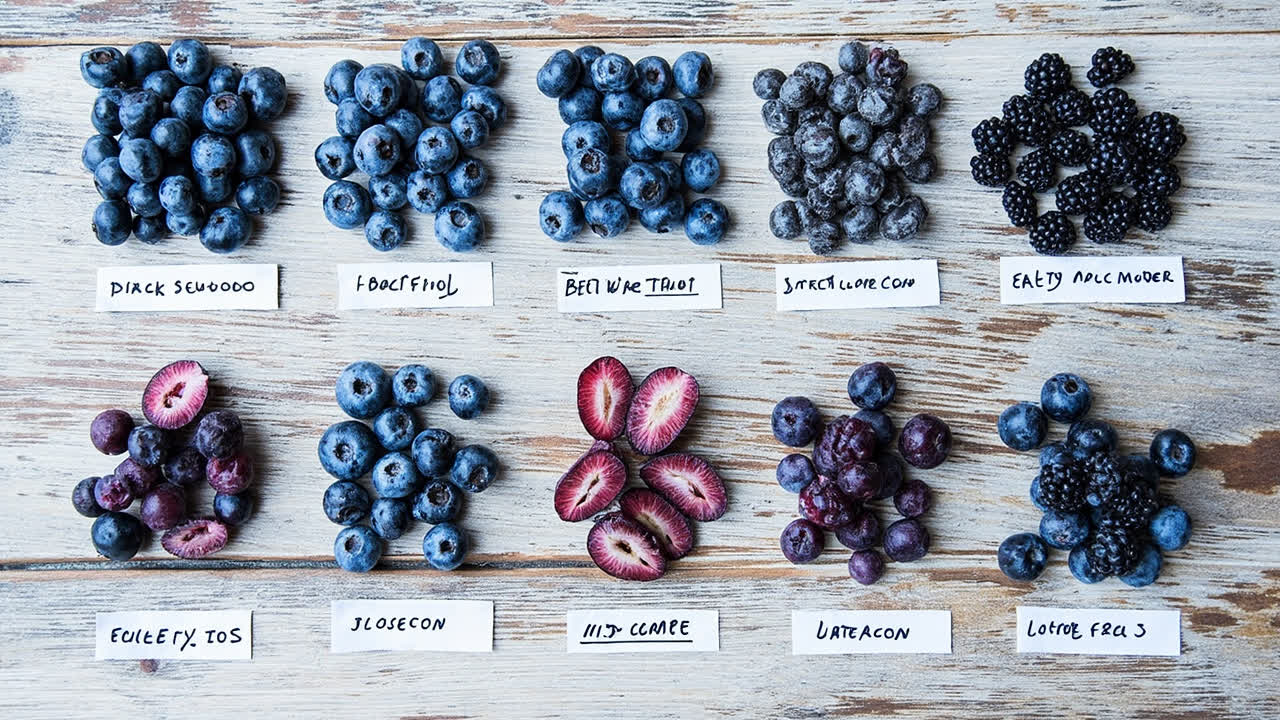
- Dwarf/fruiting varieties: ‘Peach Sorbet’ (hardy to zone 5, 500+ chill hours, 2–3 feet) and ‘Pink Lemonade’ (pink fruit, 300+ chill hours) are specifically bred for container use and ornamental appeal.
Best blueberry varieties for home gardens: the shortlist above represents the most reliable performers in containers. Avoid the very high-chill varieties (1200+ hours) unless you live in a climate with genuine cold winters and plan to leave the container outside through multiple freezes.
Turn PDF Bank Statements Into Workable Spreadsheets
Your bank statement is a mess of numbers, but your books shouldn't be. Use our converter to get Excel, CSV, or QBO files — ready for QuickBooks.
Try It Free NowThe Soil Recipe That Actually Works
Standard potting mix won’t work without modification. You need to create acidic conditions from the start. The reliable recipe:
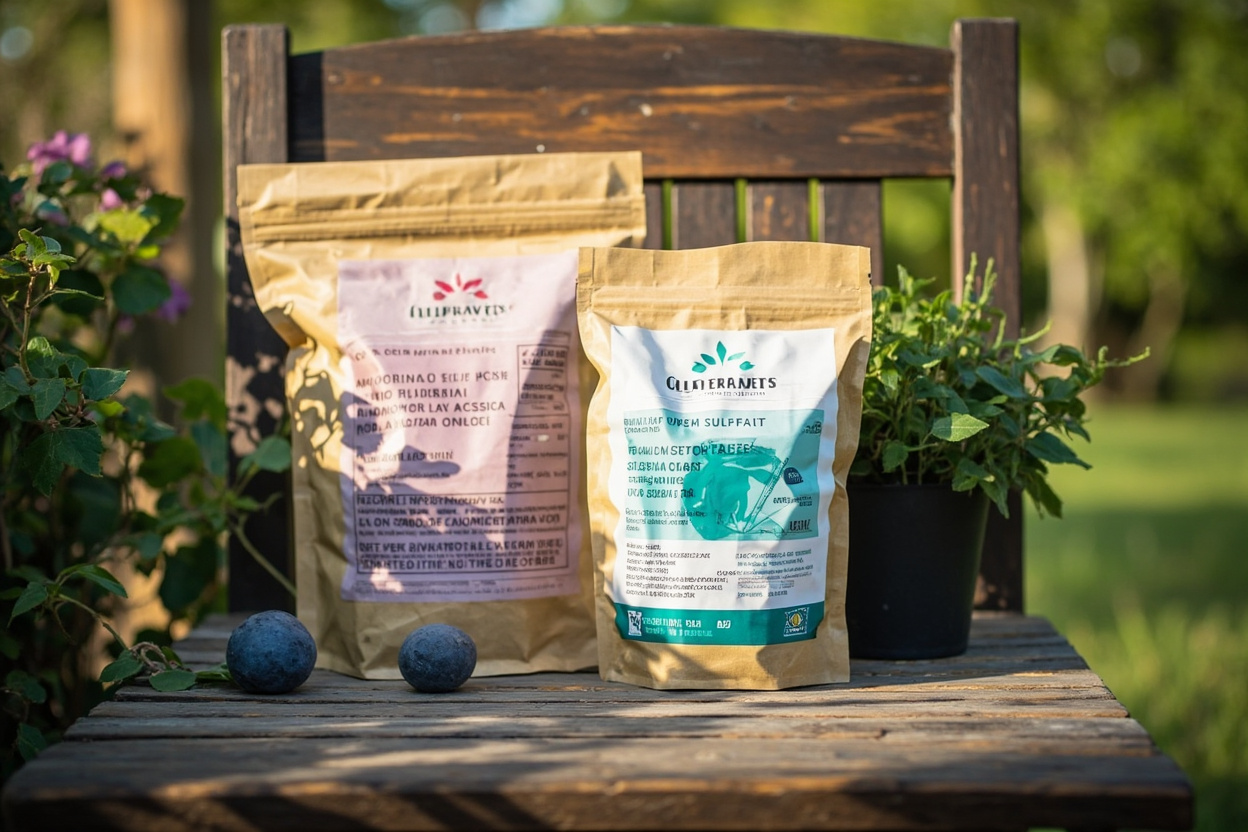
- 60% peat moss (acidic, 3.5–4.5 pH) — provides the acidity baseline
- 30% pine bark or composted conifer mulch (adds drainage and organic matter)
- 10% perlite (prevents compaction, improves aeration)
Do not add lime to this mix — peat moss already has enough natural calcium. Do not add slow-release fertilizers at planting time unless they’re specifically formulated for acid-loving plants (those without added calcium). The goal at planting is to establish the root system in clean acidic medium, not to force immediate growth.
The pH of this mix typically starts around 4.5–5.0, which is ideal. As you water with tap water (which tends to be alkaline, 7.0–8.5 in many municipal supplies), the pH will drift upward over months. Test the container soil pH every 3–4 months using a soil pH meter probe inserted into the root zone. If pH climbs above 5.5, correct with agricultural sulfur or a specialized acidifying fertilizer.
Container Sizing and Drainage
Start with at least a 5-gallon container for a 1-year-old plant. Blueberries need 2–3 years in the same pot before reaching productive maturity, so sizing up as the plant grows is part of the plan. Move to a 10-gallon container when the plant shows roots circling the bottom or emerging from drainage holes.
Drainage is critical. Blueberries are susceptible to Phytophthora root rot in waterlogged conditions, and containers without adequate drainage will kill plants even when watered correctly. Ensure at least 3–4 drainage holes in the base of any container you use. Elevate containers on pot feet or bricks so drainage holes aren’t blocked by surfaces.
Self-watering containers (with a reservoir at the base) work well for blueberries in hot climates — they provide consistent moisture without waterlogging the root zone if filled correctly. In cooler or more humid climates, standard pots with good drainage are preferable to prevent root rot from overwatering.
Watering and Feeding Through the Season
Blueberries in containers need consistent moisture, especially during flowering and fruit development in spring and early summer. Inconsistent watering during fruit sizing causes the berries to abort or develop unevenly. The goal is soil that’s moist but not soggy — like a wrung-out sponge.
Water with collected rainwater or distilled water when possible, especially if your tap water is above pH 7.0. If you must use tap water, let it sit for 24 hours before applying to allow chlorine to dissipate. In hard water areas (high in calcium and magnesium), the pH drift from tap water will gradually neutralize your acidic soil mix over a single growing season.
Feed with an acidifying fertilizer formulated for blueberries or azaleas/rhododendrons. Apply at half-strength every 2–3 weeks during active growth (spring through late summer). Stop feeding by late summer to allow the plant to harden off for winter dormancy. Do not fertilize in fall or winter — the plant needs rest, not growth stimulation.
Pruning and Maintenance
Container blueberries need less pruning than field-grown plants because the confined root system naturally limits vigour. The pruning goals are: maintain an open centre (good air circulation reduces fungal issues), remove dead or damaged wood each winter, and thin fruit clusters if the plant sets heavily (too much fruit = small berries).
Prune in late winter when the plant is still dormant but danger of severe frost has passed. Remove any crossing branches, any wood that’s died back, and about 1/4 of the oldest stems at the base to encourage new growth. The best fruit comes from 1–3 year old wood — older stems produce progressively smaller berries.
Pruning blueberry bushes in containers follows the same principles as in-ground pruning but with less intensity — a lightly pruned container blueberry will still produce well. Heavy pruning on container plants can stress them more than field specimens because the confined root system has less capacity to support vigorous regrowth.
Overwintering Container Blueberries
This is where container growing has an advantage: you can move the plant. In cold-winter climates (below USDA zone 6), move containers to an unheated garage or cold frame after leaf drop in autumn. Blueberries need cold to break dormancy but the roots are vulnerable to freeze damage in containers (unlike in-ground plants where soil provides insulation).
Keep the plant at 35–45°F (1–7°C) through winter — cold enough to maintain dormancy but not freezing in the root zone. Water sparingly through winter (once a month at most) to keep roots from desiccating. Move back outside in early spring when temperatures stay above freezing.
Bottom Line
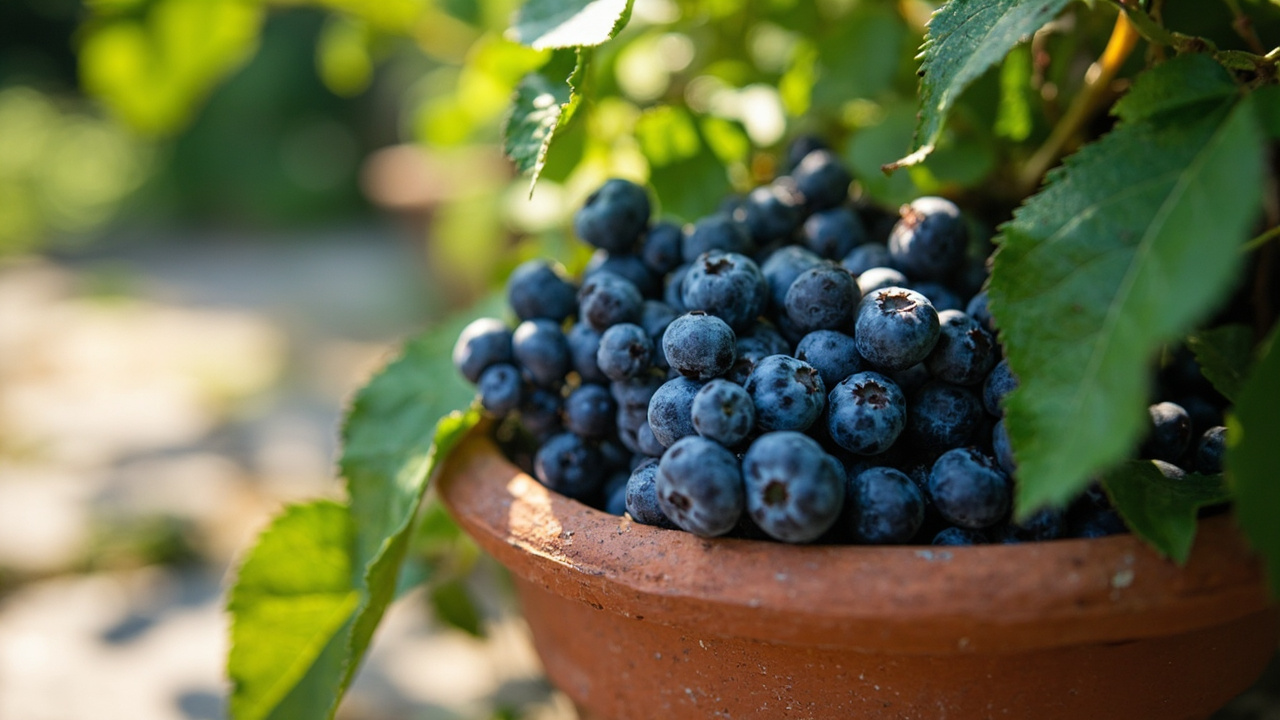
Container blueberries work when you treat them like the acid-loving, shallow-rooted, moisture-sensitive plants they are. Get the pH right (peat-based mix, test regularly, acidify as needed), choose a low-chill variety for warm climates, water consistently through spring and summer, and move the container to cold storage through winter in cold climates. The plants will produce for 5–8 years in the same container if you refresh the top few inches of soil each spring and keep the pH in the 4.5–5.5 range.
For variety selection, soil pH, and full year-round care beyond containers, see our complete guide to growing blueberries at home.