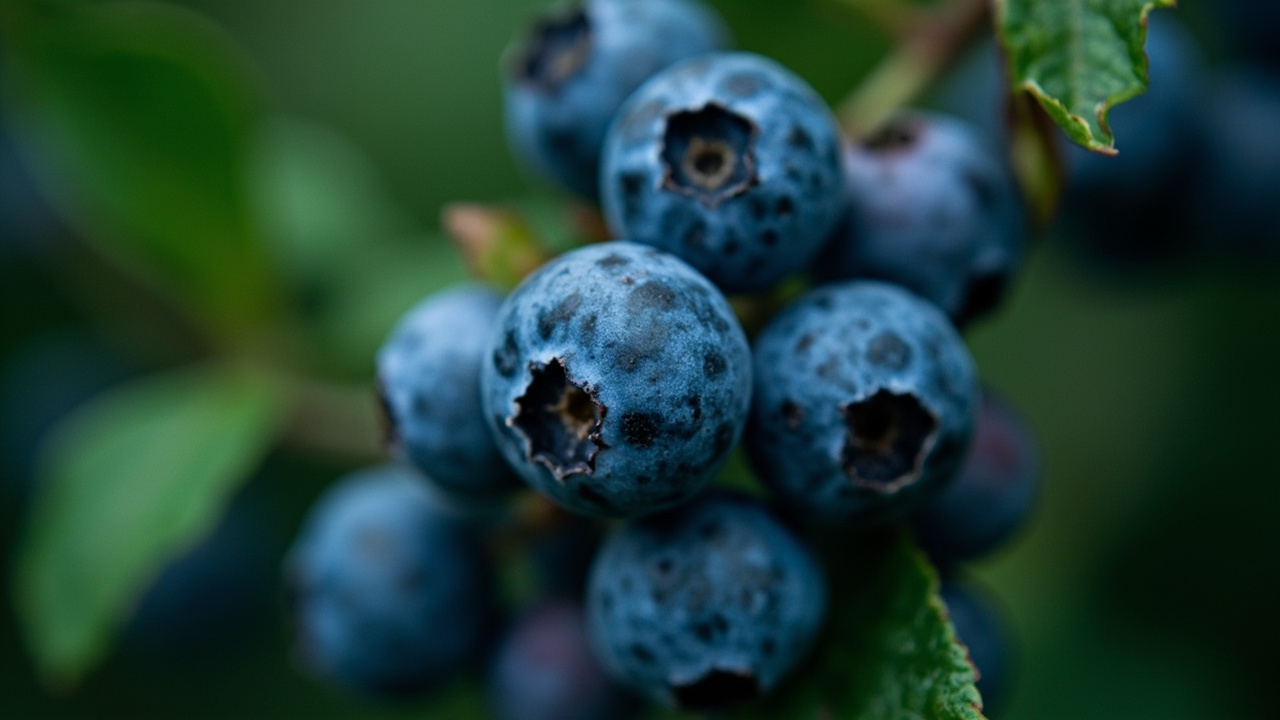
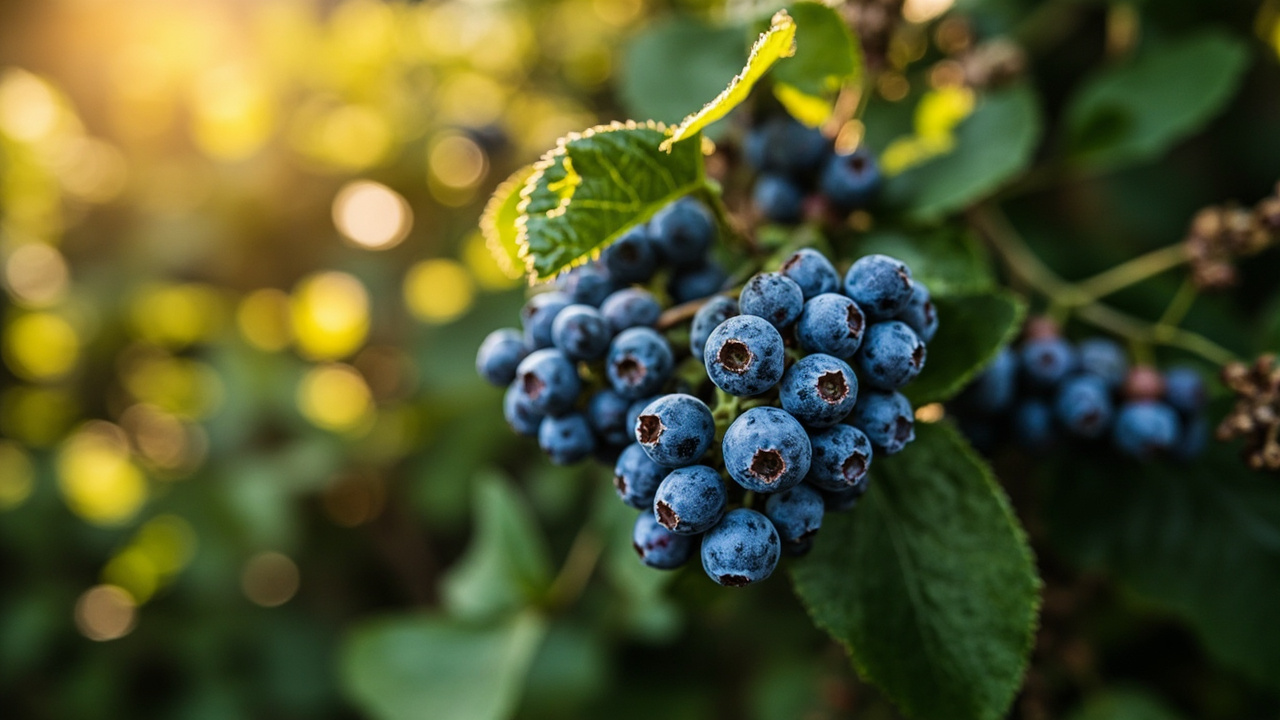
Duke blueberry is one of the most widely planted early-season northern highbush varieties in North America, and for good reason—it produces large, firm berries that ripen in early summer, often a week to ten days before Bluecrop, and it yields heavily once established. But that reputation comes with a non-negotiable requirement: Duke needs 800 to 1,000 or more chill hours to break dormancy properly and set a reliable crop. If you’re in zone 8 or warmer, Duke will struggle. In zones 3 through 7, it is one of the most dependable early-season choices you can plant.
Variety Characteristics and What to Expect
Duke grows vigorously as a young plant and comes into bearing faster than most northern highbush varieties—often producing a light crop the second year after planting and ramping to full production by year three or four. The fruit is large, firm, and has a mild-sweet flavor that holds well in storage and freezing. Duke is a mid-to-upright grower with strong cane structure that supports the weight of heavy fruit clusters without staking.
The trade-off for early ripening and high yield is cold hardiness, which is good but not exceptional. Duke tolerates winter temperatures to approximately -20°F (-29°C) when fully dormant, but late-spring frosts during bloom cause the most consistent damage. Duke’s early bloom date means it is vulnerable to frost in regions where late frosts are common. If you are in a marginal frost zone, Duke’s bloom delay trait—where flowers open later relative to other early varieties in the same hardiness zone—provides meaningful protection, but not complete immunity.
Cross-Pollination and Planting Partners
Duke is partially self-fertile, which means it will set some fruit without a pollinator variety, but yields are significantly higher with a compatible cross-pollinator nearby. Plant Duke within 50 to 100 feet of at least one other highbush variety for best fruit set. Recommended companions in the northern highbush group include Bluecrop, Blueray, and Patriot—all of which bloom in the same window and extend the harvest window if you plant more than one variety. For a deeper look at how pollination affects your blueberry crop, see our blueberry pollination guide.
For commercial or larger home plantings, arrange varieties in rows or blocks rather than single alternating plants. Bees work most efficiently within a consistent pollen source, so four to six rows of the same variety followed by four to six rows of the next variety produces better cross-pollination than single alternating plants. For a small backyard with space for two or three bushes, pair Duke with Bluecrop as a mid-season complement that extends your harvest window. Our best blueberry varieties for home gardens comparison covers harvest windows and cross-pollination partners for all the most reliable cultivars.
Harvest Timing and Fruit Quality
Duke berries ripen over a 3 to 4 week period in early to mid-summer depending on latitude and seasonal temperatures. The fruit does not all ripen at once—the berries on the sunny, upper sides of the bush mature first. Pick every 3 to 5 days during peak season to stay ahead of ripeness and prevent overripe fruit from dropping or attracting spotted wing drosophila.
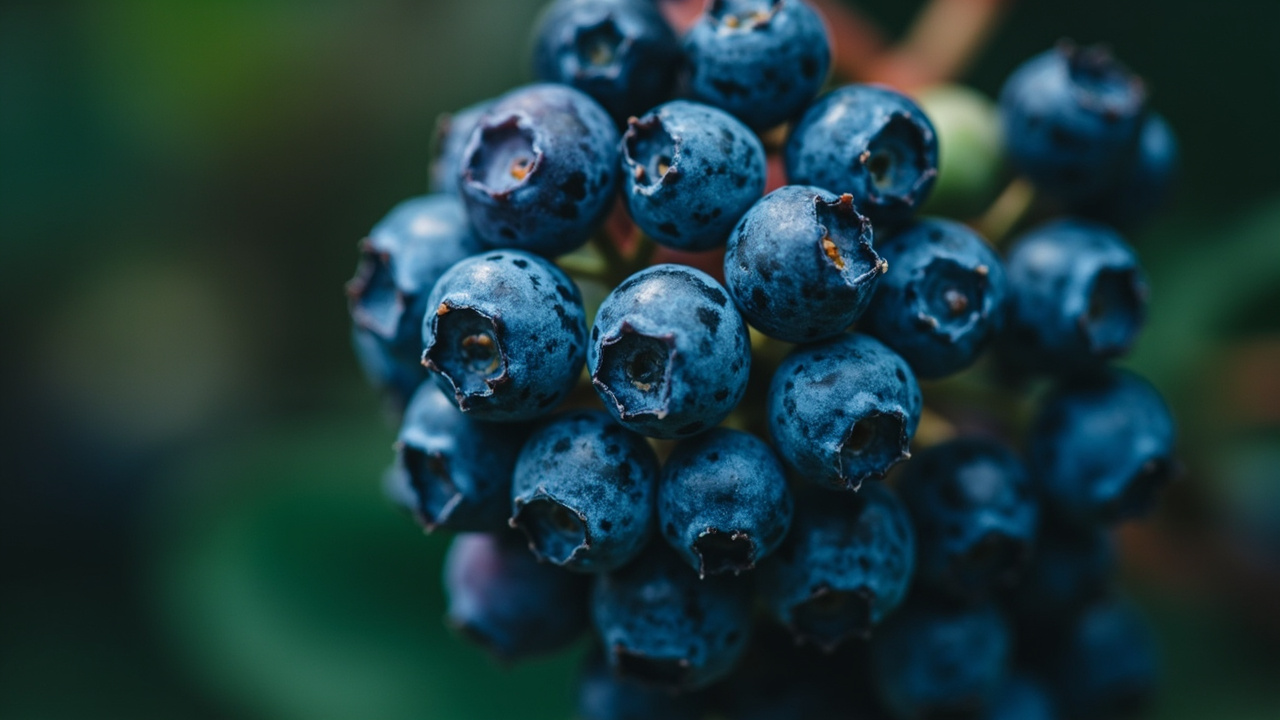
Test ripeness by the color and feel. Duke berries should be deep blue all the way to the stem attachment with no reddish or greenish tinge. They should release from the cluster with a gentle pull and yield slightly to pressure when ripe. Do not rush the harvest—berries continue to size up and develop sugar even after the blue color appears, and underripe Duke berries are noticeably tart.
For storage, cool berries immediately after harvest to 34–38°F (1–3°C) with high relative humidity (90–95%). At that temperature, Duke holds well for 10 to 14 days. For long-term storage, Duke freezes exceptionally well—spread unwashed, dry berries in a single layer on a sheet pan, freeze until solid, then transfer to airtight bags. Frozen Duke berries keep for 10 to 12 months with minimal texture degradation.
Fresh-Eating Quality and Flavor Profile
Duke scores well for fresh eating in part because of its firm texture—the berries don’t crush easily in the hand or in transit. The flavor is mildly sweet with moderate acidity, which means it pairs well with dairy in recipes but doesn’t have the intense blueberry tang of some darker-fruited varieties. For pies and baking, Duke holds its shape better than softer-fleshed varieties and releases just enough juice for good filling without becoming watery.
How Duke Compares to Other Early Season Varieties
Duke and Bluecrop are the two most planted northern highbush varieties in North America, and they serve different purposes. Duke produces larger, firmer berries and ripens earlier. Bluecrop is more adaptable to a wider range of soil types, is more drought-tolerant once established, and is considered the industry standard for reliability across variable conditions. Bluecrop is the better choice if you have challenging soil or inconsistent access to irrigation.
Early Duke and Polaris are both early-season options for cold-climate growers (zones 3–5). Duke produces larger berries; Polaris produces smaller fruit but with notably higher sugar content and a more concentrated flavor. For cold-climate home growers willing to hand-harvest, Polaris may be the better eating experience. For commercial fresh-market production where berry size drives retail appeal, Duke is the standard. A full comparison of all major home-garden cultivars is in our varieties buying guide.
Where Duke Falls Short
Duke’s biggest practical limitation is chill hour requirement in warm climates. If you are in USDA zone 8 or warmer with mild winters (average winter temperature above 45°F / 7°C), Duke will not receive enough cold exposure to break dormancy properly. The plant will leaf out inconsistently, bloom erratically, and produce a poor, sparse crop. In those climates, look to southern highbush varieties (which have lower chill requirements, often 150–600 hours) or rabbiteye varieties (which need 300–600 hours). Planting Duke in a warm climate won’t kill it—it just won’t fruit well, which defeats the purpose of growing it.
Late spring frost vulnerability is the other genuine limitation. Duke’s early bloom is an asset in regions where the frost-free date arrives early, but it is a liability in areas with unreliable late springs. If you know your site experiences killing frosts into late April or early May, Duke’s bloom date is a real risk. Northland and Patriot are hardier at bloom time and may be better choices in frost-prone northern sites.
From Bank Statement to QuickBooks-Ready File
That manual cleanup you just read about? This tool skips it. Turn your PDF into QBO for QuickBooks without storing your data anywhere.
Start Converting