
First-time indoor houseplant owners kill plants for the same reason. They pick a foliage plant that doesn’t fit their situation, then they overwater it. The fix is not a green thumb. It’s a 3-trait filter, a 5-tier pick list mapped to your real life, and a 30-day protocol for the first month. This care guide gives you all three.
The flat 8-plant quick list lives at our best indoor plants for beginners page. This page is the framework behind that list, when each plant makes sense, when it doesn’t, and which ones to avoid entirely.
What Actually Makes a Plant Beginner-Friendly
“Easy” is the most overused word in the plant trade. An easy houseplant is genuinely beginner-friendly only when it survives three common mistakes: missed waterings, dim corners, and slow-to-spot pest outbreaks. Most indestructible-looking picks fail one of those tests within the first month.
Plants that pass all three share the same three traits: drought tolerance, low-light tolerance, and pest resistance. They earn the label low-maintenance because they forgive the three mistakes a beginner is most likely to make.
Drought tolerance matters most because new owners water on a schedule instead of when the soil moisture is actually dry. A plant’s drought tolerance is what lets it survive the week you forgot, the vacation you took, or the wet October when the soil never dried out. Underwatering is fixable; overwatering is the #1 killer because roots suffocate in waterlogged soil and develop root rot.
Low-light tolerance matters because most apartments have one good east-facing window and three dim corners. The plant has to handle the dim corners or it yellows within a month. For a windowless room, a grow light closes the gap.
Pest resistance matters because mealybugs and spider mites spread fast in a home where no one is checking the undersides of leaves weekly. For the vocabulary behind these traits (bright indirect light, foot-candles, sunlight, root rot, acclimation), the houseplant glossary covers each term in full.
The 5-Tier Beginner Pick Framework
Flat lists of “15 easy plants” are why beginners keep choosing wrong. The plant that’s easy for a busy office desk worker is not the same plant that’s easy for a cat owner. The fix is to match the pick to your situation. Five tiers cover nearly every beginner scenario, and each tier maps to a specific reader situation.
| Tier | Situation | Light | Water | Top Pick |
|---|---|---|---|---|
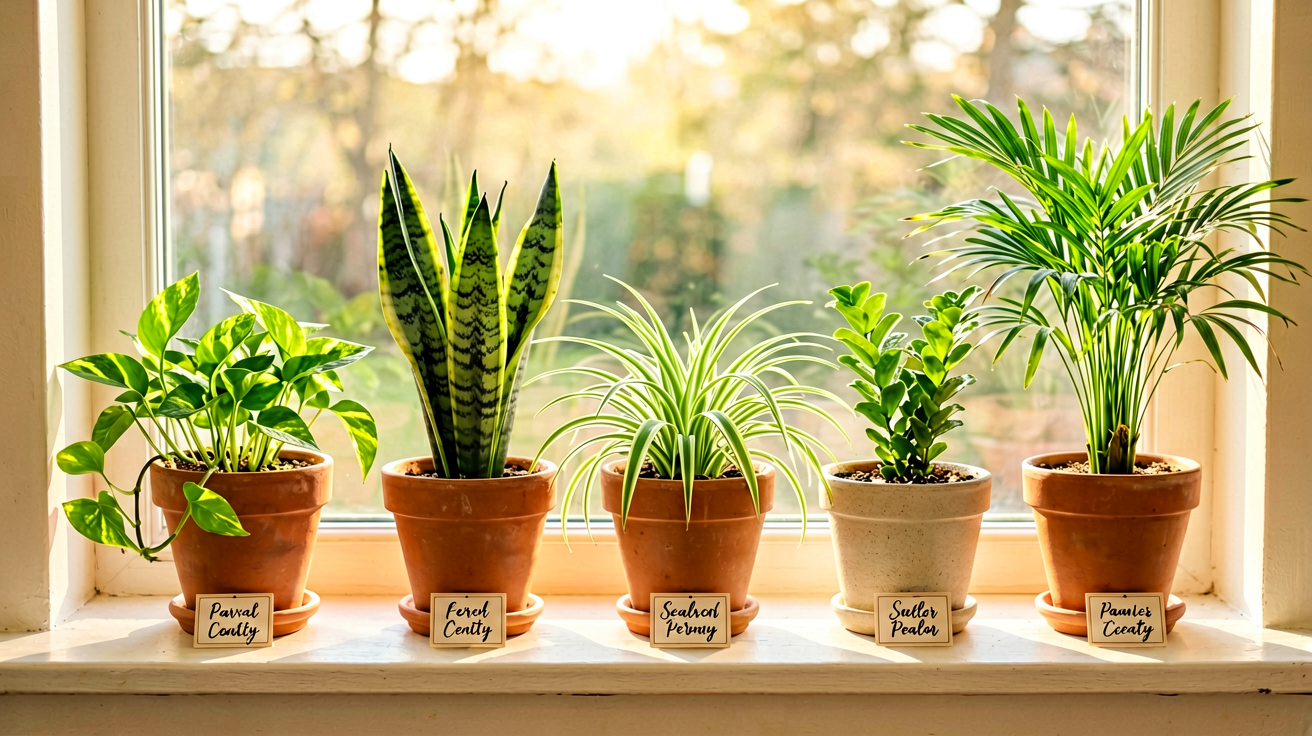
| 1: Best overall | No constraints, just want one safe plant | Bright indirect to medium | Weekly, let soil dry | Pothos |
| 2: Best for busy people | Forget to water, travel, irregular schedule | Low to bright indirect | Every 2 to 3 weeks | ZZ plant |
| 3: Best pet-safe | Cats or dogs that chew | Bright indirect | Weekly | Spider plant |
| 4: Best statement | Want a plant that looks expensive | Bright indirect | Weekly, let soil dry | Monstera |
| 5: Best low-light | North-facing window or fluorescent-only | Low to medium | Every 2 weeks | Snake plant |
If your situation fits more than one tier (say, busy and pet-safe), pick the more specific tier. The framework narrows correctly when tiers overlap. For a deeper ranking of the low-light tier, see our best plants for low light guide.
Tier 1: The Best Overall Houseplant for Beginners
The single best beginner indoor houseplant for most situations is pothos. This tropical foliage plant survives inconsistent watering, dim corners, and the occasional cold draft.
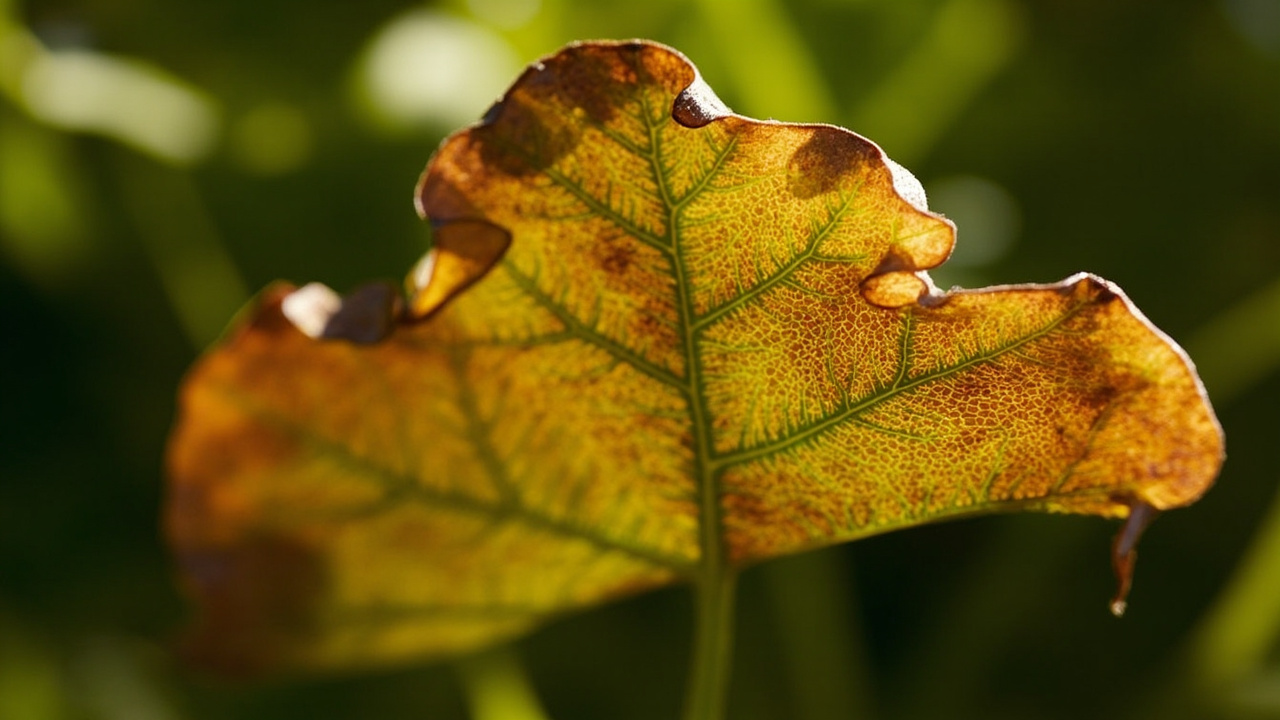
Its trailing vines give visible feedback when something is wrong. Yellow leaves mean too much water. Brown tips and leaf curl mean the air is too dry. Leggy vines mean it needs more sunlight. That feedback loop is what makes it forgiving.
If pothos doesn’t appeal, the close second is snake plant. Snake plant survives a month without water, tolerates fluorescent office light, and is one of the few plants that genuinely thrives on neglect.
The trade-off: it grows slowly, so the visible feedback loop is weaker. Pothos tells you what it needs; snake plant quietly endures until it doesn’t. Snake plant also handles leaf drop without sulking, which makes it the most indestructible pick in the beginner range.
For the “no constraints, just one plant” reader, pothos is the answer. For everyone else, the next tiers narrow further.
Tier 2-3: Best for Busy People and Best Pet-Safe
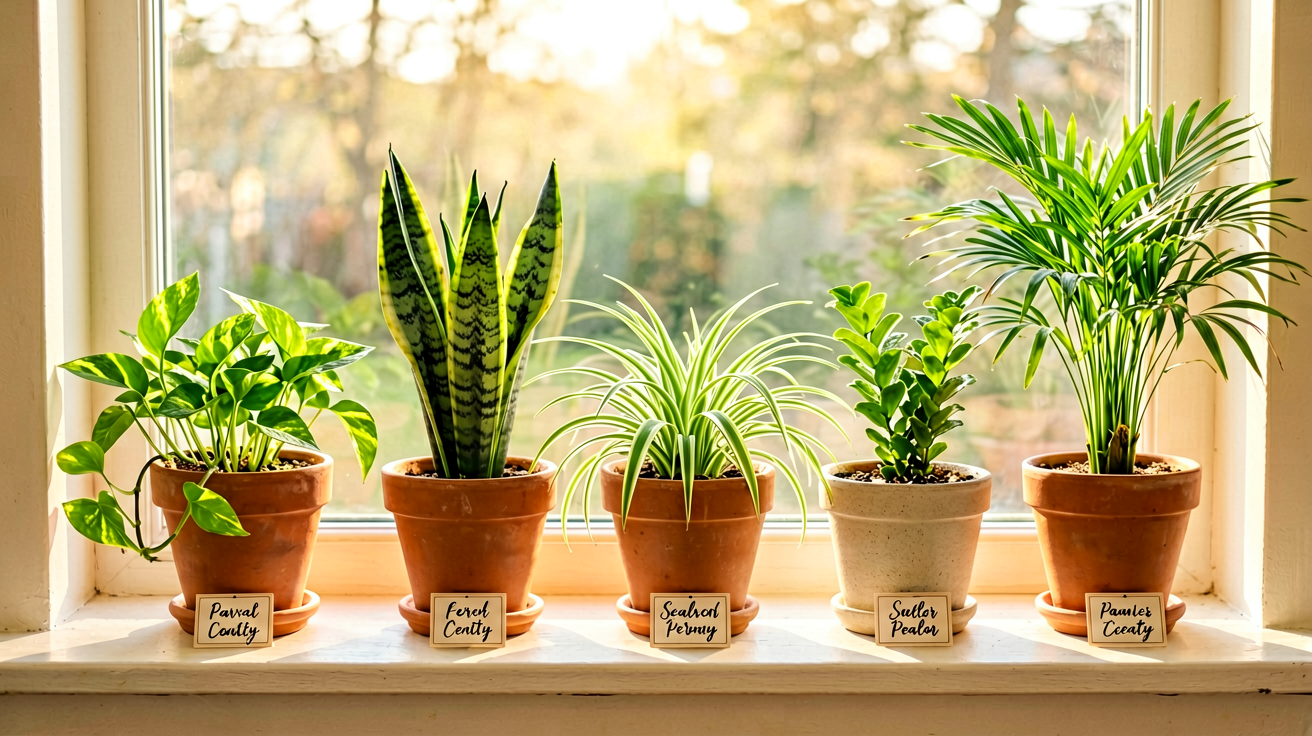
Tier 2, best for busy people, is ZZ plant. ZZ is the most drought-tolerant low-maintenance foliage plant sold in regular nurseries. Its rhizomes store water for weeks, so a missed watering is a non-event. It also handles fluorescent-only sunlight, which makes it the standard office desk pick for offices and north-facing apartments.
The trade-off: ZZ is mildly toxic if chewed, so it is not safe around cats or dogs that nibble. Tier 3, best pet-safe, is spider plant. Spider plant is non-toxic to cats and dogs according to the ASPCA, makes its own pups so you can expand the collection through propagation for free, and tolerates a wide range of light conditions.
Its trade-off is that spider plant is sensitive to fluoride and chlorine in tap water, which browns the leaf tips. Filtered water or 24 hours of standing water fixes this. For a deeper look at how to water any of these plants without overdoing it, the indoor plant watering schedule guide breaks down the rhythm by season.
Busy readers who also have pets should pick spider plant and accept the leaf-tip browning as a small cosmetic trade-off. The watering rhythm for spider plant is close enough to pothos that the same schedule works for both.
Tier 4-5: Best Statement and Best Low-Light
Tier 4, best statement plant, is monstera. Monstera deliciosa gives the split-leaf tropical foliage look that reads as “expensive” in a room, and it is more forgiving than it looks. It handles a missed watering, tolerates medium sunlight, and recovers from under-watering within a day.
The trade-off: monstera needs space. In a small apartment its leaves will crowd the corner within a year. It is also mildly toxic, so pet owners should treat it as a Tier 4 pick only if the pet doesn’t chew plants.
Tier 5, best low-light, is snake plant (if not already picked in Tier 1) or cast iron plant. Cast iron plant is the most low-light-tolerant low-maintenance foliage plant commonly sold, surviving north-facing windows and dim corners that would yellow a pothos within a month.
Its trade-off is that it grows slowly and looks unremarkable. For most readers with genuinely dim rooms, snake plant is the better pick because it gives faster visible growth. For the full low-light ranking, the best plants for low light page ranks ten species by shade tolerance. Grow lights close the gap when sunlight drops below 100 foot-candles.
Statement and low-light tiers are the most situation-specific. If your room has a good east or west window, skip Tier 5 entirely and pick from Tier 1, 2, or 3.
What NOT to Buy as a Beginner (The Honest List)
Three plants are marketed as easy but consistently kill beginners. Skipping them for your first year is the single best decision you can make.
Fiddle leaf fig. It is the most-pinned plant on social media and the most-returned plant in nurseries. The reason is mechanism, not bad luck: fiddle leaf fig drops leaves on any change, from a new window, a draft, a watering shift, to a repot.
Beginners repot within the first week, move the plant to “find the right light,” and water on a schedule. Fiddle leaf fig rewards stillness, and most indoor houseplant owners cannot give it that.
Skip it until you have kept a pothos or snake plant alive for a full year. When yellow leaves do show up despite your care, the indoor plant leaves turning yellow guide walks through the five-cause diagnostic, from underwatering to overwatering to nutrient deficiency.
Maidenhair fern. Marketed as delicate and beautiful, it is genuinely delicate and beautiful, and it needs humidity above 60 percent to keep its fronds from crisping. Most homes sit at 30 to 40 percent humidity in winter. The mechanism is that maidenhair’s thin fronds transpire faster than the roots can replace moisture. A humidifier fixes it, but a beginner without a humidifier will watch the plant collapse in two weeks.
Gardenia. Gardenia needs cool nights (below 65 F) to set buds, bright light, acidic soil, and high humidity. Most apartments cannot deliver all four at once. The mechanism is that gardenia drops unopened buds the moment one condition slips.
Beginners see the buds form, then watch them fall, then assume they did something wrong. They probably did not. The room just is not right for gardenia. Wait until you have a sunroom or a controlled greenhouse corner.
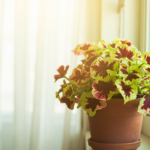
Calathea is a fourth plant worth mentioning even though it is sometimes listed as beginner-friendly. Calathea needs filtered water, high humidity, and consistent moisture. It is beautiful and worth growing, but it is a Tier 5 experience plant, not a first plant. Treat it as a “someday” pick until you have kept a spider plant and a pothos alive for six months each.
The First 30 Days: A Beginner’s Plant Protocol
The reason “easy” plants die in beginners’ homes is rarely the plant. It is what happens in the first month. Here is the protocol.
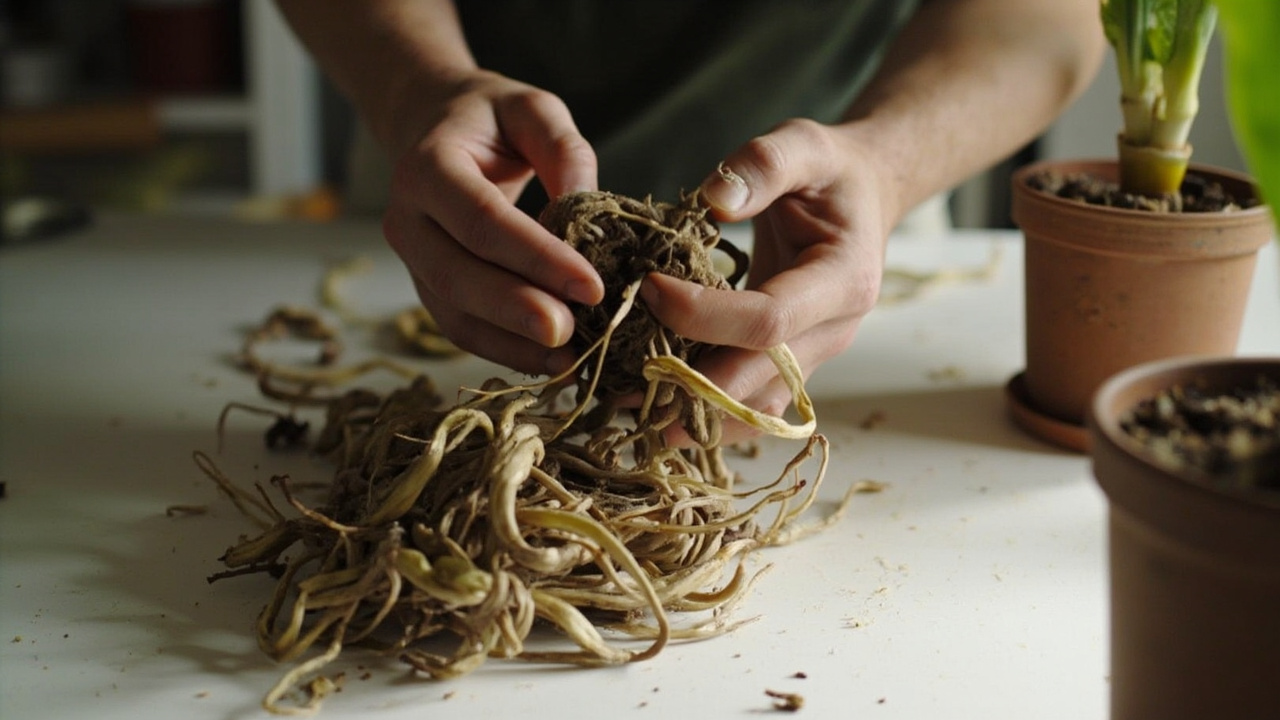
Week 1: Do not repot. The plant came in a nursery pot with a drainage hole, which is fine for now. Repotting in week 1 is the single most common beginner mistake. The new indoor potting mix holds different soil moisture, the roots get disturbed, and the plant spends its energy recovering instead of acclimating. Skip the terracotta upgrade too; nursery plastic is easier to monitor.
Place it where you plan to keep it, in the sunlight you have, and leave it alone. Expect some leaf droop in the first 7 to 10 days. That is acclimation, not failure.
Week 2: Water only when the top 2 inches of soil are dry to the touch. Stick your finger in. If it is still damp at 2 inches, wait. The finger test beats every watering schedule because it accounts for the room’s actual humidity and temperature.
Week 3: No fertilizer. Nursery plants are already in fertilized soil, and adding more burns roots. Begin a regular fertilizer schedule in month 2, diluted to half the label strength. For the full rhythm, the indoor plant watering schedule guide walks through every season.
Week 4 onward: By now the plant should show one new leaf or one inch of new growth if light and water are right. If it is still drooping, the issue is almost always too much water or not enough light. Re-check the finger test and move 3 feet closer to the window if you can.
By month 6, a healthy beginner-tier plant should be visibly larger than the day you bought it. By month 12 it should look like a different plant.
The 30-day protocol is the bridge between picking the right plant and actually keeping it alive. Once you have one plant thriving for a year, the tier framework resets. You can move into maidenhair fern, fiddle leaf fig, and gardenia with full information about your own watering rhythm and light conditions.
From Bank Statement to QuickBooks-Ready File
That manual cleanup you just read about? This tool skips it. Turn your PDF into QBO for QuickBooks without storing your data anywhere.
Start Converting