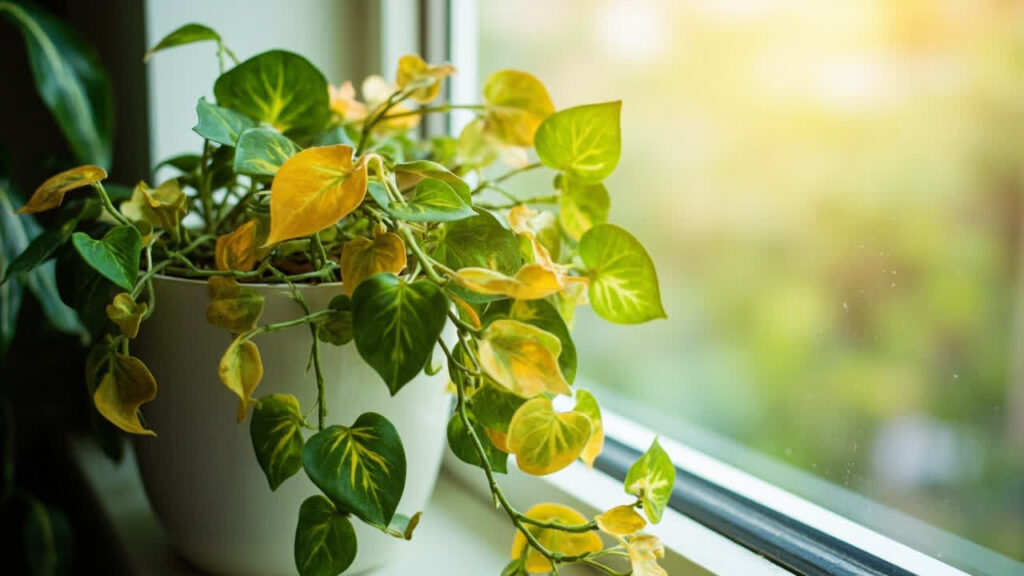

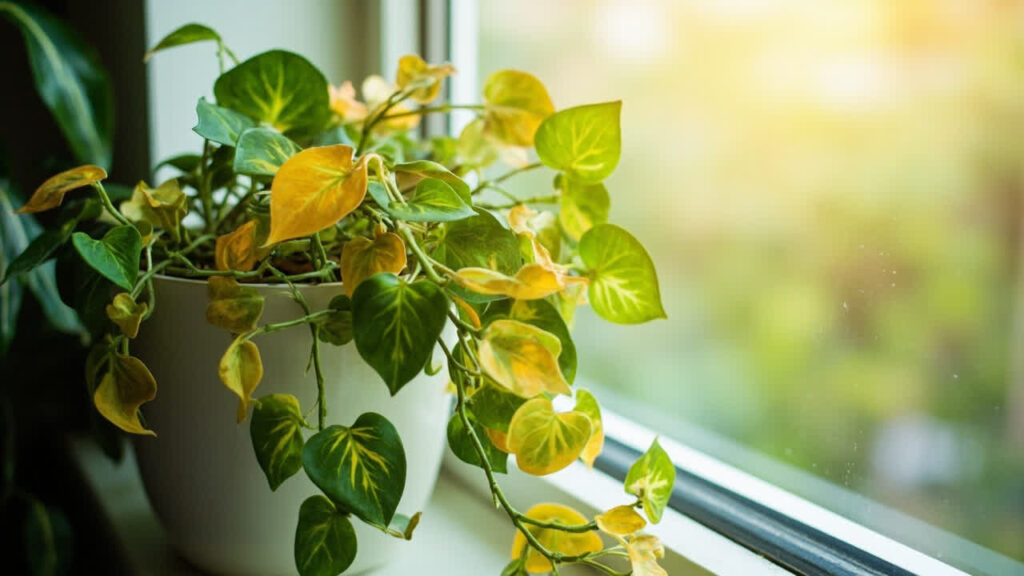
Almost every plant person has a story like this: they forgot about their Pothos plant for three weeks, it sat in a dusty corner with no attention, and it came back better than ever.
That reputation is earned!
Pothos plants — also known as Devil’s Ivy — has earned its spot as one of the most forgiving, versatile house plants you can own.
But here’s the thing that doesn’t get talked about enough: that reputation has a flip side. Because people assume it’s invincible, they push it into conditions that even the toughest plant will struggle with. And then they wonder why their “unkillable” Pothos is looking yellow and limp.
This guide is built to do something different. Rather than listing care facts in a vacuum, it walks through what actually matters when you’re trying to keep a Pothos thriving — not just surviving.
The difference between those two things is a lot bigger than most articles let on.
Understanding Pothos: What Makes This Plant Different
Pothos (botanical name Epipremnum aureum) is native to the Solomon Islands, where it grows as a trailing vine in tropical forest understories. That background tells you a lot about what it wants: bright, indirect light filtered through a canopy, humidity in the air, and roots that never sit in waterlogged soil. In your home, you’re trying to approximate those conditions — and the better you do it, the more impressive your plant looks.
One of the most common mix-ups in house plant identification is confusing Pothos with Philodendron. They look similar, especially when young, and both are tropical vining plants. But the care profiles are meaningfully different.
Pothos is notably more drought-tolerant — it stores water in its leaves and stems more efficiently, which is why it forgives missed waterings.
Philodendron tends to drop leaves faster when it’s thirsty and generally wants more consistent moisture. Knowing which one you have matters for how you water it.
Popular Pothos Varieties and How They Differ
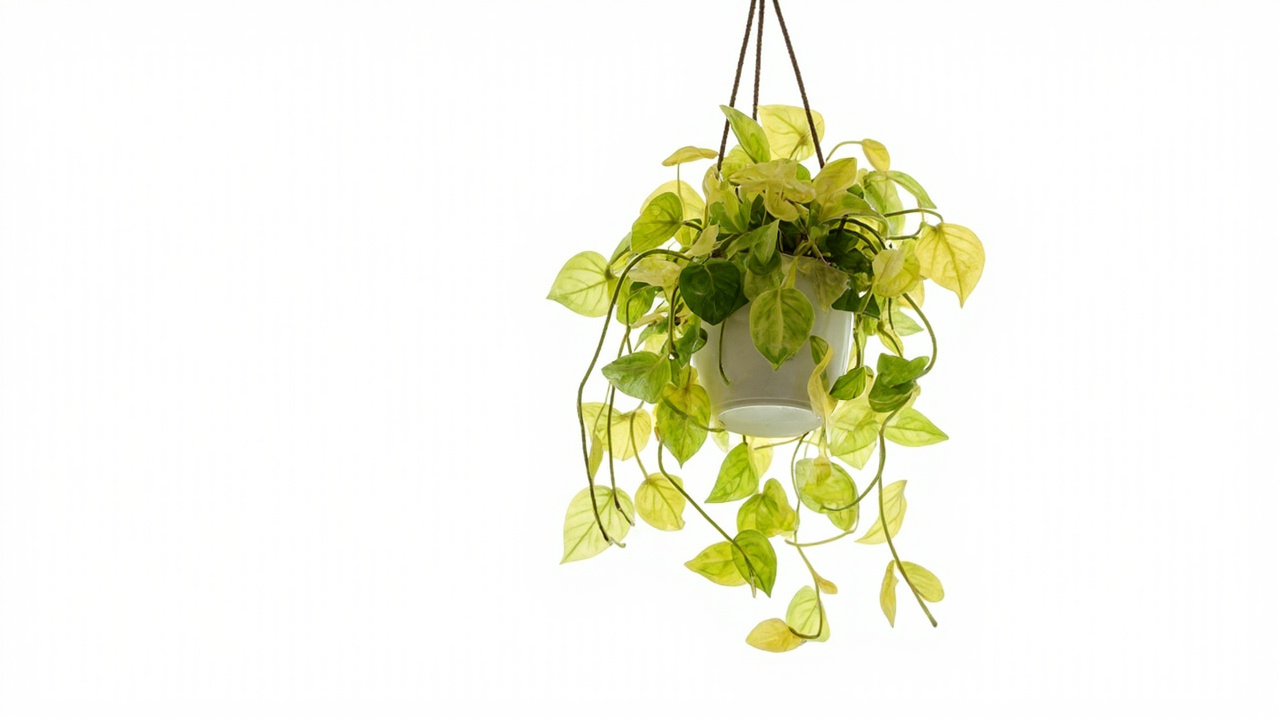
The classic Pothos look — heart-shaped leaves on trailing vines — shows up across several named varieties, each with a distinct look:
- Golden Pothos: The most recognizable. Green leaves splashed with gold and yellow variegation. Hardy, fast-growing, and forgiving of low light. The variegation will fade if the light is too low, but the plant itself stays healthy.
- Marble Queen Pothos: Heavy white and cream variegation covering most of the leaf surface. More dramatic looking, but the high white content means less chlorophyll, so it grows slower than Golden. Needs brighter indirect light to maintain its variegation.
- Neon Pothos: A solid, bright chartreuse-green that almost seems to glow under good light. One of the most visually striking varieties. Still tolerant of lower light, but the color deepens and loses its characteristic brightness in darker spots.
- Jade Pothos: A solid deep green, non-variegated variety. Similar in feel to the original green form but a cleaner, more uniform look. Very shade-tolerant and arguably the hardest to kill.
- Cebu Blue Pothos: An increasingly popular variety with blue-green, slightly metallic-looking foliage and distinctive arrow-shaped leaves. Has a more refined, almost silvery appearance compared to the standard heart-shaped Pothos leaves.
- Snow Queen Pothos: Similar to Marble Queen but with higher amounts of white variegation — more white than green in most leaves. Striking but slower growing, and more demanding in terms of light.
The good news: all of these varieties share the same core care requirements. You don’t need a different watering schedule or different soil for each one — just adjust the light expectations. More variegation means more light needed to fuel that growth.
From Bank Statement to QuickBooks-Ready File
That manual cleanup you just read about? This tool skips it. Turn your PDF into QBO for QuickBooks without storing your data anywhere.
Start ConvertingLight: The Factor Most People Get Wrong
Pothos tolerates low light. That’s a fact. But tolerance is not the same as preference, and it is definitely not the same as thriving. A Pothos in a dark corner will survive — it might even survive for years — but it will grow slowly, produce small leaves, and gradually lose its variegation if it has any.
What you’re aiming for is bright, indirect light. That means a spot near an east or north-facing window, or a few feet back from a south or west-facing window where the direct sun doesn’t hit the leaves. Direct sun will scorch Pothos — you’ll see brown, crispy patches appear on the leaves, especially on the more delicate variegated varieties.
Variegated varieties like Marble Queen, Snow Queen, and Neon need more light than Jade or standard green Pothos.
If you’re keeping a highly variegated Pothos in a low-light spot, expect the leaves to gradually become more green over time. That’s not a disease — it’s the plant adapting to its conditions by producing more chlorophyll to capture the limited light available.
Watering Pothos: The Single Biggest Mistake
If there’s one thing that kills more Pothos than anything else, it’s overwatering. Not underwatering — overwatering. The reputation for being “hard to kill” partly comes from the fact that Pothos can handle drought. What it cannot handle is wet, soggy soil sitting around its roots for extended periods.
The right way to water is simple: check the soil first. Push your finger into the top inch of soil. If it feels dry, water. If it’s still moist, wait. That’s the whole method. For most homes in average conditions, this might mean watering every 7–10 days in summer and every 2–3 weeks in winter — but the schedule is driven by the soil moisture, not by the calendar.
When you do water, water thoroughly. Add water until it flows out of the drainage hole at the bottom of the pot, then stop. Don’t let the pot sit in a tray of standing water — that breeds root rot faster than almost anything else. If you’re growing Pothos in a pot without drainage, you’re making your own life harder and the plant’s life dangerous.
Soil and Drainage: Setting Up the Right Foundation
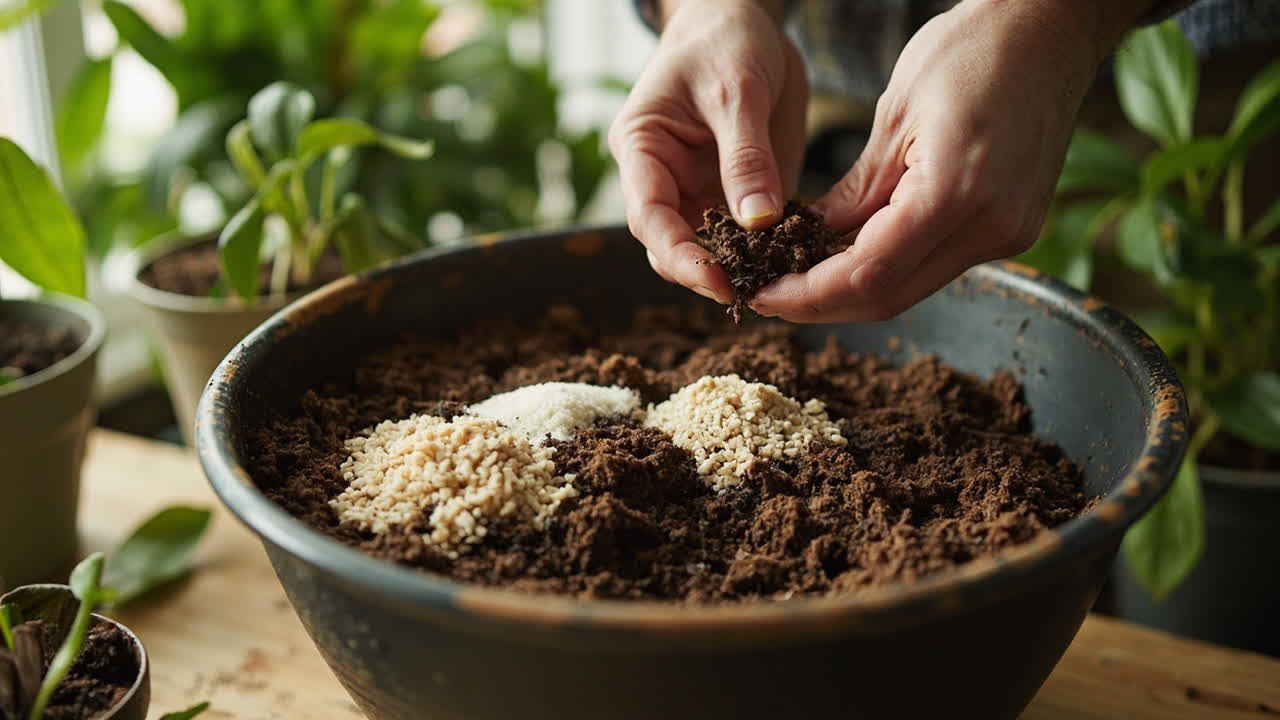
Pothos is an aroid — it wants a growing medium that’s chunky, well-aerated, and fast-draining. Regular garden soil or dense potting mix holds too much water and suffocates the roots. The fix is straightforward: use a mix designed for aroids, or make your own.
A good Pothos soil mix combines standard potting mix with perlite and bark or coco coir. Something like 60% potting mix, 20% perlite, and 20% bark works well. The perlite keeps things light and open; the bark adds structure and helps with drainage. You want soil that holds some moisture but drains quickly and doesn’t compact.
This matters especially if you’re keeping Pothos in a nursery pot with dense, water-retentive soil — that slow-draining mix is the most common reason for root rot in house plants. Repotting into a better mix is often the single most impactful change you can make for a struggling Pothos.
Temperature and Humidity: Keeping It Comfortable
Pothos is comfortable in typical indoor home temperatures — the same range you probably keep your thermostat set to. That range is roughly 65–85°F (18–29°C). Below about 55°F (13°C), Pothos starts showing stress. You’ll see it in slow growth, wilting despite moist soil, and eventually, yellowing leaves. Cold drafts from open doors or windows in winter are a common cause of unexpected decline.
Humidity-wise, Pothos isn’t demanding. It handles average household humidity reasonably well. But if you start seeing brown tips on the leaves — not edges, but tips — that’s often a sign the air is too dry, the soil has been allowed to dry out too much, or both.
This is especially common in winter when heating systems dry out indoor air.
Grouping plants together, placing a humidity tray nearby, or running a humidifier in the same room can help. And it’s another reason to check the soil rather than watering on a fixed schedule — if the air is dry, the soil dries faster and the plant feels it more.
Propagation: Growing More Pothos From Cuttings
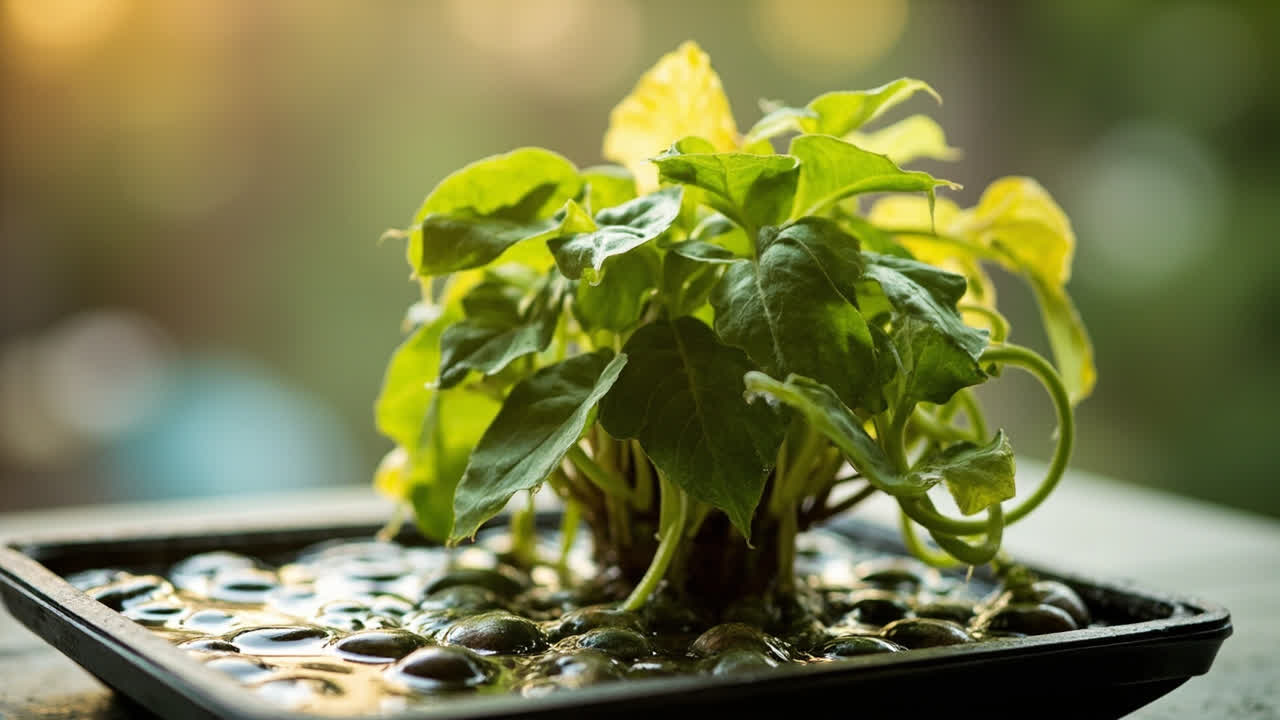
One of the most satisfying things about Pothos is how easy it is to propagate. You don’t need special equipment, rooting hormone, or a propagation station setup — though those can help. A healthy Pothos cutting can root in plain water and transplant successfully to soil.
Here’s how to do it right. Take a cutting that includes a node — the small brown bump where a leaf meets the stem. That’s where the roots will emerge from. Cut just below the node with clean, sharp scissors or shears. Remove the leaf closest to the cut end if it’s large — you don’t want it submerged in water. Place the cutting in a jar of room-temperature water, with the node fully submerged but the leaf above the water line.
Change the water every few days to keep it fresh and oxygenated. Within 2–4 weeks, you’ll see roots growing. Once the roots are around 2–3 inches long, you can transfer the cutting to soil. This water-to-soil transition is the stage where most people lose cuttings — the roots that grew in water are adapted to wet conditions, and soil holds water differently. Go easy on watering after the transplant for the first couple of weeks while the roots adjust.
The same water propagation method works whether you’re extending an existing plant or starting a fresh one from a single node cutting.
Common Pothos Problems and How to Fix Them
Pothos communicates clearly when something is wrong — you just need to know how to read the signals.
Yellow leaves almost always point back to overwatering. Check the soil first: if it’s wet and still saturated, you’ve found your culprit. Root rot often follows, which will make the yellowing spread to more leaves and eventually compromise the whole plant. If you suspect root rot, unpot the plant, inspect the roots (healthy roots are white and firm; rotted roots are brown, mushy, and smell bad), trim the damaged ones, and repot in fresh, well-draining soil.
Brown leaf tips are typically caused by low humidity, underwatering, or a combination of both. Inconsistent watering is a big driver — letting the soil dry out completely and then soaking it creates stress that manifests as tip burn. Fluoride or salt buildup from tap water can also cause browning in sensitive plants, so if your tap water is heavily treated, consider switching to filtered or rainwater.
Loss of variegation in variegated varieties is a light issue, not a disease. The plant is responding to lower light by producing more green chlorophyll to capture what light is available. Move it to a brighter spot and the variegation will gradually return on new growth. Old leaves won’t revert, but new leaves will show the characteristic patterning.
Leggy, stretched growth — long stems with widely spaced leaves — indicates the plant is reaching for more light. It survives in low light but doesn’t look good. Increasing light exposure will produce more compact, fuller growth.
Fertilizing and Ongoing Care
Pothos is not a heavy feeder, but it does benefit from occasional nutrition, especially during the active growing season in spring and summer. A balanced liquid fertilizer applied at half strength once a month during the growing season is more than enough. Don’t fertilize in fall and winter when growth naturally slows — the plant won’t use the nutrients, and excess salts build up in the soil, causing root stress.
Occasionally wiping down the leaves with a damp cloth does more than you’d expect — it removes dust that accumulates on leaf surfaces and blocks light absorption. It’s a small maintenance task that makes a visible difference in how healthy and polished the plant looks.
Pothos Plants
Pothos plant earns its reputation as one of the best house plants for beginners. But “forgiving” and “indestructible” are not the same thing.
Give it reasonable light, let the soil dry between waterings, use well-draining soil, and keep it away from cold drafts — and you’ll have a plant that grows reliably, trails beautifully, and genuinely improves the look of any room it’s in.
The difference between a Pothos that just survives and one that actually thrives is not complicated. It’s mostly about light and water management. Get those right, and the rest follows.
And if you’re building out a collection, Pothos pairs well with other low-fuss house plants.
A snake plant in the same room can handle even more neglect, giving you a sense of what’s possible in a low-maintenance low-light plants setup.
Or if you’re ready to expand beyond foliage, a simple herb garden nearby can round out a productive indoor growing practice.