New to begonias? Start here. Begonias are one of the most diverse and rewarding houseplant groups you can grow — but they have a reputation for being fussy, and that reputation is half deserved. The truth: some begonias are genuinely difficult. Others are among the most forgiving tropical plants you can buy. The difference is choosing the right variety and avoiding the one mistake that kills most beginner begonias in week two.
That mistake is overwatering. More begonias die from too much water than from any other cause. If you can resist the urge to water on a schedule and instead check the soil with your finger, you have already solved 80% of the challenge. Everything else is details.
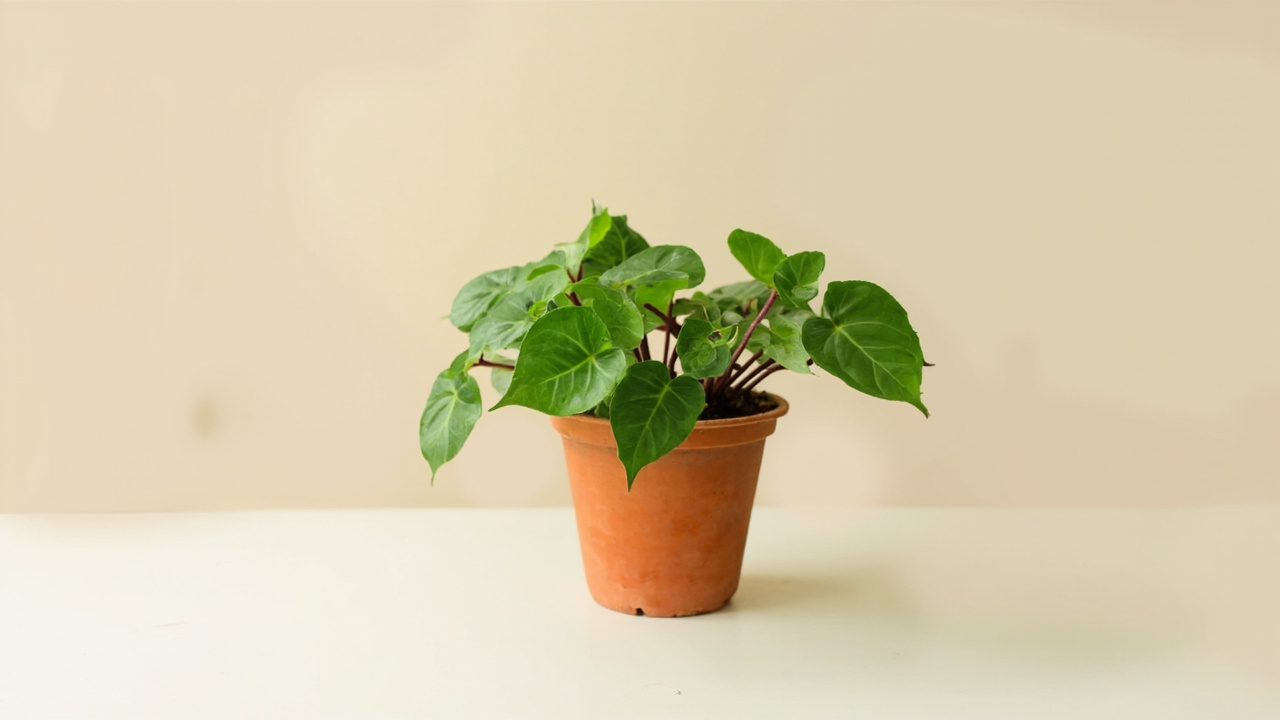
Begonia Basics: Best Varieties for Beginners
Not all begonias are created equal when it comes to beginner-friendliness. Here is a ranking from easiest to most demanding:
Wax begonias (easiest): Also called semperflorens or bedding begonias. These are the most forgiving begonias you can buy. They tolerate lower light, average indoor humidity, and occasional missed waterings. They produce small pink, red, or white flowers almost year-round. A 4-inch wax begonia costs $5-10 and will thrive on a desk or shelf with minimal fuss. If you have never grown a begonia before, start here.
Cane begonias (easy to moderate): Angel wing begonias and their cane-stemmed relatives are the next step up. They grow taller — 2-4 feet indoors — and have larger leaves with interesting patterns. They tolerate a range of light conditions and bounce back from occasional overwatering. The polka dot begonia (Begonia maculata) is the most popular cane variety and is widely available.
Fibrous-rooted begonias (moderate): These include the shrub-like and semi-tuberous types. They are reasonably forgiving but prefer consistent conditions. They do not like sudden changes in light or temperature.
Rex begonias (moderate to challenging): Rex begonias are the showstoppers — their leaves look like they were painted by an artist. But they are also the most demanding common begonia. They need 50-60% humidity, consistent watering, and warm temperatures. In a dry apartment with forced-air heating, rex begonias will brown at the edges and drop leaves within weeks. Wait until you have a few successful begonias before trying a rex.
Tuberous begonias (challenging): These produce the most spectacular flowers — large, double blooms in vivid colors. But they have a specific dormancy cycle, need precise watering during active growth, and are prone to rot. Not recommended for beginners.
Setting Up Your First Begonia
Once you have chosen your variety, get the setup right from day one. This prevents most problems before they start.
Pot: Choose a pot with drainage holes. This is non-negotiable. Begonias cannot sit in water. A 4-6 inch pot is ideal for most beginner varieties. Plastic pots retain moisture longer; terracotta dries out faster. If you tend to overwater, go with terracotta.
Soil: Use a light, well-draining potting mix. A standard peat-based or coco coir-based houseplant mix works. Add 20-30% perlite for extra drainage. Do not use garden soil — it is too heavy and may contain pests.
Placement: Place your begonia within 3 feet of an east or north window. South and west windows work if you filter the light with a sheer curtain. The plant should cast a soft shadow at midday. If the shadow is sharp and dark, the light is too direct.
Watering on day one: Water thoroughly until water runs out the drainage holes. Let the pot drain completely. Then do not water again until the top inch of soil feels dry to the touch. This might take 5-7 days in a 6-inch pot at room temperature.
Humidity: Most beginner begonias (wax, cane, fibrous) tolerate 40-50% humidity. If you are growing a rex, place the pot on a pebble tray with water below the gravel surface, or group it with other plants. Do not mist — water on leaves invites mildew.
The First Month: A Simple Care Routine
Week one: Your begonia is adjusting. Place it in its permanent spot and water only if the top inch of soil is dry. Do not fertilize. Do not repot. Expect 1-3 leaves to drop — this is normal transplant stress.
Week two: The plant should be settling in. Check the soil every 3-4 days. Water when the top inch is dry. If new leaves are appearing, the plant has accepted its new home. If leaves are yellowing rapidly, you are overwatering — let the soil dry out more between waterings.
Week three: By now you should have a sense of how fast your specific plant uses water in your specific conditions. Some people water every 5 days; others every 10. There is no universal schedule. Trust the soil check, not the calendar.
Week four: If the plant is producing new leaves, you can begin fertilizing at half strength. Use a balanced liquid fertilizer (10-10-10 or similar) diluted to half the label recommendation. Feed once every 2-3 weeks during active growth.
The realistic time-frame: by the end of month one, a healthy beginner begonia should have 1-3 new leaves, firm stems, and no significant leaf drop. If the plant looks worse than when you bought it, the problem is almost always overwatering or too much direct sun.
Common Beginner Mistakes and How to Avoid Them
Mistake 1: Watering on a schedule. The #1 killer. Soil moisture varies with temperature, light, humidity, and pot size. Watering every Saturday regardless of soil condition leads to root rot. Always check the soil first.
Mistake 2: Too much direct sun. Begonias scorch easily. If you see pale, papery patches on leaves that face the window, the light is too direct. Move the plant back 2-3 feet or add a curtain.
Mistake 3: Over-potting. Putting a small begonia in a large pot leads to wet soil and root rot. The pot should be only 1-2 inches wider than the root ball. Repot only when roots circle the inside of the pot.
Mistake 4: Misting instead of humidifying. Misting begonias creates water droplets on leaves that invite fungal disease. If you need more humidity, use a pebble tray or humidifier. Never spray the foliage.
Mistake 5: Ignoring early warning signs. A single yellow leaf is normal. Three yellow leaves in a week is a signal. Wilting despite wet soil means root rot. Curling leaves mean too much sun or too little water. Catch problems early and they are easy to fix. The problems guide covers diagnosis and treatment.
When to Level Up: Next Steps After Your First Begonia
Once your first begonia has been thriving for 2-3 months (using the light requirements page as reference), you are ready for more. This is when the fun begins.
Propagation: Most begonias propagate easily from stem cuttings. A 3-4 inch cutting placed in water will root in 2-4 weeks. This is the cheapest way to expand your collection and share plants with friends.
Repotting: After 6-12 months, your begonia may outgrow its pot. Move up one pot size (e.g., 4-inch to 6-inch) in spring. Use fresh potting mix and water lightly for the first week after repotting.
New varieties: Once you have mastered wax or cane begonias, try a rex begonia for foliage drama or a rhizomatous type for unusual leaf shapes. Each type teaches you something new about tropical plant care.
Begonias are not difficult. They are specific. Give them the right light, the right water, and a little attention, and they will reward you with months — years — of beauty. Start simple, learn the basics, and grow from there. Bookmark the complete care guide and watering guide for quick reference.
From PDF to Excel in one click
Forget retyping line by line. Upload any bank statement, get a spreadsheet you can actually use. Your files are never stored, and you can test the converter with 3 free conversions.
Try it free