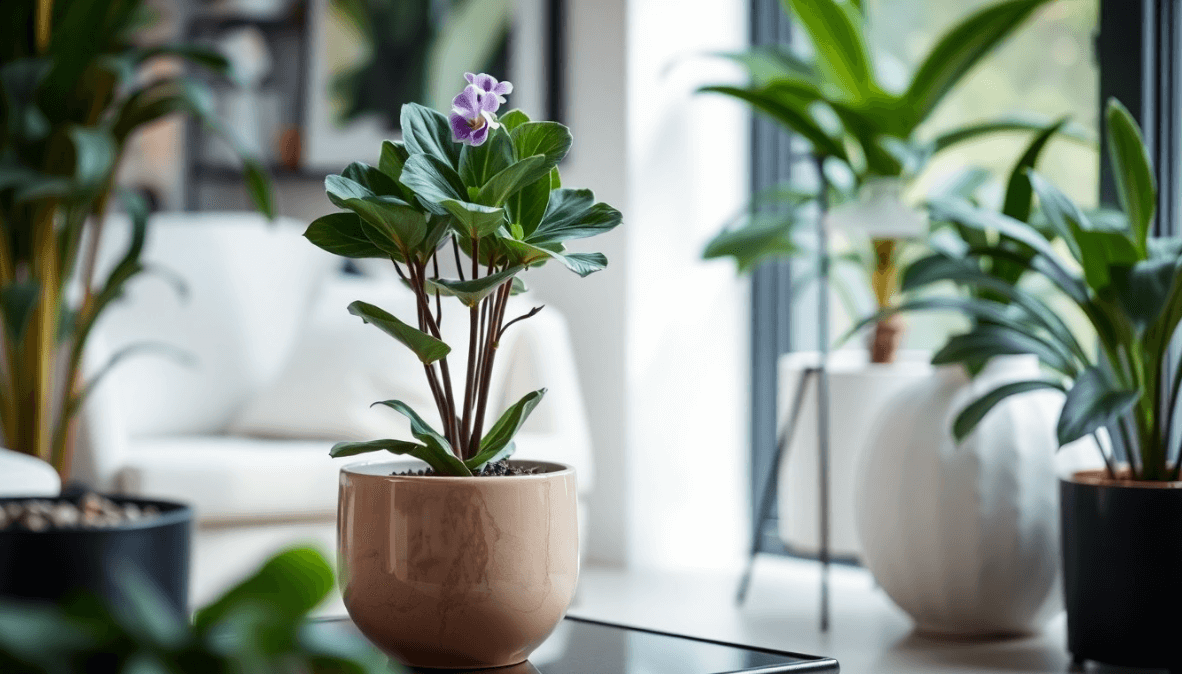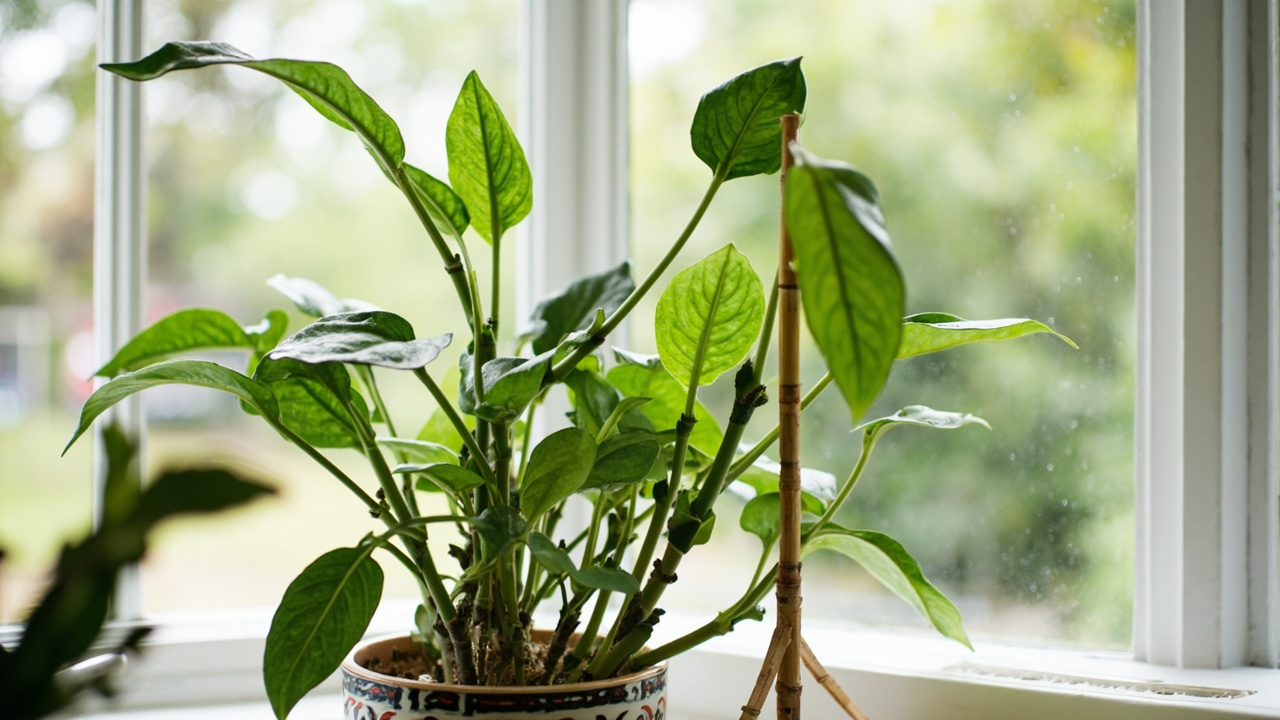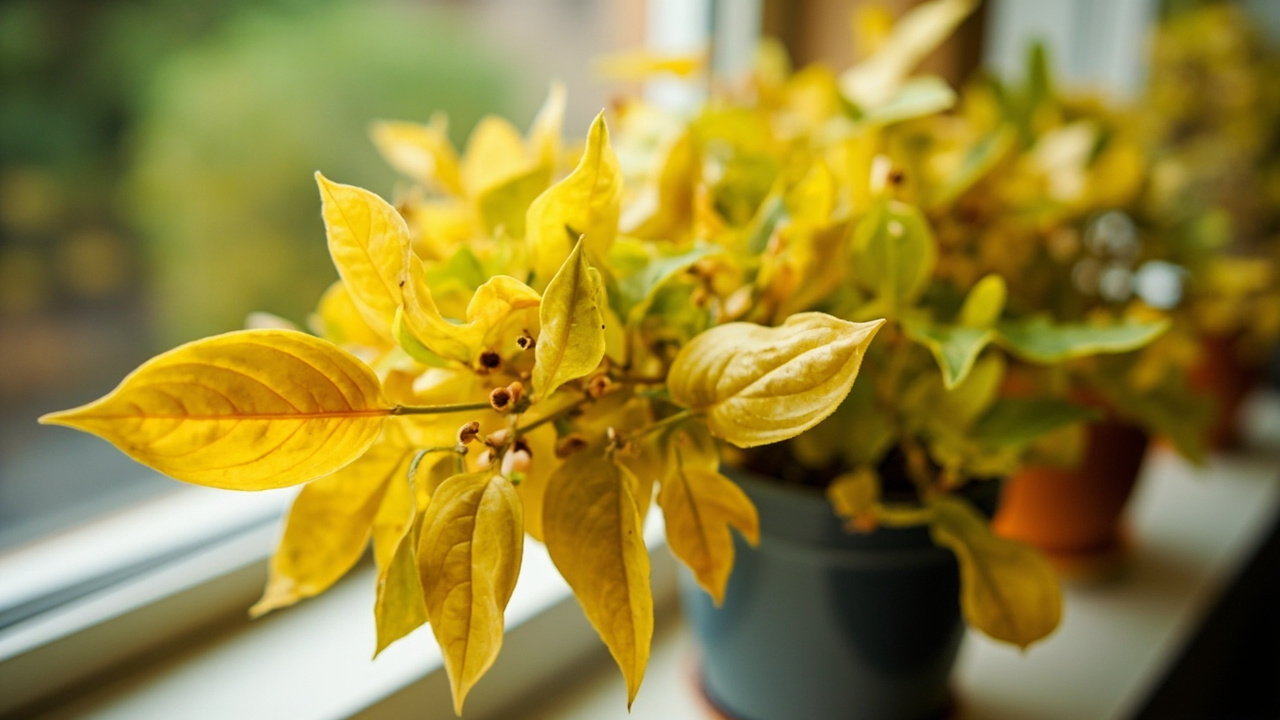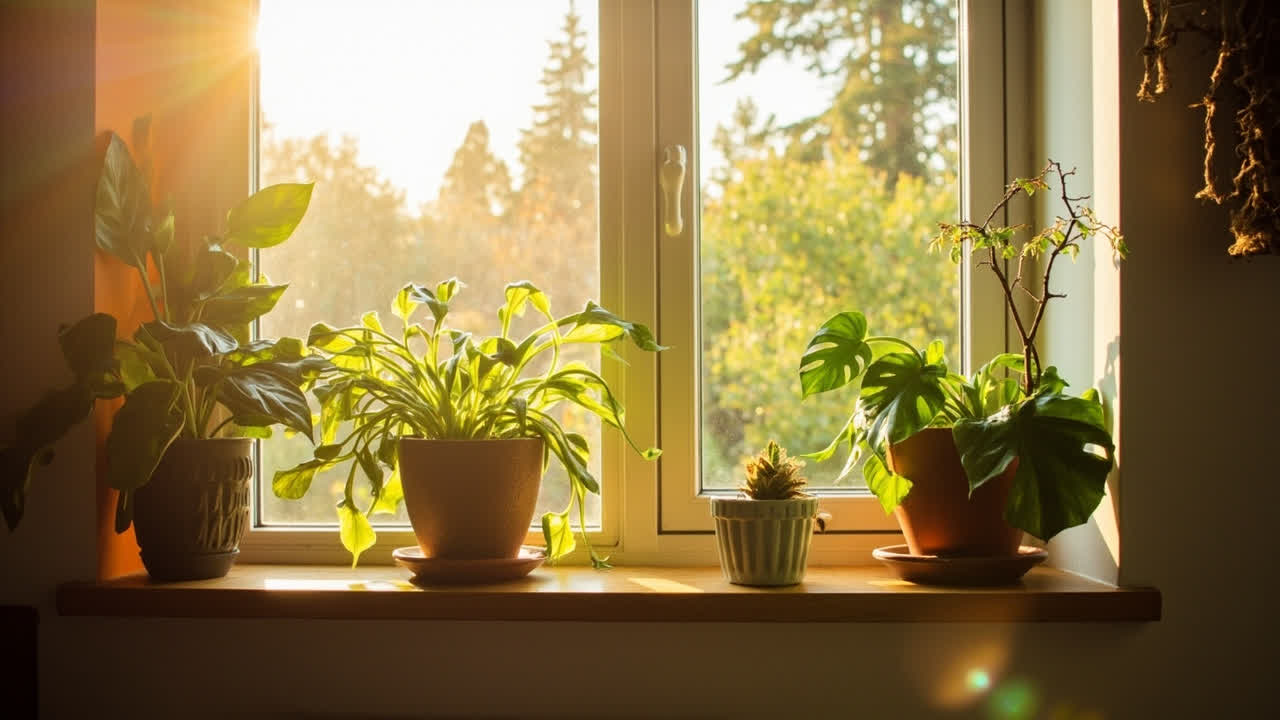

East-facing windows get gentle morning sun followed by shade in the afternoon — a light condition that suits more houseplants than most plant lists acknowledge.
If you want to know which best plants for east facing windows actually thrive in this window orientation and why the morning sun matters, read on.
The key difference between east-facing windows and other orientations is timing.
Morning sun arrives at a low angle, carries less intensity than afternoon sun, and the air is still cool — meaning your plant’s leaves don’t overheat even when direct rays hit them briefly.
That narrow window of low-angle, cool-temperature light is actually the ideal condition for a wide range of common houseplants that most people assume need either full shade or bright indirect light all day.
What most plant recommendation articles skip is the why. They give you names without explaining the mechanism behind what makes east light different, and without telling you what specifically goes wrong when you put the wrong plant in that window.
That gap is where most people spend money on plants that slowly decline without obvious cause.
Here is what works, what fails, and what to arrange before you buy anything for your east-facing window.
What Makes East-Facing Windows Different
Sunlight in an east-facing window arrives during the first half of the day — roughly 6am to noon depending on your season and latitude.
That light comes at a low angle that passes through more atmosphere before hitting your plant’s leaves, reducing UV intensity compared to the nearly vertical midday sun from a south-facing window.
The temperature inside your home is still cool in the morning hours, which means even a plant sitting in direct rays isn’t experiencing the heat stress that afternoon sun on a west-facing window would create.
This combination — direct sun without heat stress — is the specific condition that makes east-facing windows uniquely flexible.
Plants that need bright indirect light can handle the direct morning session here without burning the way they would under three hours of south or west afternoon sun.
Plants that tolerate low light can sit back from the glass and receive the gentle morning fillip that keeps them growing without being pushed into full shade.
The practical consequence: your east-facing window isn’t a low-light spot, and it isn’t a full-sun spot. It is a moderate bright spot with a two-to-four-hour window of direct morning light.
That distinction is the entire basis for plant selection here.
Plants That Thrive in East-Facing Windows
Each plant in this section has a specific reason why east-facing windows work well for it — and one specific warning about what goes wrong if you put it in the wrong window orientation.
Pothos : The Workhorse
Pothos is the plant most people default to when they need something that survives neglect. What they miss is that pothos actually performs significantly better in an east-facing window than in a dark corner. The direct morning light activates growth hormones that stay dormant in low-light conditions, producing faster vine extension and more vivid variegation on cream-streaked varieties like Marble Queen.
In an east window, pothos will push out new leaves every three to four weeks during growing season — a pace that signals the plant is genuinely thriving, not just surviving. In a north-facing room with no supplemental light, the same pothos plant will produce smaller, darker leaves and grow noticeably slower.
The failure case: moving pothos from an east window to a south or west window unprotected. The afternoon sun in those windows is intense enough to bleach or scorch pothos leaves, causing pale patches that look like sunburn. If you want to experiment with a brighter spot, introduce it gradually over two weeks rather than moving it directly.
For full pothos care specifics — watering rhythm, propagation, and soil preferences — check out our pothos care guide.
Snake Plant : The Tolerator
Snake plant carries a reputation as an ultra-low-light survivor, which makes east-facing windows sound like overkill. The reality is more nuanced. Sansevieria varieties like Starfish and Moonshine actually develop stronger, more upright leaf structure when they receive periodic direct morning sun — the light triggers denser cell development in the leaves that makes them less prone to splitting or drooping.
The common assumption that snake plant burns in east windows is largely misplaced. Brief direct morning sun at a low angle does not concentrate enough UV energy to damage the thick, waxy leaf surface of most Sansevieria cultivars. What does cause problems is placing snake plant in a south window where afternoon sun hits the same thick leaves continuously — the prolonged heat buildup can cause internal tissue damage that shows up as soft, sunken spots days later.
In your east window, expect your snake plant to grow incrementally faster in spring and summer compared to a shaded corner, with leaf color that stays truer to the variety’s original form. Growth will still be slow — snake plant is not a fast grower anywhere — but the plant will look healthier, not just larger.
For more on snake plant care routines, see our snake plant care guide.
Spider Plant : The Bright Spot
Spider plant is the plant most people treat as a shade-tolerant no-brainer — but it is also one of the few houseplants where the east window actually brings out the qualities that make it worth growing. Variegated spider plant (Chlorophytum comosum ‘Vittatum’) kept in an east window develops more pronounced white stripe contrast and is more likely to produce flowers and baby runners during active growth months.
The reason is photoperiod sensitivity. Spider plant uses the quality of morning light as a growth signal — the red-to-far-red light ratio in early morning sun is different from midday light, and spider plant’s phytochrome system responds to that signal by activating reproductive growth (flowers and plantlets). A spider plant sitting three feet back from a north window will survive. A spider plant in an east window will reproduce.
What goes wrong: moving spider plant to a south window for maximum brightness. Too much direct afternoon sun causes the white or cream stripes to scorch brown at the edges — the thin leaf tissue at the margins is the most vulnerable part. If you want to experiment with brighter conditions for your spider plant, the east window is the safe boundary.
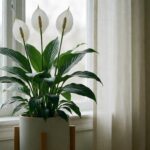
Peace Lily : The Bloom Keeper
Peace lily is the plant most people assume is purely a shade lover, which is why it is also the plant most frequently placed in dark corners where it never blooms. The real preference of Spathiphyllum is moderate indirect light with some protection from intense afternoon rays — exactly what an east-facing window provides in the morning.
In an east window, peace lily holds its blooms for significantly longer than in low-light conditions. The direct morning light provides enough energy for the plant to maintain its spathes (the white modified leaves usually called flowers) without the heat stress that causes them to wilt prematurely. In a north room, a peace lily will typically produce smaller, shorter-lived blooms — or no blooms at all.
The trade-off: peace lily in an east window needs more frequent watering than in a shaded spot. The direct morning light, even brief, accelerates transpiration enough to dry the soil faster. Check the potting mix every two to three days during warm months rather than following a fixed weekly schedule.
If you have been keeping peace lily in a dark room and wondering why it looks healthy but never blooms, the answer is almost always insufficient light — and an east-facing window is the most likely fix in most apartment layouts.
Monstera : The Moderate Brightness Seeker
Monstera deliciosa is frequently labeled as a “bright indirect light” plant that needs consistent illumination all day. What gets lost in that description is that the natural habitat of Monstera deliciosa is the understory of Central American rainforests — where it receives filtered, dappled morning light, not sustained direct sun and not deep shade. An east-facing window simulates that condition better than almost any other window orientation in a typical home.
The practical result: a Monstera in an east window will develop the characteristic split leaf pattern (fenestrations) earlier and more reliably than one kept in a north-facing room. The light quality — low-angle morning sun followed by afternoon shade — provides enough energy for large leaf development without the intensity that would cause the yellowing and tip burning associated with too much direct exposure.
What goes wrong: putting Monstera in a south or west window unprotected. The afternoon sun in those orientations is intense enough to cause rapid yellowing across entire leaves within days. If your east window gets more direct sun than expected — for example, because a nearby building reflects additional light — you will see the difference in your Monstera within a week as the newest leaf starts to yellow from the margins inward.
ZZ Plant : The Low-Maintenance Option
ZZ plant has become the go-to recommendation for people with dark rooms and minimal time, and that reputation is well-earned. What is less known is that ZZ plant handles direct morning sun in an east window without complaint — and actually benefits from it. The thick, waxy Zamioculcas zamiifolia leaves store enough water to buffer brief direct sun exposure, and the rhizomes beneath the soil regrow quickly even if a leaf does receive minor stress.
The common assumption that ZZ plant needs to be kept in deep shade at all times comes from confusion about what “low light” means for houseplants. ZZ plant tolerates low light — meaning it survives there. But it grows more vigorously and produces new stems more reliably when it receives at least some bright light, including the gentle direct morning session from an east window.
The honest limitation: ZZ plant in an east window grows slowly everywhere. Even under ideal conditions, expect two to four new stems per year maximum. If you are looking for fast visual results, ZZ plant is not the right choice regardless of window orientation.
Plants to Avoid in East-Facing Windows
These plants will genuinely struggle in east-facing windows — not because the windows are bad, but because these plants need conditions that east windows don’t provide.
Succulents and cacti need prolonged direct sunlight — typically six or more hours of sustained, unobstructed sun — to maintain compact growth and vivid color. East-facing windows provide two to four hours of direct sun at most, which is enough to keep most succulents alive but not enough to prevent them from stretching (etiolation) toward the light. A jade plant in an east window will become leggy and lose its compact rosette form within a few months. If you want succulents that look like they belong in a bright window, south or west-facing windows are the appropriate orientation.
Bird of Paradise (Strelitzia reginae) is frequently recommended as a dramatic houseplant for bright spaces, but the “bright spaces” recommendation usually means south or west windows — not east. Bird of Paradise needs sustained direct sun to maintain its large, paddle-shaped leaves in good condition. In an east window, the plant will slowly produce smaller, thinner leaves that are more prone to tearing, and it will not bloom. For Bird of Paradise, the east window is a frustrating half-measure that produces a larger version of a shade-grown plant rather than the dramatic specimen the species is known for.
String of Pearls and other trailing succulents share the same constraint: they need more hours of direct sun than an east window provides. String of Pearls kept in an east window will survive for months but will gradually lose its compact, beaded form as the stems elongate and thin in search of more light.
For plants that genuinely prefer low light conditions and will thrive away from bright windows, see our low light plants guide.
How to Arrange Your East-Facing Window
Placement within the window matters almost as much as plant selection. The difference in light intensity between a plant sitting on the glass and one sitting two feet back can be substantial — roughly 50% less light intensity at that distance in the first few hours after sunrise.
For plants that handle direct morning sun well (pothos, snake plant, ZZ plant), position them within six inches of the glass during the morning hours. During spring and summer, you will see the difference in growth rate and leaf color within a month compared to plants placed further back in the room.
For plants that prefer filtered light (Monstera, peace lily), place them 12 to 24 inches back from the glass, or use a sheer curtain as a buffer during peak morning hours. This arrangement provides enough light for healthy growth without triggering the heat stress response that causes leaf damage.
Rotate plants on a two-to-three week cycle, turning pots 90 degrees each time. This prevents the asymmetric growth that happens when plants lean toward the light source — a common issue with east-facing windows where light comes from one direction for most of the morning session.
After arranging your plants, monitor them for the first two to four weeks. New growth appearing at the tips is the first signal that the plant has adapted well. Yellowing leaves or bleached patches appearing within two weeks indicate the plant is receiving too much direct light for its tolerance — move it further from the glass or add a sheer curtain.
East-Facing Windows Across the Seasons
Light conditions in east-facing windows shift across the year in ways that matter for plant health. In summer, the sun rises earlier and reaches a higher angle faster — meaning the direct morning sun period may shorten while intensity increases. In winter, the sun angle is lower and the direct light period extends later into the morning, sometimes until noon or beyond in southern latitudes.
This seasonal variation means a plant that thrives in your east window in autumn may need adjustment by January. Plants that are fine at the glass in summer may need to be pulled back a foot or two in December to avoid the slightly more intense low-angle winter sun hitting directly through the glass. Conversely, in summer, plants that prefer filtered light may need to be moved further from the glass as the sun angle steepens and the direct session becomes brighter.
The practical framework: assess your east window light every three months — once at each seasonal transition. Make small adjustments (moving a plant a few inches further from glass, or adding a sheer curtain during summer mornings) rather than waiting until a plant shows visible stress.
For most of the plants covered here, the seasonal variation in east window light is manageable without grow lights. The one exception is Monstera during winter in homes with very poor natural light — a south-facing window or a simple grow light becomes necessary when natural east window light drops below the threshold needed for continued growth.
Best Plants for East-Facing Windows: Your Quick Reference
| Plant | Why It Thrives Here | Watch For |
|---|---|---|
| Pothos | Direct morning sun activates growth; vivid variegation | Burning if moved to south/west window unprotected |
| Snake Plant | Brief direct sun doesn’t burn thick leaves; denser growth | Slow growth everywhere — not a fast grower |
| Spider Plant | Morning light triggers flowering and plantlet production | Edge scorching in south/west afternoon sun |
| Peace Lily | Moderate light keeps blooms lasting longer | More frequent watering in direct morning light |
| Monstera | Filtered morning sun mimics natural understory conditions | Yellowing from too much afternoon sun in other windows |
| ZZ Plant | Tolerates brief direct sun; grows more vigorously with light | Very slow growth even under ideal conditions |
Best Plants for East-Facing Windows
The plants on this list share a common trait: they are all plants that can handle brief direct morning sun without the leaf damage or stress response that would occur under sustained afternoon sun in a south or west window.
That tolerance is the specific feature that makes east-facing windows work for them — and it is the feature most plant recommendation lists fail to explain.
Your east-facing window is more versatile than most people realize. The plants above will show you the difference between surviving and thriving in that specific light.
Turn any PDF statement into a clean sheet
Skip the typos and the hours of copying. Our converter handles any bank statement format and outputs Excel, CSV, or QBO for QuickBooks. No file retention, free to try.
Convert your statement