Feed Alocasia with a balanced liquid fertilizer at half strength every two to three weeks during the growing season, and stop entirely during winter dormancy. That is the short version. The details — what ratio to use, how to adjust for dormancy, and what nutrient problems look like — determine whether you are feeding the plant or stressing it.
Alocasia is a moderate feeder, not a heavy one. It grows from corms and produces large leaves quickly during warm months, which requires a steady supply of nitrogen, phosphorus, potassium, and trace elements. But unlike plants that need constant high-nitrogen feeding, Alocasia can easily be over-fertilized. Salt buildup from excess fertilizer damages roots, creates brown leaf tips, and can kill the corm outright. Less is more with this plant, and timing matters as much as quantity.
Most of the problems people attribute to “bad luck” with Alocasia are actually nutrient problems — either deficiency from underfeeding a large plant in a small pot, or burn from over-concentration. The difference is visible once you know what to look for, and both are preventable with a simple seasonal schedule.
What to Feed Your Alocasia
A balanced liquid fertilizer with an NPK ratio of 10-10-10 or 20-20-20 is the right choice for Alocasia. The equal ratio matters because the plant needs all three macro-nutrients in proportion — nitrogen for leaf green and growth rate, phosphorus for root and corm development, and potassium for overall cell function and disease resistance. An unbalanced high-nitrogen fertilizer produces large leaves quickly but weakens stems and root systems over time.
Dilute to half the strength recommended on the label for most liquid fertilizers. A full-strength feeding is too concentrated for Alocasia’s relatively modest root system. For a typical 10-10-10 liquid fertilizer, that means roughly one-quarter teaspoon per gallon of water, or whatever dilution brings the final solution to approximately 100–150 ppm nitrogen. Some growers prefer a slightly higher phosphorus ratio (such as 10-8-10) during the active growing season to support root development alongside foliage. For a complete picture of Alocasia care, see the Alocasia care guide.
Growing Season Schedule (March through September)
During the active growing season, feed every two to three weeks. The exact interval depends on how fast your plant is growing and the temperature of your space. A vigorously growing Alocasia in a warm, bright room benefits from the more frequent end of that range — every two weeks. A slower-growing plant in moderate conditions can go three weeks between feedings without any loss in health.
- Every other watering: Some growers prefer to feed at every second watering rather than on a fixed calendar. This approach naturally adjusts for seasonal changes — in winter, you are watering less frequently, so you are automatically feeding less.
- Moist soil only: Never feed a dry Alocasia. Always water first, then apply diluted fertilizer to moist soil. Applying fertilizer to dry substrate burns roots directly.
- Flush monthly: Once a month, water heavily with plain water to flush accumulated salts from the soil. This is especially important if you notice any browning at leaf tips, which is a common early sign of salt buildup.
From PDF to Excel in one click
Forget retyping line by line. Upload any bank statement, get a spreadsheet you can actually use. Your files are never stored, and you can test the converter with 3 free conversions.
Try it freeWinter and Dormancy Feeding
When temperatures drop and light decreases in autumn, Alocasia naturally slows its growth and many varieties enter dormancy. The plant signals this by dropping leaves or stopping new growth entirely. When this happens, stop fertilizing. A dormant Alocasia has no active metabolism to process nutrients, and the fertilizer salts accumulate in the soil with no plant to consume them.
For temperature tolerance context: Alocasia enters dormancy below approximately 60°F (16°C) or when daylight hours shorten significantly. A plant in a temperature-controlled room that stays warm year-round may not go fully dormant but will still slow its growth rate and need less frequent feeding.
Signs of Nutrient Problems
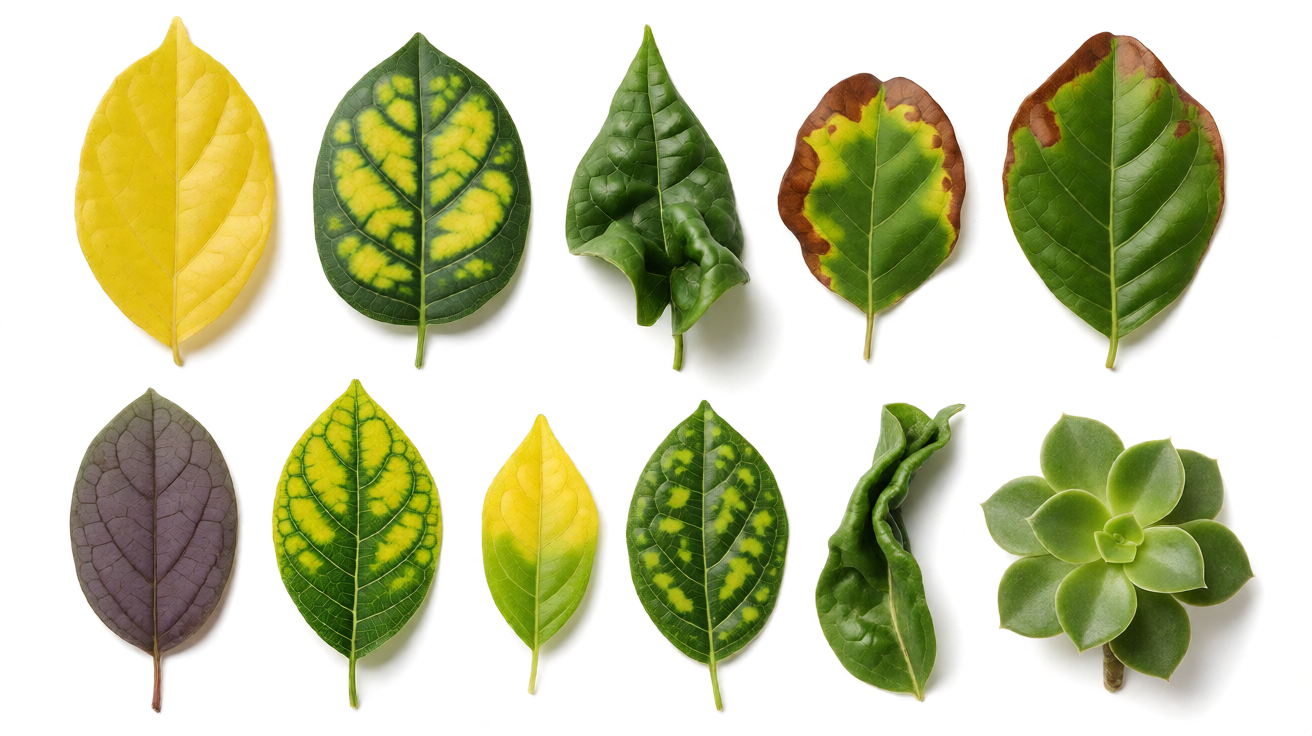
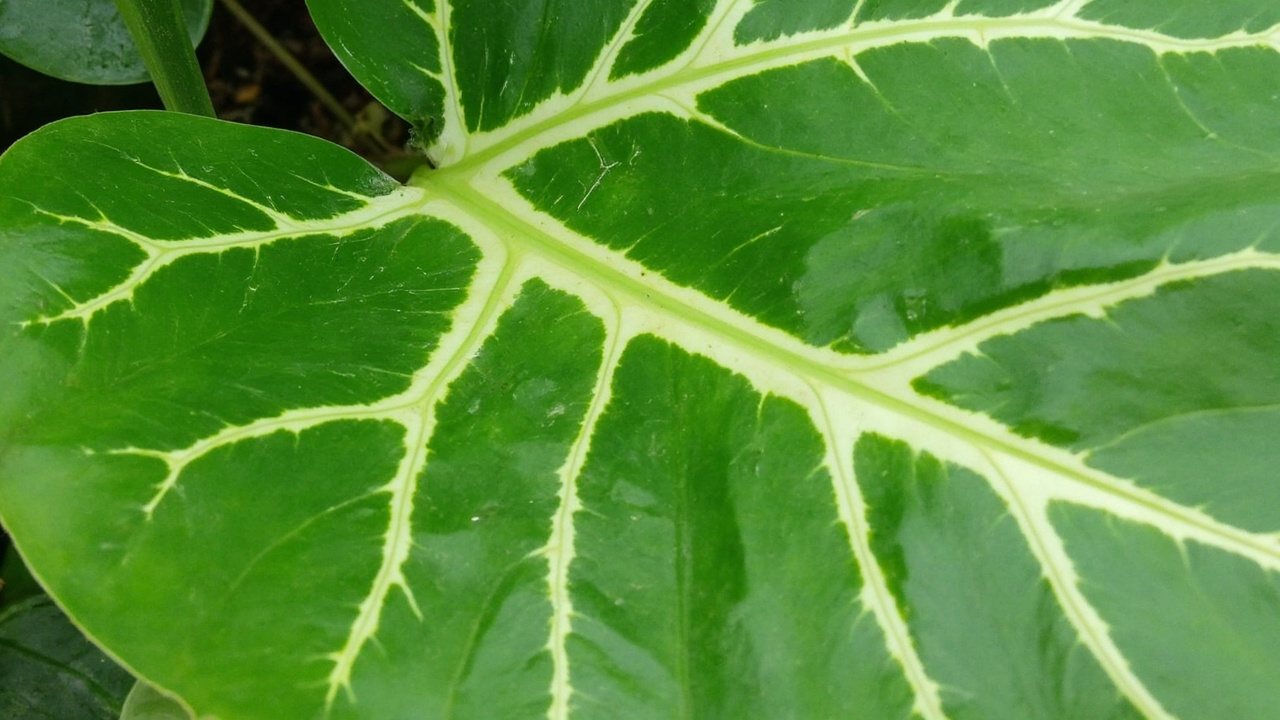
Nutrient burn from over-fertilizing is the most common feeding problem with Alocasia. The symptoms are distinctive: brown leaf tips and edges, often with a yellow or pale zone between the green leaf and the brown damage. The damage starts at the tips and works inward along the margins. In severe cases, the entire leaf turns yellow, then brown, then dies. Root damage accompanies the visible leaf symptoms — the fine root hairs are burned by salt accumulation.
- Brown leaf tips with yellow halos: Classic fertilizer burn. Caused by salt buildup in the soil from over-concentration or from feeding a dry plant.
- Stunted growth with small, pale leaves: Possible nitrogen deficiency. The plant is alive but not growing vigorously. Often seen in large plants that have not been repotted or fed in over a year.
- New leaves emerging small and not unfurling fully: Often a phosphorus or potassium deficiency, especially in plants that have been heavily fed with high-nitrogen products.
- General chlorosis (yellowing) on older leaves: Nitrogen or iron deficiency moving from older to younger leaves. Common in plants that have been underwatered and underfed simultaneously.
For more on diagnosing specific symptoms you see on your plant, see Alocasia problems.
Fertilizer and Soil Together
Fertilizer does not work independently of soil. An Alocasia growing in a dense, poorly draining mix cannot use fertilizer efficiently because the saturated conditions prevent roots from accessing oxygen — and without oxygen, roots cannot absorb nutrients even when they are present. Similarly, a soilless mix that dries out too fast between waterings creates a feast-or-famine cycle where the plant cannot take up nutrients consistently.
The ideal approach is a well-draining, aerated potting mix — typically a blend of potting soil, perlite, and orchid bark or coco coir — that holds some moisture but drains freely. In this mix, fertilizer salts stay dissolved in the soil solution long enough for roots to absorb them, and any excess drains away rather than accumulating around the roots. See the soil requirements for Alocasia for the full recommended mix.
The honest trade-off: in a high-quality, fast-draining mix, you may need to fertilize slightly more frequently than in a denser mix, because nutrients leach out faster. There is no perfect balance — you are managing a trade-off between root health (which prefers drainage) and nutrient availability (which prefers retention).
Practical Feeding Routine
For the Alocasia owner who wants a simple, reliable routine:
- Choose a balanced liquid fertilizer (10-10-10 or 20-20-20).
- Dilute to half the label strength every two weeks during active growth (roughly March through September).
- Water with plain water first, then apply diluted fertilizer to moist soil.
- Once a month, flush with plain water to prevent salt buildup.
- Reduce to every four to six weeks or stop entirely when growth slows in autumn.
- Do not resume feeding until you see new growth resuming in spring.
For the watering approach that pairs best with this feeding schedule, see the Alocasia watering schedule. Consistent watering prevents the feast-or-famine cycle that disrupts nutrient uptake.