Gooseberries and currants share — both are deciduous shrubs in the Ribes genus, with European and American species the same genus and look similar in the nursery, but they demand fundamentally different pruning, disease management, and harvest strategies. A gardener who plants a blackcurrant expecting gooseberry-style spur pruning will lose half the crop to incorrect cuts. A gardener who plants a gooseberry expecting currant-level mildew resistance will be spraying every 10 days by June. The two crops are not interchangeable — and choosing the right one for your space, climate, and tolerance for ongoing work is the decision that determines whether your Ribes planting succeeds or becomes a neglected thicket.
Below: a side-by-side comparison of growth habit, fruit and flavour, chill-hour requirements, disease pressure, pruning complexity, and a scenario-based decision matrix. By the end you will know which species fits your garden — and which specific cultivar to buy.
Growth Habit and Plant Structure
The gooseberry bush is an upright to spreading deciduous shrub reaching 1.2 to 1.5 metres tall and wide at maturity. Canes are thick, arching, and armed with sharp single or double thorns at nearly every node — thorns that reach 1 to 2 centimetres and penetrate standard garden gloves. The dense, thorny canopy makes harvesting and pruning a deliberate, glove-and-long-sleeves operation. Unpruned bushes become impenetrable spheres of tangled, diseased wood within three years.
Red currant (Ribes rubrum) is a slightly smaller multi-stemmed shrub, 1.0 to 1.3 metres tall, with no thorns. Its natural habit is more open than gooseberry, with upright to slightly arching stems that are easy to reach into for pruning and picking. The absence of thorns is the single most noticeable daily difference for the grower — red currants can be harvested bare-handed in minutes.
Blackcurrant (Ribes nigrum) is the most vigorous of the three, producing a upright bush 1.2 to 1.5 metres tall with strong annual basal shoots that replace older canes. Like red currant, it is thornless. The key structural difference is its habit of throwing up new shoots from the crown every year — a renewal pattern that blackcurrant pruning exploits but that requires annual attention to prevent overcrowding.
The practical implication for placement is significant. Gooseberry thorns make these bushes unsuitable for narrow paths, play areas, or anywhere you will brush against them regularly. Position gooseberries at the back of a fruit bed or in a dedicated berry area. Red and black currants can go closer to edges and paths without creating a hazard. In containers on a patio, currants are the more visitor-friendly choice.
All three species grow well in 40-litre containers or larger. Gooseberry in a pot needs careful positioning — a thorny bush at elbow height on a narrow balcony creates daily irritation. Currants in containers are accessible from all sides and easier to move for seasonal sun adjustments. For the full planting protocol including container prep and spacing, see the complete gooseberry plant care guide.
Flavor, Fruit, and Harvest Differences
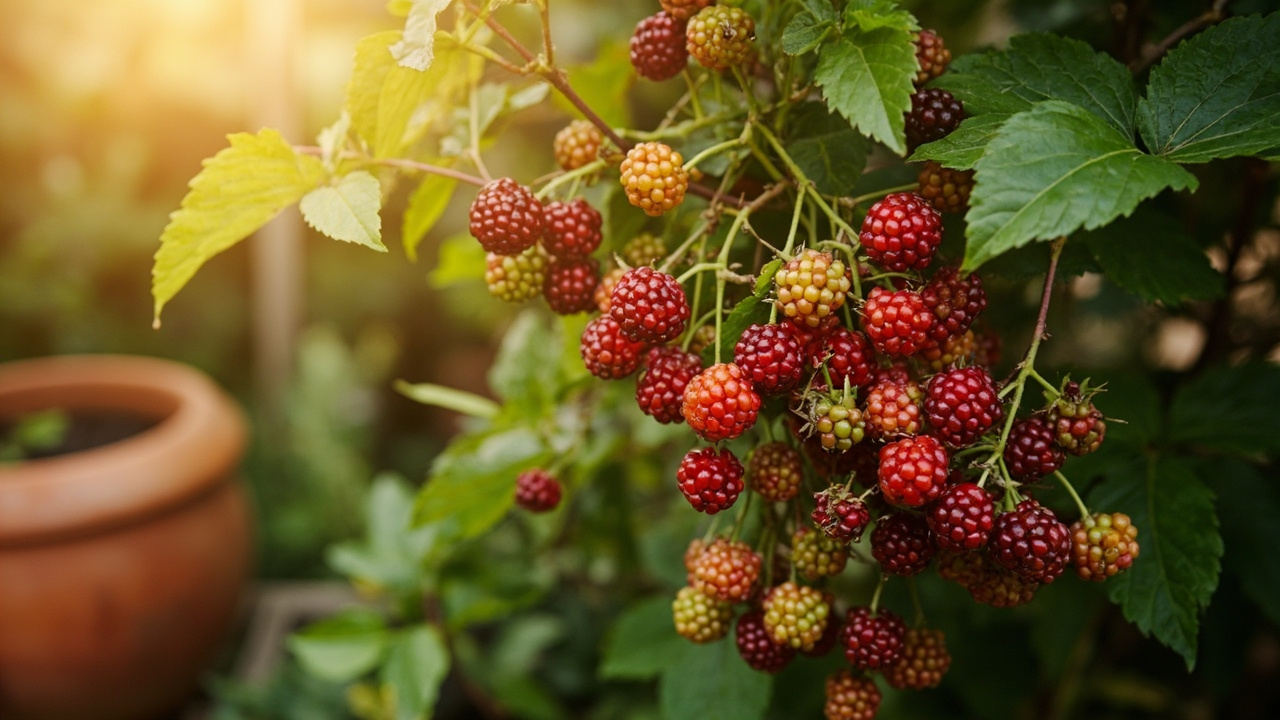
Gooseberry fruit is the largest of the three — individual berries 3 to 6 millimetres across, borne singly or in pairs on short spurs along the cane. Colour ranges from green (Invicta, Careless) to red (Captivator, Leveller) to near-purple (Jubilee) depending on cultivar. Ripe gooseberries are tart-sweet with a translucent skin and firm texture. Harvest extends over four to six weeks as berries ripen progressively from the sun-exposed outer canopy inward.
Red currants produce small berries in hanging racemes — 8 to 12 berries per strig, each 8 to 10 millimetres, bright translucent red when ripe. The flavour is sharply tart with minimal sweetness; red currants are primarily culinary fruit for jams, jellies, and sauces rather than fresh eating. The entire raceme is picked at once when the lowest berries are fully coloured, which makes harvest fast — a mature bush can be stripped in 15 minutes.
Blackcurrants carry small berries in shorter racemes, deep purple-black when ripe, with a strong aromatic flavour that is unmistakable — high acid, high sugar, and a volatile compound profile that makes blackcurrant one of the most distinctive fruit flavours. Blackcurrants have the highest vitamin C content of the three Ribes species. Harvest by picking the entire raceme when all berries are fully black and slightly soft to the touch.
The thorn factor at harvest is the practical divider. Gooseberry picking requires long sleeves, sturdy gloves, and patience — the thorns catch on clothing and skin at every reach into the canopy. Currant picking is bare-handed work. A gooseberry harvest that takes 30 minutes with gloves takes 10 minutes for an equivalent currant crop. Over a season and years of harvesting, this difference shapes the daily experience of growing each crop.
Yield from a mature bush in good soil: gooseberry 3 to 5 kilograms, red currant 2 to 3 kilograms, blackcurrant 4 to 5 kilograms. Blackcurrant produces the most fruit by weight; gooseberry produces the most fruit by volume per berry. For a household wanting fresh eating, gooseberry wins. For preserves and freezing, blackcurrant gives the highest return per square metre. If you are choosing your first gooseberry cultivar, the gooseberry varieties guide covers the top cultivars for flavour, yield, and disease resistance.
From Bank Statement to QuickBooks-Ready File
That manual cleanup you just read about? This tool skips it. Turn your PDF into QBO for QuickBooks without storing your data anywhere.
Start ConvertingClimate Needs and Chill Hour Requirements
Chill hours — the cumulative hours below 7 degrees Celsius during winter dormancy — determine whether a Ribes species will break bud normally and set fruit. Each species has a minimum threshold, and planting below that threshold produces a bush that leafs out late, flowers erratically, and sets little or no fruit.
. Excellent drainage is essential — waterlogged soil invites root rot. Full sunlight produces the sweetest fruit. They thrive in slightly acidic soil with a pH of 5.5 to 6.5
Gooseberry requires 400 to 800 chill hours, making it the most winter-flexible of the three for temperate and warm-temperate climates. It fruits reliably in USDA zones 3 to 8 and can be grown in subtropical highlands with sufficient winter cool. Gooseberry struggles in tropical lowland conditions where winter temperatures stay above 10 degrees Celsius — bud break is uneven and fruit set is poor.
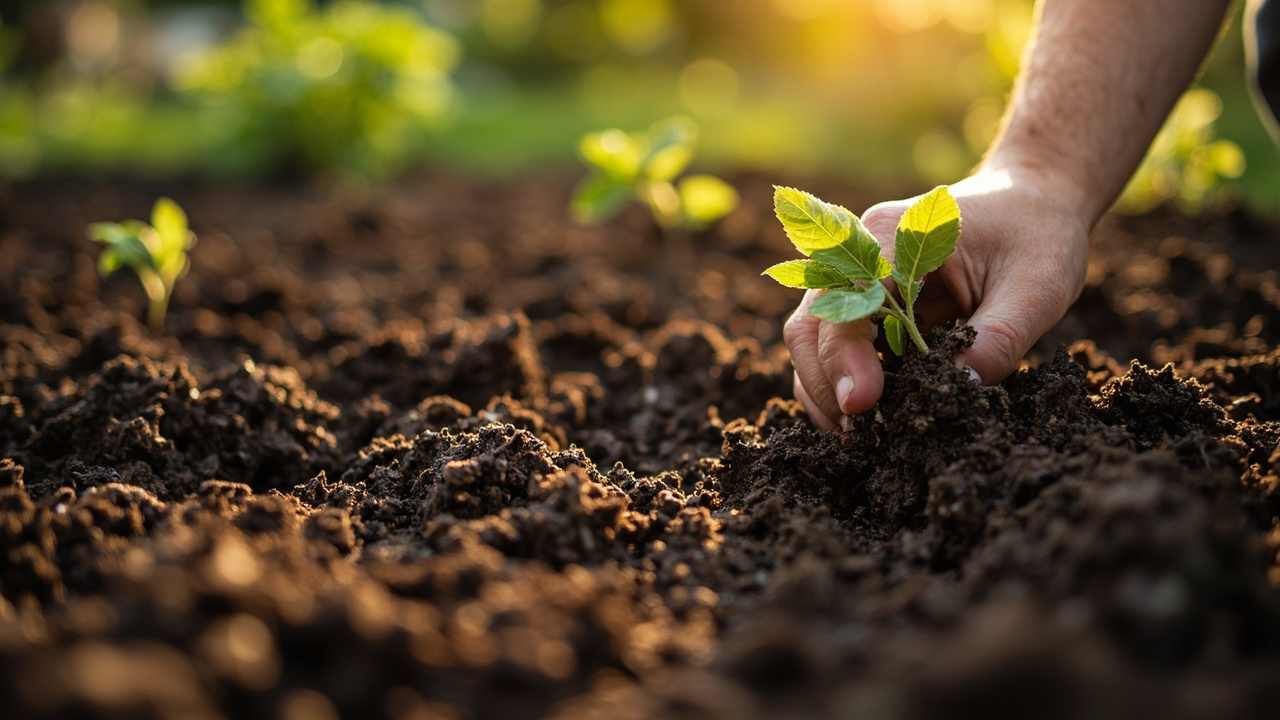
; incorporate leaf mould or other organic matter to boost soil biology; mix in aged compost at planting to improve soil structure
. This biennial bearing pattern means heavy crops one year suppress the next
; adjust watering frequency as temperatures shift. Keep the root zone consistently moist during dry spells
Blackcurrant is the most cold-demanding: 800 to 1000 chill hours minimum. It needs a proper winter and fails to fruit reliably in zones 8 and 9. If you live in a warm-winter climate, blackcurrant is likely the wrong choice regardless of how much you enjoy the flavour. High-elevation tropical sites with cool winters can succeed, but lowland subtropical plantings almost always disappoint.
Red currant is the most adaptable: 300 to 600 chill hours. It fruits in zones 3 through 8 and tolerates milder winters than either gooseberry or blackcurrant. For gardeners in borderline climates — zone 7b to 8a — red currant is the safest Ribes choice. Oregon State University Extension recommends red currant for Pacific Northwest coastal areas where winter chill is insufficient for blackcurrant.
Summer heat tolerance differs too. Gooseberries tolerate brief periods to 35 degrees Celsius with afternoon shade and adequate soil moisture. Both currant species prefer cooler summers and may drop flowers or abort fruit above 30 degrees Celsius consistently. In hot-summer climates, gooseberry’s heat tolerance gives it an edge — but afternoon shade is non-negotiable for all three. Site selection and soil preparation are covered in the gooseberry light and soil requirements page.
Disease Resistance and Maintenance Burden
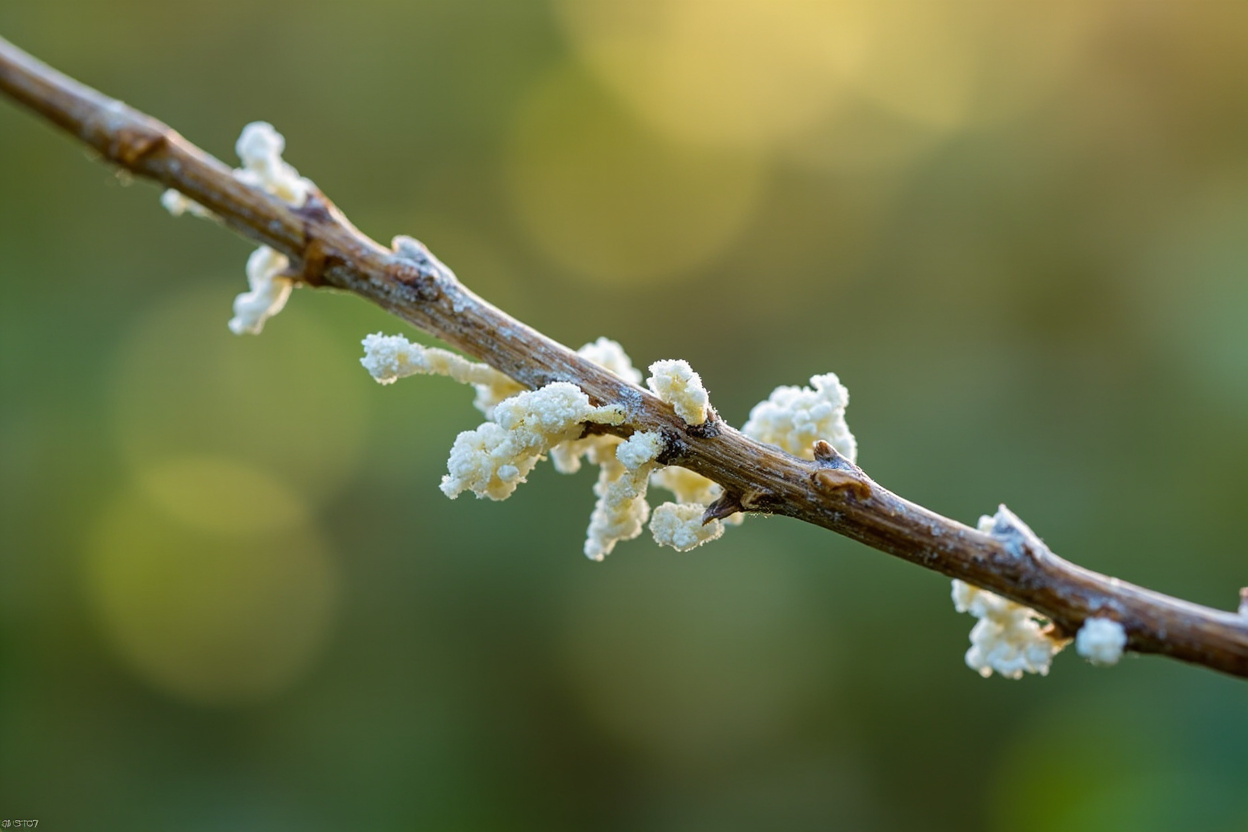
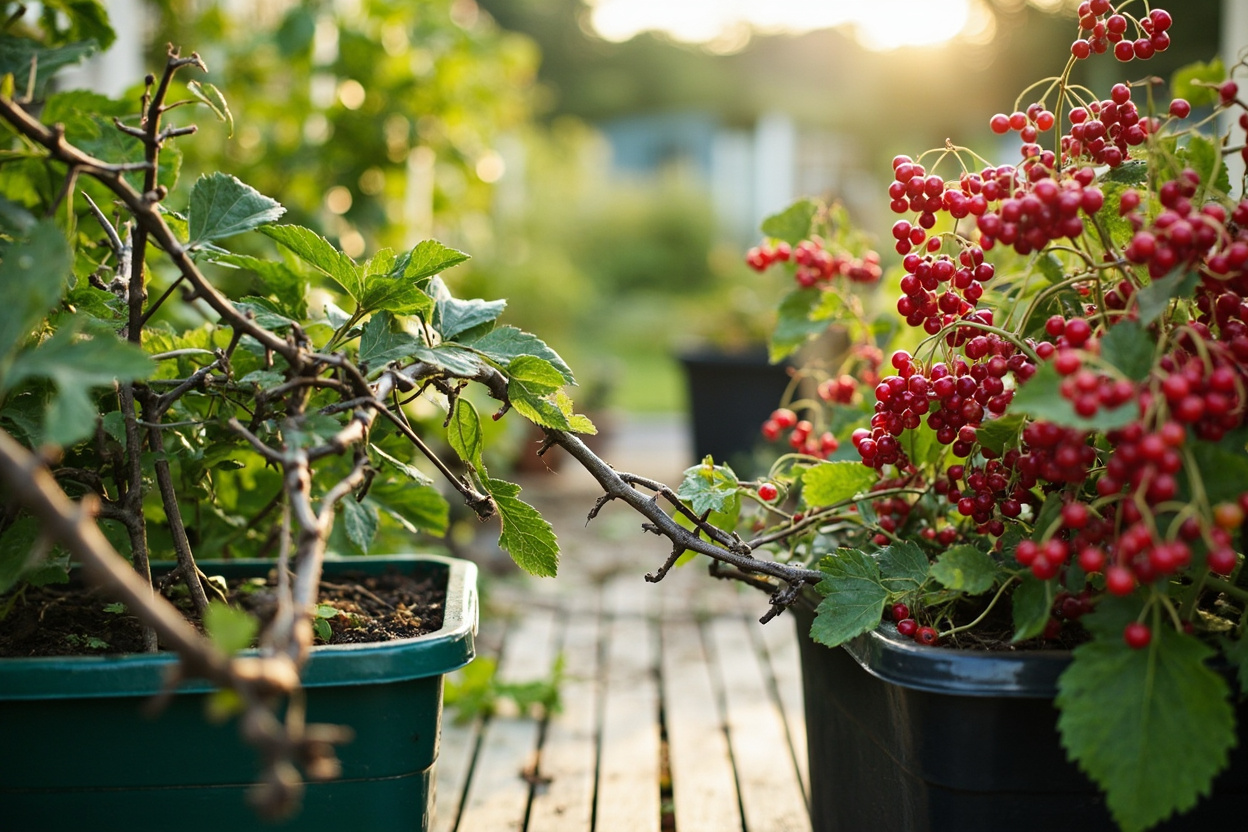
Gooseberry’s signature disease is American gooseberry mildew (Podosphaera clandestina), a systemic infection that lives inside the cane and requires physical removal of infected wood — spraying alone is insufficient. Powdery mildew (Sphaerotheca mors-uvae) is a secondary but persistent threat. Resistant cultivars like Invicta and Captivator reduce but do not eliminate the burden. A proactive gooseberry programme includes dormant cane inspection, pre-bud-break sulfur, and 2 to 3 follow-up sprays through fruit set.
. Sunscald on pale fruit is another summer risk
Red currant is the most disease-resistant Ribes species. Leaf spot and powdery mildew occur in humid conditions but rarely reach the severity seen on gooseberry. Two to three preventive sprays per season — sulfur at green-tip, potassium bicarbonate at fruit set — are usually sufficient. The RHS rates red currant as the lowest-maintenance Ribes for home gardens in temperate climates.
Blackcurrant carries the heaviest disease burden. Big bud mite (Cecidophyopsis ribis) is the most damaging pest — it vectors reversion virus, which sterilises the bush over 2 to 3 years. Leaf spot, powdery mildew, and cane blight add to the programme. Blackcurrant requires the most intensive spray schedule of the three species: dormant lime sulfur for big bud mite, spring fungicide for leaf spot, summer powdery mildew treatment, and autumn cane inspection. For a low-maintenance garden, blackcurrant is the highest-commitment Ribes.
Maintenance ranking by annual time investment: blackcurrant (highest — 6 to 8 hours per season including spraying) > gooseberry (4 to 6 hours, with thorn handling adding time to every session) > red currant (2 to 4 hours). Thorn handling is the hidden time cost of gooseberry — every pruning, harvesting, and inspection session takes roughly twice as long as the equivalent task on a thornless currant.
The lowest-maintenance combination for a home garden: Invicta gooseberry (mildew-resistant, productive) plus one red currant cultivar (Jonkheer van Tets or Rovada) in a well-spaced, open site with wood-chip mulch and good airflow. Both will produce reliable crops with four to six hours of total seasonal attention. For the specific mildew management programme that makes Invicta practical, see the gooseberry mildew disease page.
Pruning Complexity and Long-Term Management
Gooseberry pruning is the most skill-dependent of the three. The target is an open goblet shape with 6 to 8 fruiting canes aged 1 to 4 years. Spur pruning — cutting back side shoots to 2 to 3 buds — creates the fruiting spurs that crop for multiple years. Thorn protection is non-negotiable: thick gloves, long sleeves, and careful hand positioning at every cut. Annual dormant-season maintenance plus summer tipping (removing shoot tips to control size) are both required. The learning curve is real — most growers need two seasons to read the wood confidently and make good retention decisions.
— an open-center style that improves air flow
Red currant pruning uses the same spur-pruning principle as gooseberry but is simpler in practice because there are no thorns and fewer old canes to manage. Remove one-third of the oldest wood (darkest bark, lowest fruiting spurs) at the base each dormant season, leaving the strongest 1 to 3 year canes. Side shoots are shortened to 3 to 5 buds. The whole job on a mature bush takes 20 to 30 minutes once a year.
. Remove spent fruiting wood each year
. An open-center shape improves air flow and reduces mildew risk
Blackcurrant pruning uses a different logic entirely — cane renewal rather than spur pruning. Each year, remove one-third of the oldest canes (3+ years, identified by dark bark and reduced vigour) right at the crown. The gap stimulates new basal shoots that will fruit in their second year. Blackcurrant fruits primarily on 1 and 2 year wood, so the goal is constant renewal rather than maintaining a stable spur system. The concept is simpler than gooseberry spur pruning but requires the discipline to remove productive-looking canes before they become disease reservoirs.
Skill floor ranking: blackcurrant pruning is conceptually the simplest (remove old wood, keep new). Red currant adds spur-shortening to the same renewal logic. Gooseberry requires the most judgement — identifying which spurs are productive, which canes to retain for framework, and which to remove for airflow, all while working around thorns.
Long-term bush lifespan: gooseberry 15 to 20 years with proper rejuvenation pruning at year 8 to 10. Blackcurrant 10 to 15 years before productivity declines enough to justify replacement. Red currant 12 to 15 years. All three respond well to hard rejuvenation pruning if decline sets in before the expected replacement age.
Which Should You Plant? A Decision Matrix
Choose gooseberry if: you want fresh-eating berries with real fruit size, you have space for a 1.5-metre thorny bush away from paths, you are willing to manage mildew proactively with dormant cane inspection and spring sulfur, and your climate delivers 400 to 800 chill hours. Best cultivar to start with: Invicta (mildew-resistant, heavy-cropping, green dessert fruit).
; invest in bird netting before fruit ripens
Choose red currant if: you want the lowest-maintenance Ribes species, you need a thornless bush near paths or accessible to children, your winters are mild (300 to 600 chill hours), and your primary use is cooking, jam-making, or fresh eating with added sugar. Best cultivar to start with: Jonkheer van Tets (early, heavy crops) or Rovada (mid-season, large racemes).
; note that propagation by hardwood cuttings is straightforward for gooseberry. Bare root stock is cheaper and establishes faster
Choose blackcurrant if: you have cold winters (800+ chill hours), you want the highest yield and most distinctive flavour, and you are willing to manage the most intensive spray programme including big bud mite control. Best cultivar to start with: Ben Connan (mildew-resistant, large berries) or Titania (disease-resistant, heavy crops).
Can’t decide? Plant one Invicta gooseberry and one red currant (Jonkheer van Tets) in year one. Both are forgiving of beginner mistakes, productive from year two, and cover different harvest windows — gooseberry from mid-summer, red currant from early summer. After two seasons of growing both, you will know from experience whether to expand either species or try blackcurrant in year three.
Whichever species you choose, the foundation is the same: disease-resistant stock, spacing for airflow (minimum 1.2 metres between bushes), annual wood-chip mulch, and a commitment to dormant-season pruning. The species matters less than the site preparation — a well-sited red currant will outproduce a neglected gooseberry every time. When you are ready to plant, the gooseberry planting guide walks through bare-root and container planting step by step.