There is no fixed schedule for watering a Pothos. That is the most important thing to understand, and it is the reason most Pothos watering problems exist — not from forgetting to water, but from watering on a calendar that does not match what the plant actually needs.
The right time to water a Pothos is when the top 3 to 5 cm of soil are dry, regardless of whether that is five days after the last watering or fifteen. The finger test is the only reliable guide: insert your finger to the second knuckle, and if the soil feels dry at that depth, water. If it feels damp or cool, wait.
This single rule replaces the contradictory “water every X days” recommendations online. Why? Because the variables that determine Pothos water demand — light, temperature, pot size, soil mix, season, humidity — change the interval by a factor of four or more between a bright summer windowsill and a dim winter bedroom. A fixed schedule cannot hold across those conditions.
Why Pothos Watering Is Counter-Intuitive
Pothos stores water in its thick, fleshy roots and leaf stems. This means it can survive two to three weeks without water in low-light conditions — longer than most houseplants.
The plant’s ability to bounce back quickly from wilting also makes it deceptively forgiving: you can underwater it severely, it will droop dramatically, you water it, and within an hour it looks fine again. This resilience gives people the impression that Pothos does not need careful watering.
The problem is not drought — Pothos handles drought well. The problem is overwatering. Because the plant bounces back from underwatering so visibly and quickly, people tend to water again sooner than needed. The roots, which are not used to sitting in wet soil, begin to suffer. The result — root rot — is much harder to recover from than underwatering and develops much more insidiously, without the dramatic wilting that tells you immediately something is wrong.
For the full breakdown, see our houseplant watering schedule by species.
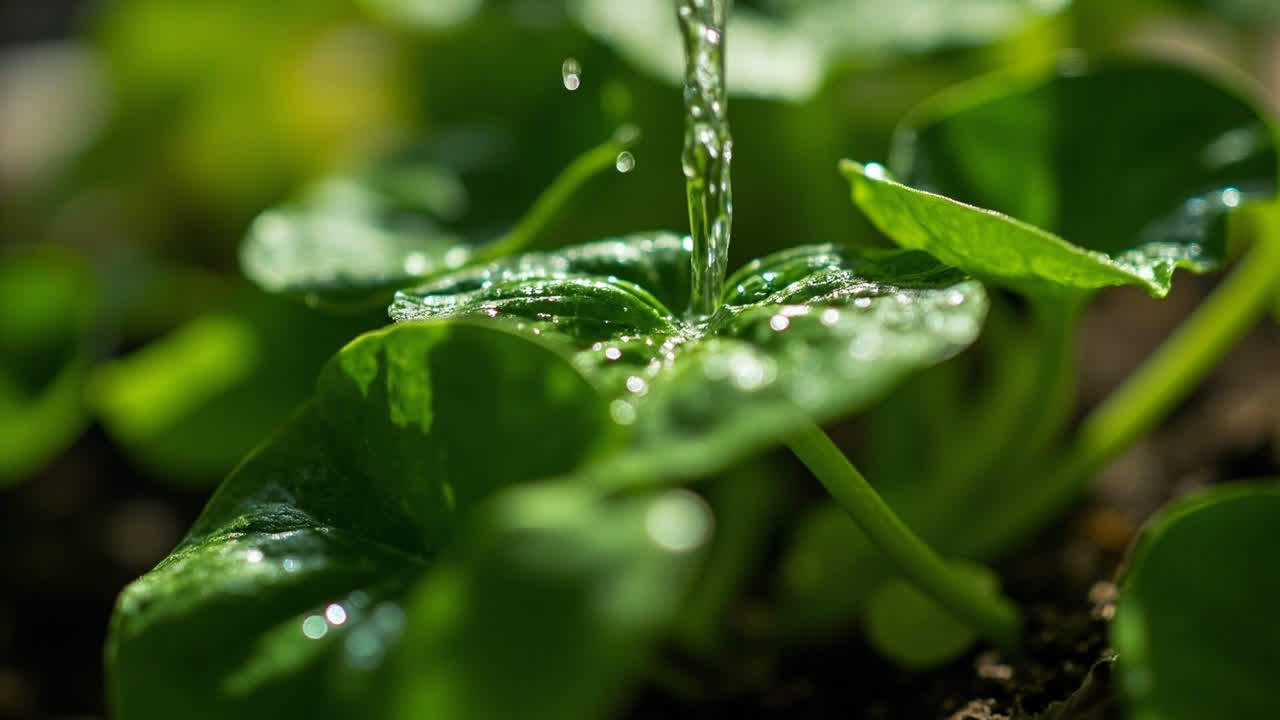
The Finger Test: Your Only Reliable Watering Guide
Insert your finger into the soil up to the second knuckle. The feeling at that depth is what matters — not the surface, not the bottom of the pot, but the second knuckle depth. If it feels dry at that point, water. If it feels damp or cool, wait. Do this before you water, every single time, regardless of how long it has been since the last watering.
In summer in Singapore — April through October — a Pothos in bright indirect light will typically need water every 5 to 7 days. In an air-conditioned room or in lower light, it may need water every 10 to 14 days. In winter — November through February — the interval extends to 10 to 21 days depending on conditions. These are starting points, not schedules. Always confirm with the finger test.
Watering Variables That Change the Schedule
The same Pothos, in the same pot, can need water every 4 days in one position and every 14 days in another. The five variables that drive the interval are:
Light intensity. Higher light means faster photosynthesis, which means the plant pulls water from the soil faster. A Pothos in direct morning sun may need water twice as often as the same plant in a north-facing room.
Temperature. Warmer air pulls moisture from the soil faster through evaporation, and warm roots drink faster than cold ones. The University of Florida IFAS Extension notes that most tropical houseplants roughly double their water uptake between 18°C (65°F) and 27°C (80°F).
Pot size and material. A small terracotta pot dries out in roughly half the time of a large plastic pot of the same plant. Terracotta wicks moisture through its walls while plastic does not.
Soil mix. A chunky, well-draining mix (orchid bark, perlite, coco coir) dries faster than a peat-heavy standard potting mix. The Royal Horticultural Society recommends a free-draining mix for Epipremnum aureum specifically because waterlogged soil is the leading cause of Pothos decline in cultivation.
Season and humidity. Active growth runs March through September in the northern hemisphere. The plant drinks more during this window. Winter dormancy slows uptake by 30 to 50 percent. Indoor heating drops humidity to 20 to 30 percent in many homes during winter — the soil dries faster while the plant drinks slower.
How to Water a Pothos Correctly
When the finger test confirms the soil is dry at the second knuckle:
Water thoroughly. Add water until you see it flow through the drainage hole at the bottom of the pot. This is the soak-and-dry method — you want every part of the root zone to be reached by water, not just the top layer.
A light watering that only dampens the surface encourages the roots to stay near the surface rather than growing deep, which makes the plant more vulnerable to drought.
Empty the saucer. After watering, wait 20 to 30 minutes and then empty any water that has collected in the drainage saucer. Pothos roots sitting in standing water develop root rot within days. The soak is intentional; the satiation is not.
Use room-temperature water. Cold water shocks the root system and slows water uptake. Let tap water sit in an open container for 24 hours before using — this also allows chlorine to evaporate, which is beneficial for a plant that is sensitive to chemical treatments in water.
Water from the base optionally. Bottom-watering — placing the pot in a basin of water and letting it absorb from below — is a valid alternative for Pothos, particularly if the soil has become hydrophobic and repels water from the top. After bottom-watering, still empty the outer saucer and do not leave the pot sitting in water for more than 30 minutes.
When the Rules Break
The finger test and the soak-and-dry method cover 90 percent of Pothos watering situations. However, five cases need adjustment.
Heavily over-potted plants. If the pot is more than 5 cm larger in diameter than the root ball, the soil around the roots stays wet long after the root zone dries. Water less frequently and only when the soil at the edge of the pot is dry.
Terracotta in dry indoor air. In a heated room with 25 percent humidity, a terracotta-potted Pothos may need water every 3 to 4 days in summer. The finger test still applies; expect shorter intervals.
Vacation watering. Pothos tolerates 7 to 10 days without water in most indoor conditions, longer in low light. For a two-week trip, water thoroughly the day before you leave and move the plant to a lower-light position. Do not use a DIY wicking system — most leak or dry out within a week.
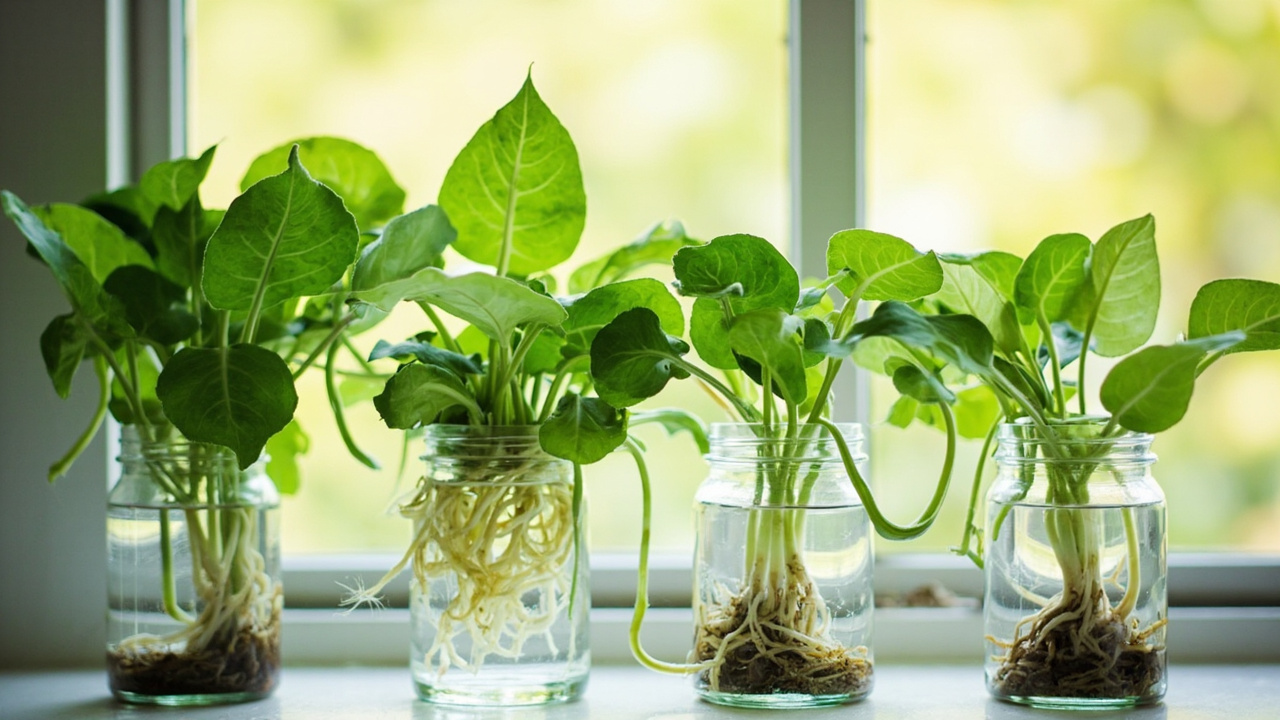
Just-potted cuttings. Keep the soil consistently moist (not wet) for the first 2 to 3 weeks until roots form. Once new growth appears, transition to the normal finger-test routine.
Cold drafts and windowsills in winter. A Pothos sitting where night temperatures drop below 13°C (55°F) is at risk of root chill. Move the plant 30 cm back from the glass in cold weather.
Signs You Are Watering Incorrectly
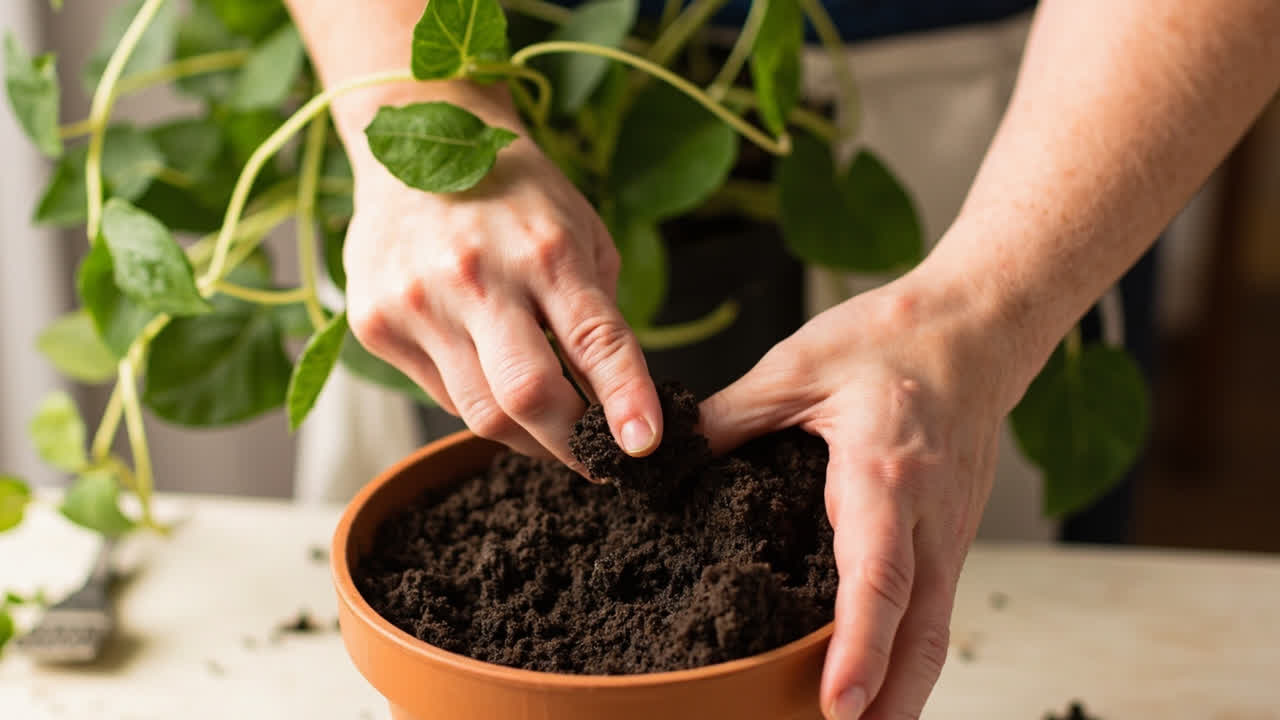
Overwatering symptoms:
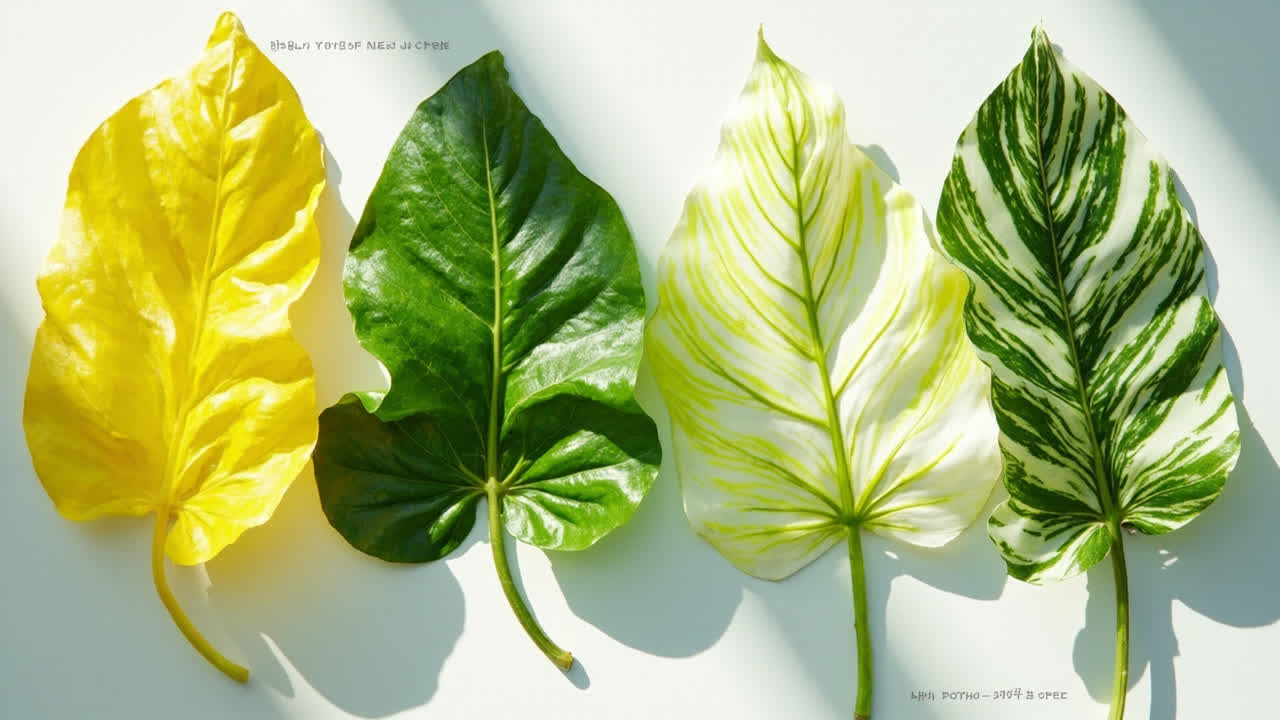
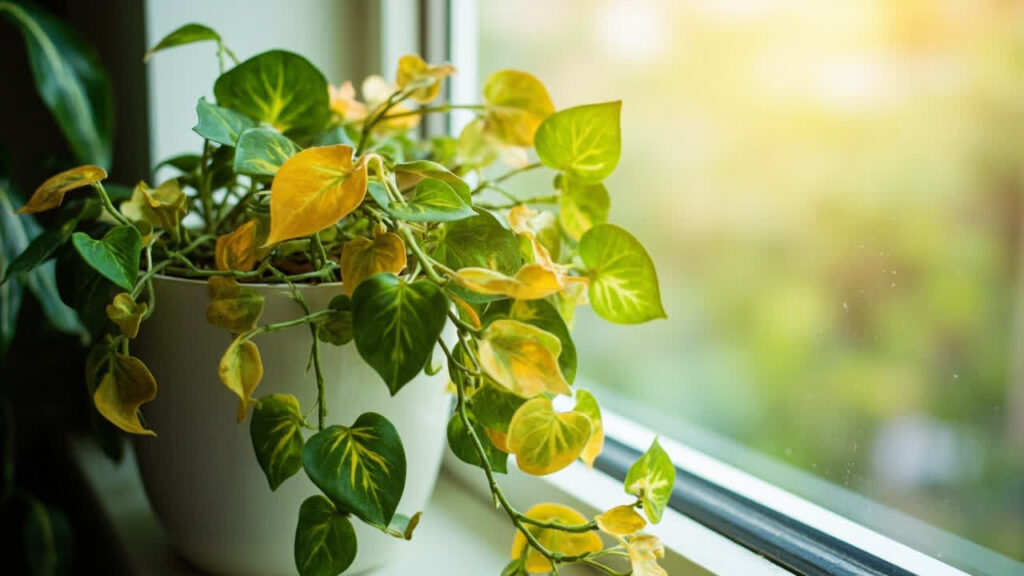
Yellowing leaves — several at once, especially the oldest leaves at the base of the vines. The soil stays damp for more than two weeks after watering. The stems near the base feel soft or look discoloured.
If you see these signs and the soil has been wet for an extended period, stop watering immediately, let the soil dry, and check the roots for rot — see the Pothos root rot guide for recovery steps.
Underwatering symptoms:
The vines look droopy and limp — not just bending but visibly slack, hanging downward from the weight of the leaves. The leaves feel thin and papery rather than thick and waxy.
The soil has pulled away from the sides of the pot, cracking at the surface. Bottom watering or a thorough top watering restores the plant within hours in most cases — Pothos is one of the most reliable recoverers from underwatering.
Fluoride sensitivity:
Fluoride sensitivity: Brown leaf tips and margins — slit-like brown marks that appear on the edges of leaves — can indicate fluoride sensitivity rather than watering problems. Pothos is moderately sensitive to fluoride in tap water.
If you are seeing tip burn but your watering habits seem correct, switch to filtered or rainwater and see if the new growth comes in clean within four to six weeks.
Watering After Repotting or Propagation
After repotting a Pothos into a new container, water once thoroughly to settle the soil around the roots, then do not water again until the top 5 cm of soil is dry. The root system needs time to generate new growth into the fresh soil before it can handle full water demand. This typically takes 2 to 3 weeks.
After propagating Pothos cuttings in water, the rooted cuttings need careful transition to soil. Plant them in moist (not wet) soil and do not water for the first 5 to 7 days. This lets the roots adjust from water-based to soil-based absorption without the stress of immediate soil moisture.
After that initial period, treat the new plant as a mature Pothos and water when the top 3 to 5 cm is dry.
For the full Pothos care routine, see the Pothos Plant Care guide. For how to propagate Pothos from cuttings, see the propagating Pothos from Cuttings guide.
From PDF to Excel in one click
Forget retyping line by line. Upload any bank statement, get a spreadsheet you can actually use. Your files are never stored, and you can test the converter with 3 free conversions.
Try it free