
Let’s explore the ins and outs of normal fertilizer, its various types, usage tips, benefits, and comparisons with other fertilizers. Your understanding the importance of normal fertilizer is crucial for achieving optimal plant growth.
Get ready to dive into the world of gardening, where the magic of nurturing plants comes to life!
Normal Fertilizer: Quick Guide
Honey, let’s spill some serious tea about the normal fertilizer. You know, the stuff that makes your plants go from ‘meh’ to ‘mah-velous’? That’s right, your greens need a diet too! It’s like a protein shake for your petunias and a power salad for your succulents.
So what is this magical mixture of natural fertilizer? A grocery list for your garden? Well, more like the Superfood Smoothie.
Read: using normal fertilizer for hydroponic
Ingredients of Greatness
Firstly, it’s all in the NPK ratio: Nitrogen (N), Phosphorus (P), and Potassium (K). This ain’t alphabet soup; these elements are the MVPs that make our plant pals peppy.
Nitrogen is like the gym rat of nutrients – it builds strong stems and lush leaves. It creates that green so vibrant you’ll wonder if you’re on a tropical vacay every time you step into your backyard.
Phosphorus, my friends, is here for root support and flower power. Think of it as your plant’s life coach encouraging healthy growth while whispering sweet nothings to bring out those blossoms.
Finally, Potassium balances water and nutrients in plants like a skilled juggler at a circus – keeping everything in check so nothing falls flat on its face.
Read: NPK for Hydroponics
How To Use Fertilizer 101
Now hold up there eager beaver! Don’t just go sprinkling fertilizer willy-nilly around those begonias. Here’s how to do it right:
- Test Your Soil: Before we start feeding our botanical buddies, let’s get a soil test done to understand what it needs. This isn’t optional – like remembering not to text your ex after two glasses of wine.
- Time It Right: Early spring or fall is usually when most plants are hungry-hungry hippos for nutrients. Match their appetite with an appropriate feed schedule.
- Method Matters: Sprinkle some granular fertilizer around the base of the plants or use liquid fertilizers through watering cans or drip lines if you want to feel super fancy!
- Water Well: Water after applying so those yummy nutrients can seep down into the roots where they’re needed most.
Try not to overthink it; gardening should be fun after all!
Think about fertilizer as giving your plants their dinner—just diggin’, dolin’, and doing good work – making them happy by providing them with what they need!
Remember, normal fertilizer isn’t something scary or complicated—it’s just mother nature’s multi-vitamin helping our leafy friends lead their best lives!
So go ahead hand over that nutrient-rich feast because everyone deserves a good meal!

Definition and Importance of Normal Fertilizer
Normal fertilizer in simple terms, it refers to a type of fertilizer that provides essential nutrients to plants, helping them thrive. Normal fertilizers contain a balanced blend of macronutrients, including nitrogen (N), phosphorus (P), and potassium (K), which are vital for plant growth and development.
Normal fertilizer plays a crucial role in maintaining soil fertility, supplementing essential nutrients, and ensuring healthy plant growth. It acts as a nutritional boost, compensating for nutrient deficiencies in the soil and maximizing plant potential.
| Nutrient | Deficiency Symptoms | Recommended Fertilizer |
|---|---|---|
| Nitrogen | Yellowing leaves, stunted growth | High-nitrogen fertilizer |
| Phosphorus | Poor root development, reduced flowering | Phosphorus-based normal fertilizer |
| Potassium | Weak stems, decreased disease resistance | Potassium-based normal fertilizer |
| Micronutrients | Chlorosis, poor plant vigor | Micronutrient-rich fertilizer or foliar sprays |
Exploring Different Types of Normal Fertilizers
Nitrogen-based Normal Fertilizers
Nitrogen is a vital nutrient for plant growth, responsible for leaf development and overall vigor. Common nitrogen-based normal fertilizers include granular fertilizers like urea-based fertilizers, ammonium nitrate fertilizers, and ammonium sulfate fertilizers.
These fertilizers provide an immediate nutrient boost to plants, promoting lush foliage and vibrant green color.
Expert Tip: When applying nitrogen-based normal fertilizers, consider the specific nitrogen needs of your plants. Leafy vegetables and lawns benefit from higher nitrogen content, while flowering plants may require a more balanced approach.
Phosphorus-based Normal Fertilizers
Phosphorus is essential for root development, flower production, and overall plant vitality. Phosphorus-based normal fertilizers include single superphosphate, triple superphosphate, and phosphoric acid fertilizers.
These fertilizers release phosphorus slowly, providing sustained nourishment to plants.
Expert Tip: Incorporate phosphorus-based normal fertilizers during the initial stages of plant growth to encourage robust root establishment and enhance flowering.
Potassium-based Normal Fertilizers
Potassium is vital for overall plant health, improving disease resistance, and facilitating water and nutrient uptake.
Potassium-based normal fertilizers such as potassium chloride, potassium sulfate, and potassium nitrate offer a balanced supply of this essential nutrient.
Expert Tip: Apply potassium-based normal fertilizers during the growing season to enhance plant resilience, especially during periods of stress, such as drought or extreme temperatures.
Blended Normal Fertilizers
Blended normal fertilizers combine different ratios of nitrogen, phosphorus, and potassium to suit specific plant needs. Balanced NPK fertilizers and customized NPK fertilizers fall under this category.
They provide a comprehensive nutrient package, ideal for general plant maintenance and ensuring overall health.
Expert Tip: Choose blended normal fertilizers based on the specific requirements of your plants and the results of a soil test. This helps tailor the nutrient content to your garden’s needs.
Proper Usage of Normal Fertilizer in Various Settings
Using Normal Fertilizer in Home Gardens
In home gardens, it’s essential to prepare the soil before applying normal fertilizer. Ensure the soil is loose and well-drained, allowing proper root growth and nutrient absorption.
Conduct a soil test to determine nutrient deficiencies and adjust the fertilizer application accordingly.
Expert Tip: To optimize nutrient absorption, mix normal fertilizer with organic matter, such as compost or well-rotted manure. This enhances soil structure, promotes microbial activity, and boosts nutrient availability.
Applying Normal Fertilizer in Agricultural Fields
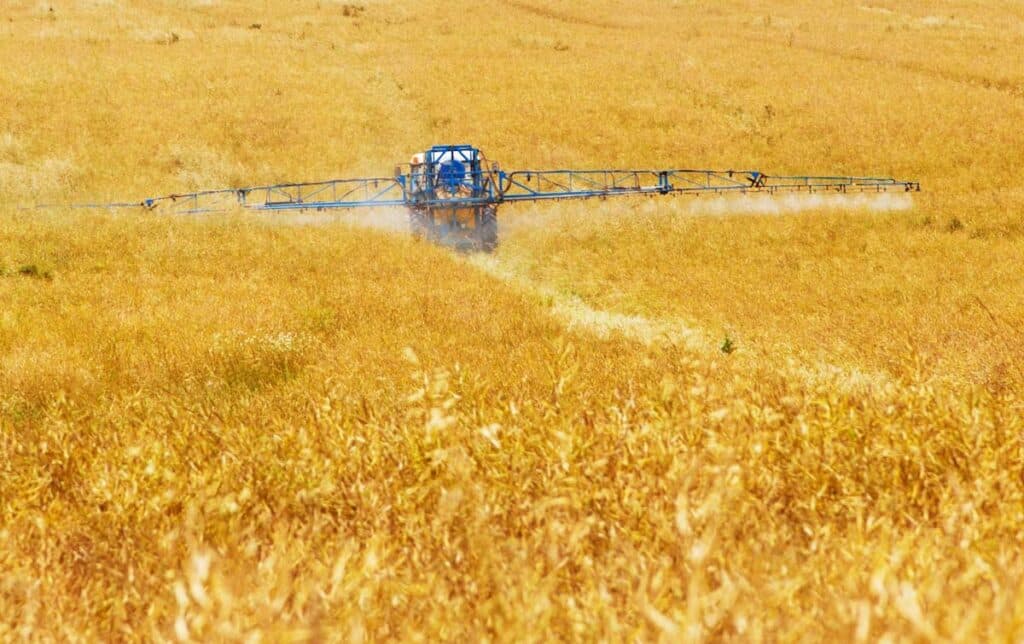
In larger agricultural fields, a systematic approach to normal fertilizer application is necessary. Conducting a soil test is crucial to assess nutrient levels accurately.
Based on the test results, calculate the required fertilizer amount per acre or hectare and distribute it evenly across the field.
Expert Tip: Consider using a fertilizer spreader for even distribution and precision application. It ensures uniform nutrient availability and minimizes the risk of over- or under-fertilization.
Considerations for Specific Crops or Plants
Different plants have varying nutrient requirements. For example, vegetables and fruits may benefit from higher nitrogen levels, while flowering plants might require more phosphorus.
Understanding the specific needs of your plants helps optimize normal fertilizer usage.
Expert Tip: Pay attention to the specific fertilizer requirements of your crops or plants. For instance, new grass seedlings benefit from starter fertilizers with higher phosphorus content, promoting strong root development.
Look: hydroponics fertilizer for tomatoes
Benefits and Potential Drawbacks of Using Normal Fertilizer
Benefits of Normal Fertilizer
Normal fertilizer offers numerous advantages for plant growth and overall garden productivity:
- Improved Nutrient Availability: Normal fertilizers supplement essential nutrients, overcoming soil deficiencies and promoting balanced growth.
- Enhanced Plant Growth and Yield: Adequate nutrient supply through normal fertilizers stimulates vigorous plant growth, leading to increased yield and healthier produce.
- Increased Soil Fertility: Normal fertilizer replenishes soil nutrients, ensuring a fertile environment for plant roots and microbial activity.
Expert Tip: Combine normal fertilizer usage with organic matter amendments to enhance soil health and create a sustainable gardening ecosystem.
Potential Drawbacks of Normal Fertilizer
While normal fertilizers have significant benefits, it’s important to be aware of potential drawbacks:
- Environmental Impact: Improper application or excessive use of normal fertilizers can contribute to water pollution, especially if nutrients leach into nearby water bodies.
- Risk of Overuse and Nutrient Imbalance: Excessive application of normal fertilizers can lead to nutrient imbalances, causing nutrient deficiencies or toxicities in plants.
- Negative Effects on Soil Microorganisms: Some normal fertilizers, particularly synthetic ones, can harm beneficial soil microorganisms, disrupting the natural soil ecosystem.
Expert Tip: Follow recommended application rates and timing to avoid over-fertilization. Conduct regular soil tests to monitor nutrient levels and make informed fertilizer adjustments.
Comparisons between Normal Fertilizers and Other Types
Normal Fertilizers vs. Organic Fertilizers
Organic fertilizers derived from natural sources, offer an alternative to normal fertilizers. Let’s explore the key differences:
- Nutrient Content and Release Rate: Normal fertilizers provide precise nutrient ratios and immediate availability, while organic fertilizers release nutrients slowly over time.
- Environmental Impact and Sustainability: Organic fertilizers are more environmentally friendly, reducing the risk of water pollution and promoting long-term soil health.
- Cost Considerations: Normal fertilizers tend to be more cost-effective and readily available, while organic fertilizers may require additional sourcing or preparation efforts.
Expert Tip: Consider a balanced approach by incorporating both normal and organic fertilizers. This combines the immediate nutrient boost of normal fertilizers with the long-term soil health benefits of organic fertilizers.
Normal Fertilizers vs. Synthetic Fertilizers
Synthetic fertilizers, manufactured through chemical processes, provide another comparison point to normal fertilizers:
- Nutrient Availability and Absorption: Normal fertilizers offer a balanced nutrient package, readily available for plant uptake, while synthetic fertilizers may provide higher concentrations of specific nutrients.
- Long-term Effects on Soil Health: Synthetic fertilizers, if used excessively, can disrupt soil microbial activity and deplete soil organic matter over time. Normal fertilizers, when used responsibly, can help maintain soil fertility.
- Application Convenience and Efficiency: Synthetic fertilizers are often more water-soluble and easier to apply through irrigation systems or foliar sprays, whereas normal fertilizers are suitable for traditional soil-based applications.
Expert Tip: Strike a balance between synthetic and normal fertilizers based on your garden’s needs. Regularly monitor soil health and nutrient levels to ensure long-term sustainability.
| Type of Fertilizer | Benefits | Considerations |
|---|---|---|
| Granular Fertilizer | Even distribution, long-lasting effects | Requires water to activate and release |
| Liquid Fertilizer | Quick absorption, easy application | May require frequent reapplication |
| Organic Fertilizer | Promotes soil health, environmentally friendly | Nutrient release is slower compared to synthetic fertilizers |
| Synthetic Fertilizer | Precise nutrient ratios, quick results | Risk of overuse and environmental impact |
Case Studies and Examples of Successful Normal Fertilizer Use
Let’s explore two case studies highlighting the positive impact of normal fertilizer application:
Case Study 1: Increased Crop Yield in a Wheat Farm
In a wheat farm, the application of a balanced normal fertilizer resulted in a significant increase in crop yield. The farmer conducted a soil test, which revealed a deficiency in nitrogen and phosphorus.
By applying a tailored normal fertilizer blend based on the test results, the farmer achieved healthier plants with improved root growth and higher grain production.
Expert Tip: Conduct a soil test before planting to identify nutrient deficiencies and customize your normal fertilizer application accordingly. Regular soil testing helps track changes and ensures continued success.
Case Study 2: Improved Garden Productivity with Normal Fertilizer
In a home garden, the use of normal fertilizer significantly enhanced plant productivity. The gardener incorporated a granular normal fertilizer during soil preparation and supplemented it with organic matter.
This approach resulted in stronger plants, abundant flowering, and an overall healthier garden ecosystem.
Expert Tip: Combine normal fertilizer with organic matter amendments to create a nutrient-rich and sustainable gardening environment. Regularly monitor plant health and adjust fertilizer application as needed.
Recent Advancements and Innovations in Normal Fertilizers
The field of normal fertilizers continues to evolve, offering new possibilities for plant nutrition:
- Slow Release Formulations for Controlled Nutrient Release: Slow release normal fertilizers provide nutrients gradually, reducing the risk of nutrient leaching and promoting sustained plant nourishment.
- Microbial-based Fertilizers for Enhanced Soil Health: Innovative normal fertilizers incorporate beneficial microbes that improve nutrient availability, promote root growth, and enhance overall soil health.
- Nanotechnology in Fertilizer Production: Nanoparticles in normal fertilizers enhance nutrient absorption and utilization by plants, leading to improved efficiency and reduced environmental impact.
- Precision Agriculture Techniques for Optimized Fertilizer Application: Advanced technologies, such as satellite imagery and soil sensors, enable precise fertilizer application based on site-specific needs, conserving resources and maximizing plant health.
Expert Tip: Stay updated with the latest advancements in normal fertilizers to optimize plant nutrition and embrace sustainable gardening practices.
Expert Actionable Tips
1. Choose the Right Type of Fertilizer
- For even nutrient distribution, opt for granular fertilizer, which can be spread evenly across the soil.
- When establishing new plants, use starter fertilizer with higher phosphorus content to promote strong root development.
- Consider using liquid fertilizer for container plants, as it allows for easy application and quick absorption.
2. Understand Your Soil
- Test your soil’s pH level to determine its acidity or alkalinity. Adjusting the soil pH can optimize nutrient availability to plants.
- If your soil is sandy, use slow release fertilizer to prevent nutrient leaching and provide sustained nourishment.
- Incorporate organic material, such as compost or well-rotted manure, to improve soil structure and nutrient-holding capacity.
3. Address Nutrient Deficiencies:
- Recognize signs of nutrient deficiency, such as yellowing leaves or stunted growth. A soil test can identify specific nutrient deficiencies.
- Choose a fertilizer that targets the specific nutrient deficiency. For example, a high-nitrogen fertilizer can address nitrogen deficiency.
4. Follow Fertilizer Application Guidelines
- Read and follow the instructions on the fertilizer label for proper dosage and application frequency.
- Apply fertilizer to the root zone of plants, ensuring it is spread evenly to avoid over- or under-fertilization.
- Water plants thoroughly after applying fertilizer to aid nutrient absorption and prevent root burn.
Key Takeaways
- Different types of fertilizers, such as granular, liquid, organic, and synthetic, offer various benefits and considerations for gardeners.
- Understanding your soil’s pH level and structure is crucial for optimal fertilizer usage.
- Nutrient deficiencies can be addressed by choosing the appropriate fertilizer and following recommended application guidelines.
- Regular watering and adequate nutrient solutions are essential for efficient fertilizer absorption.
- Monitoring plant health and adjusting fertilizer application as needed are key to successful gardening.
- Incorporating organic matter and following sustainable practices contribute to long-term soil health and overall plant well-being.
Normal Fertilizers
Congratulations! You’ve gained a comprehensive understanding of normal fertilizer and its role in promoting vibrant plant growth.
By incorporating the expert tips shared in this guide, you can now confidently choose the right type of normal fertilizer, apply it effectively in different settings, and reap the benefits of healthier, more productive plants.
Remember, responsible and balanced fertilizer usage is key to sustainable gardening practices.
Happy gardening folks!
FAQ: Normal Fertilizer
Q: What is the normal fertilizer ratio?
A: The normal fertilizer ratio refers to the nutrient composition of the fertilizer. It indicates the proportion of nitrogen (N), phosphorus (P), and potassium (K) present in the fertilizer. Common ratios include 10-10-10, 20-10-10, or 5-10-5, where the numbers represent the percentage of each nutrient in the fertilizer. The specific ratio to use depends on the nutrient requirements of your plants and the results of a soil test.
Q: What is normal organic fertilizer?
A: Normal organic fertilizer is a type of fertilizer derived from natural sources, such as plant and animal materials. It contains organic matter and nutrients that slowly release into the soil, providing sustained nourishment to plants. Common examples of normal organic fertilizers include compost, manure, bone meal, and fish emulsion. When used for soil fertilizer, they are environmentally friendly and improve soil health by promoting microbial activity and enhancing nutrient availability.
Q: What is the most common fertilizer?
A: The most common fertilizer is regular fertilizer or commercial fertilizer. It is widely available and comes in different forms, including granular, liquid, and slow release varieties. Regular fertilizers can be either organic or synthetic, depending on their composition. They provide essential nutrients to plants, promoting healthy growth and optimal yields. The choice between organic and synthetic fertilizers depends on personal preferences, specific plant requirements, and environmental considerations.
Q: How do I choose the right lawn fertilizer?
A: When choosing lawn fertilizer, consider factors such as the specific nutrient needs of your grass, soil type, and any existing nutrient deficiencies. For example, if you have sandy soil, choose a slow-release fertilizer to prevent nutrient leaching. Look for lawn fertilizers labeled with the appropriate nutrient ratios for your grass type. Regularly test your soil and follow the recommended application rates to maintain a healthy and vibrant lawn.
Q: How can I provide proper nutrients for my houseplants?
A: To provide proper nutrients for houseplants, use a balanced fertilizer specifically formulated for indoor plants. Look for a fertilizer that contains a range of essential nutrients, including nitrogen, phosphorus, and potassium. Follow the instructions on the fertilizer label for dosage and frequency of application. Ensure your houseplants are placed in well-draining soil and receive adequate light and water. Consider using a diluted nutrient solution during watering to provide consistent nourishment.
Q: How do I choose the right fertilizer for shrubs?
A: When choosing fertilizer for shrubs, consider the specific nutrient requirements of the shrub species and the soil conditions. Conduct a soil test to identify any nutrient deficiencies or imbalances. Choose a fertilizer that provides the necessary nutrients, such as nitrogen, phosphorus, and potassium, in the appropriate ratios for shrub growth. Slow-release fertilizers are often beneficial for shrubs as they provide a steady supply of nutrients over time. Ensure proper watering and application to maximize the fertilizer’s effectiveness.
Q: What is actual nitrogen in fertilizers?
A: Actual nitrogen refers to the amount of nitrogen present in a fertilizer. It is expressed as a percentage on the fertilizer label. For example, a fertilizer labeled as 10-5-5 contains 10% actual nitrogen. Actual nitrogen content is important for determining the appropriate dosage and ensuring sufficient nutrient supply to plants. It helps avoid over- or under-fertilization, promoting balanced growth and preventing nitrogen-related issues such as nutrient deficiencies or environmental pollution.
Q: Can I use different fertilizers together?
A: Yes, you can use different fertilizers together to create a customized nutrient blend for your plants. For example, you can combine a slow-release fertilizer with a liquid fertilizer to provide both immediate and long-term nutrition. However, it is important to follow recommended application rates and consider the nutrient requirements of your plants. Avoid excessive fertilization, as it can lead to nutrient imbalances, environmental harm, or damage to plants.
Q: How do I fertilize in sandy soil?
A: Fertilizing in sandy soil requires careful consideration to prevent nutrient leaching. Choose a slow-release fertilizer that releases nutrients gradually over time. This helps ensure the nutrients are available to plants without being washed away by excessive watering or heavy rainfall. Additionally, amend sandy soil with organic matter, such as compost or well-rotted manure, to improve its water-holding capacity and nutrient retention. Regular monitoring and proper watering practices are essential for successful fertilization in sandy soil.
Q: What is a nutrient solution for plants?
A: A nutrient solution is a liquid mixture containing essential nutrients that can be applied directly to plants’ roots. It provides a concentrated and readily available source of nutrients. Nutrient solutions are commonly used in hydroponic systems, where plants grow in a soil-less medium and receive all their nutrients through the solution. These solutions are carefully formulated to meet the specific nutrient requirements of different plant species and growth stages, promoting optimal plant growth and health.
From Bank Statement to QuickBooks-Ready File
That manual cleanup you just read about? This tool skips it. Turn your PDF into QBO for QuickBooks without storing your data anywhere.