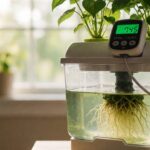
Can you using normal fertilizer for hydroponics plant? Yes, you can use normal fertilizer for hydroponics fertilizer because it has three essential nutrients that a plant needs: nitrogen, phosphorus, and potassium.
However, because hydroponics system does not allow the water to permeate the root zone as it would in soil, it’s important to use a fertilizer with high nitrogen to phosphorus ratio for a head-start.
The water that a hydroponic plant is sitting in will need to have a balanced pH with a lot of nutrients to feed the plant to grow.
See: Hydroponic Fertilizer Organic
Hydroponics is a type of growing where the roots of a plant are suspended in air and not in soil.
In the past, hydroponically grown plants have been primarily fertilized by adding nutrient solution to the water that’s been pumped up from the ground.
Now, farmers find that using normal fertilizer for hydroponics from the store can provide enough nutrients for their crops.
One reason for this change is due to improvements in synthetic fertilizers.
There are a variety of normal fertilizers that work great. Choose a fertilizer that has a higher nitrogen-to-phosphorus ratio for a head-start.
Ensure the fertilizer has a sufficient pH to feed the plant growth, which grows much quicker than a soil-grown plant.
Using Normal Fertilizer for Hydroponics: Quick Answer
Hydroponics, or the art of soil-less gardening, has grown in popularity like a blooming sunflower.
Dedicated hydroponic gardeners understand that special plant nutrients are usually needed to satisfy their green babies’ appetite.
But what about using regular fertilizer?
Firstly, let’s unmask the differences between normal fertilizer and hydroponic nutrients.
Regular fertilizers are designed for traditional soil-based gardens. They count on soil to break down and deliver the nutrients plants need.
On the other hand, hydroponic systems work differently – they channel nutrients directly into plants through water, sans-soil.
So, can you swap out your pricy hydroponic nutrients with standard fertilizer from your local garden store?
Simply put, yes you can… but it’s not advisable!
Why?
Because in hydroponics, plants rely on you — yes, you are their personal waiter — to serve up every nutrient they need.
Normal fertilizers can lack some essential elements required by your leafy patrons including calcium and magnesium which are key to plant health.
Moreover, normal fertilizers often contain non-soluble components that can build up and obstruct your hydro system over time… And we don’t want our system to choke now, do we?
Another problem is regular soil fertilizers are designed to work with soil’s natural buffering capacity and nutrient cycling processes.
In hydroponics, where such processes are absent, these fertilizers can lead to nutrient imbalances or toxicity.
While normal fertilizer may seem like a tempting cost-cutter for your hydro endeavor – it’s best not to mix apples with oranges (or in this case tomatoes with daisies).
So, opting for A&B fertilizers or multi-part mixes specifically designed for hydroponics ensures a balanced nutrient profile tailored to the system’s needs.
Stick with a high-quality nutrient solution formulated specifically for hydroponics to make sure your plants grow healthy and strong!
What is Hydroponics?
There are several different ways to grow plants. Most of these methods involve the use of soil as a growing medium. However, you can also grow plants in water without soil.
Hydroponics is a gardening technique that uses less water and space to create plants with greater yields. In some hydroponic systems, plants can grow without soil.
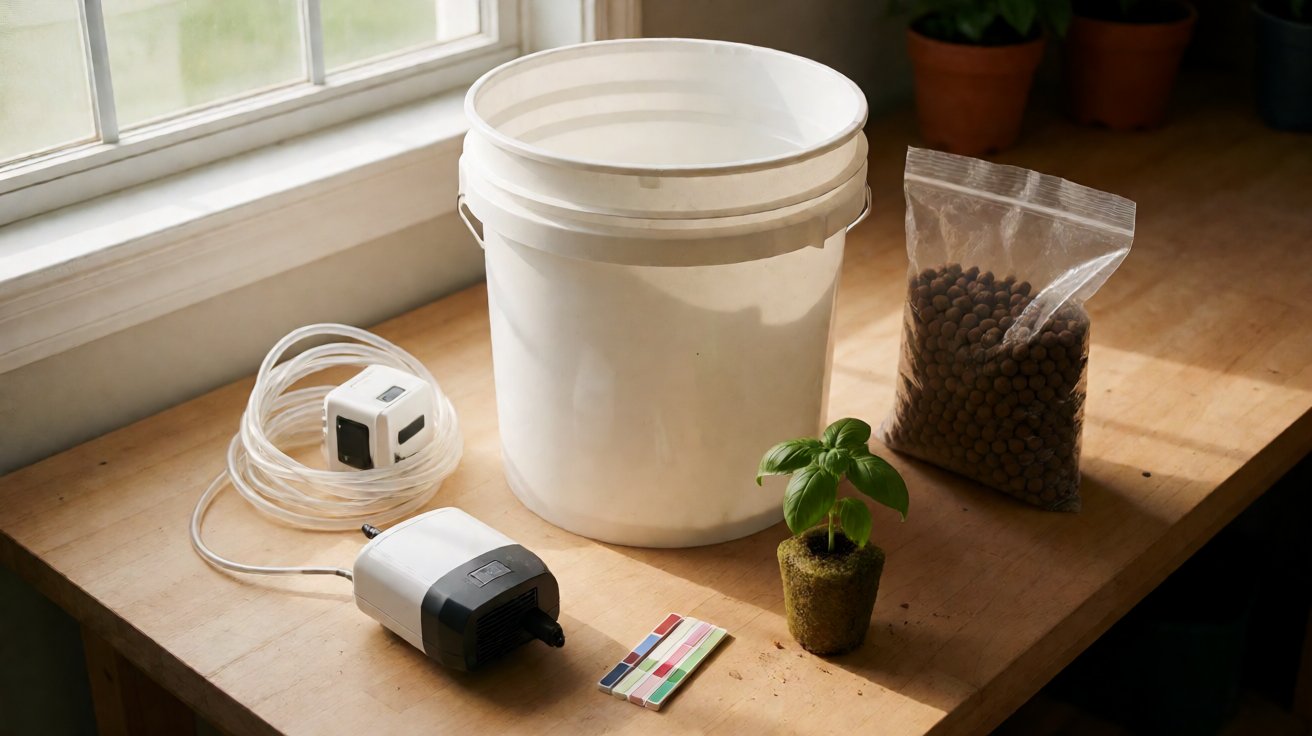
A hydroponic system typically consists of a reservoir from which hydroponic nutrient solution water can be pumped up to the plants as they need it.
However, sometimes the plants also need hydroponic fertilizer added to their growing media.
Deep Water Culture (DWC)
Deep Water Culture (DWC) is a popular hydroponic method where plant roots are suspended in a nutrient-rich, oxygenated water solution.
Using mineral fertilizers in DWC systems can be effective if they are fully soluble and compatible with the system’s nutrient requirements.
Ensuring the correct pH and electrical conductivity (EC) levels is essential to maximize nutrient uptake in DWC setups.
Learn more about Hydroponic Farm
Drip System
In a drip system, plants receive nutrient solutions directly at the root zone via drip emitters.
Mineral fertilizers can be utilized in this setup if they are adequately dissolved and free from particulate matter that could block emitters.
Drip systems benefit from stock solutions or one-part mixes that simplify nutrient management and ensure consistent delivery to each plant.
Aeroponics
Aeroponics involves suspending plant roots in air and misting them with nutrient solutions.
This method requires precise nutrient formulations, as the roots are exposed and highly sensitive to imbalances.
Mineral fertilizers must be used with caution, often requiring dilution into stock solutions that match the specific needs of the aeroponic system to prevent root damage and optimize growth.
Essential Nutrients Required for Hydroponics and Their Qualities
Hydroponic nutrients are a vital component of a hydroponic system. They provide the minerals and vitamins for the plants, but they also have nutrients that help create healthier root systems.
These nutrients can be found in liquid or powder form.
Hydroponic systems may use either type of nutrient. Still, liquid hydroponic nutrients will dissolve quickly in water, making them easier to use.
Hydroponic nutrients typically contain nitrogen, phosphorus, potassium, magnesium, calcium, and other micronutrients.
Some hydroponic growers use commercially available nutrient formulas, while others make their own mixes.
There are two ways to fertilize your hydroponic plants: organic fertilizer and synthetic fertilizer.
Organic fertilizer or natural fertilizers are natural biological agents that promote healthy plant growth.
Organic products include composted manure, legumes, green manures, and fish emulsion.
Synthetic fertilizer or chemical fertilizers are not made of organic materials; they are primarily non-biological chemicals like nitrogen, phosphorus, and potassium.
These chemical compounds can help grow your plants because they stimulate root development when applied to the soil.
Fertilizer is used to supply plants with essential minerals for growth. Growers can use organic fertilizer as well as synthetic fertilizer to meet their individual needs.
Micro and Macro Nutrients
Hydroponic systems rely on both micro and macro nutrients for plant development.
Essential micronutrients like Boron, Chelated Iron, Chelated Zinc, Chelated Manganese, Chelated Copper, and Sodium Molybdate play vital roles in plant health.
These are often missing or insufficient in regular soil fertilizers, making hydroponic-specific solutions more suitable for balanced nutrient delivery.
Mineral Fertilizer
Mineral fertilizers are often used in hydroponics to provide essential nutrients like nitrogen, phosphorus, and potassium.
These fertilizers are typically formulated into stock solutions or many-part mixes specifically tailored for hydroponic systems.
This ensures that plants receive a balanced supply of nutrients, crucial for optimal growth without the risk of nutrient deficiencies or toxicities.
Nutrient Management and EC Level
When managing a hydroponic system, maintaining the correct nutrient levels is crucial.
The Electrical Conductivity (EC) level helps in determining the concentration of nutrients in the solution.
Regular monitoring ensures that plants receive precise nutrient delivery, preventing potential imbalances or toxicities.
Therefore, using fertilizers specifically formulated for hydroponics can help maintain optimal EC levels and promote healthier plant growth.
General Fertilizing Principles

Fertilizer is the most crucial ingredient in a hydroponic garden. It is a substance you add to your soil or water to ensure that your plants can get the nutrients they need to grow.
There are three essential NPK for hydroponics nutrients that a plant needs: nitrogen, phosphorus, and potassium.
Nitrogen is what plants use to build their leaves, stems, and roots. Phosphorus is what plants use to make food and other compounds. Potassium is what plants need for healthy cell growth.
Fertilizing is necessary to keep your plants healthy. It is also an important step to take during the growing process.
When fertilizing your plants, make sure you use a proportionate balance of the three nutrients.
Read: liquid fertilizer
Fertilizing your plants can be done in various ways, and there are many different types of fertilizers available. They all have their own benefits and disadvantages.
Using Regular Fertilizer for Hydroponics
Although you can use regular fertilizer for hydroponics, the reality is regular fertilizers can be extremely harmful if you aren’t careful.
If you are looking for a cheap option, you could choose to buy a bag of regular fertiliser at your local garden store. These are often sold as being balanced nutrients to be used as a base for your hydroponic system.
These fertilisers are very easy to use, and are often sold in a 1kg bag.
When you open the bag, you will see a yellowish-white powder which is mixed together with water.
If you look closer at this mixture, you will find that the nutrients will be present in very low levels.
This means you won’t get the same benefits when you grow with a regular fertiliser.
While the amount of nutrients in the bag is usually enough to ensure plants are growing for a short time, you might notice there are no specific levels of N, P, K, or any other macro-nutrients.
There is little chance of mineral deficiency because they are lacking in many of these compounds. This, in turn, will limit plant growth.
These nutrients are only included in a hydroponic nutrient solution so that they can be used as part of the 3-part formula.
If you use regular fertiliser on your system without adding these key elements, you are putting your plants at risk of mineral deficiencies which will cause problems.
Regular fertilizers are not balanced and this means that you won’t be able to add them to a system which requires increased amounts of N, P, and K for best results.
All plants need to have a certain level of each of the macro-nutrients. If you want to grow a healthy plant, then you must provide it with enough nutrients.
Solubility and Water Quality
The solubility of fertilizers is a significant factor in hydroponic systems.
Unlike traditional soil-based gardening, where nutrients can be slowly broken down by soil microorganisms, hydroponic systems require immediate solubility for effective nutrient delivery.
High water quality enhances nutrient solubility, ensuring that essential minerals like Carbon, Hydrogen, and Oxygen are readily available for plant uptake.
Advantages For Using Normal Fertilizer For Hydroponics
The benefits of using normal fertilizers in hydroponics are that they are often cheaper than hydroponic fertilizers and may be more readily available than hydroponic fertilizers.
For the best type of normal fertilizer for hydroponic, you can choose NPK fertilizer with higher nitrogen and lower phosphorus percentages. But it will be more expensive than standard fertilizer.
Dry or Powdered Fertilizers
While liquid fertilizers are often recommended for hydroponics due to their ease of use, dry or powdered fertilizers can also be an option if properly dissolved.
However, they require careful management to avoid issues like clogging in systems such as the Nutrient Film Technique (NFT) or Ebb and Flow.
Ensuring complete solubility is key to prevent blockages and maintain consistent nutrient flow.
Disadvantages of Using Normal Fertilizer
Normal fertilizers are not designed for hydroponics, they are often high in salts, which is unhealthy for plants.
In a hydroponic setting, the roots of the plants are planted in a nutrient-rich water solution. This environment is different from soil because it has less water and more salt levels.
Regular fertilizer, made up of salts, will cause too much salt to be left in the solution and can have detrimental effects on the plant’s root system.
With salt build-up and high salt excess to hydroponic roots, the osmosis process will be very difficult. It will cause a nutrient lockout, which can lead to root death.
Another problem is regular fertilizer can cause your hydroponic pH level high or low drastically.
Hydroponic need a balanced pH level to function properly. The balanced pH is important because it determines whether the nutrient is efficiently absorbed by plants and how quickly nutrients are excreted.
The desired pH for hydroponics is between 5.8-6.
Potential for Algae Growth
Using regular fertilizers in hydroponics can sometimes lead to unintended algae growth due to nutrient imbalances.
Algae can compete with plants for nutrients and light, potentially hindering plant growth.
Proper nutrient management and using hydroponic-specific formulations help mitigate this risk by providing crop-specific formulas that maintain a balanced environment.
How To Use Normal Fertilizer for Hydroponics
While it’s not ideal to use soil fertilizers in hydroponics, there are specific considerations and precautions you can take if you have limited access to hydroponic-specific nutrients.
Here are some guides to use normal fertilizer for hydroponics:
1. Avoid Urea and Ammonium
Soil fertilizers primarily contain nitrogen in the form of urea or ammonium, which are not suitable for hydroponics.
These forms need microbial processing to convert to nitrate, which plants prefer.
Frequent feeding with these forms can lead to acidity and toxicity issues.
2. Choose Water-Soluble Fertilizers
Choose for fully water-soluble fertilizers.
If using soil fertilizers, ensure they are water-soluble and contain nitrogen primarily as nitrate or have no nitrogen at all.
3. Nutrient Balance
Select a fertilizer with a balanced NPK ratio suitable for your crop.
For example, a balanced NPK like 10-10-10 might be appropriate for general growth, while specific ratios like 4-18-38 can be more suitable for specific crops like tomatoes.
4. Consider Micro-Nutrients
Some soil fertilizers might not include all necessary micro-nutrients.
You may need to supplement with additional products like calcium nitrate or magnesium sulfate to ensure balanced nutrition.
5. Use with Caution
Consider creating a custom mix using products that contain nitrate as the primary nitrogen source.
Tools like Hydrobuddy can help calculate the nutrient contributions and create an acceptable formulation.
6. Avoid Long-Term Use
Using soil fertilizers should be seen as a last resort. Long-term use can lead to imbalances and toxicity.
It’s recommended to switch to hydroponic-specific nutrients for optimal growth and health.
Example DIY Formulation:
- Use a 0-10-10 bloom fertilizer (with no nitrogen) and supplement with agricultural grade calcium nitrate as a nitrate source.
- Calculate Nutrient Contributions: Use tools like Hydrobuddy to ensure the nutrient solution meets the needs of your specific crop.
By following these guidelines, you can use normal fertilizers in hydroponics as a temporary solution, but transitioning to hydroponic-specific nutrients is recommended for optimal plant health and performance.
Using Regular Fertilizer for Hydroponics Plants
Even though you still can using regular fertilizer for hydroponics, if you want to have healthier hydroponic plant growth with maximum yields, you better using fertilizer formulated for hydroponics.
Hydroponic liquid fertilizers are unique because they are specifically designed for the unique needs of the plants in a hydroponic system.
They are often used to maintain a more pH-balanced environment for the plant growth, provide micro hydroponic nutrient solution, and increase water penetration.
So, are you gonna using normal fertilizer for hydroponics plants?
From Bank Statement to QuickBooks-Ready File
That manual cleanup you just read about? This tool skips it. Turn your PDF into QBO for QuickBooks without storing your data anywhere.
Start Converting