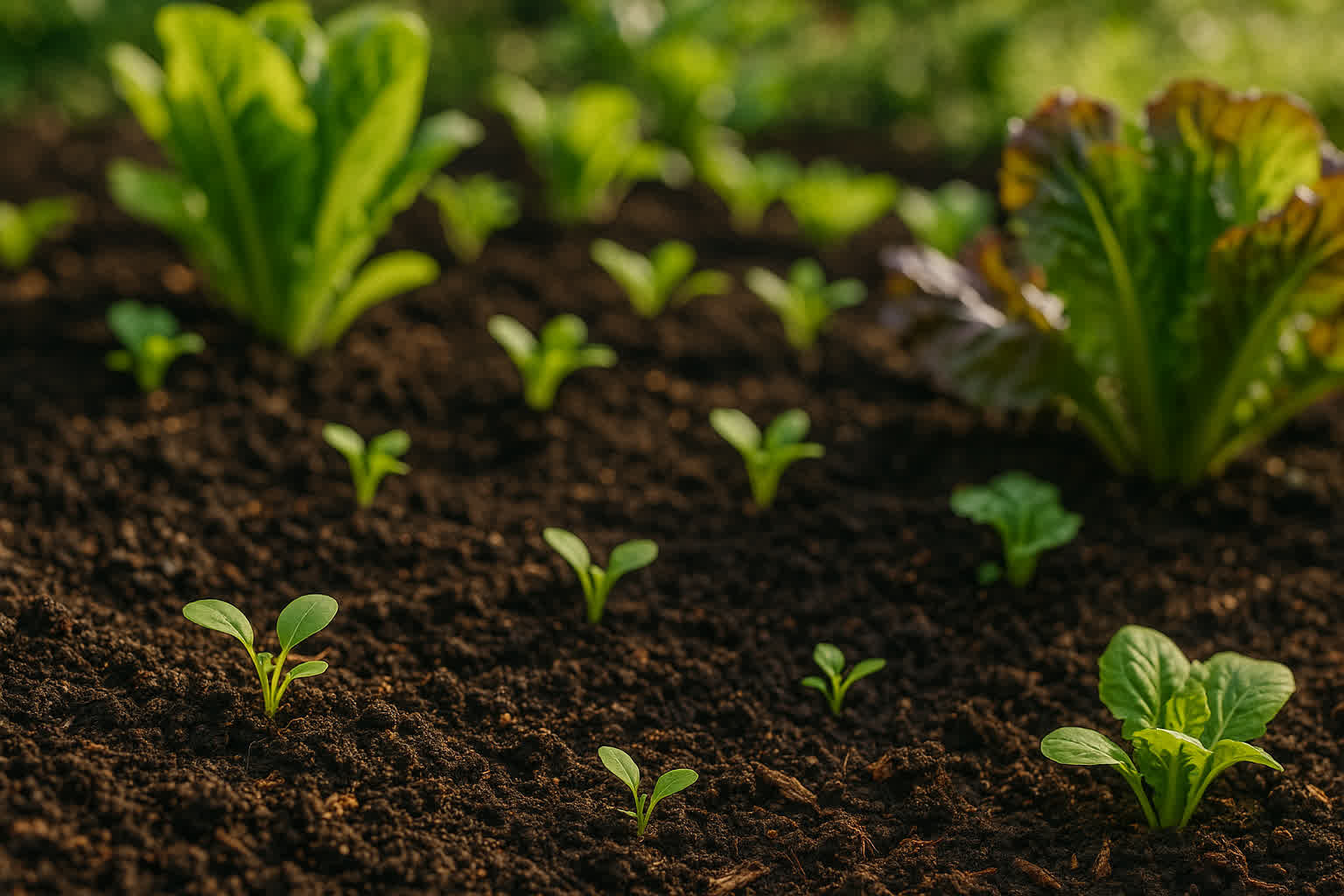

Welcome to a world where we dig in the dirt, nurture plants, and witness their awe-inspiring growth. Join us on this horticultural journey as we unlock the secrets of synthetic fertilizer and discover how they can give your garden an incredible boost!
Today, we’re diving into the captivating realm of fertilizers. We’ll uncover their definition, advantages, types, application techniques, and their impact on both your garden and the environment.
While organic options have their charm, let’s explore the exciting benefits of synthetic fertilizers!
Read: Using Normal Fertilizers
Synthetic Fertilizer: Quick Guide
Well, synthetic fertilizer basically a fertilizer made from fancy-sounding stuff like ammonia, natural gas, and atmospheric nitrogen. Picture it as a processed chemical packed with concentrated nutrients in specific ratios.
The cool thing is that plants can slurp it up almost immediately because it dissolves in water.
Now, let’s talk advantages, baby:
First off, synthetic fertilizers are speedy gonzales when it comes to plant growth. They give plants a quick boost, like a triple espresso for your garden.
Plus, they come in all shapes and sizes: liquid, pellets, granules, even those funky little spikes.
Whatever floats your boat, farmer!
And here’s the flip side, the disadvantages:
These sneaky fertilizers can sometimes escape into our waterways, turning them into chemical playgrounds. Not cool, bro. Plus, if you go a bit too heavy-handed with them, they can actually burn your precious plants.
Yikes!
Oh, and they don’t do much for soil life or texture, so it’s like missing out on the party happening underground.
Now, when should you whip out the synthetic fertilizer?
Save it for when your plants are having their active growth spurt. Lawns, gardens, even potted plants can all benefit.
Just be a good reader and follow the instructions on the label. Nobody likes a rebel who doesn’t know how to apply fertilizer properly, right?
But wait, there’s more! Alternatives!
If you’re feeling all eco-conscious and want to ditch the synthetic stuff, you’ve got options. Organic fertilizer are the way to go.
We’re talking about compost, manure, and bone meal, baby! These slow-release goodies give your plants a balanced nutrient diet and they’re much kinder to the environment.
Plus, they’re like a spa treatment for your soil, making it healthier and less likely to cause pollution.
So, what’s the final scoop?
Synthetic fertilizer can be a handy dandy tool to give your plants a boost, but let’s not go overboard, okay? We’ve got alternatives that are not only better for the planet but also do wonders for your green friends.
It’s time to fertilize with style, my friend!

Synthetic Fertilizer: The Science Behind Garden Magic
Picture this: synthetic fertilizer are the brainchild of scientists who’ve developed these human-made substances packed with essential nutrients for your plants. Unlike their organic counterparts sourced from nature, synthetic fertilizers are carefully crafted in a lab to provide plants with precisely what they need to flourish.
A Winning Combination
Synthetic fertilizers bring a host of advantages that make them a go-to choice for many gardeners:
- Concentrated Nutrients: These fertilizers offer a powerhouse of nutrients tailored to your plants’ requirements.
- Quick Absorption: dissolve readily, ensuring rapid uptake by your plants.
- Customized Nutrient Ratios: You have the power to create the perfect nutrient blend to cater to each plant’s specific needs.
- Easy Application: From granules to liquids and slow release pellets, synthetic fertilizers come in various forms that are a breeze to apply.
- Bountiful Harvests: When used correctly, it can significantly increase your plants’ productivity.
Unveiling the Drawbacks
But let’s not forget that synthetic fertilizers also have some downsides to consider:
- Environmental Impact: Mishandling can lead to nutrient runoff, causing water pollution and eutrophication.
- Soil Health Concerns: Over-reliance on synthetic fertilizer may disrupt the natural balance of soil microorganisms, potentially affecting its overall health and long-term fertility.
- Dependency Blues: Continuous use may create a reliance in plants, reducing their ability to access nutrients naturally.
Synthetic Fertilizers: The Fantastic Four
1. Nitrogen-based Fertilizers: The Power of Green
Nitrogen is a superstar nutrient that fuels leaf and stem growth. Popular nitrogen based synthetic fertilizers include ammonium nitrate, urea, and ammonium sulfate.
These goodies provide plants with the nitrogen kick they need to thrive.
2. Phosphorus-based Fertilizers: Root Booster Extraordinaire
Phosphorus is the hero behind root development, flowering, and fruiting. Synthetic phosphorus fertilizers, like ammonium phosphate and superphosphate, deliver a readily available phosphorus boost to supercharge your plants’ vitality.
3. Potassium-based Fertilizers: Plant Health Guardian
Potassium is the defender of overall plant health, enhancing disease resistance and regulating water within cells. Synthetic potassium fertilizers, such as potassium chloride and potassium sulfate, ensure your plants receive an ample supply of this essential nutrient.
4. Micronutrients: The Secret Sauce
Besides the primary macronutrients, synthetic fertilizers may also contain vital micronutrients like iron, zinc, manganese, and copper. These trace elements are essential for various plant functions, including chlorophyll production and enzyme activation.
Specialized Synthetic Fertilizers: Tailored for Optimal Results
Slow Release Synthetic Fertilizers: The Tortoise’s Approach
Slow release fertilizer provide a controlled and gradual nutrient release over time. They maintain a steady nutrient supply, preventing leaching and minimizing their impact on the environment.
Keep an eye out for polymer-coated granules and organic-based slow release fertilizers for a sustained nutrient boost.
Liquid Synthetic Fertilizers: Liquid Plant Elixir
Liquid fertilizer offer convenience and speedy nutrient absorption. You can apply them through foliar spraying or irrigation systems, providing an instant nutrient infusion for your plants.
Remember to dilute liquid fertilizers as per the manufacturer’s instructions to avoid nutrient burn and maximize plant uptake.
Synthetic Fertilizers in Action: A Recipe for Gardening Success
Decoding Soil Nutrient Needs
Get to the root of the matter by conducting a soil test to determine your garden’s specific nutrient requirements. Soil testing helps unveil nutrient deficiencies, pH levels, and organic matter content, enabling you to tailor your synthetic fertilizer application accordingly.
Calculating the Right Fertilizer Amount
Follow fertilizer recommendations based on your soil test results and your plants’ unique nutrient demands. Strike the perfect balance, avoid over fertilization, and prevent harm to your plants and the environment.
Applying Synthetic Fertilizers: Tips and Techniques
- Top Dressing: Sprinkle evenly around the base of your plants, making sure to avoid direct contact with leaves or stems.
- Broadcasting: Spread granular synthetic fertilizer evenly over your garden soil, ensuring a uniform coverage.
- Banding: Concentrate a line of synthetic fertilizer just below the soil surface near the plant’s root zone to maximize nutrient uptake.
- Foliar Feeding: Apply liquid synthetic fertilizer directly to your plant’s leaves for quick absorption, preferably during cooler parts of the day.
- Injection: For larger garden areas, use irrigation systems with injectors to deliver liquid synthetic fertilizer directly to the root zone.
The Environment: A Balancing Act
Environmental Impact: The Ripple Effect
Synthetic fertilizers, when misused, can have adverse effects on the environment:
- Eutrophication and Water Pollution: Excessive fertilizer runoff can contaminate water bodies, leading to algal blooms and harm to aquatic life.
- Soil Degradation and Health: Overuse of synthetic fertilizers may disrupt the balance of soil microorganisms, affecting soil structure, fertility, and nutrient cycling.
- Greenhouse Gas Emissions: The production and application of synthetic fertilizer contribute to carbon emissions, amplifying the climate crisis.
| Environmental Impact | Organic Fertilizer | Synthetic Fertilizer |
|---|---|---|
| Eutrophication | Low | Moderate to High |
| Greenhouse Gas Emissions | Low | Moderate to High |
| Fossil Fuel Consumption | Low | Moderate to High |
| Nutrient Runoff | Low | Moderate to High |
| Soil Health Impact | Positive (Organic Matter Buildup) | Variable |
Best Practices for a Greener Garden
- Controlled Fertilizer Application: Follow recommended rates, timings, and techniques to minimize nutrient runoff.
- Nutrient Cycling and Management: Embrace composting, cover cropping, and crop rotation to improve soil fertility and reduce reliance on synthetic fertilizers.
- Cover Crops and Soil Conservation: Plant cover crops to prevent soil erosion, enhance soil structure, and retain nutrients for future plant use.
Organic Fertilizers: A Nature-Lover’s Delight
- Organic Fertilizers: A Wholesome Approach
Organic fertilizers derive from natural sources such as compost, manure, bone meal, and seaweed. They provide nutrients in a slow-release form, enriching soil health through increased organic matter content. - Pros and Cons of Organic Fertilizers
Organic fertilizers come with several benefits, including long-term soil enrichment, improved microbial activity, and reduced environmental impact. However, they may have lower nutrient concentrations compared to synthetic fertilizers, necessitating larger volumes for similar results. - Striking a Balance: The Yin and Yang of Fertilizers
Choosing between organic and synthetic fertilizers depends on your gardening goals, soil conditions, and environmental considerations. A harmonious approach that combines the strengths of both organic and synthetic fertilizers will yield optimal plant nutrition and environmental stewardship.
| Aspect | Organic Fertilizers | Synthetic Fertilizers |
|---|---|---|
| Nutrient Content | Lower concentration | Higher concentration |
| Nutrient Release | Slow release fertilizer | Quick release fertilizer |
| Environmental Impact | Low | Variable |
| Soil Health | Enhances organic matter | May disrupt microbial activity |
| Application | Larger quantities needed | Precise control possible |
| Availability | Wider availability | Easily accessible |
Expert Actionable Tips
- Test your soil: Conduct a soil test to understand its nutrient composition and pH levels. This will help you determine the specific needs of your plants and guide your fertilizer selection.
- Choose the right fertilizer: Consider factors such as your plant’s nutrient requirements, soil condition, and environmental impact when selecting a fertilizer. Opt for organic fertilizers for a natural and sustainable approach, or synthetic fertilizers for precise nutrient control.
- Follow application instructions: Read the instructions on your fertilizer package carefully and apply the recommended amount based on your soil test results. Over-fertilization can harm plants and contribute to nutrient runoff.
- Time your applications: Apply fertilizers at the right time to maximize their effectiveness. For instance, lawn fertilizer should be applied before the growing season, while nitrogen fertilizers can be applied during periods of active plant growth.
- Implement weed control measures: Proper weed control reduces competition for nutrients and ensures that your plants receive the full benefits of fertilization. Use organic methods such as mulching or hand weeding to minimize chemical exposure.
Key Takeaways
- Organic fertilizers, derived from natural sources, offer slow-release nutrients and promote soil health through increased organic matter content. They are a sustainable option with a low environmental impact.
- Synthetic fertilizers provide precise nutrient control, higher nutrient concentrations, and faster nutrient release. However, their use requires caution to minimize environmental impact and prevent soil degradation.
- Conducting a soil test is crucial to determine the specific nutrient needs of your plants and guide your fertilizer selection and application.
- Balancing fertilizer application with weed control measures ensures optimal plant growth by reducing competition for nutrients.
- Organic and synthetic fertilizers have different environmental impacts, with organic fertilizers generally exhibiting lower impact on eutrophication, greenhouse gas emissions, and fossil fuel consumption.
- Consider the long-term impact on soil health and the environment when choosing and applying fertilizers. Implementing sustainable practices, such as cover cropping and nutrient cycling, can help minimize the environmental footprint of fertilizer use.
Synthetic Fertilizers
Congratulations, fellow green thumbs! You’ve now unlocked the secrets behind synthetic fertilizer and their extraordinary power to fuel your garden’s growth. Armed with knowledge of their benefits, types, application techniques, and environmental considerations, you’re ready to give your garden a remarkable boost.
Remember, responsible fertilizer use is key—whether you opt for synthetic or organic fertilizers. By conducting soil tests, calculating the right amounts, and applying fertilizers with care, you can nurture both your plants and the environment.
Embrace sustainable practices like nutrient cycling, cover cropping, and soil conservation to create a thriving garden while mitigating any potential downsides.
So, let’s dive into your gardening adventure with synthetic fertilizers as your secret weapon. Enjoy the magic of plant growth, cultivate healthy soil, and savor the rewards of a bountiful harvest.
Happy gardening, my friends!
FAQ: Synthetic Fertilizers
Q: What is a synthetic fertilizer?
A: Synthetic fertilizers are man-made substances specially formulated to provide plants with essential nutrients for optimal growth. They are chemically engineered to deliver specific nutrients in precise quantities, offering controlled and targeted plant nutrition.
Q: Where is synthetic fertilizer used?
A: Synthetic fertilizers find applications in various settings, including home gardens, commercial agriculture, horticulture, and landscaping. They are used to supplement soil nutrient levels and promote plant growth in environments where natural nutrient sources may be limited or deficient.
Q: What is the difference between synthetic and artificial fertilizer?
A: Synthetic and artificial fertilizers are often used interchangeably, but there is a subtle distinction. Synthetic fertilizers are chemically engineered to deliver specific nutrients, while artificial fertilizers encompass any non-naturally occurring fertilizers, including both synthetic and organic options.
Q: What are the forms of synthetic fertilizer?
A: Synthetic fertilizers come in different forms to suit various application methods. Common forms include granular fertilizers, liquid fertilizers, slow-release fertilizers, and soluble powders or crystals. Each form offers unique benefits and suitability for different gardening or agricultural practices.
Q: What is another name for synthetic fertilizers?
A: Synthetic fertilizers are also referred to as chemical fertilizers due to their manufactured nature and precise chemical composition. The term “chemical fertilizer” is often used to distinguish them from organic fertilizers derived from natural sources.
Q: What is the role of synthetic nitrogen fertilizers in agriculture?
A: Synthetic nitrogen fertilizers play a crucial role in modern agriculture by providing plants with an essential nutrient for growth. Nitrogen is necessary for leaf and stem development, and synthetic nitrogen fertilizers offer a concentrated and readily available source of nitrogen for crops.
Q: How do synthetic fertilizers impact the environment?
A: Improper use and excessive application of synthetic fertilizers can have negative environmental effects. It can lead to nutrient runoff into water bodies, contributing to eutrophication and water pollution. Additionally, the production and use of synthetic fertilizers contribute to greenhouse gas emissions and can impact soil health if not managed carefully.
Q: Are there alternatives to synthetic fertilizers?
A: Yes, organic fertilizers are popular alternatives to synthetic fertilizers. Organic fertilizers, derived from natural sources like plant matter, compost, or animal waste, provide nutrients in a slow-release form and enhance soil health. They offer a more sustainable and environmentally friendly option for plant nutrition.
Q: What is the role of beneficial microbes in synthetic fertilizer use?
A: Beneficial microbes play a crucial role in the soil ecosystem and can enhance the effectiveness of synthetic fertilizers. These microbes help break down organic matter and release nutrients for plant uptake. Incorporating organic material and promoting microbial activity through practices like cover cropping can optimize the benefits of synthetic fertilizers while improving soil health.
Q: How does synthetic fertilizer impact crop yield in agriculture?
A: Synthetic fertilizers, when used correctly, can significantly increase crop yield by providing plants with essential nutrients they may lack in the soil. However, it is crucial to balance fertilizer application with proper soil management practices to maximize crop productivity while minimizing environmental impact.
Q: What is the connection between synthetic fertilizer and nitrous oxide emissions?
A: Nitrous oxide (N2O) emissions, a potent greenhouse gas, can be released from the soil as a result of nitrogen fertilizer use, both synthetic and organic. It’s important to use fertilizers judiciously and adopt practices that improve nitrogen use efficiency to minimize nitrous oxide emissions and mitigate their impact on climate change.
Q: How does synthetic fertilizer production contribute to fossil fuel consumption?
A: The production of synthetic fertilizers often involves energy-intensive processes that rely on fossil fuels. The extraction and processing of raw materials, such as natural gas used to produce synthetic nitrogen fertilizers, contribute to fossil fuel consumption. Efforts are being made to develop more sustainable and energy-efficient production methods in the fertilizer industry.
Q: What is the state of synthetic fertilizer production in North America?
A: North America is a significant producer of synthetic fertilizers, contributing to global agricultural needs. The region has a well-established fertilizer industry, playing a vital role in supporting agricultural practices and food production.
Turn PDF Bank Statements Into Workable Spreadsheets
Your bank statement is a mess of numbers, but your books shouldn't be. Use our converter to get Excel, CSV, or QBO files — ready for QuickBooks.
Try It Free Now