Welcome to the wonderful world of gardening! Get ready to dive into the secrets of nurturing plants and witnessing their vibrant growth: the essential nutrients. Understanding the power of essential nutrient is the key to successful gardening.
We’ll uncover the importance of these nutrients, discover the vital ones your plants crave, learn where to find them, master the art of identifying and addressing nutrient deficiencies, and steer clear of common mistakes.
So let’s dig in, shall we? Get ready to unlock the full potential of your garden!
Essential Nutrients for Plants
When it comes to nurturing your garden, providing essential nutrients is like giving your plants a balanced diet. Just like we need vitamins and minerals to thrive, plants require specific nutrients to grow healthy and strong.
By giving your green buddies the right combo of these nutrients, you’re giving them a one-way ticket to success.
Let’s break it down, shall we? Here are the star players your plants are begging for:
- Nitrogen: This is the growth guru. Nitrogen is all about boosting leafy goodness and making your plants pop with vibrant foliage. It’s like a personal trainer for your garden, helping your plants build the proteins they need to thrive.
- Phosphorus: Say hello to the root whisperer. Phosphorus is all about giving your plants a solid foundation. It encourages strong roots, and it’s the secret weapon behind those jaw-dropping flowers and mouthwatering fruits.
- Potassium: This one’s known as the flower fairy. Potassium is like a multitasking superhero, regulating water and nutrient uptake, boosting disease-fighting powers, and giving your plants that extra oomph to shine.
- Calcium: Meet the plant architect. Calcium is all about structure and strength. It helps build sturdy cell walls, so your plants can stand tall and proud. Plus, it helps them absorb other important nutrients and keeps pesky tomato issues at bay.
- Magnesium: Let’s call magnesium the sun lover. It’s a key player in the photosynthesis game, helping plants turn sunlight into energy. It’s also responsible for that lush green color in leaves. Talk about a superstar!
- Sulfur: Say hello to the plant’s personal chemist. Sulfur is all about creating the building blocks plants need to thrive. It helps make important stuff like amino acids, proteins, and enzymes. Plus, it keeps those seeds popping and your plants in tip-top shape.
Now that you know the nutrient A-team, it’s time to make sure you’re dishing out the right amounts. Using a balanced fertilizer or some organic compost will do the trick. Think of it as a delicious buffet for your plants.
Remember, each plant has its own nutrient needs, so do a bit of detective work to find out what they crave. Soil testing is like your secret weapon here – it reveals any nutrient deficiencies or imbalances lurking in your garden.
Unlocking the Secrets of Macronutrients: Fuel Your Garden with Vitality!
Macronutrients are essential elements that plants need in large quantities to thrive and grow. They play a crucial role in supporting plant health, development, and overall productivity.
Understanding macronutrients is key to successful gardening, whether you’re a seasoned expert or just starting out.
Let’s get to know these plant superheroes a little better:
- Nitrogen: Ah, nitrogen, the superstar of the plant world. This essential nutrient is like the energy drink for your greens. It’s responsible for that vibrant, leafy growth we all love to see. With enough nitrogen, your plants will boast lush foliage, increased biomass, and supercharged photosynthesis. Talk about a green thumbs-up!
- Phosphorus: Time to give a shout-out to phosphorus, the root booster extraordinaire. This nutrient is all about building a strong foundation for your plants. It promotes root development, flowering, and fruiting, giving your garden a burst of energy. Think of it as a plant power-up that keeps them growing strong and blooming like crazy.
- Potassium: Let’s not forget about potassium, also known as potash. This nutrient is like the plant’s personal bodyguard. It enhances overall plant health by boosting disease resistance and improving water uptake. Plus, it activates enzymes that keep things running smoothly inside your green buddies. With potassium by their side, your plants will be ready to take on anything that comes their way.
- Calcium: Say hello to calcium, the builder of strong plant structures. This nutrient is all about ensuring your plants stand tall and proud. By promoting cell wall formation, calcium helps prevent common diseases and keeps your garden looking sharp. It’s like the backbone of your green kingdom!
- Magnesium: Let’s give a warm welcome to magnesium, the chlorophyll champion. This nutrient is essential for photosynthesis – the process that turns sunlight into plant energy. Without magnesium, your plants would be snoozing on the job. With it, they’ll be energized and radiating that healthy green glow we all adore.
- Sulfur: Last but definitely not least, we have sulfur, the unsung hero of the plant world. Although needed in smaller amounts, sulfur is crucial for amino acid synthesis and enzyme activation. It’s like the secret ingredient that keeps your plants in tip-top shape, working behind the scenes to support their growth and well-being.
Micronutrients: Essential Ingredients for Thriving Plants
Micronutrients are essential elements that plants need in small quantities for optimal growth. They include important minerals like iron, zinc, copper, manganese, boron, and molybdenum.
These nutrients are vital for various plant functions, such as photosynthesis, enzyme activation, and nutrient absorption.
1. Iron: Fueling Leaf Power
Iron is the superhero of micronutrients when it comes to plant health. It plays a vital role in the synthesis of chlorophyll, the green pigment that captures sunlight and transforms it into energy. With iron in the mix, plants can develop lush, vibrant leaves that are essential for photosynthesis and overall growth.
2. Manganese: The Enzyme Whisperer
Meet manganese, the unsung hero that quietly facilitates enzyme reactions within plants. This micronutrient is like a guardian angel, protecting our leafy friends from oxidative stress and promoting healthy growth. By ensuring enzymes can do their job effectively, manganese helps plants thrive in their journey to reach their fullest potential.
3. Zinc: The Growth Guru
Zinc is the ultimate cheerleader for plant vigor. This mighty micronutrient plays a crucial role in the production of growth hormones and enzymes. It’s like a personal trainer for plants, pushing them to grow stronger and faster. With zinc on their side, plants can showcase their full potential and become the picture of robust, healthy growth.
4. Copper: Building Durability
Copper is the secret ingredient that plants need for both reproductive growth and durability. It’s like a construction worker, contributing to the synthesis of lignin, the substance that fortifies plant cell walls. With copper in the mix, plants can withstand the tests of time and environmental challenges, ensuring they stand tall and proud.
5. Boron: The Cell Division Maestro
Boron takes on the critical task of promoting proper cell division and carbohydrate metabolism in plants. It’s like a symphony conductor, ensuring that every cell plays its part harmoniously. By optimizing nutrient utilization, boron helps plants make the most of their essential building blocks, allowing them to flourish and thrive.
6. Molybdenum: The Nitrogen Fixation Expert
Molybdenum is the go-to specialist for nitrogen fixation in legumes and supports essential enzyme functions in plants. It’s like a superhero scientist, ensuring that legumes can harness nitrogen from the air and convert it into a usable form, enriching the soil. With molybdenum’s support, plants can unlock the key to optimal growth and nutrient efficiency.
Where to Find These Essential Nutrient
Now that we’ve introduced the essential nutrients, you might be wondering where to find them. Fear not, because nature has got your back!
Natural Sources of Essential Nutrients: Fuel Your Plants the Organic Way
1. Organic Matter: Nourishing Soil from the Ground Up
When it comes to enriching your soil, organic matter is the secret ingredient to success. Picture it as the superhero cape for your plants, enhancing nutrient availability and improving soil structure. By adding compost and well-rotted manure to your soil, you’re not only giving your plants a boost, but you’re also creating an environment teeming with life and vitality.
2. Compost: Nature’s Nutrient-Rich Gold
Ah, compost, the black gold of gardeners. This magical substance is a treasure trove of essential nutrients, providing your plants with a balanced blend of macronutrients and micronutrients. It’s like a gourmet meal for your green darlings, nourishing them over time and ensuring their health and vigor. So go ahead, embrace the power of compost and watch your plants thrive like never before.
3. Manure: Embrace the Call of the Wild
Nature has a way of providing for us, and manure is no exception. This natural fertilizer, when well-aged, is a game-changer for your plants. Bursting with a diverse array of essential nutrients, it’s like a nutrient-packed buffet for your plants’ roots. So why not answer the call of the wild and let well-rotted manure work its wonders in your garden? Your plants will thank you with robust growth and bountiful yields.
Synthetic Sources of Essential Nutrients: Boost Your Plants’ Health!
Looking to give your leafy friends a little extra boost? Well, you’re in luck because I’ve got the lowdown on synthetic sources of essential nutrients that will have your plants thriving in no time.
1. Fertilizers: Nourishment in a Bag!
Picture this: You stroll through the garden center, and there they are, row upon row of fertilizers, just waiting to be picked. These magical concoctions come in various formulations, each designed to cater to your plants’ specific nutrient needs.
How do you choose, you ask?
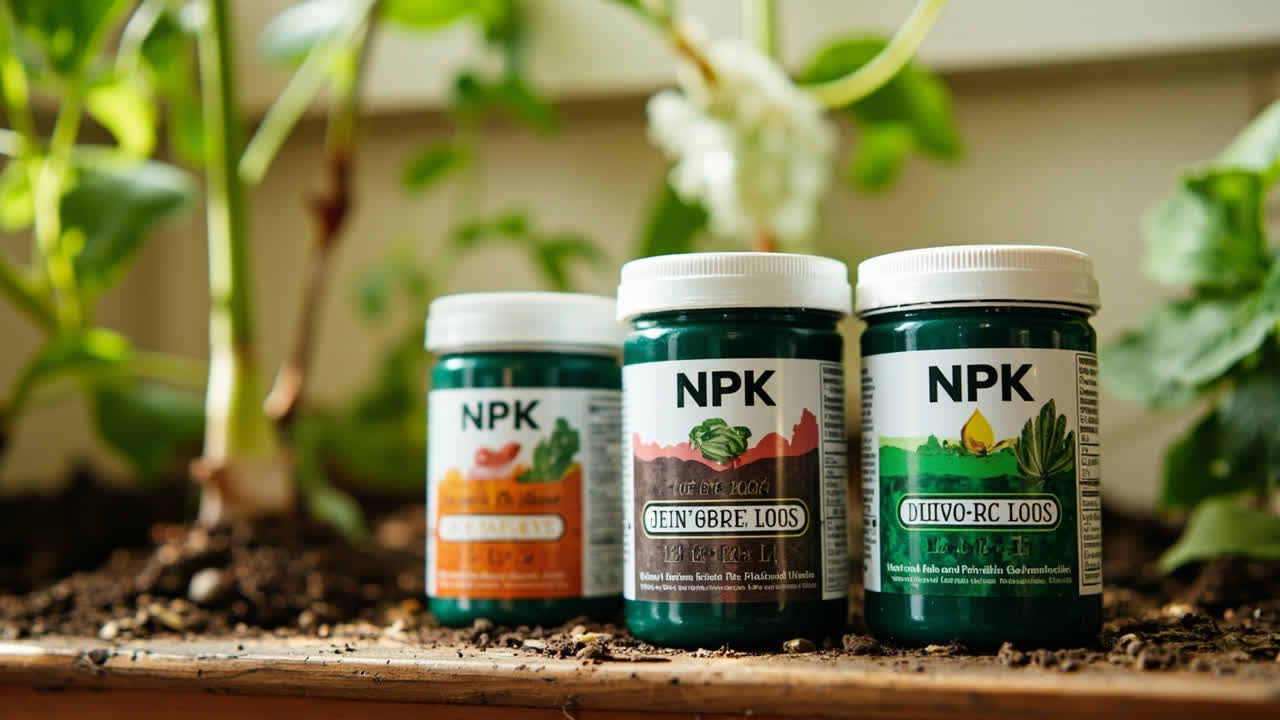
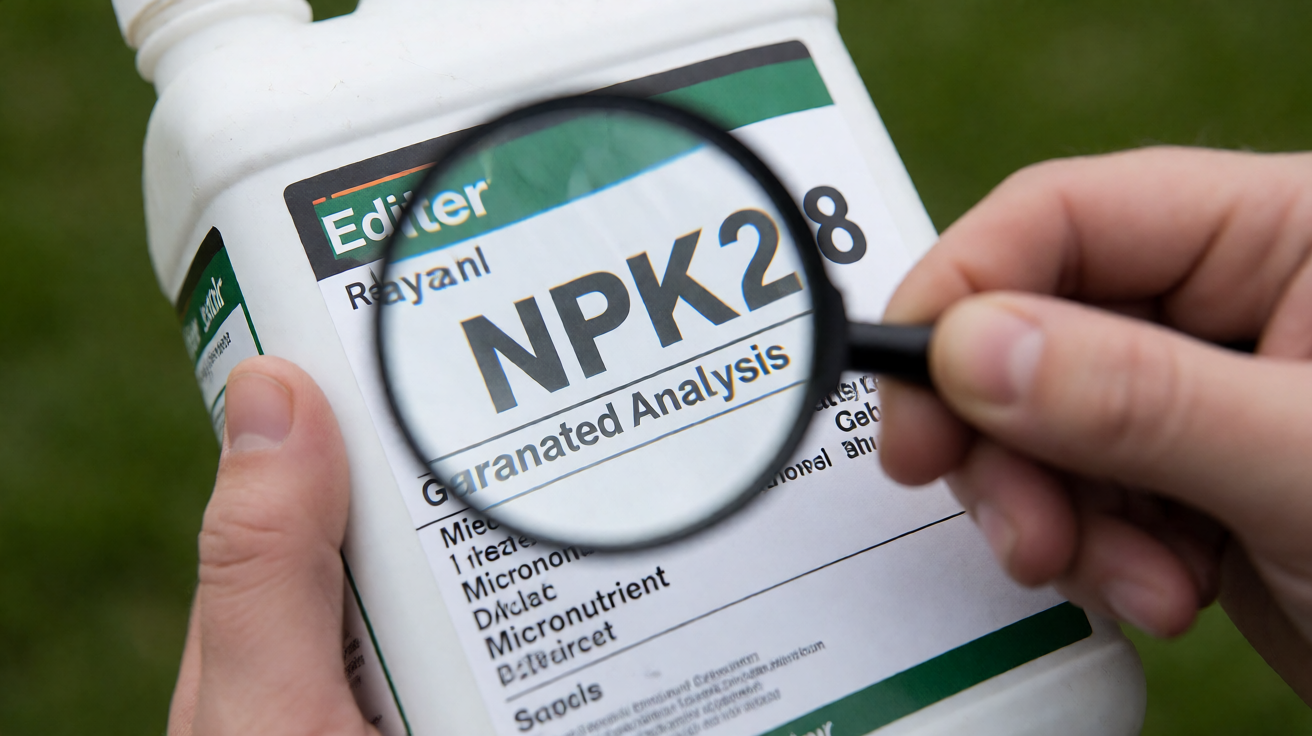
Well, my friend, look no further than the NPK values proudly displayed on those fertilizer labels. NPK stands for Nitrogen, Phosphorus, and Potassium – the holy trinity of plant nutrition. And hey, don’t forget about those micronutrients!
They may be tiny, but they play a crucial role in your plants’ overall health.
2. Nutrient Rich Soil Amendments: The Missing Piece of the Puzzle
So, you’ve fertilized your plants, but something still feels off. Fear not, because nutrient rich soil amendments are here to save the day! These specialized products are like superheroes swooping in to replenish specific nutrients, targeting deficiencies with laser-like precision.
They work their magic by amending your soil, ensuring that it becomes a nutrient powerhouse, ready to nourish your plants from the roots up.
Optimal Nutrient Application and Timing: A Guide to Thriving Plants
1. Mastering Nutrient Ratios: Achieving the Perfect Balance
To ensure your plants receive well-rounded nutrition, it’s crucial to understand the delicate dance of macronutrient ratios (NPK). Think of it as creating a symphony of nutrients that your plants will dance to.
By balancing these ratios according to your plant’s specific needs, you’ll set the stage for their magnificent growth and prosperity.
2. Unveiling the Secrets of Essential Nutrient Application
Ah, the art of applying essential nutrients – it’s like giving your plants a gourmet meal! When utilizing fertilizers or amendments, follow the package instructions as if they were your culinary bible. Apply them evenly, just like a skilled chef would distribute flavor throughout a dish.
And remember, dear gardener, avoid direct contact with the delicate plant tissues. We want to nourish, not harm.
3. The Dance of Timing: Nutrient Application at the Right Moment
Timing is everything, darling, especially when it comes to applying nutrients. Consider your plant’s growth stage and seasonal needs, much like a choreographer would consider the rhythm of a dance routine.
By applying nutrients at the precise moment, you’ll witness a grand performance of growth and vitality. Let nature be your guide, and watch your plants flourish under the spotlight.
The Symptoms of Nutrient Deficiencies in Plants
Nutrient deficiencies occur when plants are not getting the essential elements they need to grow and thrive. These elements, known as macronutrients and micronutrients, play crucial roles in plant development and overall health.
Macronutrients include nitrogen (N), phosphorus (P), and potassium (K), while micronutrients encompass vital elements like iron (Fe), magnesium (Mg), and zinc (Zn).
Spotting nutrient deficiencies in your garden can be challenging, but there are some telltale signs to watch out for. Yellowing leaves, stunted growth, and unusual leaf discoloration are common indicators of specific nutrient deficiencies.
For example, yellowing leaves with green veins often suggest a lack of iron, while purple or red discoloration might signal a phosphorus deficiency.
Nutrient deficiencies in plants can cause various symptoms that can affect their growth and development. Here are some common symptoms to look out for:
| Nutrient | Symptoms |
|---|---|
| Nitrogen (N) | Stunted growth, yellowing leaves, reduced leaf size |
| Phosphorus (P) | Stunted growth, dark green leaves, bluish-green or purple color |
| Potassium (K) | Yellowing or browning leaf margins, scorched appearance |
| Calcium (Ca) | Distorted or stunted growth, distorted or curled leaves |
| Magnesium (Mg) | Yellowing between leaf veins, brittle leaves |
| Sulfur (S) | Yellowing leaves, pale green or yellow appearance |
| Iron (Fe) | Yellowing leaves, starting from younger leaves |
| Zinc (Zn) | Stunted growth, yellowing leaves, small and distorted leaves |
| Copper (Cu) | Stunted growth, yellowing leaves, twisted or curled leaves |
| Manganese (Mn) | Interveinal chlorosis, brittle leaves |
Note: these are general symptoms and can vary depending on the plant species, severity of the deficiency, and growth stage.
Unveiling the Secrets of Soil Testing
If you want to take your gardening game to the next level, then pay close attention to this crucial step: soil testing. Trust me, it’s the secret ingredient to successful gardening that you don’t want to overlook.
1. The Lowdown on Soil Testing: A Gardener’s Best Friend
Picture this: you’re standing in your garden, wondering why that beautiful plant you’ve been nurturing isn’t thriving like you expected.
Well, my friend, soil testing is here to save the day. By conducting regular soil tests, you’ll uncover the mysteries hidden beneath the surface and get a clear picture of your soil’s nutrient levels.
This knowledge is like gold dust in your hands, guiding you to make informed decisions about fertilizer application.
2. Decoding the Soil Test Report: The Art of Nutrient Level Interpretation
Now, let’s dive into the juicy details of interpreting your soil test report. It may look like a bunch of fancy scientific jargon at first glance, but fear not! Armed with a little knowledge, you’ll be able to decipher it like a pro.
Take note of those nutrient levels and their significance. Are there any glaring deficiencies or imbalances that need your attention? Spotting these red flags is the key to unlocking your garden’s full potential.
3. Nurturing Your Garden Back to Health: Tackling Nutrient Deficiencies Head-On
With your soil test results in hand, it’s time to roll up your sleeves and get to work. Say goodbye to those nutrient deficiencies that have been holding your garden back! Armed with this valuable information, you can now take targeted action.
Whether it’s through strategic fertilization or the addition of organic amendments, you’ll be giving your plants the TLC they deserve.
Watch as your garden flourishes and transforms into the oasis you’ve always dreamed of.
Gardening Mistakes to Avoid: Tips for Green Thumbs
1. Don’t Go Overboard with Fertilizer
Sure, plants need their nutrients, but too much of a good thing can be a bad thing. Excessive fertilization not only throws off the delicate balance of nutrients in the soil, but it can also wreak havoc on the environment.
So, follow the recommended dosages and schedules to keep your plants happy and Mother Nature smiling.
2. Remember the pH Factor
Think of soil pH as the secret handshake between your plants and the nutrients they need. If the pH is off, it can mess with the availability of those essential elements.
So, be a soil detective and test that pH level. If it’s not in the sweet spot, make adjustments to create the ultimate growing environment for your green buddies.
3. Keep an Eye on Nutrient Levels
Plants can be a little needy sometimes, and they’ll let you know when they’re not getting enough or getting too much of something. Keep a watchful eye on your plant babies for any signs of nutrient deficiencies or excesses.
If they’re looking a little under the weather, adjust your nutrient application accordingly. It’s like giving them a personalized spa treatment.
Essential Plants Nutrients
Gardening is like creating a masterpiece, where science and art come together. To make your garden thrive, you need to know what essential nutrients your plants crave and give them the perfect balance.
Armed with this guide, you’re ready to transform your garden into a lush paradise that will fill your heart with joy.
Get your gardening game on and let the greenery flourish. Happy gardening, my friend!
Turn PDF Bank Statements Into Workable Spreadsheets
Your bank statement is a mess of numbers, but your books shouldn't be. Use our converter to get Excel, CSV, or QBO files — ready for QuickBooks.
Try It Free Now