
Hey there, gardening enthusiasts! I’ve got a secret that will make your garden bloom like never before: organic fertilizer. It’s time to unlock the magic of organic fertilizers and let your plants thrive like never before.
Get ready for a journey into the heart of organic gardening and discover how these natural wonders can turn your garden into a lush paradise.
Organic Fertilizer: Quick Guide
Sick of those nasty chemical fertilizers that harm your plants and the planet? Organic fertilizer is here to save the day!
It’s all about going back to basics and giving your garden the nourishment it craves in a natural, eco-friendly way.
So What is Organic Fertilizer Anyway? Think of organic fertilizer as Mother Nature’s secret weapon. It’s made from living things or their byproducts, skipping all those synthetic chemicals. Instead, it harnesses the power of nature to give your plants the nutrients they need to thrive.
Why Choose Organic Fertilizer?
Here’s why going organic is a no-brainer:
- Healthy Soil, Happy Plants: Organic fertilizers do wonders for your soil. They help with moisture retention, improve soil structure, and boost nutrient levels. This creates a perfect home for beneficial microbes and leads to healthy plant growth.
- Safety First: Unlike chemical alternatives that can harm both plants and people, organic fertilizers are gentle on everyone involved. No more worrying about burning your precious plants or exposing yourself to toxic substances.
- Save the Earth: By choosing organic fertilizer, you’re doing your part for a greener future. You’ll reduce pollution and protect water quality. It’s like giving Mother Earth a big virtual hug!
Get to Know Your Options
There are plenty of organic fertilizers out there to suit every gardener’s needs. Take a look at these popular choices:
- Compost: This superstar fertilizer is made from decomposed plant materials. It enhances soil quality and provides essential nutrients for your plants.
- Manure: Animal manure might not sound glamorous, but it’s packed with nutrients like nitrogen, phosphorus, and potassium. Just make sure to compost it before using.
- Bone Meal: Made from animal bones, this fertilizer is a rockstar when it comes to root development and flower production. It’s all about that phosphorus power!
- Fish Emulsion: If you want your plants to grow lush and green, fish emulsion is your go-to. It’s a liquid fertilizer rich in nitrogen that works wonders for promoting healthy growth.
Tips for Success
Here are some expert tips to help you make the most of organic fertilizers:
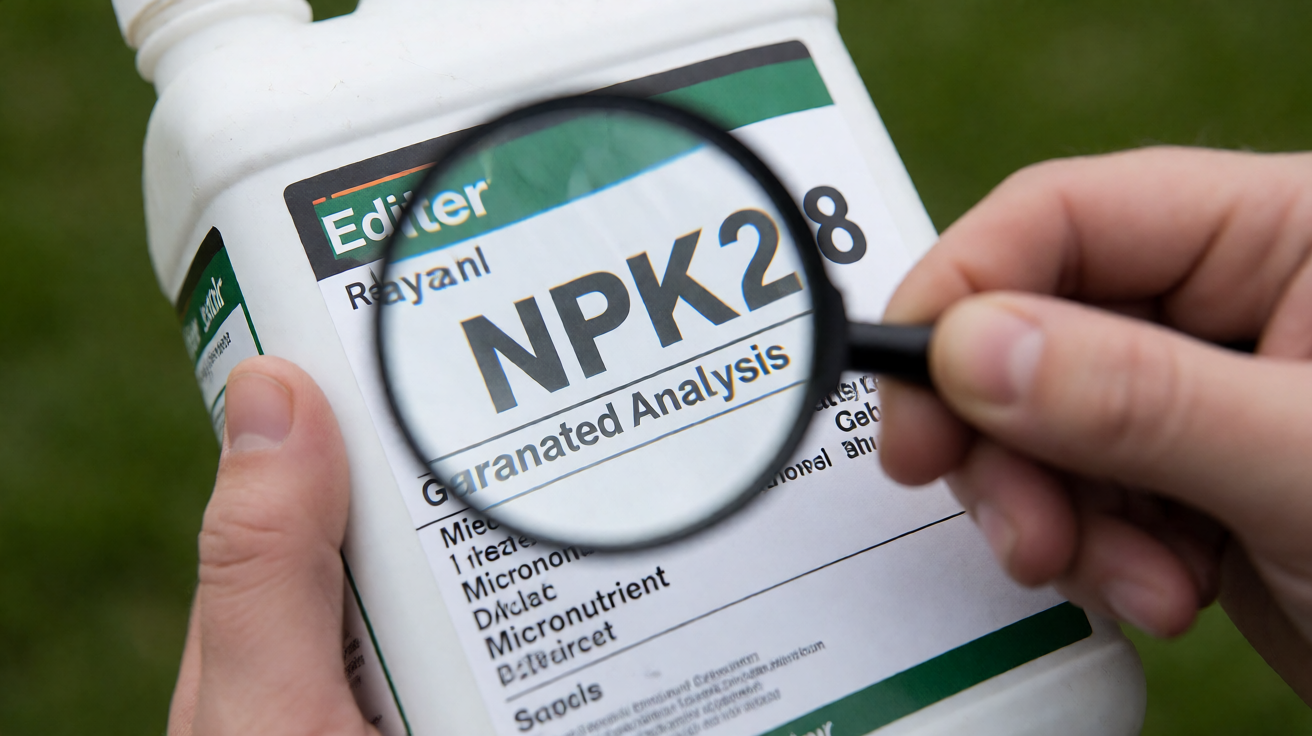
- Read and Follow Instructions: Don’t skip the fine print! Take the time to read the instructions on the package. They’ll tell you how much to use and when to apply it.
- Timing is Everything: Apply organic fertilizers during the growing season or as recommended for specific plants. Avoid late fall or winter applications when your plants are taking a nap.
- Store with Care: Keep your organic fertilizer in a cool, dry place to maintain their potency. Seal those bags tightly to keep moisture out.
It’s time to give your garden some serious TLC with organic fertilizer. Wave goodbye to chemicals and hello to happy, thriving plants. Mother Nature will thank you, and so will your gorgeous garden!

The Organic Fertilizer Advantage: A Green Approach to Plant Nutrition
So, what’s the big deal with organic fertilizers? Well, let me tell you – they’re the superheroes of gardening! Unlike their synthetic counterparts, organic fertilizer are all about going green.
Picture this – they release nutrients slowly and steadily, giving your plants a continuous supply of nourishment without any nutrient overdose.
Made from natural sources like plant and animal matter, they nourish your soil, pamper your plants, and leave the Earth smiling.
Benefits of Organic Fertilizers:
- Gentle on Soil, Mighty for Growth: The magic doesn’t stop there! Organic fertilizers work wonders for your soil. They enrich it with organic matter, which enhances soil structure, improves water retention, and boosts beneficial microbial activity. Happy soil means happy plants!
- Environmental Heroes: Think green, gardeners! When you choose organic fertilizers, you’re making a positive impact on the planet. They reduce the risk of water pollution, keep harmful chemicals away from aquatic life, and support a more sustainable approach to gardening.
- Harvest the Rewards: Get ready to see your garden flourish like never before. With organic fertilizers, you’ll witness healthier plants, vibrant blooms, and tastier veggies. Plus, you’ll be fostering a garden ecosystem that’s in harmony with nature.
Types of Organic Fertilizers: Unearthing Nature’s Bounty
1. Plant-Based Organic Fertilizers
Picture this: a nutrient-rich feast for your plants, and they’re loving every bite. That’s what you get with plant based organic fertilizers – pure plant food heaven!
- Blood Meal: It’s like a supercharger for your plants. Jam-packed with nitrogen, it revs up growth and makes those leafy greens reach for the sky. Just a sprinkle, and they’ll be off to the races.
- Bone Meal: Root development, anyone? Bone meal’s got you covered. Bursting with phosphorus, it’s a must-have for flowers, bulbs, and anything that wants strong roots. Mix it in before planting, and watch those roots do their happy dance.
- Compost: Oh, the king of organic gardening! Compost is a mix of kitchen scraps, yard waste, and more. It’s a party in a pile, packed with nutrients and beneficial microbes. Dump it in, and your soil will thank you with an explosion of life.
- Green Manure: Time to give your soil a spa day. Green manure, like cover crops, fixes nitrogen right into the soil, making it happy and healthy for your next planting season.
- Seaweed Fertilizer: Ahoy there! Seaweed to the rescue. Loaded with minerals and growth hormones, it’s like a spa day for your plants. Say goodbye to stress, and hello to healthy growth!
2. Animal-Based Organic Fertilizers
These guys know how to recycle like pros. Animal based organic fertilizers use natural waste to give your garden a major nutrient boost.
- Manure: Yes, we’re talking about poop – garden gold! Animal manure is a nutrient powerhouse with nitrogen, phosphorus, and potassium. But wait, don’t just toss it in! Compost it first to avoid burning your plants.
- Chicken Manure: It’s the goldilocks of manures – just right! Balanced and full of nutrients, it’s perfect for a variety of plants. Let it compost to perfection for happy, healthy growth.
- Worm Castings: Welcome to the VIP section of organic fertilizers. Worm castings are the cream of the crop – nutrient-rich, pH-balanced, and full of beneficial microorganisms. Give them a front-row seat in your garden, and your plants will be singing their praises.
3. Mineral-Based Organic Fertilizers: Nature’s Nutrient Powerhouses
Imagine harnessing the Earth’s ancient magic to feed your garden. That’s exactly what mineral based organic fertilizers do. They’re derived from natural sources, which means they’re not only effective but also eco-friendly.
Mineral-based organic fertilizers are rich in various essential minerals, like magnesium, sulfur, and calcium. They’re like a buffet of goodness for your plants, helping them grow strong and healthy.
One of the top guns in the mineral-based game is rock phosphate. It’s like a slow-release booster, providing your plants with a steady supply of phosphorus. Strong roots, robust blooms, and luscious fruits – that’s what rock phosphate brings to the party.
One of the coolest things about mineral-based organic fertilizers is their lasting impact. They enrich your soil and provide nutrients to your plants for the long haul, giving you sustained growth and better yields.
The Marvelous Impact of Organic Fertilizers on Soil Health
Let’s dig a little deeper into the magic of organic fertilizer and how they work their wonders on soil health.
Understanding the Importance of Soil Structure
- Soil Texture and Its Impact on Plant Growth: Sandy or clay? It’s a big deal for your plants. Organic matter from fertilizers can jazz up both soil types, giving your plants the best of both worlds.
- Soil Aeration and Water Drainage for Healthy Roots: Your roots need room to breathe! A well-structured soil allows for proper aeration, so your plants can take in all the nutrients and water they need to flourish.
Organic Matter and Nutrients in Soil
- Essential Nutrients for Plant Growth
- Nitrogen: Food for the green machine! Nitrogen is vital for lush, green foliage and vigorous growth. Organic fertilizers like blood meal and compost are your nitrogen superstars, keeping your plants happy and green.
- Phosphorus: All about those roots! Phosphorus promotes strong root development, making it essential for flowering and fruiting plants. Bone meal and compost are your go-to sources for this important nutrient.
- Potassium: The plant protector! Potassium helps your plants build resilience against stress and diseases. Get your potassium fix from wood ash or compost enriched with banana peels.
How To Use Organic Fertilizers: A Green Thumb’s Guide
Now that we’ve got our green thumbs flexed, it’s time to talk about how to use organic fertilizers effectively.
Step 1: Know Your Plants’ Appetite
Before diving into the organic goodness, get to know your plants’ nutrient cravings. Different plants have different needs at different stages. Leafy greens, for example, adore nitrogen, while flowering plants fancy a dose of phosphorus. Research your plant pals and cater to their appetite accordingly.
Step 2: Timing is Everything
Timing is key when it comes to organic fertilizers. Apply them during the growing season to give your plants the nourishment they need when they need it most. Avoid fertilizing during dormant periods, as it won’t do much good.
Step 3: Less is More
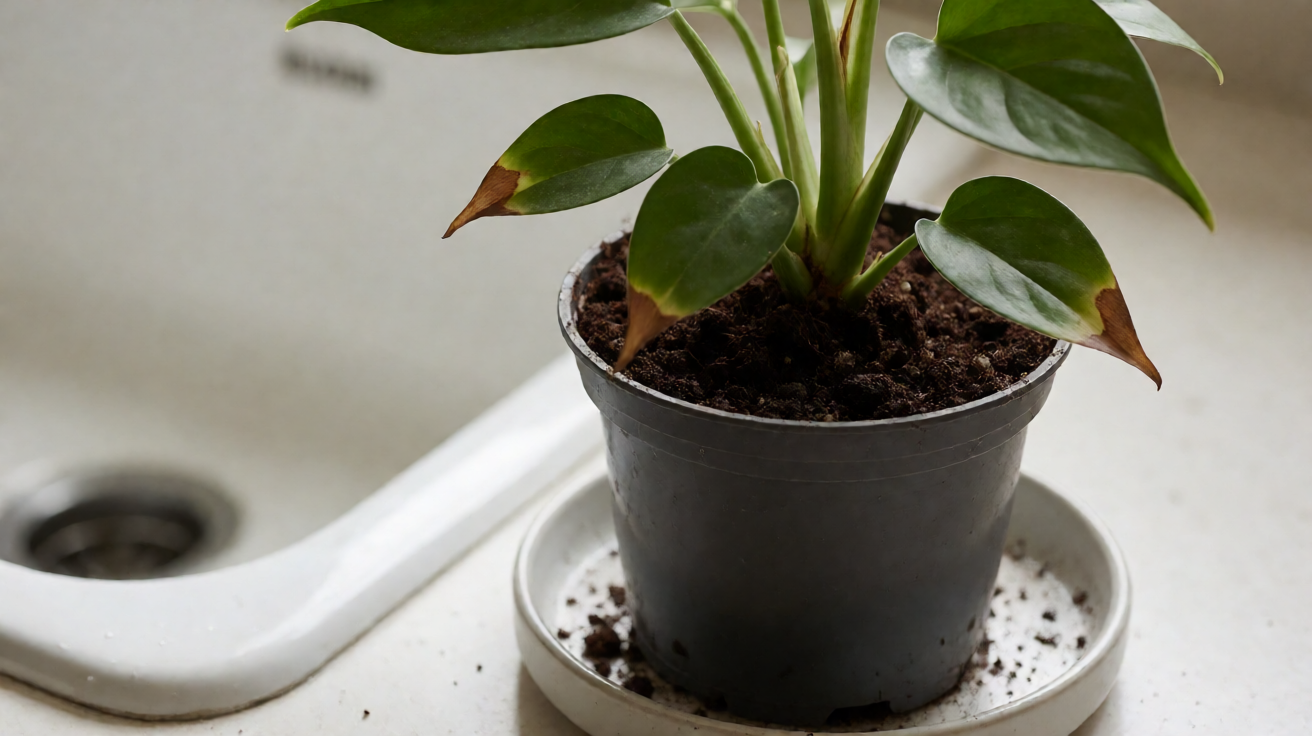
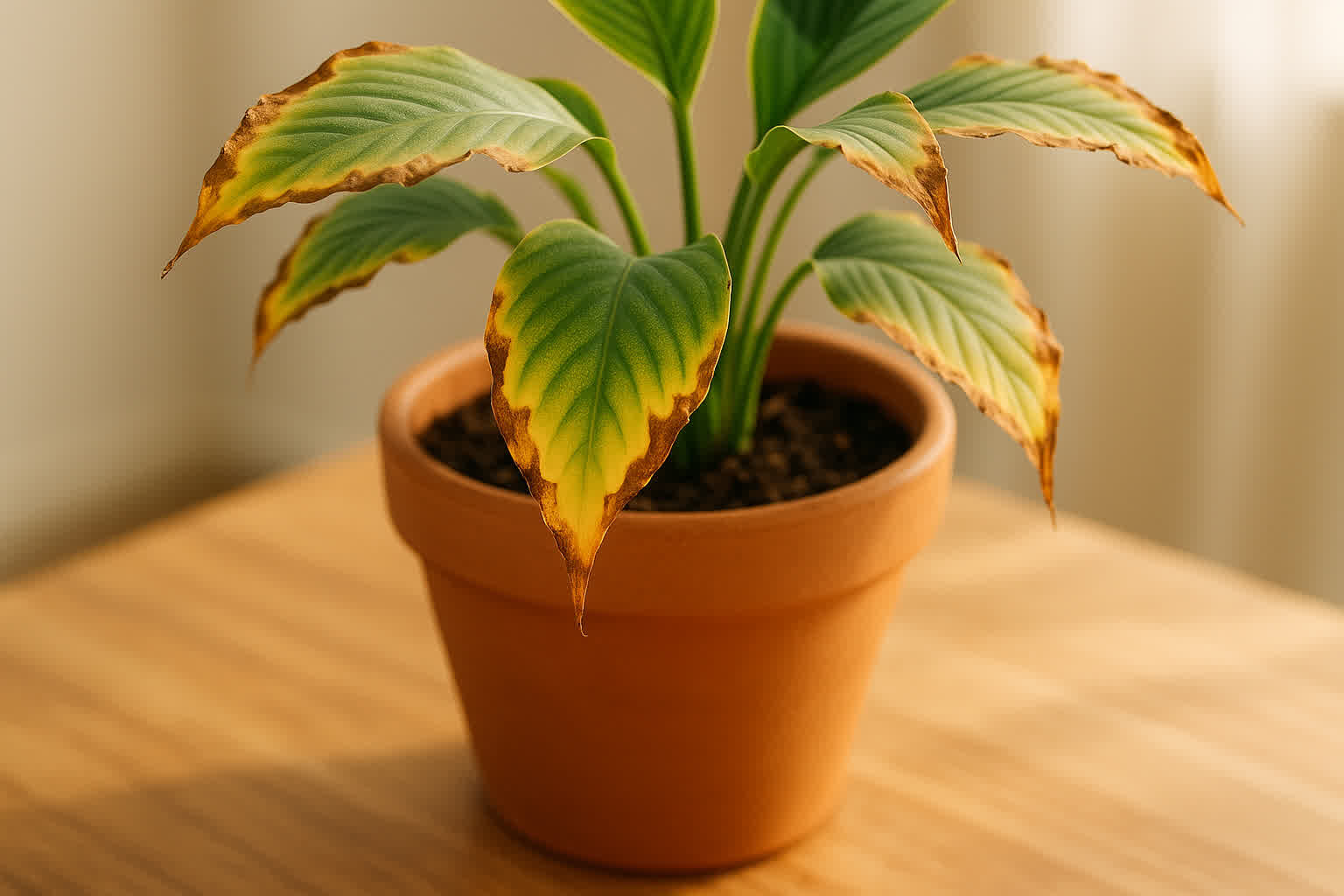
Remember, my friends, moderation is the name of the game. Over-fertilizing can spell trouble for your plants, leading to nutrient imbalances and even burnt leaves. So, sprinkle those organic wonders with a gentle hand.
Step 4: Feed the Soil, Feed the Soul
Your soil is like the foundation of your garden’s soul. So, treat it right! Mix organic matter like compost into the soil to improve its structure and fertility. This helps your plants access nutrients and water more efficiently.
Step 5: Mix and Match
The beauty of organic fertilizers lies in their versatility. Mix and match different types to create a customized nutrient blend for your garden. Plant-based, animal-based, or mineral-based – the choice is yours!
Step 6: Water Wisely
Once you’ve applied those organic gems, give your garden a good drink of water. This helps activate the fertilizers and ensures nutrients penetrate deep into the soil, reaching those thirsty roots.
Step 7: Monitor and Adjust
Be your garden’s guardian! Keep an eye on your plants and observe how they respond to the organic fertilizers. Adjust your feeding schedule if needed to keep everything in balance.
Step 8: Compost: The Gardener’s Gold
Want to take your organic game to the next level? Create your own compost! Gather kitchen scraps, yard waste, and even coffee grounds to cook up a batch of nutrient-rich goodness. Your plants will thank you with flourishing growth!
Step 9: Give it Time
Organic fertilizers are like slow-dance partners with your plants. They release nutrients gradually, so be patient. Rome wasn’t built in a day, and neither is a lush, green garden. But trust me, it’s worth the wait!
Step 10: Spread the Green Love
Share the green goodness with your gardening buddies! Spread the word about the magic of organic fertilizers. Let’s all join hands to nurture our gardens and create a greener, healthier world together.
Organic vs. Synthetic Fertilizers: Making an Informed Choice
Okay, it’s time to put on our thinking caps and understand the difference between organic and synthetic fertilizers. Ready?
Pros and Cons of Synthetic Fertilizers
- Quick-Release Nutrients but Short-Term Effects: Synthetic fertilizers deliver a quick nutrient fix, but the effect may not last long. Your plants might become dependent on frequent applications, like they’re stuck on a sugar rush.
- Environmental Concerns and Water Pollution Risks: Here’s the not-so-pretty side of synthetics. They can sneak into the groundwater and cause pollution, which is bad news for the environment and our aquatic friends.
Pros and Cons of Organic Fertilizers
- Steady Nutrient Release for Long-Term Plant Nourishment: Organic fertilizers play it cool. They release nutrients gradually, providing your plants with a steady stream of goodness for sustained growth. No sugar crashes here!
- Improved Soil Health and Microbial Activity: are all about teamwork. They foster beneficial microbial communities in the soil, improving its structure and giving your plants a happy place to call home.
- Reduced Risk of Soil Compaction and Erosion: Want your soil to breathe easy? Organic matter in organic fertilizer improves soil structure, helping water drain freely and roots to spread their wings.
- Lesser Environmental Impact and Sustainability: Green is the way to go! Organic fertilizers are made from renewable resources, so you can garden with a clear conscience.
| Aspect | Organic Fertilizers | Synthetic Fertilizers |
|---|---|---|
| Source | Derived from natural materials (plant and animal-based) | Manufactured from synthetic compounds |
| Nutrient Release | Slow and steady release of nutrients | Quick-release of nutrients |
| Nutrient Composition | Balanced nutrients with organic matter | Specific nutrient ratios |
| Soil Health Benefits | Enhances soil structure and microbial activity | Limited contribution to soil health |
| Environmental Impact | Environmentally friendly, reduces water pollution risk | Potential water pollution risk and environmental impact |
| Sustainability | Renewable resources, supports eco-friendly practices | Non-renewable resources, may require more applications |
Benefits of Using Organic Fertilizer Over Chemical Fertilizer
Organic fertilizers are the superheroes of the farming world, leaving their chemical counterparts in the dust. Check out the incredible perks they bring to the table:
- Budget-friendly: Forget breaking the bank! Organic fertilizers are a budget-savvy choice for farmers. They’re cheaper to make, which means lower production costs and more money in their pockets.
- Nutrient boosters: Plants rejoice when they encounter organic fertilizers. These powerhouses ramp up the nutrient content plants need to thrive. The result? Increased productivity, and growth that’ll make your plants say, “Wowza!” Roots, stems, and leaves flourish like never before.
- Soil saviors: Organic fertilizers come to the rescue when it comes to soil health. They work their magic by loosening and nourishing the soil, making it the perfect playground for plants. Say goodbye to compacted dirt and hello to soil that’s bursting with vitality.
- Jack-of-all-trades: Organic fertilizers are like the Swiss Army knives of the gardening world. They can take on multiple roles, from eco-enzymes to organic liquid fertilizer, compost, and biochar. Versatility at its finest!
- Cool temperature champions: Even chilly weather can’t stop organic fertilizers from working wonders. They’ve been proven to enhance the growth and quality of chili pepper seedlings, even when the temperature drops. Talk about defying the odds!
But wait, there’s more! Chemical fertilizers may seem like the easy way out, but they come with their own set of problems:
- Soil fertility blues: The use of chemical fertilizers can send soil fertility spiraling downwards, resulting in disappointingly low crop yields. Not exactly what farmers want to hear.
- Environmental troublemakers: Chemical fertilizers have a dark side. They contribute to climate change, deplete precious freshwater resources, harm soil fertility, and pollute the environment. Yikes!
That’s why organic farming, with its reliance on organic fertilizers, steals the show. It’s a sustainable alternative to conventional farming, leaving traditional methods in the dust.
The benefits are crystal clear!
Expert Actionable Tips:
- Go Organic for Long-Term Growth: Opt for organic fertilizers to enjoy sustained plant nourishment and healthier soil.
- Compost Like a Pro: Create nutrient-rich compost using a mix of kitchen scraps, yard waste, and organic materials. Turn your compost pile regularly for faster decomposition.
- Customize Your Fertilizer: Perform a soil test to understand your soil’s needs and adjust your organic fertilizer use accordingly.
- Choose Certified Products: Look for the OMRI certification to ensure you’re using genuine organic fertilizers.
- Avoid Over-Fertilization: Follow recommended application rates to prevent nutrient imbalances and protect your plants from harm.
Key Takeaways:
- Organic fertilizers provide a green approach to plant nutrition, offering gradual and sustained nutrient release.
- Plant-based organic fertilizers, like blood meal and compost, boost plant growth and enrich soil health with their nutrient-packed goodness.
- Animal-based organic fertilizers, such as chicken manure, vermicomposting, and worm castings, offer balanced nutrients and support beneficial soil microorganisms.
- Understanding the pros and cons of organic and synthetic fertilizers empowers gardeners to make eco-friendly choices.
- Improving soil health through organic matter and proper fertilization enhances plant growth and resilience.
- Composting kitchen and yard waste creates nutrient-rich compost for a healthier garden ecosystem.
- Soil testing helps identify nutrient deficiencies, guiding customized fertilizer use for optimal plant health.
- Choosing OMRI-certified organic fertilizers ensures gardening with integrity and supporting sustainable practices.
Organic Fertilizers: Embrace the Green Revolution in Your Garden
There you have it, fellow gardeners – the secret to a flourishing garden is all in the power of organic fertilizer. By going green, you’re not only nourishing your plants but also making a positive impact on the environment.
So let’s celebrate the magic of organic fertilizers and create gardens that are bursting with life and beauty.
From aqualogi: Happy gardening, everyone!
FAQ
Q: What is the best organic fertilizer?
A: The best organic fertilizer is one that provides a balanced mix of nutrients and fosters sustainable plant growth. Plant-based organic fertilizers like compost and blood meal, along with animal-based options such as worm castings and chicken manure, are excellent choices for nourishing your garden naturally.
Q: What are 5 organic fertilizers?
A: Here are five fantastic organic fertilizers to supercharge your garden:
- Compost: The all-star of organic gardening, made from kitchen scraps and yard waste.
- Blood Meal: A nitrogen-rich booster for rapid plant growth.
- Worm Castings: Nutrient-packed and teeming with beneficial soil microbes.
- Chicken Manure: A well-balanced source of nutrients for a variety of plants.
- Seaweed Fertilizer: A mineral-rich, ocean-inspired treat for your greens.
Q: What is organic fertilizer in agriculture?
A: In agriculture, organic fertilizer refers to naturally-derived plant and animal-based fertilizers that enhance soil fertility and provide essential nutrients to crops. They are a sustainable and eco-friendly alternative to synthetic fertilizers, promoting healthier soil and more nutritious produce.
Q: What type of fertilizer is organic?
A: Organic fertilizers are derived from living organisms or natural substances. They include compost, manure, worm castings, seaweed fertilizer, and other plant or animal-based materials that enrich the soil with essential nutrients and encourage beneficial microbial activity.
Q: What is inorganic fertilizer?
A: Inorganic fertilizer, also known as chemical fertilizer, is manufactured from synthetic compounds. Unlike organic fertilizers, they don’t come from natural sources. Inorganic fertilizers are quick-release and provide rapid nutrient fixes to plants but may have long-term environmental impacts and may not promote soil health as effectively as organic alternatives.
Q: How can I boost soil fertility for my vegetable garden?
A: To boost soil fertility in your vegetable garden, consider using organic fertilizers like compost, worm castings, and well-aged manure. These nutrient-rich options improve soil structure, encourage beneficial soil microbes, and provide the essential elements that vegetables need for healthy growth.
Q: What is the purpose of fertilizer in gardening?
A: The purpose of fertilizer in gardening is to replenish soil nutrients and provide essential elements that plants need to grow and thrive. Fertilizers support healthy plant development, improve soil fertility, and contribute to higher yields and better harvests.
Q: Can organic fertilizers be used in organic production?
A: Absolutely! Organic fertilizers are the heart and soul of organic production. They align perfectly with the principles of sustainability, environmental stewardship, and natural nutrient replenishment, making them an essential component of organic farming practices.
Q: How do amino acids benefit plants in organic fertilizers?
A: Amino acids in organic fertilizers serve as building blocks for proteins, enzymes, and other vital compounds that plants need for growth and development. They enhance nutrient absorption, promote root development, and contribute to overall plant health and resilience.
Q: Is liquid seaweed a good organic fertilizer?
A: Yes, liquid seaweed is an excellent organic fertilizer. It’s packed with essential minerals, growth hormones, and trace elements that promote robust plant growth and enhance soil health. Its application through foliar feeding or root drenching can provide quick and efficient nutrient absorption for your plants.
Q: How do soil microbes contribute to soil health?
A: Soil microbes play a crucial role in soil health. They help decompose organic matter, release nutrients for plant uptake, and improve soil structure. Additionally, they protect plants from harmful pathogens and diseases, creating a thriving and balanced garden ecosystem.
Q: What benefits do mineral-based fertilizers, like rock phosphate, offer to plants?
A: Mineral based fertilizers, such as rock phosphate, provide slow-release nutrients, making them valuable for long-term plant nourishment. They are a reliable source of phosphorus, promoting strong root systems, flowering, and fruit development for your beloved plants.
Q: How do worm castings act as a soil conditioner?
A: Worm castings are the ultimate soil conditioners! Worm casting enhance soil structure, improving aeration and water retention. Their high organic matter content enriches the soil, providing a perfect environment for beneficial soil microbes to thrive and support plant growth.
Turn any PDF statement into a clean sheet
Skip the typos and the hours of copying. Our converter handles any bank statement format and outputs Excel, CSV, or QBO for QuickBooks. No file retention, free to try.
Convert your statement