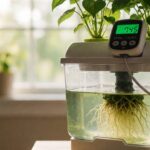
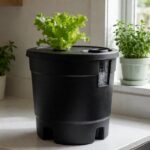
There’s a special kind of joy in watching your garden flourish, and using the right liquid fertilizer can feel like unlocking a secret to vibrant plant growth.
That feeling of quiet pride when a new leaf unfurls on your favorite houseplant, or when your tomatoes are bursting with the promise of a summer harvest, is what makes gardening so rewarding.
Think of the liquid fertilizers as an energizing smoothie for your plants!
A good liquid feed delivers essential plant nutrients directly where they’re needed, and fast.
It’s my secret weapon for perking up sad-looking plants in container gardening and ensuring my vegetables get the fuel they need for a bountiful crop yield.
What Is Liquid Fertilizer and Why Do Plants Love It?
At its heart, a liquid plant food is a concentrated nutrient solution designed to be diluted with water. It can be a premixed liquid or a water-soluble fertilizer in powder form that dissolves completely.
The real magic is its immediate nutrient availability. Because the nutrients are in a solution, plant roots absorb them almost instantly. This makes this type of plant food incredibly fast-acting, providing a quick boost when plants need it most.
Understanding NPK Ratios and Micronutrients
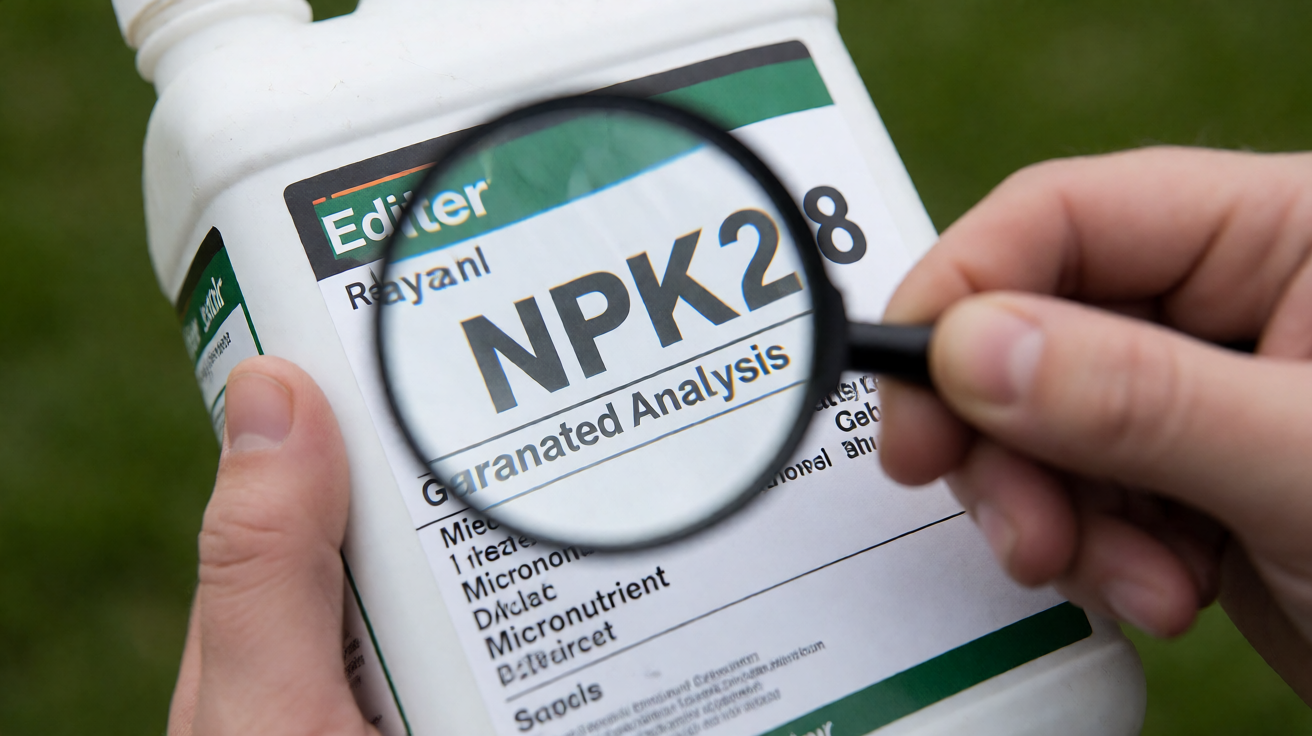
When you look at a bottle, you’ll see three numbers prominently displayed. This is the NPK ratio, and it’s the key to understanding what you’re giving your plants.
- N (Nitrogen): This is the green-up nutrient, essential for promoting lush, leafy plant growth.
- P (Phosphorus): This powerhouse focuses on strong root development, vibrant flowers, and healthy fruit production.
- K (Potassium): Think of this as the all-around health booster, improving a plant’s resistance to disease and stress.
Many formulas also contain essential micronutrients like iron and zinc. This immediate nutrient boost is why a liquid fertilizer is so effective for plants showing signs of a nutrient deficiency.

When Should You Use a Liquid Feed for Your Garden?
While plants in rich garden soil rarely need routine feeding, a liquid feed is a game-changer in specific situations.
It’s a cornerstone of my plant care routine for:
- Houseplants and Indoor Plants: Potted plants have limited soil, and watering flushes out nutrients. A regular liquid feed during the growing season (typically April–September) keeps them vibrant.
- Container Gardening: My porch pots filled with flowers, herbs, and vegetables depend on me to replenish their food supply.
- Seedlings and Young Plants: A diluted, gentle feed helps tiny plants establish strong roots for a healthy start.
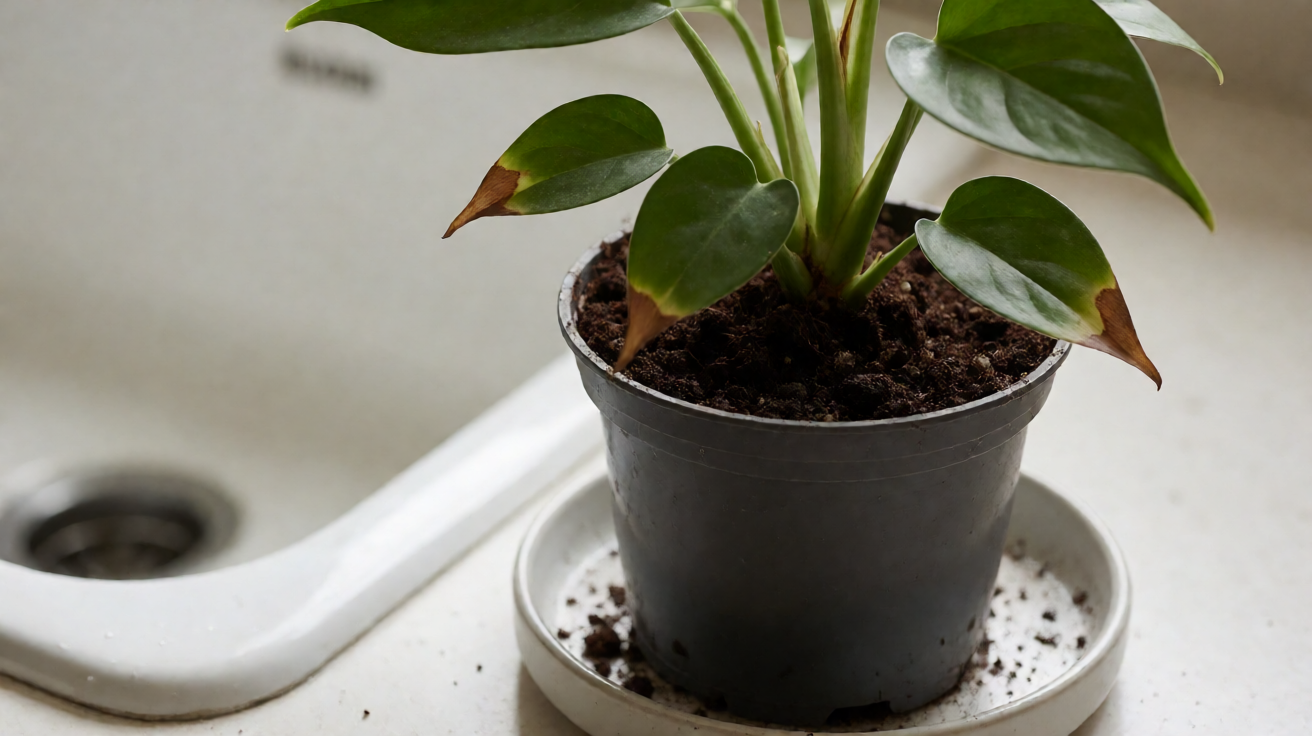
- Correcting Deficiencies: When you see yellowing leaves or stunted growth, a quick dose can often bring a plant back from the brink.
Choosing the Best Liquid Fertilizer: Organic vs. Synthetic
The fertilizer aisle can feel overwhelming, but the choices generally fall into a few simple categories: organic or synthetic fertilizer, and each with its own benefits for your home gardening needs.
The Natural Touch: Organic Liquid Fertilizer
Organic liquid fertilizer options are derived from natural sources. I love using gentle but effective choices like fish emulsion, seaweed extract, or a rich compost tea.
They not only feed the plant but also improve soil health and soil life.
The Fast-Acting Boost: Synthetic Liquid Fertilizer
These inorganic formulas, often called Synthetic Liquid Fertilizer, are scientifically crafted to be highly concentrated.
You’ll find all-purpose plant fertilizer for general growth and specialized blends, like a high-potassium “tomato feed” perfect for encouraging blooms on roses and better yields from fruit trees.
Liquid Fertilizer Quick Comparison
| Category | Organic Liquid (e.g., Seaweed/Fish) | Inorganic Liquid (e.g., Soluble All-Purpose) |
| Typical Role | Provides fast nutrient availability with a smaller environmental footprint. Great for containers and general growth support. | Fast-acting, concentrated solutions designed for a quick response and to meet specific growth goals. |
| Example Analyses | A fish–seaweed blend around 2–3–1 NPK offers balanced, gentle feeding. | An all-purpose soluble formula might be 24–3.5–13.3 for vigorous growth, while a tomato feed could be 4–1.3–6.6 for flowering/fruiting. |
| When to Prefer | When you’re seeking organic-certified sources, gentler feeding, or have environmental considerations. | When you need a higher analysis or a targeted nutrient ratio for a rapid effect. |
The DIY Option: Homemade Liquid Fertilizer
For the eco-conscious gardener, creating your own homemade liquid fertilizer is incredibly rewarding!
A simple compost tea can be made by steeping finished compost in water for a day or two. Strain the liquid to create a gentle, nutrient-rich feed for your plants.
How to Apply Liquid Plant Food for Best Results
Getting that liquid gold to your plants is simple. The two most common methods are the soil drench and foliar feeding.
1. The Standard Method: Applying as a Soil Drench
Soil drench is the go-to method for most situations… You simply mix your concentrated fertilizer with water in a watering can and apply it to the soil around the base of your plants.
Soil drench delivers the nutrient solution directly to the roots for maximum nutrient absorption.
For lawn care, a hose-end sprayer works well for larger areas.
2. A Targeted Boost: Using Foliar Feeding
Foliar feeding involves spraying a very diluted fertilizer solution onto a plant’s leaves. It’s a great way to quickly correct a specific micronutrient deficiency.
However, I use it sparingly, as it’s more of a supplement than a primary feeding strategy.
Getting the Dosage Right: How Much Fertilizer Is Too Much?
If there’s one piece of advice I can impress upon you, it’s this: more is not better! Over-fertilizing can burn your plants’ roots and do more harm than good.
- Always Read the Label: Follow the dilution instructions precisely, whether you have a concentrated fertilizer or a ready-to-use fertilizer.
- Err on the Side of Caution: When in doubt, use a weaker solution. For my houseplants, I often mix the fertilizer at half or even quarter strength.
- Don’t Fertilize Dry Plants: Water your plants with plain water first, then apply the fertilizer solution to avoid shocking the roots.
Is It Thirsty or Hungry? A Pre-Fertilizing Checklist
Remember, fertilizer is not a magic cure-all. Before you feed, take a moment to rule out other issues.
- Is the soil properly moist? Over- and under-watering can mimic signs of a nutrient deficiency.
- Is the plant getting enough light? A plant in the wrong spot won’t thrive, no matter how much you feed it.
- Are there any signs of pests or disease? Check under leaves and around stems for unwelcome visitors.
- Is the plant root-bound? A plant that has outgrown its pot may need fresh soil, not more fertilizer.
Sustainable Gardening: Preventing Nutrient Runoff
Being a good gardener means being a good steward of the environment. Overuse of fertilizers can lead to nutrient runoff, which pollutes waterways.
By feeding only when necessary, you can prevent this. And, of course, always store plant fertilizer products safely away from children and pets.
Liquid Fertilizers for Home Gardening
Ultimately, think of liquid fertilizers as one of your best allies in the rewarding journey of gardening. It’s not a daily necessity, but a powerful tool to provide a quick, targeted boost of plant nutrients exactly when your plants need it most.
By understanding the basics of what’s in the bottle and how to apply it with a gentle hand, you can confidently nurture everything from your indoor jungle of houseplants to a thriving outdoor container gardening display.
Listen to your plants, feed them when they’re hungry, and most importantly, enjoy the beautiful results of your care!
Happy gardening!
Turn PDF Bank Statements Into Workable Spreadsheets
Your bank statement is a mess of numbers, but your books shouldn't be. Use our converter to get Excel, CSV, or QBO files — ready for QuickBooks.
Try It Free Now