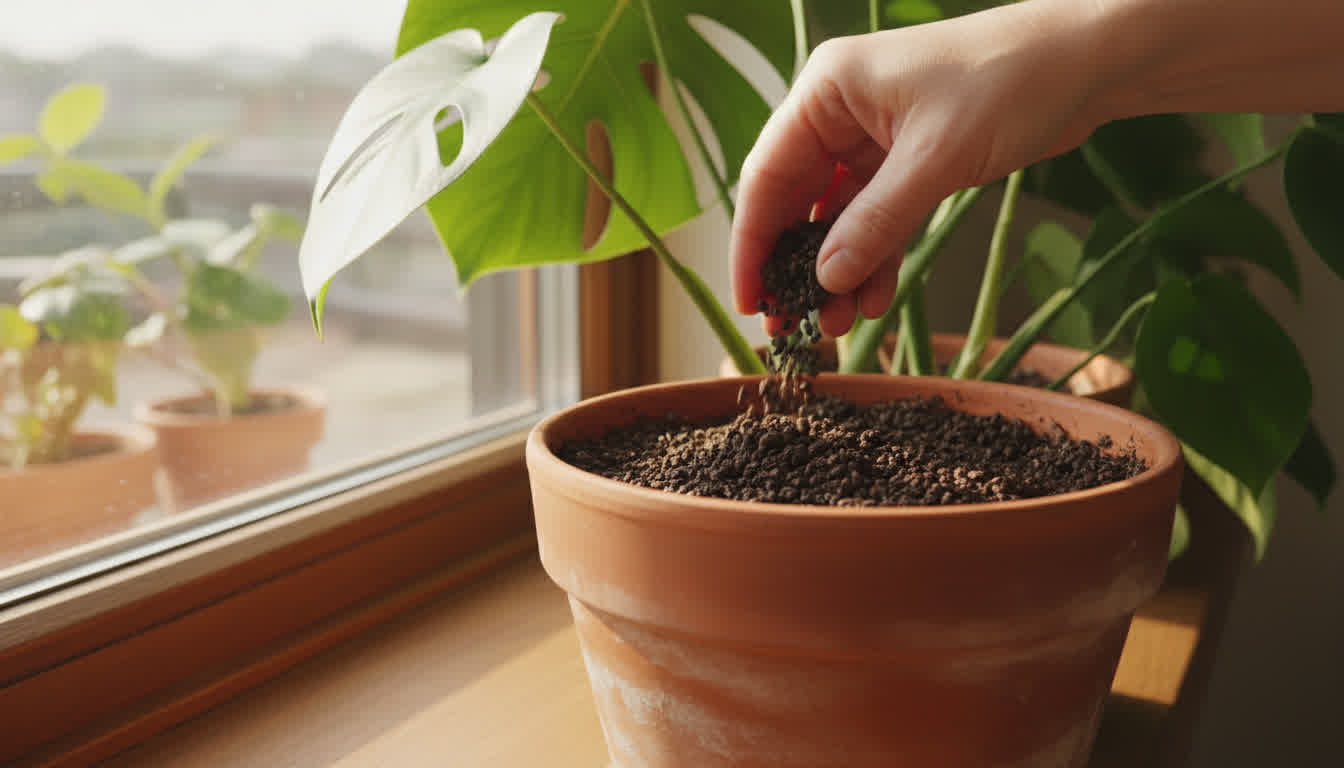
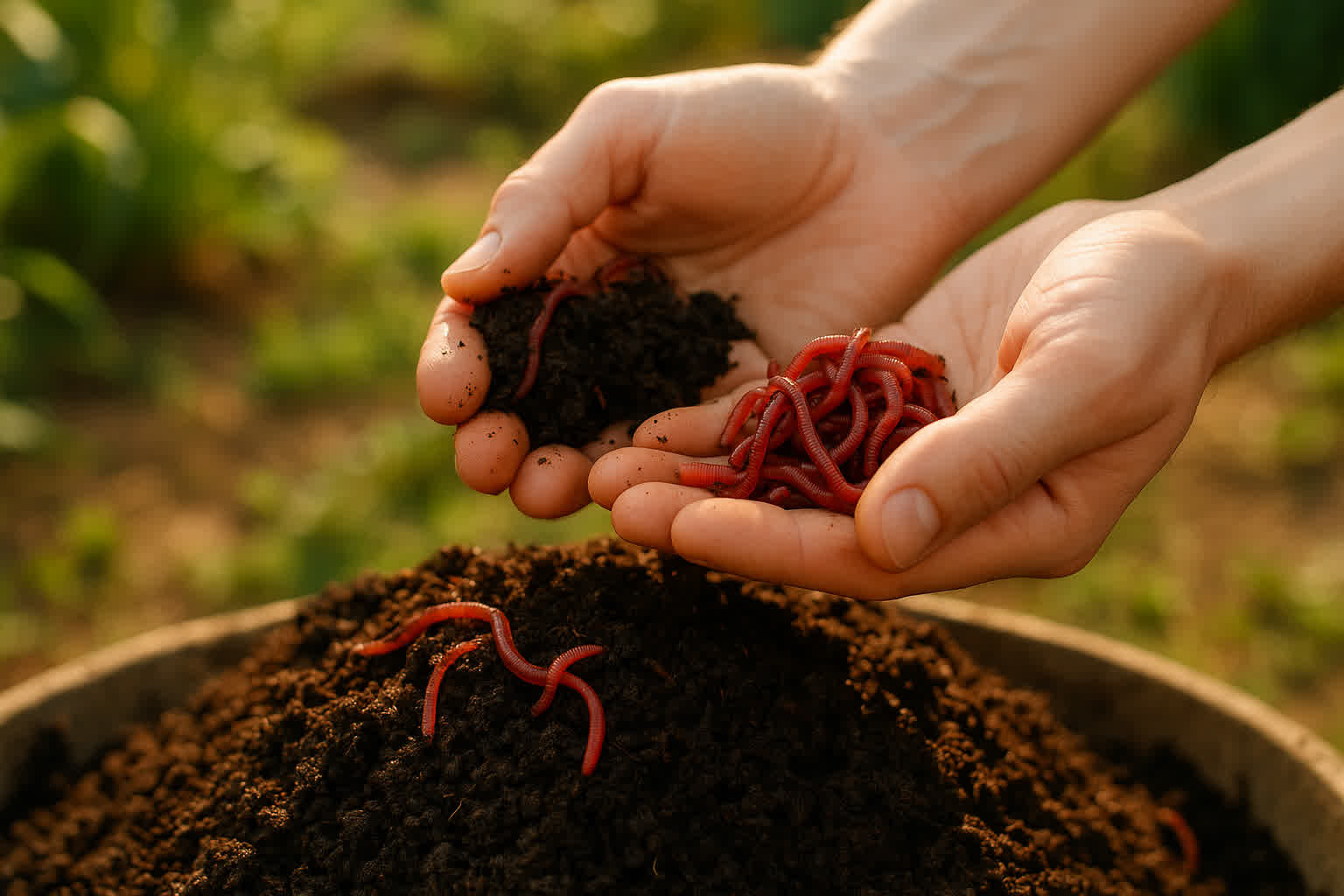
Store worm castings slightly moist, cool, and able to breathe. The best storage setup keeps them out of direct sun, away from heat, and damp enough to hold together when squeezed without dripping water.
Worm castings are not a dry fertilizer. They are finished organic material with microbial life, fine particles, and moisture still inside. If they dry into dust, sit sealed and wet, or heat up in a closed container, their quality drops.
This guide covers storage after you harvest or buy worm castings: what container to use, how moist they should stay, how long they last, and when a bag has gone bad.
The Best Storage Conditions
Good storage protects three things: moisture, oxygen, and temperature. You do not need a complicated setup, but you do need to avoid extremes.
- Moisture: keep castings like a wrung-out sponge, not dry powder and not wet mud.
- Temperature: store around 50-75°F (10-24°C) when possible. Cooler room temperature is better than a hot shed.
- Airflow: use a breathable bag or a container with a loose lid, not a fully sealed bucket for long storage.
- Light: keep castings shaded. Direct sun heats the container and dries the surface quickly.
- Cleanliness: store only finished castings, not chunks of fresh food scraps or wet bedding.
Stored correctly, worm castings remain useful as a soil amendment instead of becoming dry dust.
Choose a Container That Breathes
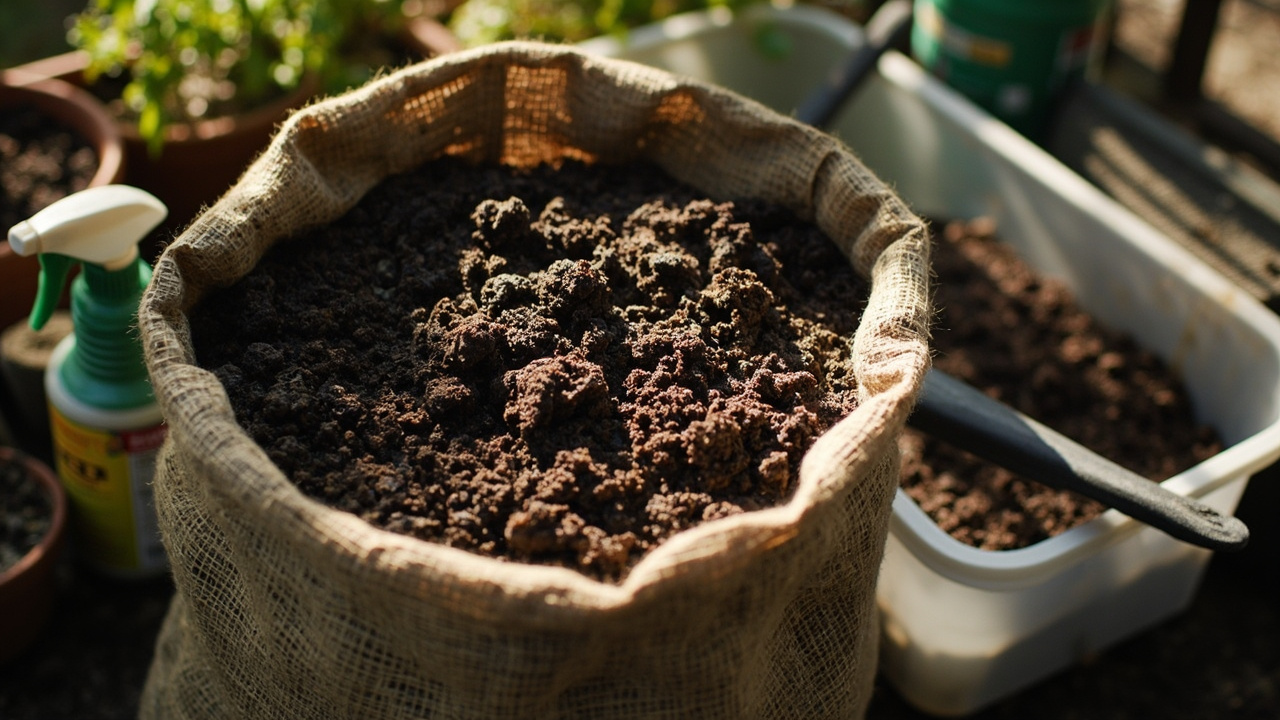
The container should slow moisture loss without trapping stale, wet air. A breathable woven bag, paper sack inside a shaded bin, or plastic tub with the lid set loosely on top all work for short to medium storage.
A fully sealed bucket is the common mistake. It feels protective, but if the castings are damp and the lid is airtight, the lower layer can turn sour. That is an oxygen problem, not a storage-space problem.
If you use a plastic tote, drill a few small holes near the top or leave the lid slightly cracked in a protected place. If you use the original bag, roll it down loosely instead of tying it airtight. After you separate worms from castings, the storage container decides whether the harvest stays aerobic.
For very short storage, such as a week or two before mixing potting soil, almost any shaded container is fine. For several months, breathability matters much more.
How Moist Should Stored Castings Be?
The squeeze test is the easiest way to judge moisture. Take a handful of castings and squeeze firmly.
- If it holds its shape and no water drips out, the moisture is right.
- If it crumbles into dry dust, mist lightly with water and mix the surface back in.
- If water drips or the handful smears like mud, spread the castings in a shallow layer until the excess moisture leaves.
- If it smells sour while wet, do not seal it again. Air it out and use only after the smell returns to earthy.
Use a spray bottle rather than pouring water into the bag. Pouring creates wet pockets that can go anaerobic while the rest of the material still looks normal. The main benefits of worm castings depend partly on keeping the material biologically alive.
Shelf Life and Spoilage Signs
Worm castings are best used within 3 to 6 months, but they can remain usable longer if they stay cool, moist, and aerobic. The question is not whether they become poisonous after a date. The question is whether they still have the texture, smell, and biological quality you bought or harvested them for.
| Sign | What it means | What to do |
|---|---|---|
| Earthy smell | Normal, finished material | Use or keep storing |
| Dry, dusty texture | Moisture has dropped too far | Mist lightly and mix |
| Sour or rotten smell | Too wet or low oxygen | Air out; discard if smell persists |
| Hot bag or bin | Material is not fully stable or is stored too warm | Spread thinly and cool it down |
| White fuzzy growth | Often fungal activity on moist organic matter | Mix and aerate if smell is still earthy |
A consistent DIY worm castings system makes storage easier because each harvest starts cleaner and more finished.
What Not to Do
Most storage problems come from trying to preserve castings too aggressively. They need protection, but they also need enough air and stable moisture.
- Do not leave bags in direct sun. Heat dries the surface and can cook the material inside a dark bag.
- Do not store wet castings airtight. That is how an earthy bag turns sour.
- Do not mix in fresh food scraps. Storage is for finished castings, not continued composting.
- Do not let them freeze and thaw repeatedly. One freeze is not a disaster, but repeated swings damage texture and biology.
- Do not assume old castings are useless. If they smell earthy and rehydrate well, they can still improve soil structure.
If castings keep arriving unfinished, the issue may start with how you raise worms for castings, not with storage.
The Storage Rule to Remember
Good worm castings storage feels more like keeping a living soil ingredient than storing a bag of mineral fertilizer. Keep them cool, shaded, slightly moist, and breathable.
If they smell earthy and hold together without dripping, they are probably still usable. If they smell rotten, heat up, or stay wet in a sealed container, fix the storage conditions before adding them to plants.
Turn PDF Bank Statements Into Workable Spreadsheets
Your bank statement is a mess of numbers, but your books shouldn't be. Use our converter to get Excel, CSV, or QBO files — ready for QuickBooks.
Try It Free Now