
Most gardeners misinterpret a growth plateau as a simple nutrient deficiency, triggering a cycle of over-fertilization that inadvertently worsens soil compaction. While the immediate impulse is to add more synthetic nitrogen, this often ignores the underlying biological collapse where the soil becomes functionally “spent” and structurally inert.
In reality, persistent lack of vigor usually stems from a breakdown in the soil’s delivery system rather than a lack of raw elements, making the integration benefits of worm castings a strategic shift from chemical input to biological infrastructure.
Vermicompost in Soil Stabilization
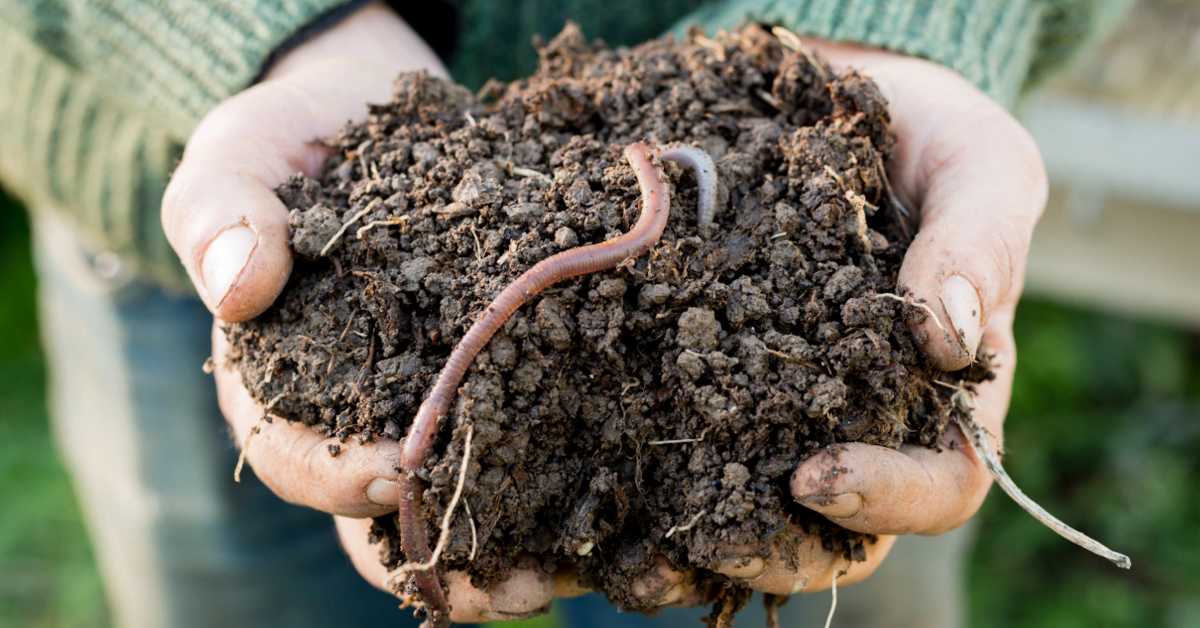
Worm castings are the stabilized result of vermicomposting, a process where earthworms bio-transform organic matter into highly concentrated, microbially-active manure. Unlike raw compost, which continues to consume nitrogen as it decomposes, castings are a “finished” material that provides immediate functional stability to the rhizosphere.
When a soil system loses its biological engine, you will likely notice a predictive chain of failure: early compaction leads to surface pooling, which restricts oxygen and induces root-zone anaerobic stress.
This environmental degradation makes plants susceptible to minor temperature fluctuations and pest pressure because the root system is physically and nutritionally isolated.
Worm castings intervene in this causal chain by reintroducing the biological “mucus” and humic substances required to restart the soil’s natural filtration and nutrient-cycling mechanisms.
You can learn more about vermicompost to transform your waste into nutrient-rich fertilizer.
Rebuilding of Soil Architecture
Gardeners often view soil as a static medium, but it functions as a dynamic architecture of pores and aggregates that dictates water and air movement.
Worm castings are rich in humic acids and natural polysaccharides produced during the worm’s digestive transit, which act as biological binders.
- Aggregate Formation: These binders cause fine soil particles to clump into stable aggregates, creating a “crumb” structure that resists erosion.
- Hydraulic Conductivity: This improved structure creates a balanced network of macropores for aeration and micropores for water retention. When this interaction is optimized, your soil retains moisture longer during drought but allows rapid drainage during heavy rain, preventing the fungal pathogens associated with over-saturation.
- Physical Root Expansion: Soil enriched with castings remains friable, meaning it crumbles easily under light pressure, which reduces the energy expenditure roots require to penetrate deeper into the subsoil.
Nutrient Chelation and Demand-Driven Delivery
A common misconception is that an amendment’s value is defined solely by its NPK (Nitrogen, Phosphorus, Potassium) ratio.
While synthetic fertilizers provide high-concentration spikes, worm castings excel in nutrient bioavailability and the prevention of “nutrient lockout”.
Worm castings contain high concentrations of humic and fulvic acids, which function as natural chelators that wrap around minerals to keep them in a plant-available state.
In standard soil, many minerals become chemically “tied up” and inaccessible to the plant; however, the presence of humic substances ensures a slow-release delivery governed by soil temperature and plant demand.
If you apply high-nitrogen synthetics, you risk osmotic shock and leaf burn; conversely, castings provide a buffered release that fosters consistent, resilient tissue development without the risk of salt accumulation.
The high concentration of chelated calcium in vermicompost explains why utilizing worm castings for tomatoes is the most reliable organic method to stop blossom end rot before it starts.
The Microbial Engine and Nutrient Cycling
The most significant authority signal of worm castings is their role as a microbial inoculant. As organic matter passes through the earthworm, it is concentrated with a massive diversity of beneficial bacteria, fungi, and actinomycetes.
These microorganisms act as the primary drivers of nutrient cycling, breaking down residual organic debris and converting it into plant-available forms.
Over time, you will likely notice the soil developing a deep, earthy scent—a direct indicator of actinomycetes activity and a healthy biological equilibrium.
Unlike chemical salts that can dehydrate and decimate soil life, worm castings provide both the “housing” (pore space) and the “fuel” (labile carbon) required for these beneficial colonies to thrive and defend the root zone against soil-borne pathogens.
Comparative Positioning of Soil Amendments
When evaluating worm castings against alternative inputs, it is necessary to distinguish between volume-based amendments and biological concentrates:
- Vs. Traditional Compost: While bulk compost is superior for increasing total organic matter, worm castings are a more refined biological catalyst. You typically require significantly less volume to achieve the same increase in microbial activity and chelation.
- Vs. Synthetic Fertilizers: Synthetics act as a “fuel” that bypasses the soil’s natural systems, whereas castings are an investment in the “infrastructure” itself. Relying exclusively on synthetics creates a dependency where the plant survives, but the soil environment continues to degrade and compact.
While many growers rely on traditional amendments, a direct comparison of worm castings vs compost reveals that castings offer far more immediate bioavailability and microbial density for high-value crops
Worm Castings Limitations
In soil management, worm castings are not a universal “magic bullet” for every gardening problems. They possess specific functional boundaries that must be considered:
- Nutrient Specificity: If your soil has a severe, acute deficiency of a specific element like phosphorus, worm castings alone may not be concentrated enough to provide a rapid corrective spike.
- Source Variability: The quality of the output is strictly dependent on the “input” diet of the worms; castings derived from diverse organic waste are fundamentally more robust than those produced from single-source bedding like cardboard.
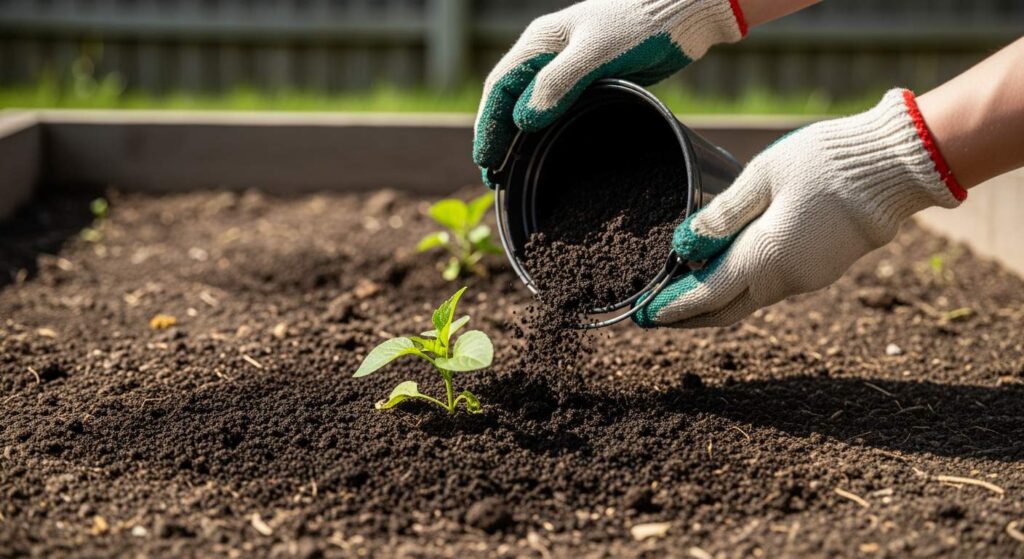
- Financial Scaling: Due to their premium status, using castings for large-scale broadacre application is often cost-prohibitive compared to cover cropping. They are most effective when utilized strategically in the seed furrow or root zone.
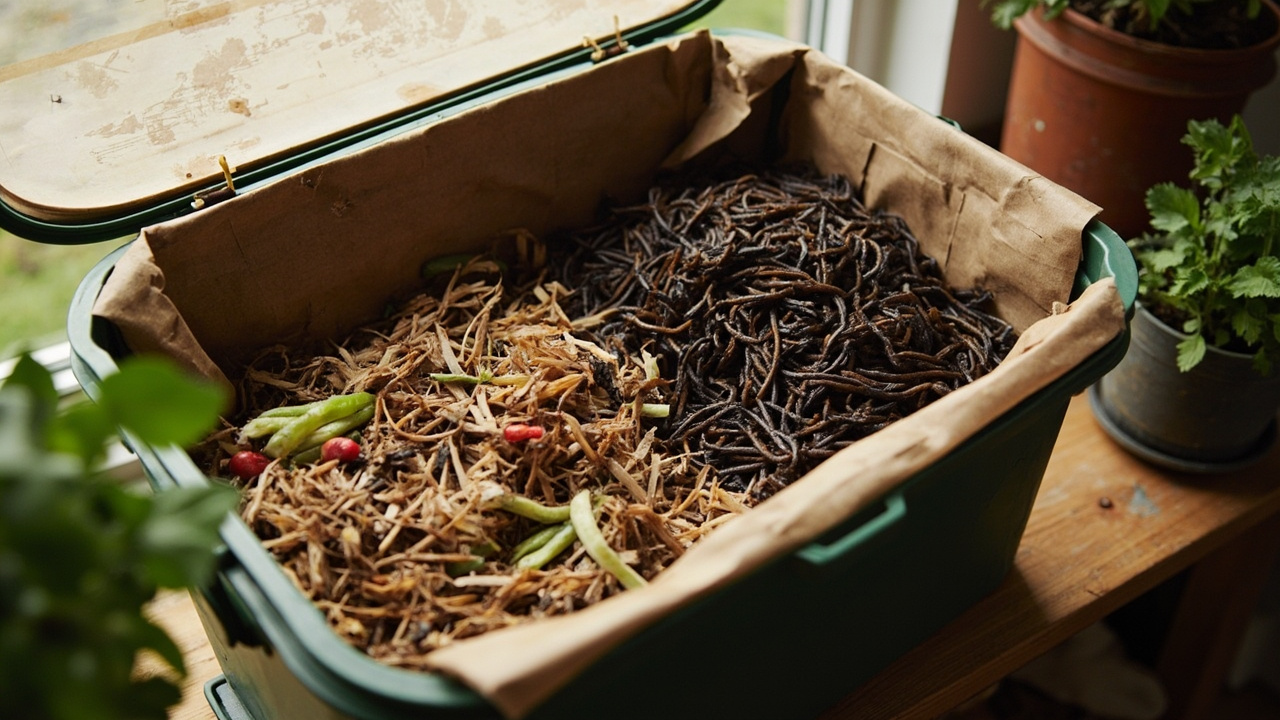
To fully harness the growth-stimulating properties of vermicast, you should master the environmental variables by understanding how to raise worms for castings in a controlled bin environment.
The Benefits of Worm Castings
Determining when to integrate worm castings involves a structured assessment of your garden’s current failures. If your plants show signs of “lockout”—where leaves yellow despite regular feeding—it is a primary signal that the biological delivery mechanism is broken.
You can perform a manual texture test:
if the soil feels “greasy” and sticky when wet or fails to crumble when dry, the structural benefits of worm castings are more urgent than additional chemical fertilizer.
If you notice water sitting on the surface for more than a few minutes, the aggregate-forming mucus in castings is the required corrective.
Shifting from a mineral-heavy strategy to a biology-heavy strategy requires patience, but it eventually results in a self-regulating system with lower long-term maintenance costs.
Turn any PDF statement into a clean sheet
Skip the typos and the hours of copying. Our converter handles any bank statement format and outputs Excel, CSV, or QBO for QuickBooks. No file retention, free to try.