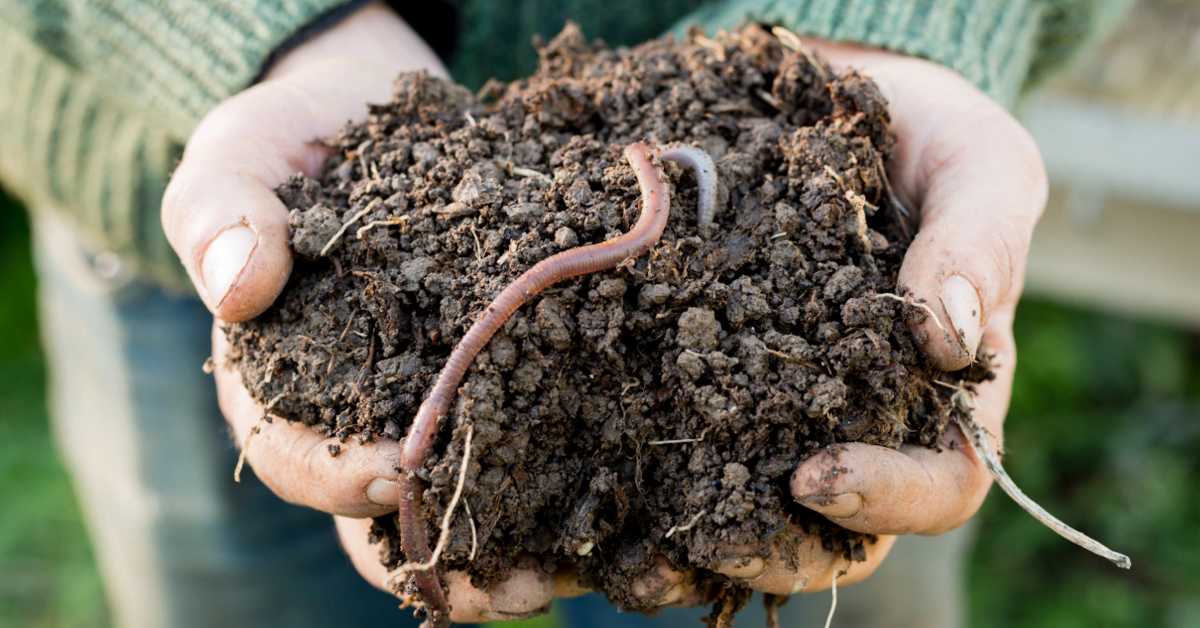
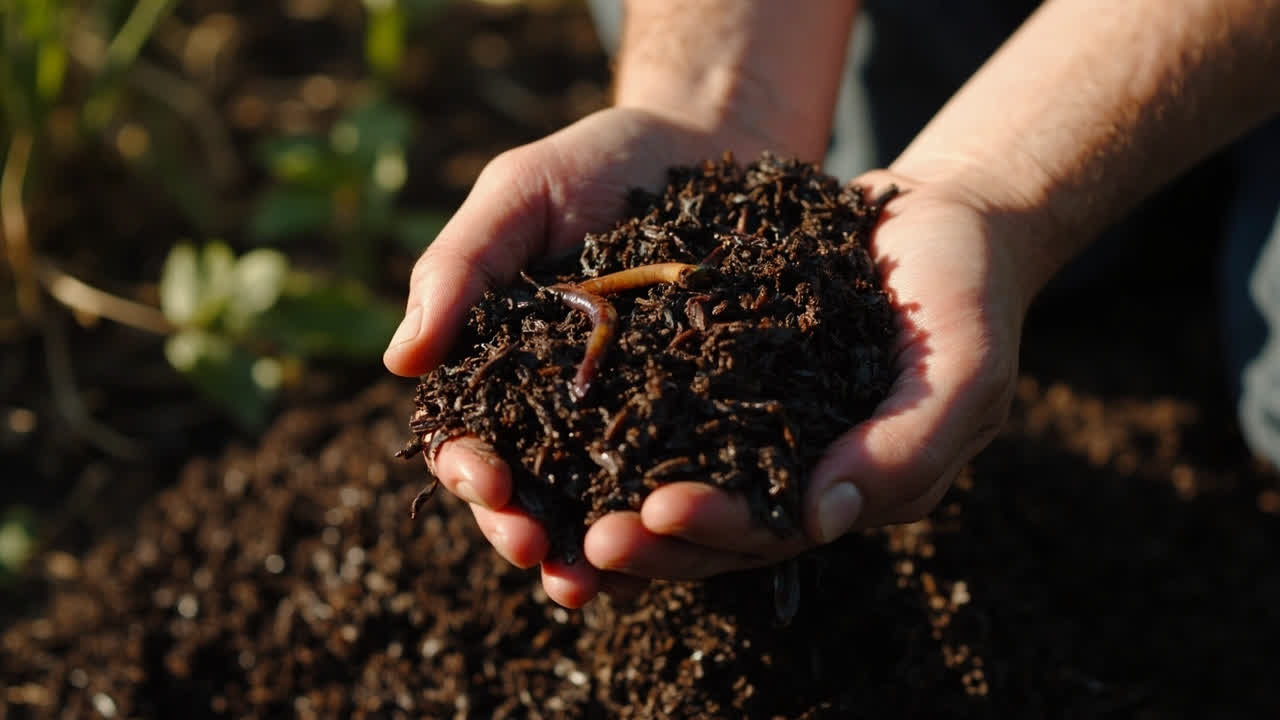
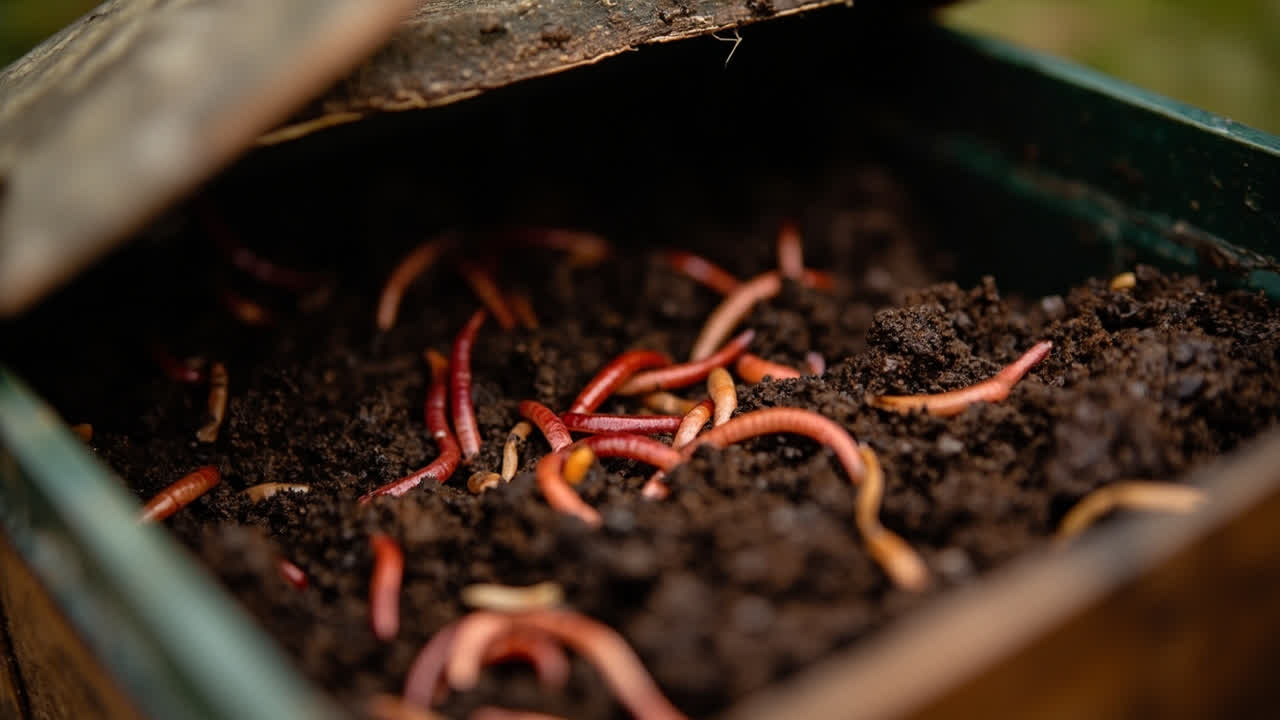
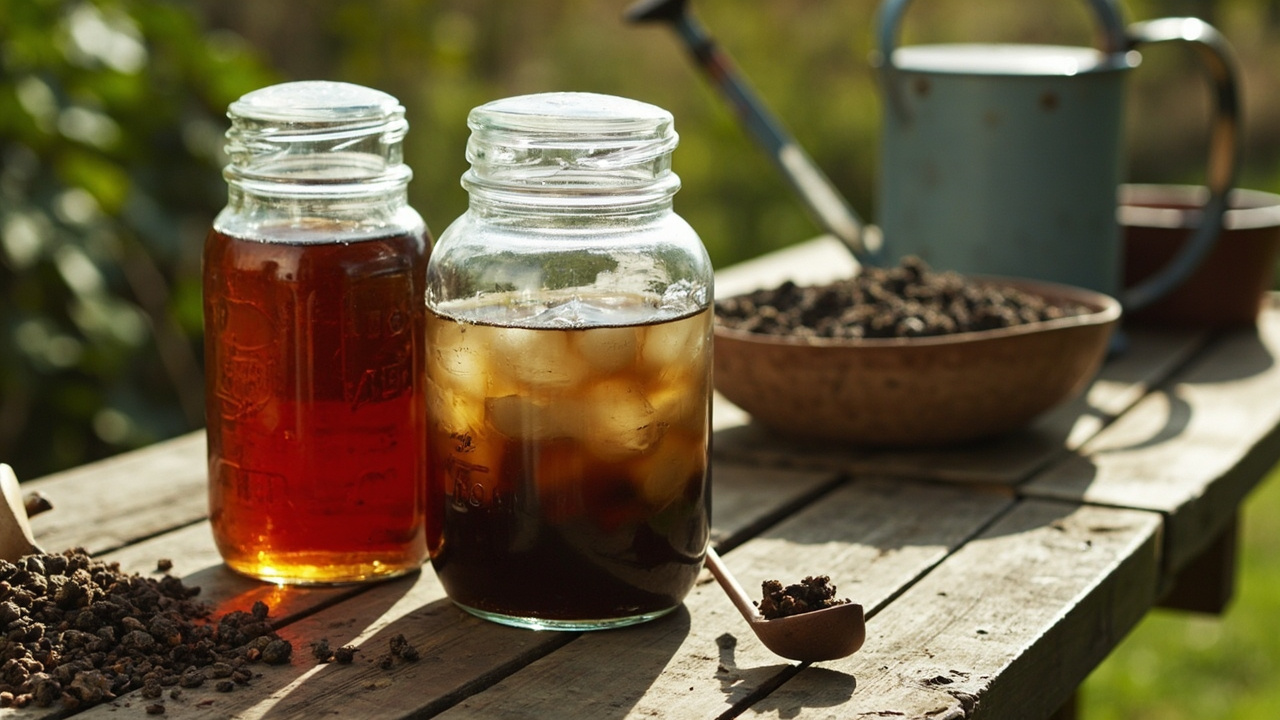
Worm casting tea and leachate are not the same thing. Worm casting tea is made intentionally by steeping finished castings in water, usually with oxygen. Leachate is the liquid that drains out of a worm bin, and it is not automatically safe for plants.
The difference is control. Tea comes from finished castings, clean water, and a short brewing window. Leachate passes through bedding, food scraps, unfinished material, and possibly low-oxygen pockets before it reaches the tray.
If you have a jar of liquid from a worm bin and you are wondering whether to pour it on plants, treat it as a safety decision first. This guide compares the two liquids so you know when to use, dilute, or discard them.
The Difference in One Table
The confusion happens because both liquids are brown and both come from a worm system. Their origin and reliability are very different.
| Factor | Worm casting tea | Leachate |
|---|---|---|
| Source | Finished worm castings steeped in water | Drainage from a worm bin |
| Oxygen | Usually aerated or used quickly | May come from low-oxygen zones |
| Smell | Mild, earthy, or slightly sweet | Can smell sour, swampy, or rotten if the bin is off balance |
| Microbial reliability | More predictable when brewed fresh | Unknown; depends on bin condition |
| Plant-use safety | Generally safer as a light soil drench | Use cautiously, dilute heavily, or discard |
If you want the controlled brewing method, the full worm casting tea guide covers the process step by step.
Why Leachate Is Riskier
Leachate is risky because it reflects whatever is happening inside the worm bin at that moment. If the bedding is too wet, food is rotting faster than worms can process it, or the bottom of the bin has gone anaerobic, the drainage liquid carries that history with it.
Low-oxygen material can support microbes you do not want around tender roots. The liquid may also contain dissolved compounds from fresh food scraps, excess salts, or sour organic acids. A foul smell is the clearest warning sign. If it smells rotten, like sewage, or sharply sour, do not use it on plants.
This does not mean every drop of worm bin liquid is dangerous. It means it is uncontrolled. You do not know whether it came from finished castings, wet bedding, half-rotted food, or a compacted lower layer. A healthy DIY worm castings system should produce finished castings first, not rely on drainage liquid as the main plant input.
When Worm Casting Tea Is Safer
Worm casting tea is safer when it starts with finished, earthy-smelling castings and clean non-chlorinated water. Aeration helps keep the brew oxygenated while microbes move into the liquid. The finished tea should smell mild, not sour.
Freshness matters. Use worm casting tea within 24 hours after brewing if you are not keeping it aerated. Even a good tea can decline once oxygen drops and the microbial balance changes. If the smell turns unpleasant, discard it rather than trying to rescue it with dilution.
The safest use is a light soil drench around established plants. Avoid soaking seedlings, stressed roots, or already waterlogged containers. For indoor plants, worm casting tea for houseplants needs a lighter, cleaner application than outdoor beds.
Should You Ever Use Leachate?
You can use mild leachate only when it passes a basic safety check, and even then it should be diluted. The honest trade-off is simple: finished castings and fresh tea are more predictable. Leachate is convenient, but convenience is not the same as quality.
- Discard it if it smells bad. Rotten, sour, sulfur-like, or sewage odors mean the liquid is not worth using.
- Dilute mild liquid heavily. If it smells earthy and the bin is healthy, dilute at least 10:1 with water before applying to soil.
- Keep it off edible leaves. Use it only as a soil drench, not as a foliar spray.
- Do not use it on seedlings. Young plants have too little root margin for unknown liquid inputs.
- Do not store it. If you are going to use mild leachate, use it immediately after dilution.
Frequent leachate usually points back to the worm bin setup, especially drainage, bedding moisture, and feeding volume. A bin that constantly drains is usually too wet.
The Safer Plant-Use Decision
If you are deciding between tea, leachate, and finished castings, choose the most predictable option for the plant in front of you.
- Use finished worm castings when the plant needs a steady soil amendment.
- Use fresh worm casting tea when you brewed it intentionally and it smells clean.
- Use diluted leachate only when the bin is healthy and the liquid smells mild.
- Discard any liquid from a sour, wet, or overfed bin.
- Skip all liquid applications when the potting mix is already wet.
When in doubt, finished worm castings are the more predictable amendment than questionable liquid. You can measure them, mix them, and see the physical quality before they reach the root zone.
Bottom Line
Worm casting tea is a prepared extract. Leachate is drainage. That difference matters because one is made under a controlled process and the other is a snapshot of whatever is happening at the bottom of the bin.
If the liquid smells clean, was brewed intentionally, and is used fresh, it can be useful. If it came from the drainage tray and smells questionable, do not pour it on plants just because it came from worms.
From PDF to Excel in one click
Forget retyping line by line. Upload any bank statement, get a spreadsheet you can actually use. Your files are never stored, and you can test the converter with 3 free conversions.
Try it free