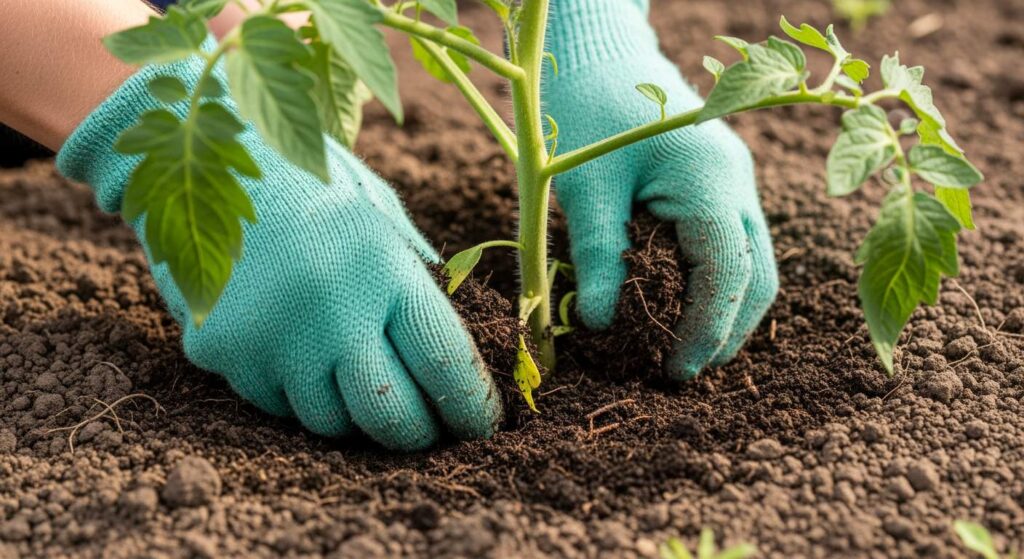

Using worm castings for tomatoes is more than just adding fertilizer; it’s about building a living soil system that supports your plants from seed to harvest.
This specialized vermicompost delivers essential phytohormones and beneficial microbes that directly improve the vascular integrity and fruit yield of heavy-feeding Solanum lycopersicum varieties. By mixing these organic aggregates into your soil, you create a biological buffer against heat stress and soil-borne pathogens like Fusarium and Verticillium wilt.
This approach moves beyond simple feeding and focuses on the long-term health of your garden’s ecosystem.
The Fertilizer Trap: Why Standard Feeding Often Fails
Most gardeners and market growers have dealt with blossom end rot, “leggy” mid-season growth, or plants that suddenly wilt even when watered.
Usually, the problem isn’t a lack of nutrients in the dirt—it’s the lack of nutrient bioavailability and rhizospheric competence.
Standard synthetic fertilizers often cause a “chemical flush” that leads to salt accumulation in the root zone. This salt buildup increases the osmotic pressure, which actually blocks the tiny root hairs (microrhizae) from taking up water and minerals. This creates a stressful cycle where the plant is surrounded by food it cannot “digest.”
Understanding the benefits of worm castings is critical here, as they provide an organic alternative that builds soil health rather than degrading it through chemical salinity.
How Worm Castings for Tomatoes Actually Work
To grow truly exceptional tomatoes, you have to treat the soil as a living entity. While traditional fertilizers provide raw chemistry, worm castings act as the “biological software” that helps the plant process those chemicals efficiently.
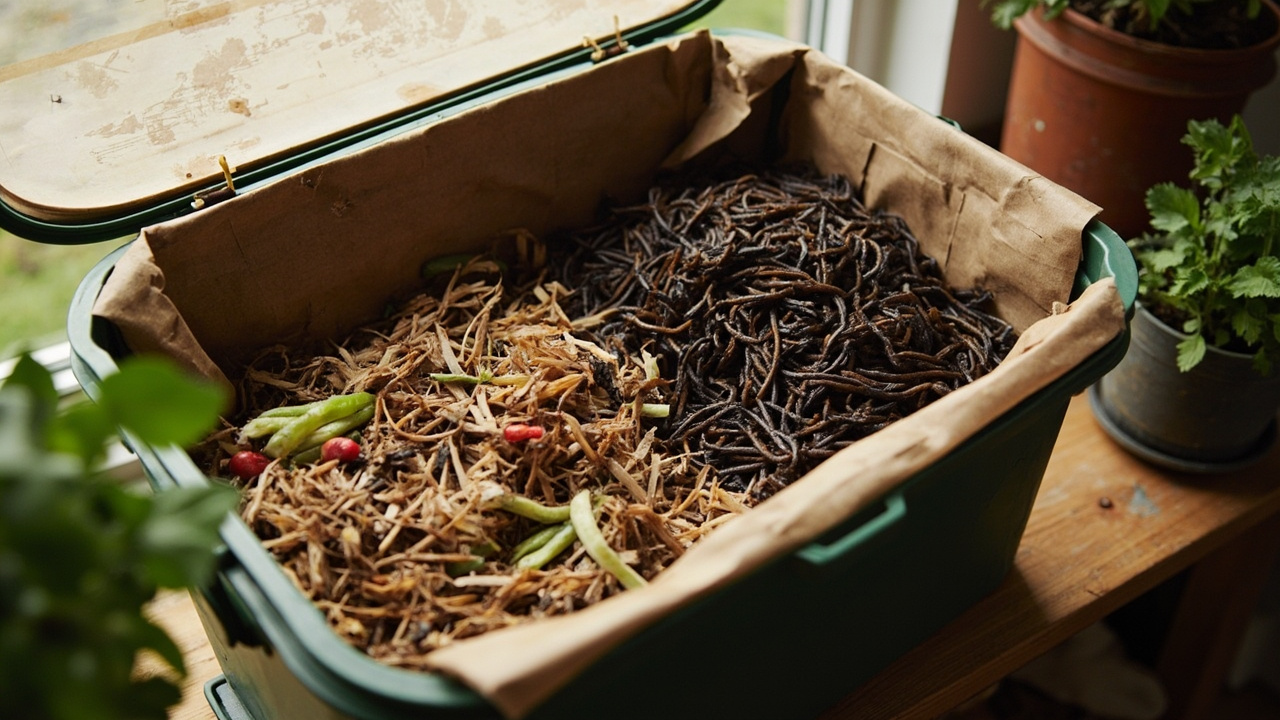
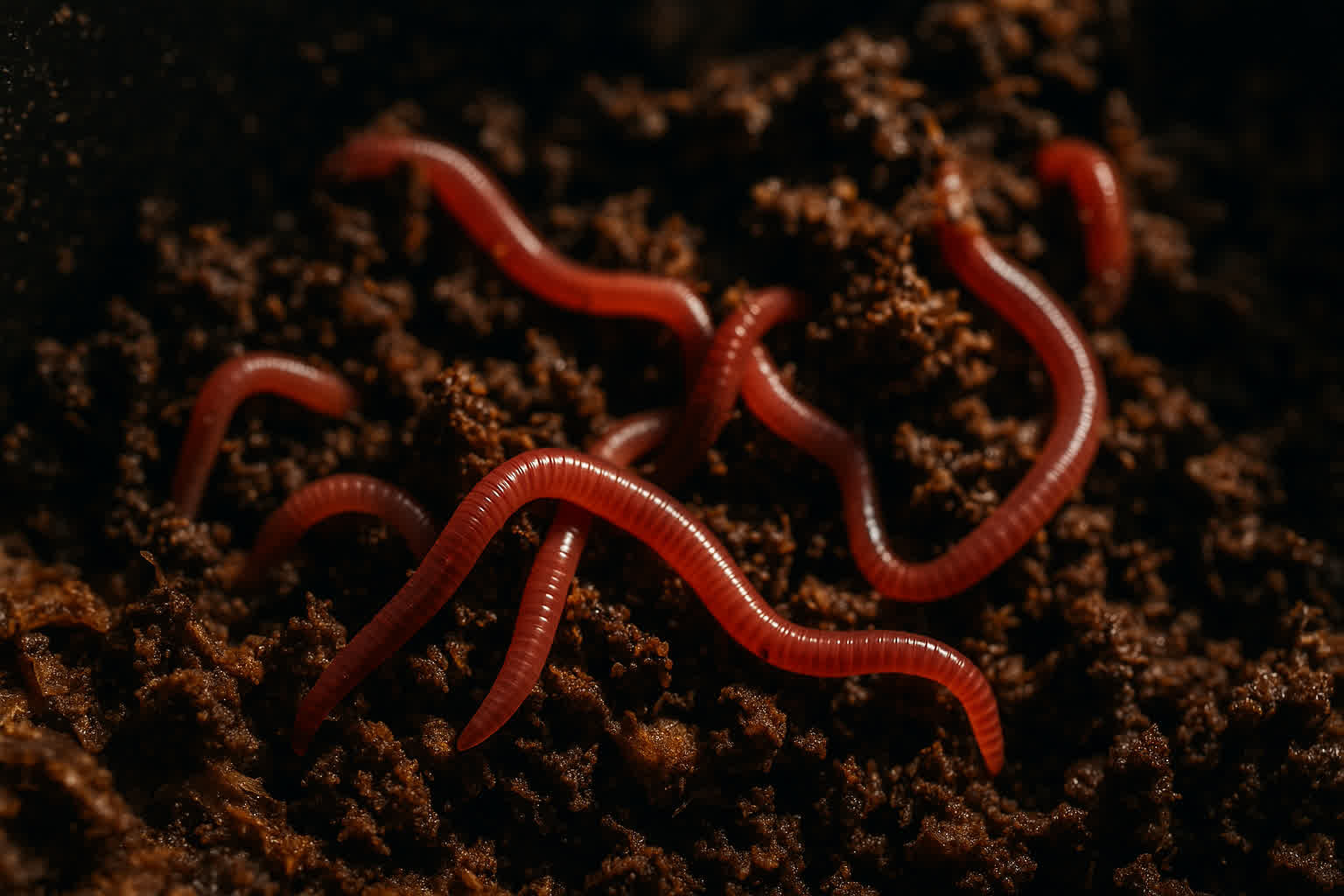
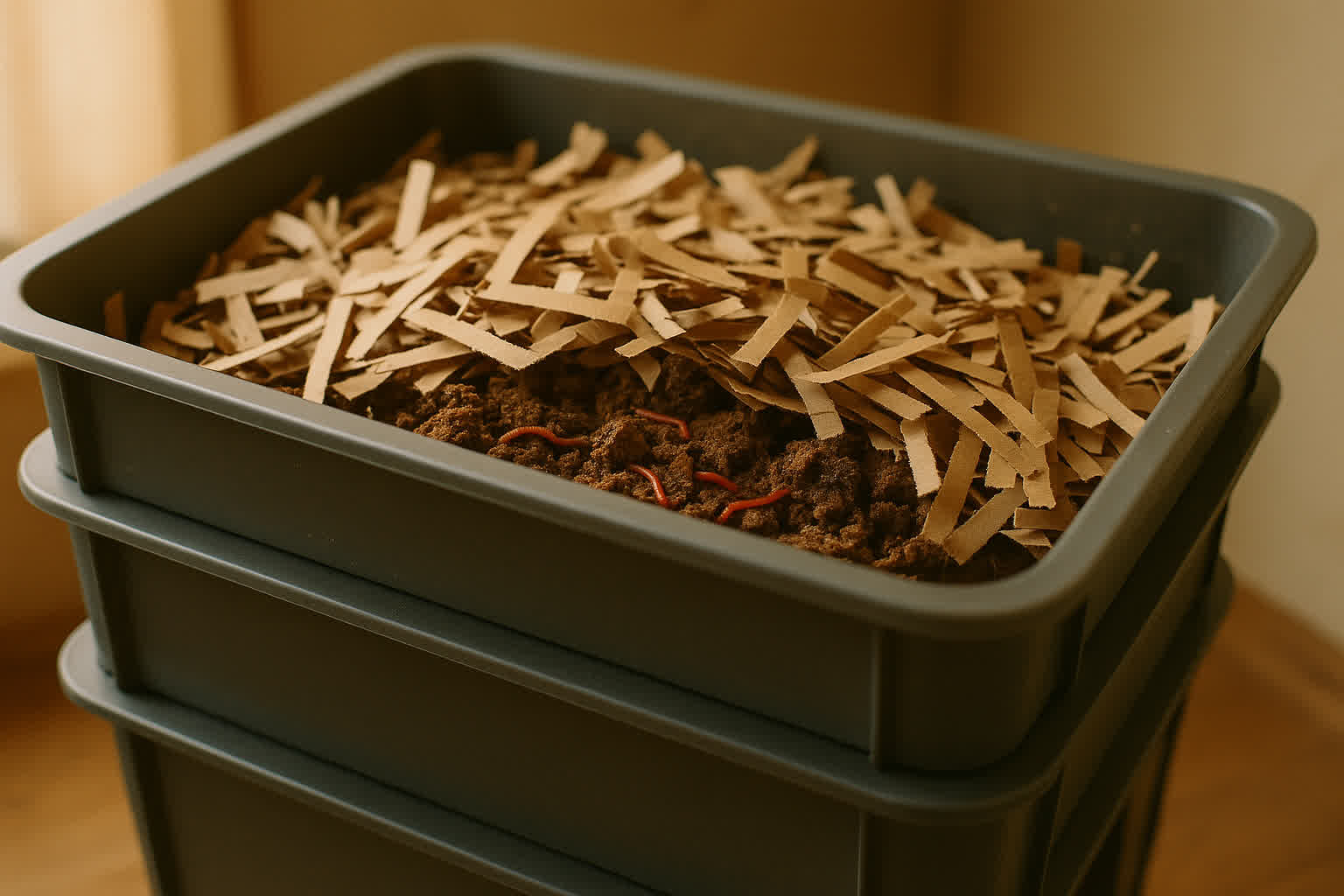
- The Biological Engine: Worm castings are the stabilized end-product of organic matter digestion by Red Wigglers (Eisenia fedida). This “cool” digestion process preserves high populations of nitrifying bacteria, proteolytic enzymes, and actinomycetes.
- The Chitinase Defense: Castings contain high levels of chitinase, an enzyme that makes the tomato plant naturally resistant to insect attacks like aphids and thrips.
- Fixing Calcium Issues: Castings significantly improve the soil’s Cation Exchange Capacity (CEC), keeping Calcium immediately accessible at the root tip to prevent cellular collapse.
- Natural Growth Inductors: Castings are packed with natural growth regulators such as auxins, gibberellins, and cytokinins that trigger earlier flower development.
Tomato plants are heavy feeders that require a specific balance of nutrients and microbes; understanding the functional differences of worm castings vs compost helps you choose the right base for your potting mix.
How To Worm Castings for Tomatoes
The application logic changes based on the variety and growth stage of your tomato plants, especially for those growing tomatoes in pots, where nutrient leaching is more aggressive.
1. The Propagation Phase (Starting Seeds)
- The Strategy: Mix a ratio of 10–20% worm castings into your sterile seed-starting medium.
- The Outcome: The high microbial density provides a “bio-shield” against Pythium (damping off).
- Caution: Do not exceed a 25% mix to avoid root hypoxia (oxygen deprivation).
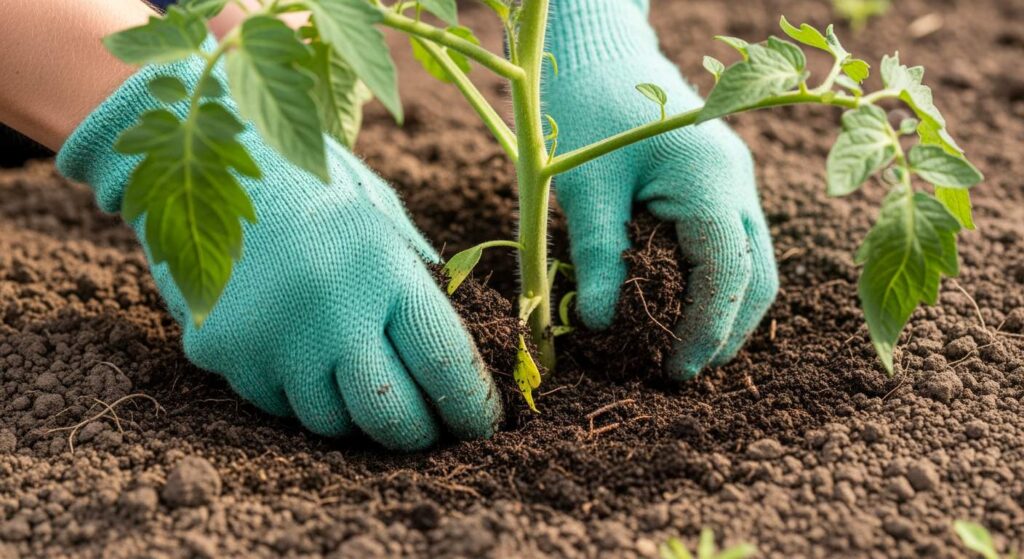
2. The Establishment Phase (Transplanting)
- The Strategy: Drop about 1/2 cup of pure worm castings directly into the bottom of the planting hole.
- The Outcome: This puts the beneficial microbes in direct contact with the root ball, significantly reducing transplant shock.
3. The Production Phase (Flowering & Fruit Set)
- The Strategy: Side-dress your plants every 4 weeks by scratching 1 cup of castings into the top inch of soil around the drip line.
- Liquid Boost: Many growers supplement this with a drench of worm castings tea to provide an immediate boost of microbes and soluble nutrients directly to the root zone.
Field Diagnostics: Solving Physiological Disorders
Worm castings are a diagnostic tool as much as a soil amendment. If you encounter severe issues, knowing how to save dying tomato plants involves re-establishing the biological balance in the rhizosphere.
| Symptom | Probable Cause | Practitioner’s Fix |
| Purple Lower Leaves | Phosphorus Lockout | Apply aerated worm tea drench; microbes will unlock fixed soil phosphorus. |
| Blossom End Rot | Calcium Transport Failure | Side-dress with castings + water deeply to stabilize calcium transport. |
| Yellowing between Veins | Magnesium Deficiency | Castings provide bio-available magnesium to restore chlorophyll. |
| Sudden Afternoon Wilt | Poor Root Structure | Increase casting ratio in next planting to improve soil aggregation. |
Sourcing Quality: How to Spot the Best Castings
High-yield tomato gardening depends on the biological activity of your amendments. To ensure you are investing in a living product rather than inert filler, you must evaluate the stability, oxygen levels, and maturity of the castings before application.
1. The 6-Hour Rule for Tea
Aerated worm tea is a biological explosion that relies on high dissolved oxygen. You must use the tea within 4 to 6 hours of stopping the aeration process.
Beyond this window, the aerobic microbes exhaust the oxygen and die off, causing the solution to go anaerobic.
If you apply anaerobic tea, you risk introducing pathogens and “sour” fermented acids that can damage the delicate microrhizae of your tomato roots.
2. The pH Buffering Effect
Tomatoes are sensitive to soil acidity, preferring a range of 6.2 to 6.8. Worm castings typically sit at a neutral 7.0 pH and are rich in humic acids.
This allows them to act as a “biological buffer”—if your soil or water is slightly too acidic, the castings help neutralize the environment, ensuring that nutrients like Nitrogen and Phosphorus don’t become chemically “locked” and unavailable to the plant.
3. The “Chocolate Cake” Test
When sourcing castings, perform a visual and olfactory check. High-quality, active vermicompost should look like moist chocolate cake crumbs—dark, granular, and spongy. It should have a clean, earthy aroma (geosmin).
If the castings are bone-dry, the microbial life has likely entered dormancy or died. Conversely, if they smell like ammonia or vinegar, the batch has gone anaerobic and could be toxic to your plants.
Always prioritize vermicompost over generic worm manure to ensure you are getting the full biological complex.
Worm Castings for Tomatoes
Using worm castings for tomatoes creates a chain reaction in your garden. Improved soil aggregation leads to better oxygenation, which fuels the microbial metabolism that feeds your plants.
This doesn’t just result in more tomatoes; it increases the Brix levels (sugar content) and the concentration of lycopene in the fruit.
By focusing on the biology of your soil, you’re setting yourself up for your most successful season yet.
Happy gardening!
Turn That PDF Into a Spreadsheet in Minutes
You've seen how to do it manually — now let the tool handle the heavy lifting. Upload your bank statement and get Excel, CSV, or QBO in a few clicks.
Try It Free