
Deciding between worm castings vs compost is a choice between building your soil’s foundational architecture and triggering a surge in plant metabolic activity. While both provide essential organic matter, they function through entirely different natural pathways.
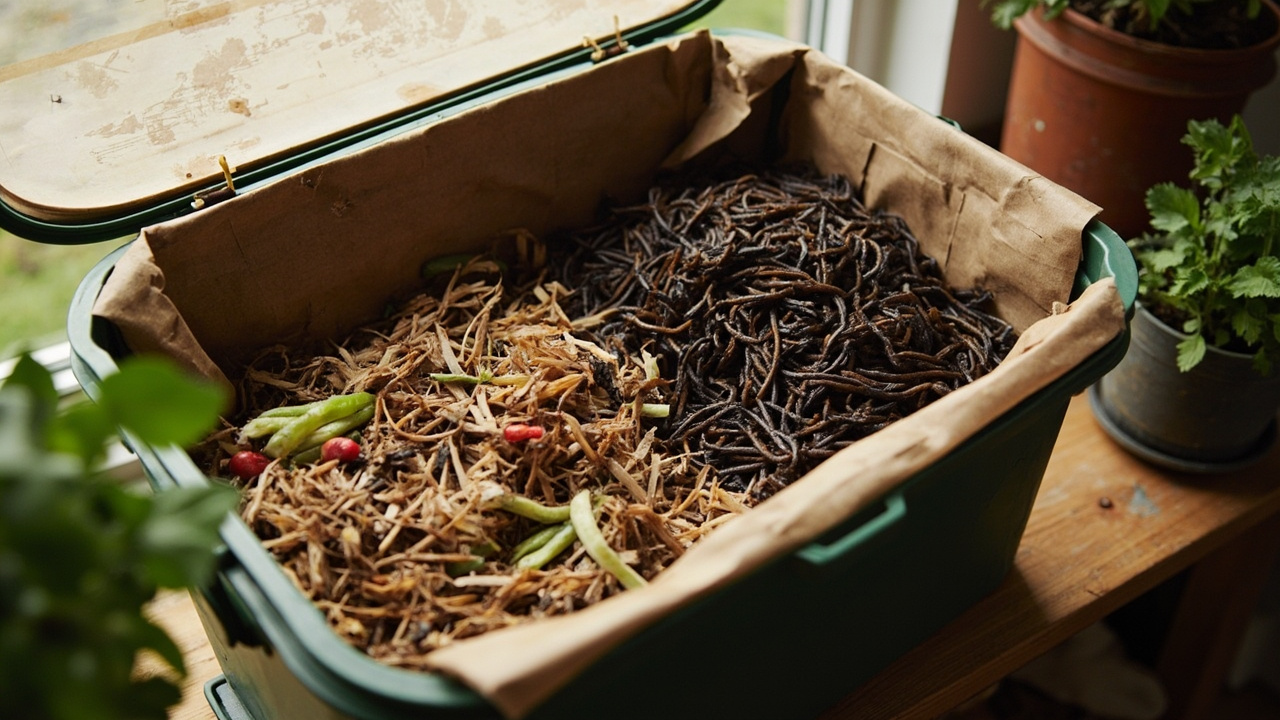
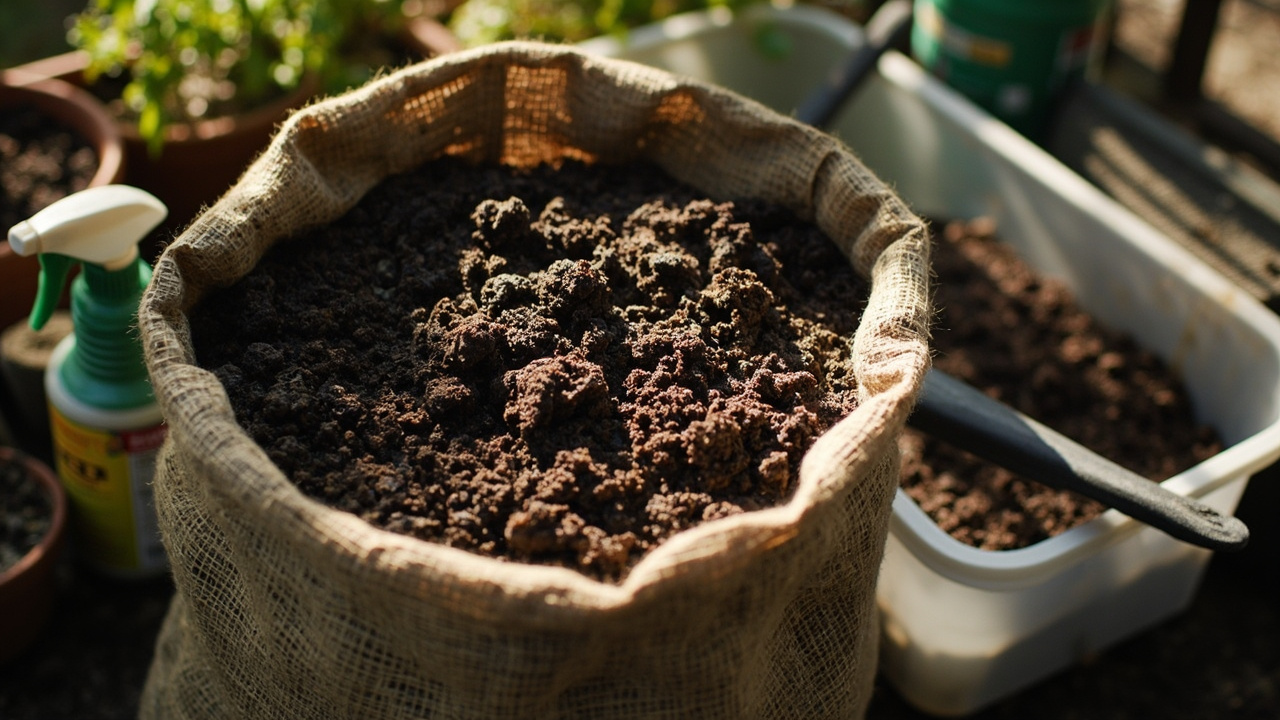
Standard compost serves as the “skeleton” of your garden—providing the structural carbon and lignocellulose bulk needed for stable soil aggregates and long-term moisture retention.
In contrast, worm castings (vermicast) act as a biological spark. They are a highly concentrated colloidal material packed with high-density microbial life and natural Plant Growth Regulators (PGRs) that traditional thermophilic compost piles simply cannot maintain.
Understanding the core worm castings secret sauce is essential for any grower looking to optimize their soil health.
Worm Castings and Compost
A common mistake among growers is assuming these two amendments are interchangeable substitutes. In reality, using expensive worm castings just to build up soil volume is a significant resource misallocation; that job is much better suited for affordable, bulk compost.
Conversely, relying solely on compost for high-demand growth phases—like seed starting or fruit set—often results in “biological latency.” This occurs when the plant is ready to grow, but the nutrients remain locked in complex carbon chains.
This confusion usually leads to nutrient lock or wasted investment in amendments that leach out of the root zone before the biology can stabilize them.
Understanding Nutrient Holding Capacity (CEC)
The distinction between worm castings and compost helps you manage your soil’s Cation Exchange Capacity (CEC)—its ability to hold and exchange positively charged ions like Calcium (Ca2+), Magnesium (Mg2+), and Potassium (K+).
While bulk compost increases the total size of your soil’s “savings account” by adding stable carbon, worm castings provide the specialized Humic Substances and enzymes that make those nutrients “liquid” and available for immediate uptake.
Exploring the various benefits of worm castings reveals how they significantly improve nutrient availability compared to standard compost alone.
Production Methods: Heat vs. Biology
The functional difference between worm castings vs compost begins with their causal production methods: Thermophilic Oxidation versus Mesophilic Refinement.
Traditional Composting: The Structural Foundation
Standard compost is the result of heat-driven decomposition. By managing a Carbon-to-Nitrogen (C:N) ratio of roughly 30:1, bacteria generate temperatures exceeding 130°F (55°C).
This heat is essential for Pathogen Reduction and weed seed sterilization, but it often leads to Nitrogen Volatilization (loss of nitrogen gas).
The result is a stabilized humus that provides a physical home for soil biology but is relatively lean on immediate-release nitrates.
Worm Refinement: The Biological Spark
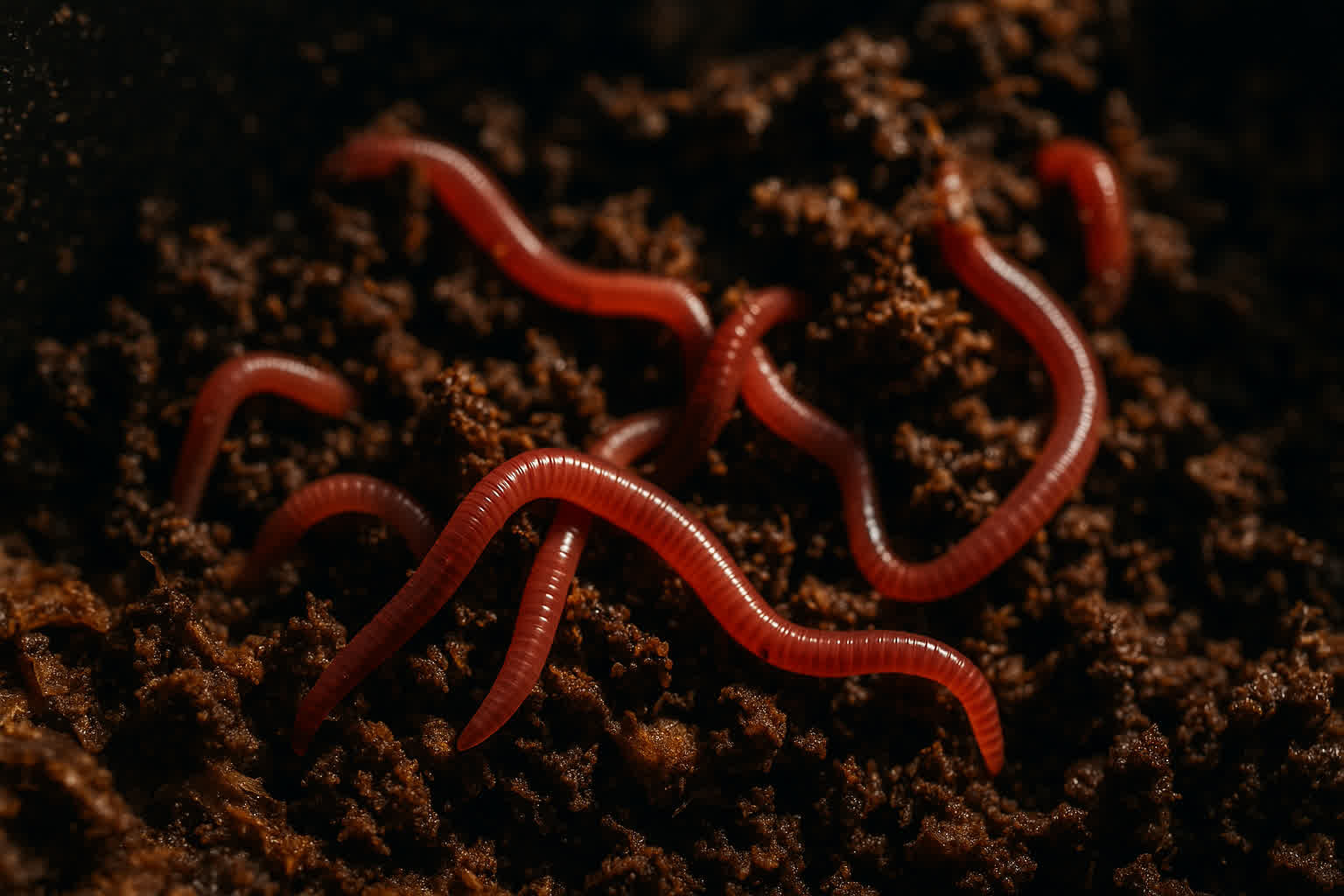
Worm castings are produced through a “cold” (mesophilic) process. As organic matter passes through the gut of an earthworm (specifically Eisenia fetida), it is ground in the gizzard and inoculated with a concentrated suite of beneficial microorganisms, including Arbuscular Mycorrhizal Fungi (AMF).
This preserves delicate microbes and hormones—like Auxins and Cytokinins—that would perish in a hot compost pile.
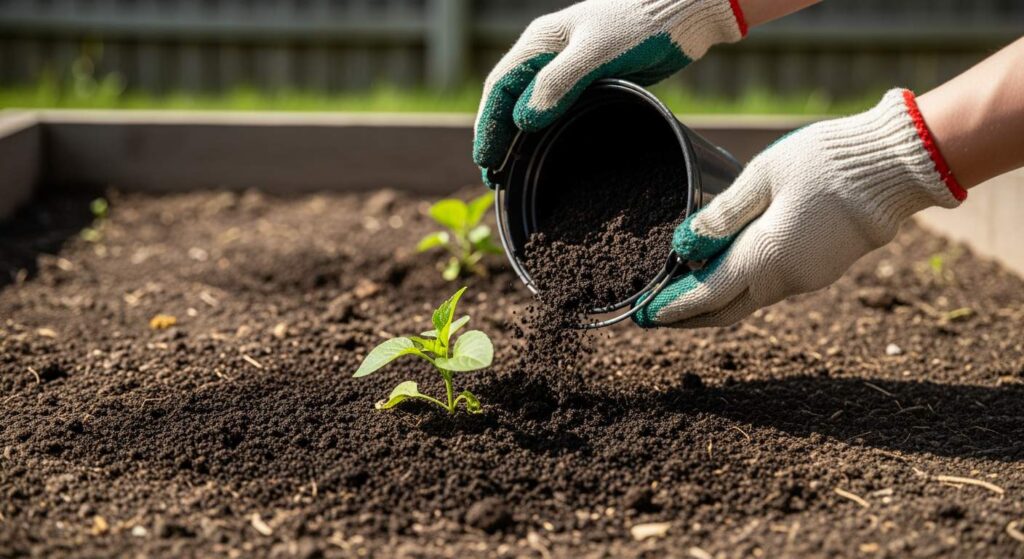
Practical Trade-offs for the Garden
Maximizing garden performance requires balancing the immediate biological availability of worm castings with the long-term structural benefits of bulk compost.
Understanding these trade-offs ensures that your soil remains both productive and physically stable across multiple growing seasons.
Nutrient Bioavailability: Fast vs. Slow Release
Compost is a long-term deposit. Its nutrients require further microbial Mineralization before plants can access them.
Worm castings are effectively liquid fertility. Because they have already been enzymatically processed, the nutrients—specifically nitrates and available phosphates—are in water-soluble forms ready for immediate uptake during critical bloom cycles.
Microbes: Generalists vs. Specialist Strike Teams
Bulk compost provides a broad population of generalist microbes.
Worm castings, however, house 10x to 20x the microbial density and are enriched with Pseudomonas and Bacillus species. These are the “specialists” responsible for fixing atmospheric nitrogen and making minerals like Phosphorus available to the plant through Phosphatase enzyme activity.
Soil Texture and “Tilth”
Compost is the undisputed champion of improving soil Tilth (workability). It creates stable soil aggregates, improving Water Holding Capacity (WHC) and drainage.
While castings help with moisture in the immediate root ball, they lack the physical volume needed to change the physical topography or bulk density of a large garden bed.
Beyond the N-P-K Label
The true value of worm castings is found in bioactive compounds that standard lab tests often overlook:
- Natural Growth Signals: Castings are concentrated sources of Gibberellins, auxins, and cytokinins. These tell the plant to build a larger leaf area and a deeper root system, maximizing its photosynthetic potential.
- Immune Defense (SAR): The presence of Chitinase-producing bacteria in castings helps break down the cell walls of fungi and the shells of insect pests, triggering the plant’s Systemic Acquired Resistance (SAR).
- Unlocking “Legacy” Phosphorus: Special enzymes in worm castings break the chemical bonds that keep phosphorus “stuck” to soil particles, making it available for flower and fruit development.
Strategic Application Methods for Worm Castings & Compost
When to Use Bulk Compost
- Initial Site Prep: Establishing the physical architecture and carbon base of new garden beds.
- Sheet Mulching: Suppressing weeds and providing a long-term carbon source for perennial systems.
- Fixing Soil Structure: Correcting drainage in heavy clay or adding body to sandy loams.
Tips:
Watch out for Nitrogen Robbing—if your compost contains large, unrotted wood chunks, it may actually pull nitrogen away from your plants as it continues to decay.
When to Use Worm Castings
- Nursery and Seed Starting: Mixing 10-20% into soil to trigger high germination and seedling vigor.
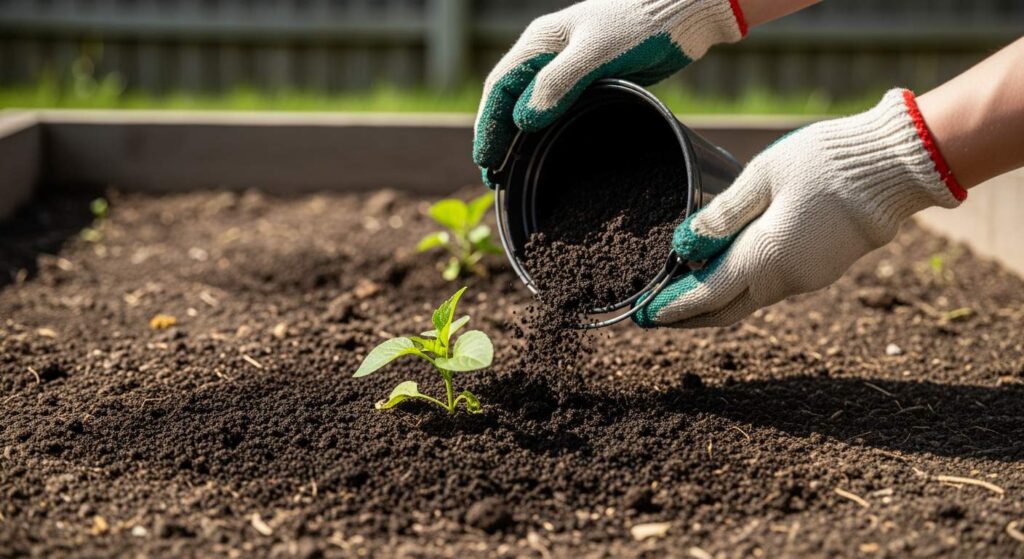
- Transplanting: Placing a handful directly in the root zone to prevent Transplant Shock.
- Side-Dressing: Applying every 4-6 weeks to heavy feeders like tomatoes. Using a dedicated worm castings for tomatoes guide can help ensure you apply the correct amount for peak harvest.
- Liquid Extracts: Brewing and using a liquid extract is a common practice; learning how to make worm casting tea allows for rapid biological re-boot of the leaves and roots.
The Winning Strategy: Home and Energy
The most successful growers treat compost as the “Home” (the habitat) and worm castings as the “Energy” (the inhabitants).
- Build the Home: Apply a foundation of compost (2-3 inches) to provide the physical structure and long-term carbon food source.
- Add the Energy: Use worm castings around the root zone to introduce active biology and growth triggers.
The compost provides the stable environment where the specialized microbes from the castings can survive and thrive long-term.
Sourcing and Quality Control
- Watch for Persistent Herbicides: Be cautious with municipal or “free” compost, as it frequently contains Aminopyralid herbicides that can survive the composting process and kill sensitive plants like beans and tomatoes.
- The Moisture Factor: Worm castings are a living product. If they have dried out completely on a store shelf, the beneficial biology has likely gone dormant or died. Look for fresh, moist material that smells like a forest floor.
Worm Castings vs Compost
The debate of worm castings vs compost isn’t about which one is better—it’s about using them as a synergistic system.
Compost builds the physical capacity and long-term stability of your soil, while worm castings optimize its biological potential and immune response. By using both, you create a resilient, high-yielding garden that gets better every year.
Happy gardening!
From PDF to Excel in one click
Forget retyping line by line. Upload any bank statement, get a spreadsheet you can actually use. Your files are never stored, and you can test the converter with 3 free conversions.
Try it free