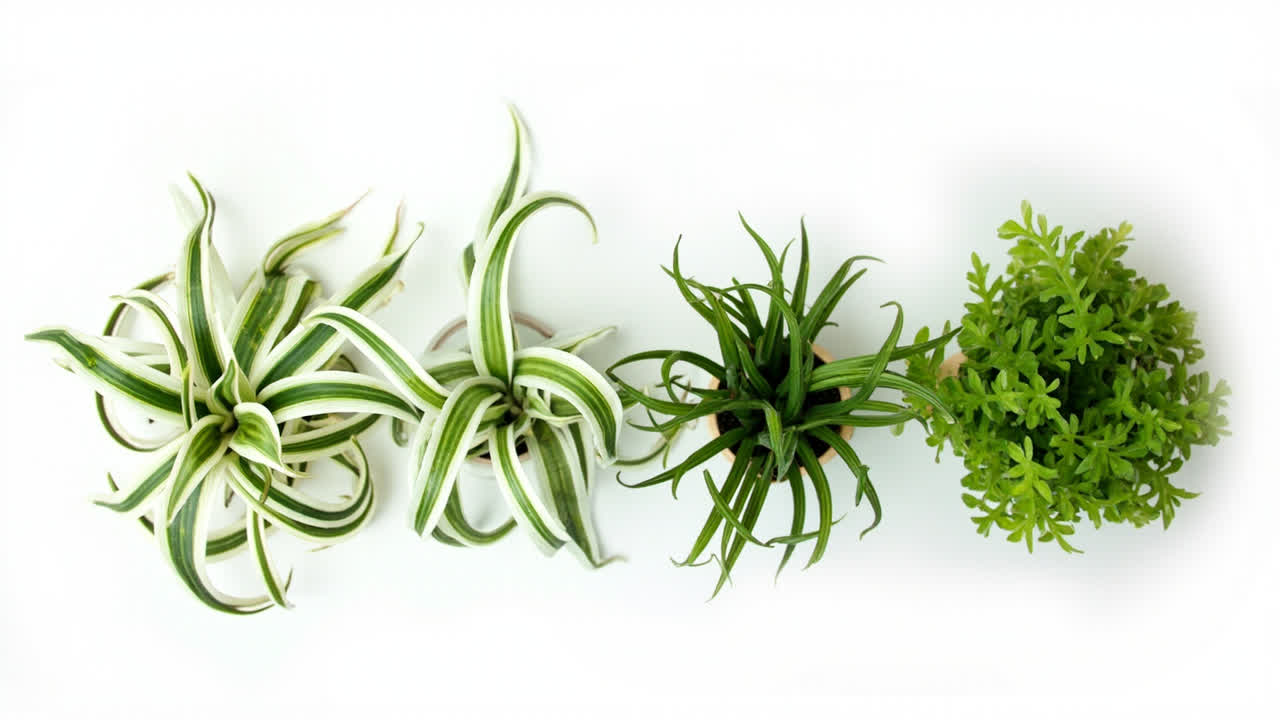
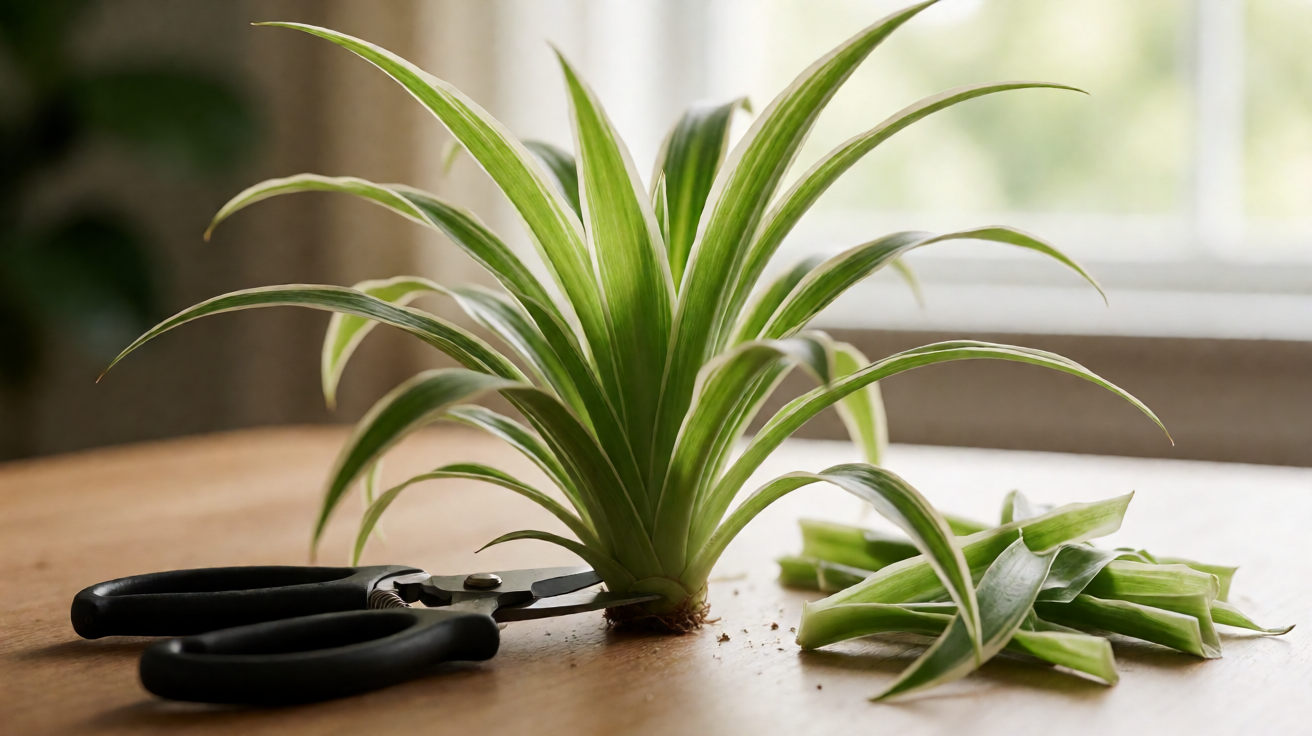
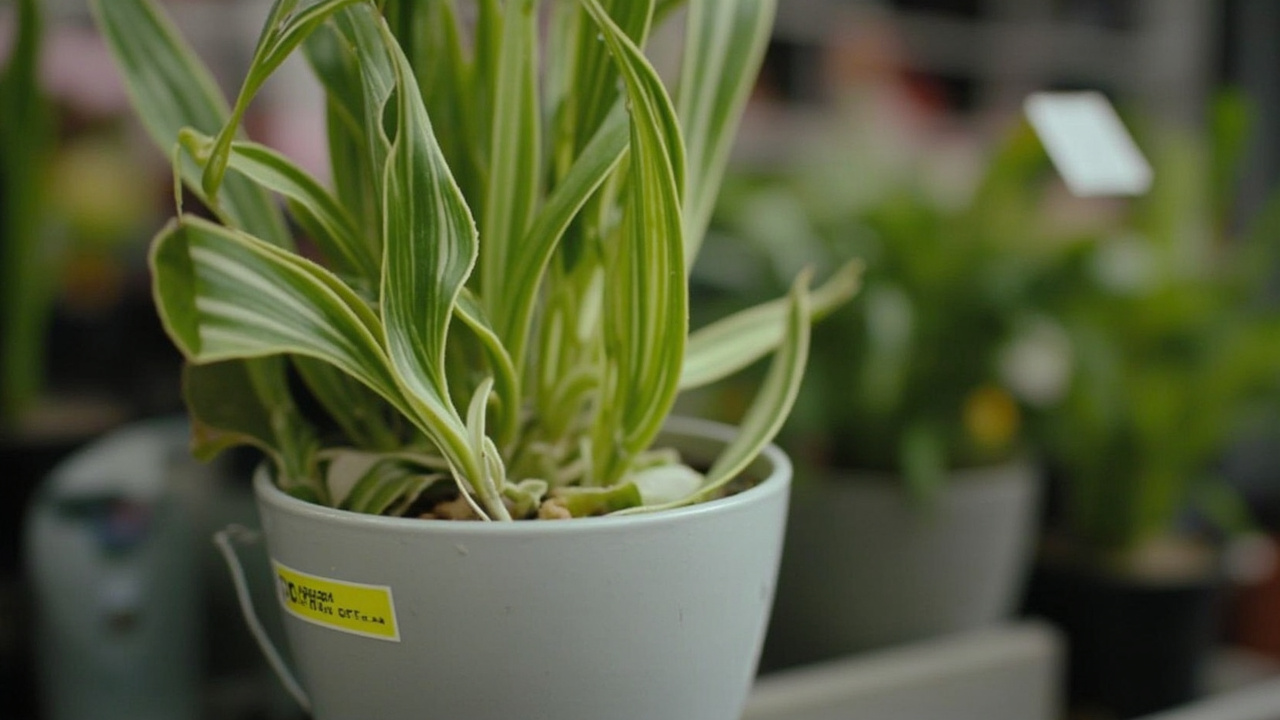
When a spider plant’s leaves droop, the first assumption is usually that it needs water — and sometimes that is exactly right. But spider plant leaves droop for several reasons, and the correct remedy depends entirely on identifying which one it is. Watering a plant that is drooping from overwatering will make the problem worse. Waiting to water a plant that is genuinely thirsty will let the stress deepen. Following a proper spider plant care guide helps prevent most drooping before it starts.
Underwatering: The Obvious Cause
Spider plant leaves droop when they have been dry for too long. The plant loses turgor pressure — the internal water pressure that keeps leaves firm and upright — and the leaves collapse inward and downward. This is the simplest and most common cause of drooping, and the easiest to fix.
How to identify it: the soil is dry an inch below the surface, the pot feels very light when lifted, the leaves look limp and may curl slightly at the edges, and the plant perks up within a few hours of being watered. This is the key diagnostic: a drooping spider plant that was underwatered will visibly recover within hours of a thorough watering.
The fix: water thoroughly — add water until it flows freely from the drainage hole — and return to a normal watering schedule. Going forward, check the soil every few days and water when the top inch is dry. In summer, this might be every five days; in winter, it might be every two to three weeks. The goal is consistent moisture without waterlogging.
Overwatering and Root Rot: The Misleading Cause
This is the most damaging cause of drooping, because the instinct to add more water when a plant looks thirsty is almost irresistible — and yet it is exactly the wrong response. When spider plant roots sit in waterlogged soil, they begin to rot. As the root system degrades, it loses the ability to absorb water even though water is present in the soil. The result is a plant that looks like it needs water — leaves drooping, plant looking tired — but the soil is wet or damp.
How to identify it: the soil is wet or damp when the plant is drooping, the plant does not perk up within hours of watering (in fact, it may get worse), there may be a musty smell from the pot, and the base of the plant may feel soft. If you remove the plant from its pot, the roots will be dark, mushy, and smelly rather than firm and cream-colored.
The fix: stop watering immediately. If the roots are still firm and only partially affected, let the soil dry out completely and do not water again until the top inch is dry. If the roots are extensively rotted, treat it as root rot: remove the plant, trim away all affected roots, repot in fresh fast-draining mix, and water very sparingly until the plant recovers. Knowing when to repot a spider plant also prevents root rot from recurring.
Heat Stress and Direct Afternoon Sun
Spider plants in direct afternoon sun — especially in summer behind a south- or west-facing window — can droop from heat stress even if the soil moisture is adequate. The leaves lose water faster through evaporation than the root system can supply it, causing temporary wilting. This is more common in hanging baskets near hot windows and in rooms with poor air circulation. Understanding spider plant light requirements helps you place your plant in a position that avoids heat stress entirely.
How to identify it: the plant is near a south- or west-facing window in summer, the drooping appears in the afternoon after a sunny morning, the leaves feel warm to the touch, and the soil is moderately moist. The plant recovered overnight when the sun went down and temperatures cooled.
The fix: move the plant back from the window or to a location with bright indirect light and no direct afternoon sun. A sheer curtain can diffuse the light enough to prevent heat stress. In most cases, the plant will recover on its own once it is in a cooler position.
Cold Drafts and Temperature Shock
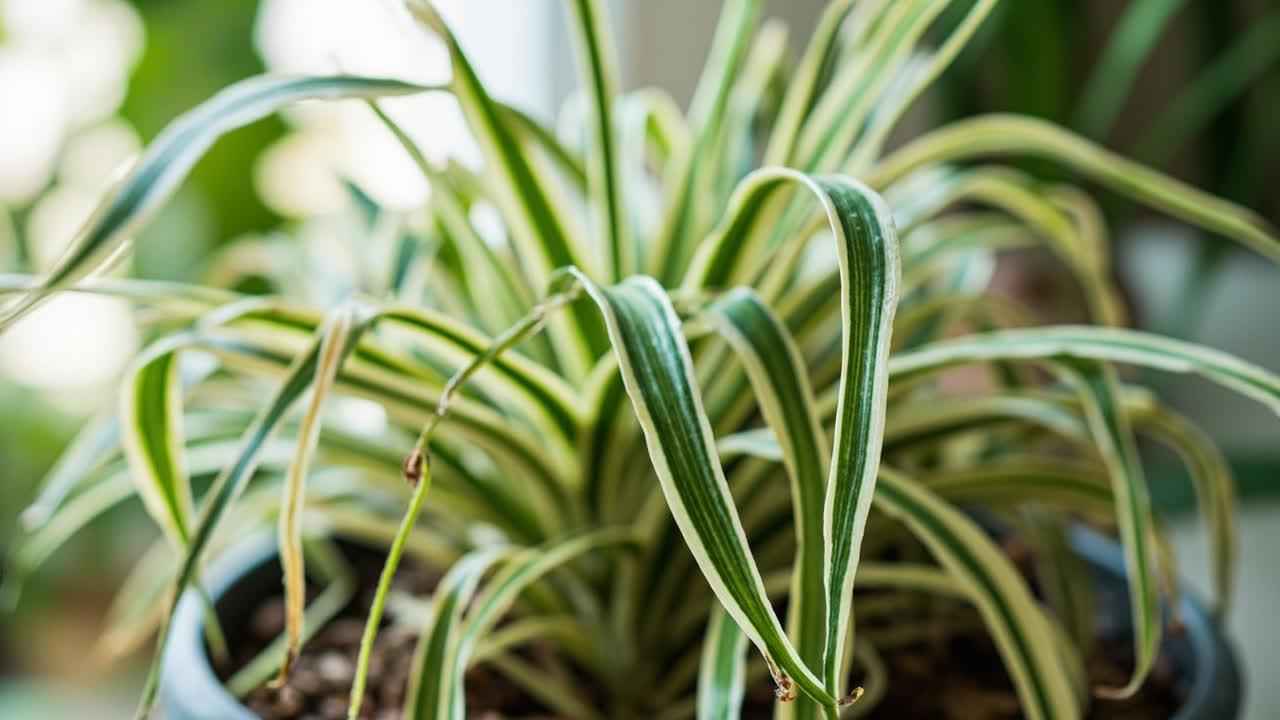
Spider plants are tropical and sensitive to cold. A sudden exposure to cold air — from an open door in winter, a drafty window, or an air conditioning vent — can cause the leaves to droop and curl inward as the plant tries to reduce its surface area exposed to the cold. This is temporary in most cases but can cause lasting damage if the exposure is prolonged.
How to identify it: the drooping appeared after a door was opened in cold weather, the plant is near an air conditioning vent or drafty window, the leaves are curling inward as well as drooping, and the plant is in a room that is noticeably cooler than usual.
The fix: move the plant away from the cold source. Most spider plants recover within a few hours of being in a warmer position. Do not water cold-shocked plants with cold water — use room temperature water to avoid additional stress.
Over-Fertilizing
Excess fertilizer causes salt buildup in the soil, which draws moisture away from the roots and prevents the plant from absorbing water effectively. The result is a plant that looks thirsty even though the soil is damp — and it will droop as a result. This is sometimes called fertilizer burn and it damages the fine root hairs that absorb water and nutrients.
How to identify it: you fertilized recently, especially at full strength rather than half strength, there is a white crust on the surface of the soil, and flushing the soil with clean water produces brown or yellowish water that smells of chemicals. The drooping appeared within a day or two of fertilizing.
The fix: flush the soil thoroughly with clean water — water until the pot drains freely, let it sit for 10 minutes, drain again, repeat twice. This washes the salt buildup out of the root zone. Go forward, always use fertilizer at half strength and no more than once a month during the growing season.
Root Bound
When a spider plant has completely filled its pot with roots, it cannot absorb enough water to sustain its leaves, even though you are watering normally. The plant becomes root-bound — the roots are literally coiled inside the pot with no room to absorb more water — and the leaves droop because the plant is chronically underhydrated despite regular watering.
How to identify it: the plant has been in the same pot for more than a year, roots are visible growing out of the drainage hole, water runs straight through the pot when watering without being absorbed, and the plant looks generally tired and stunted despite good care. The leaves droop even though the soil is moist.
The fix: repot into a pot that is one size larger — 1–2 inches larger in diameter — with fresh fast-draining potting mix. Water thoroughly after repotting. The plant will recover over the following weeks as the root system establishes in the new soil. For more detail, see our full instructions on when and how to repot spider plants.
Reading Your Plant: The Recovery Test
When a spider plant droops and you are not sure why, the single most useful diagnostic is the recovery test: water the plant thoroughly and watch it over the next few hours. If it perks up within two to four hours, the cause was underwatering — and your watering schedule needs to be more frequent. If it does not perk up, the cause is something else: root rot, over-fertilizing, root bound, or environmental stress.
This test is not definitive in every case, but it gives you a direction to investigate. A spider plant that recovers quickly from drooping is telling you it was thirsty. One that does not recover is telling you something more specific is wrong — and the other sections in this guide will tell you what to look for and how to fix it.
Preventing Drooping: The Right Routine
Drooping from underwatering is entirely preventable with the right watering habit. Check the soil every few days by inserting your finger into the top inch — if it is dry, water thoroughly until it flows from the drainage hole. If it is moist, wait another day or two. This habit prevents both the underwatering that causes drooping and the overwatering that causes root rot.
Beyond watering, keep your spider plant away from direct afternoon sun and cold drafts, fertilize at half strength no more than once a month, and repot when the plant becomes root-bound. A spider plant in the right position, watered correctly, and fed lightly will hold its leaves upright without any intervention from you beyond routine care.
Read also: why houseplant leaves droop, which separates thirst from root failure before you touch the soil.
Turn any PDF statement into a clean sheet
Skip the typos and the hours of copying. Our converter handles any bank statement format and outputs Excel, CSV, or QBO for QuickBooks. No file retention, free to try.
Convert your statement