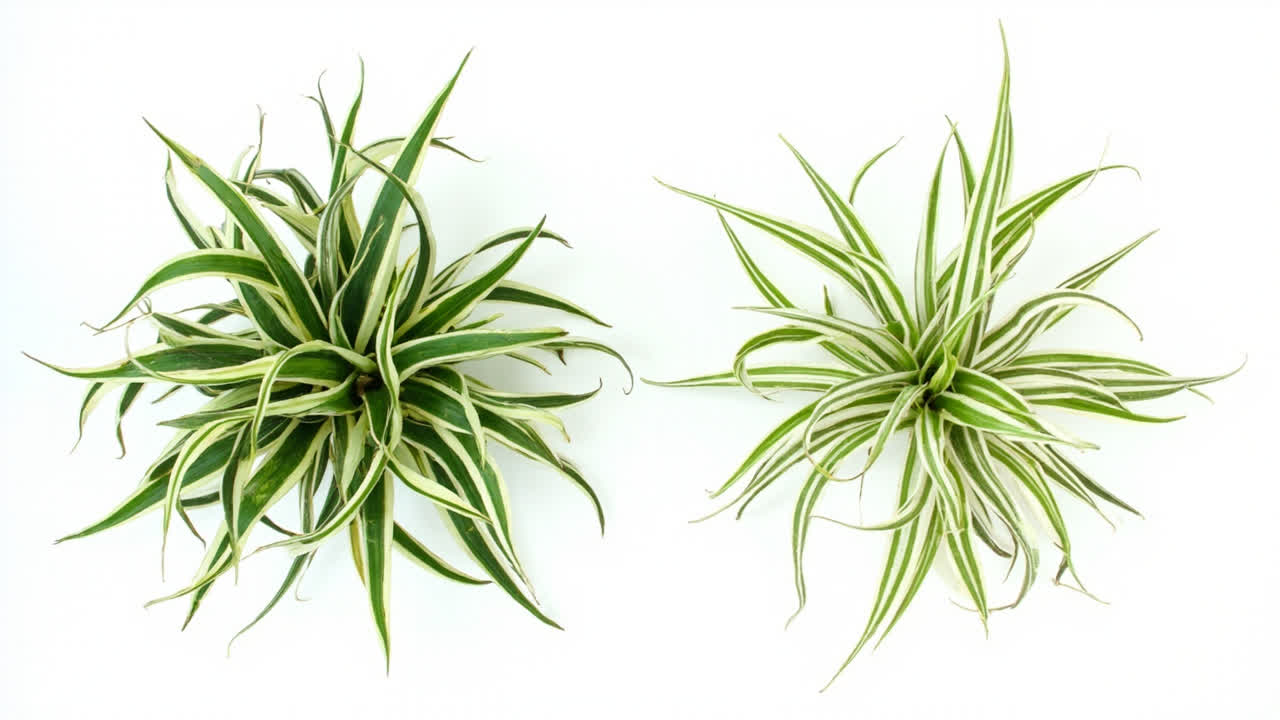
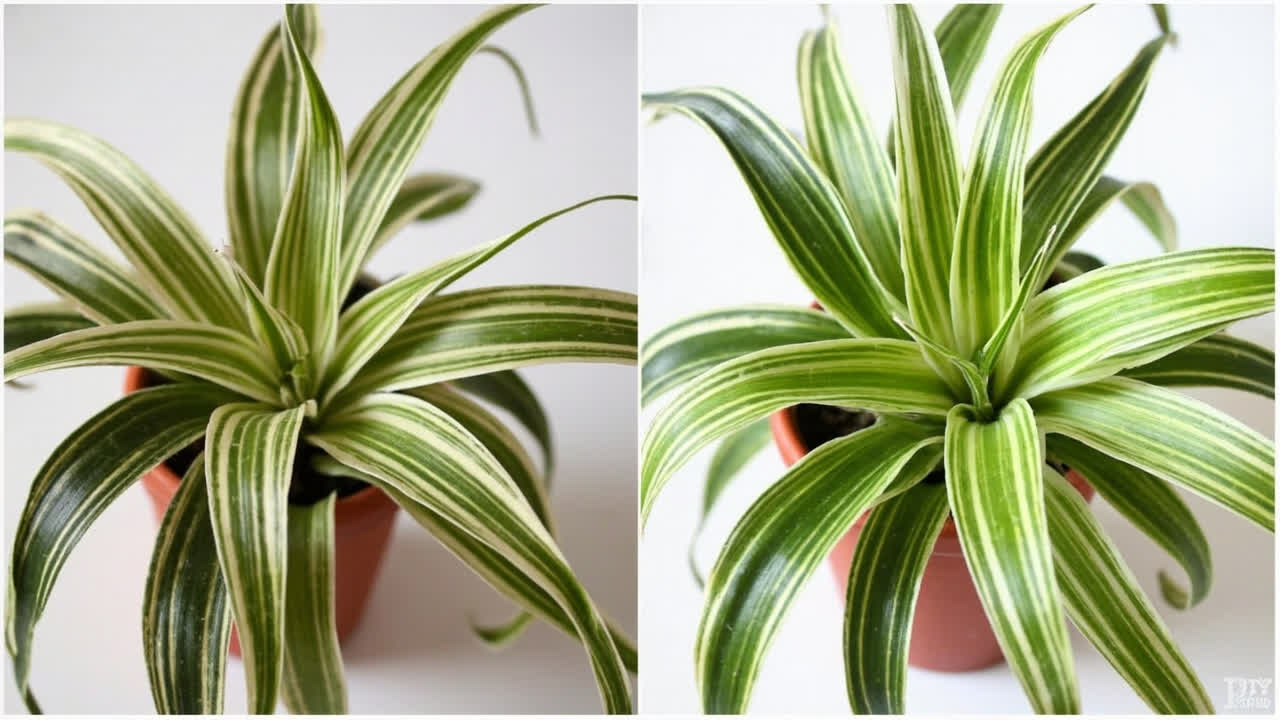
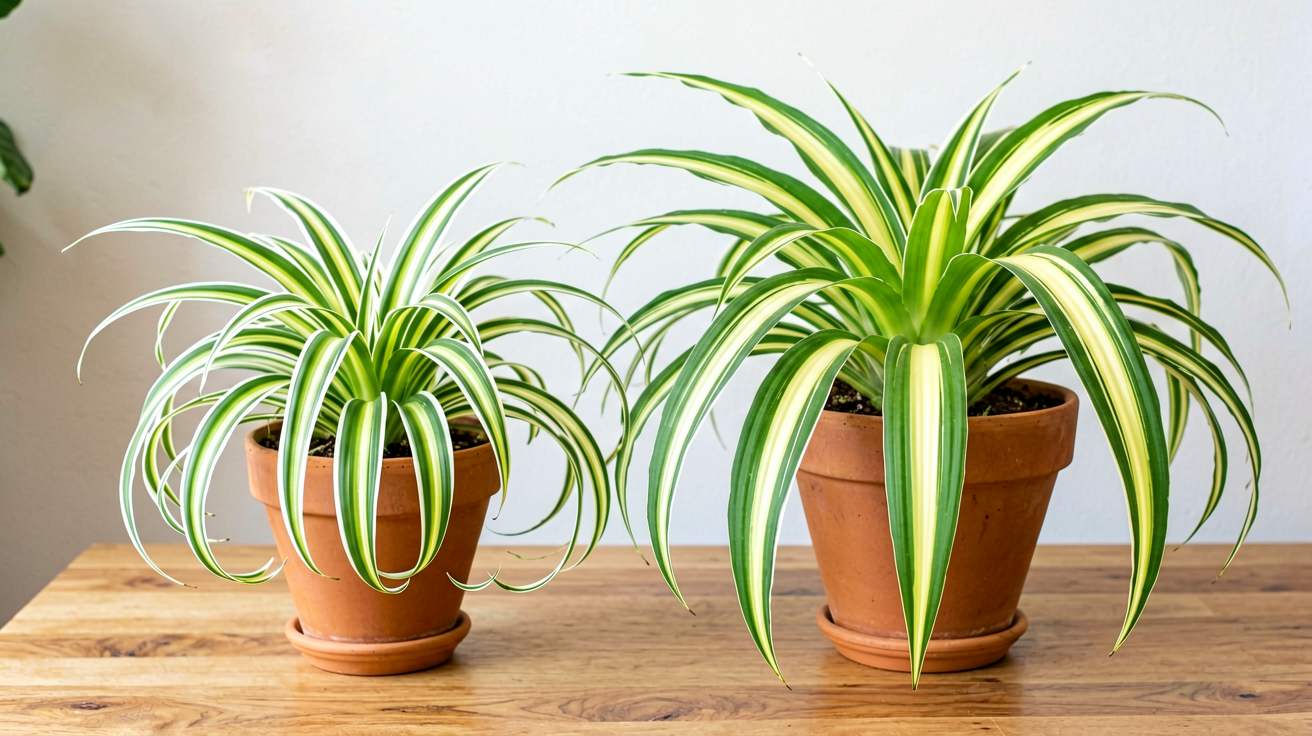
The right soil mix is the foundation of spider plant health — more important than any fertilizer or supplement you might add later. Spider plants are not demanding about soil, but they are specific about drainage. A mix that holds onto moisture for too long is the primary cause of root rot, which is the most common way spider plants die. Getting the soil right means your spider plant will need less intervention from you on every other aspect of care.
What Spider Plants Need from Soil
Spider plants are native to South African forests where they grow as groundcovers and sometimes as epiphytes on tree branches. As epiphytes, their roots are accustomed to air circulation and fast-draining conditions — they are not used to sitting in dense, water-retentive forest floor soil. This epiphytic nature shapes nearly every aspect of spider plant care — our spider plant care guide covers watering, light, and pot choice with this background in mind. This means that a standard heavy potting mix, while it might seem like the obvious choice, is actually the wrong direction for spider plants.
The ideal spider plant soil is fast-draining, moderately moisture-retentive, and well-aerated. It should hold enough moisture to sustain the plant between waterings but drain fast enough that the roots are never sitting in saturated conditions for more than a brief period after watering.
The Best Soil Mix
A standard all-purpose potting mix amended with perlite is the simplest effective option. Use a 3:1 ratio — three parts potting mix to one part perlite — and mix thoroughly before potting. The perlite keeps the mix open and fast-draining while the potting mix provides some moisture retention and nutrients.
A phalaenopsis orchid mix — primarily large-grade bark with some perlite — is an excellent choice for spider plants and is essentially a ready-made epiphytic mix that matches their natural growing conditions. The bark drains fast, provides excellent aeration to the roots, and is reasonably moisture-retentive. Many spider plant owners who switch to orchid bark report visibly healthier plants with more vigorous root systems.
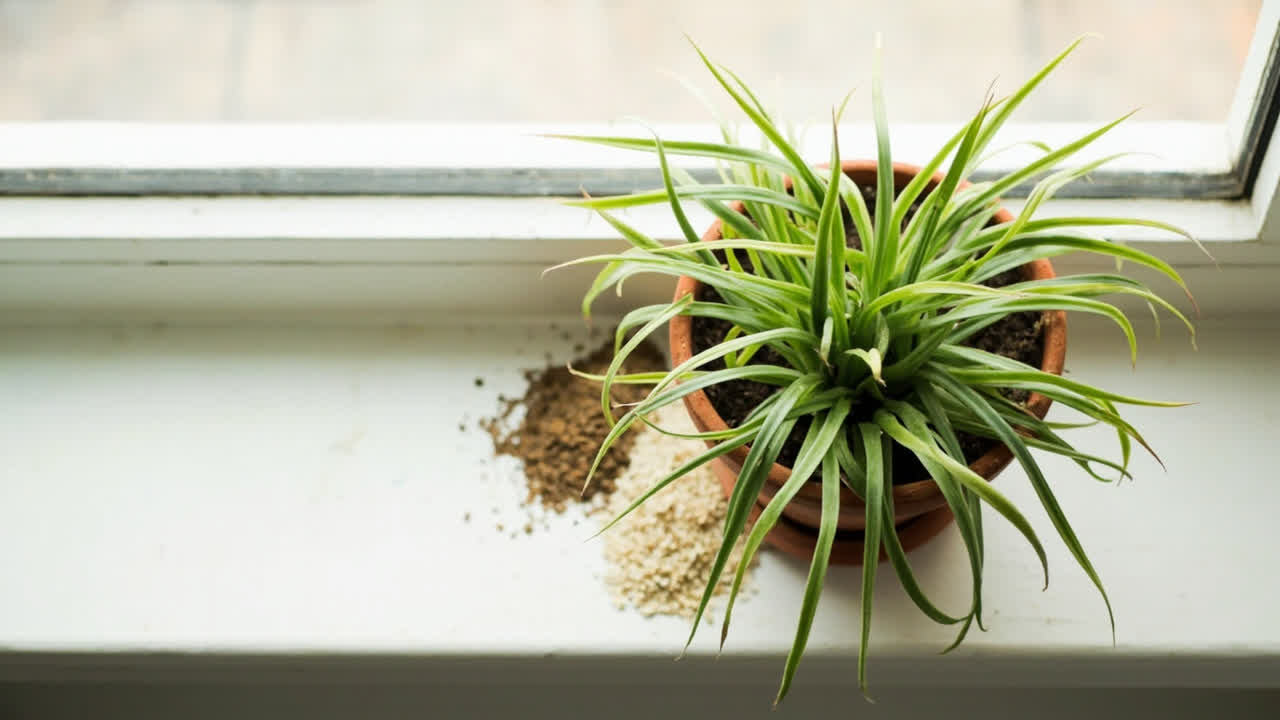
A mix of equal parts potting soil, perlite, and coarse sand also works well. The sand adds weight and drainage while the perlite keeps the mix open. This combination is particularly good for spider plants in terracotta pots, where the faster-drying mix compensates for the terracotta’s moisture-wicking effect.
What to Avoid
Avoid any soil mix that is predominantly clay or heavy organic matter without drainage amendments. Pure garden soil or topsoil is too dense and holds too much moisture for spider plant roots. Peat-heavy mixes are often used as a base but peat can become hydrophobic when it dries out completely — once it dries out it repels water and is very hard to rehydrate evenly. If you use a peat-heavy mix, make sure to keep it consistently moist and never let it fully dry out.
Avoid soil mixes with added fertilizers if you are planning to fertilize separately — double fertilizing causes salt buildup that shows up as brown leaf tips, which is easy to mistake for other problems.
DIY vs. Commercial Mixes
Commercial all-purpose potting mix — the standard bag from a garden centre — works fine as a base for spider plants when amended with perlite. Look for a mix that does not have extended-release fertilizers already added. The bag will list its contents; look for peat or coco coir as the base with perlite, bark, or sand as drainage components.
If you are buying commercial mix and do not want to amend it yourself, look for a cactus and succulent mix. These are designed for fast drainage and work well for spider plants without any amendment, though they may need slightly more frequent watering because they dry out faster than a custom mix.
Soil and Repotting
For a full guide to when and how to repot, see our article on when to repot a spider plant — the signs, timing, and pot sizing rules all apply directly to the soil strategy above.
Spider plants grow quickly and can become root-bound within a year or two. When you repot, always use fresh soil — do not reuse old soil from a previous pot. Old soil loses structure, accumulates salts from fertilizers, and may harbor pathogens from previous root issues. Fresh soil gives the plant the best start in its new container.
The best time to repot is spring or early summer, at the start of the active growing season. Use a pot that is one size larger than the current one — 1–2 inches larger in diameter. Going up more than one size at a time means the new soil will hold excess moisture that the reduced root system cannot absorb.
Signs of Soil Problems
If the soil stays wet for more than a week after watering, the mix is too heavy or the pot is too large for the plant. Switch to a faster-draining mix with more perlite, or move the plant to a smaller pot with less soil volume.
If the soil pulls away from the sides of the pot, it may have dried out completely. Spider plants tolerate drought reasonably well, but if the root ball has shrunk away from the pot walls, water will run down the sides and out the drainage hole without wetting the root ball. Soak the pot in a tray of water for 30 minutes to rehydrate the root ball from below.
From Bank Statement to QuickBooks-Ready File
That manual cleanup you just read about? This tool skips it. Turn your PDF into QBO for QuickBooks without storing your data anywhere.
Start Converting