A blueberry bush (Vaccinium corymbosum hybrid) is a compact, fruit-bearing shrub that thrives in acidic soil with a pH between 4.5 and 5.5. Container-grown blueberries are especially vulnerable to decline because their confined root system can’t access the natural soil chemistry that stabilizes pH in the ground. When that pH drifts above 6.0, roots progressively lose their ability to absorb iron and manganese — two nutrients blueberry bushes need in higher quantities than most plants.
If your blueberry plant is looking sick, don’t assume it’s beyond saving. Most blueberry decline responds to correction if you catch it early. The plant communicates its distress through leaf color and growth patterns — you just need to know how to read those signals. This guide walks you through diagnosis first, then specific recovery steps so you can act with confidence.
The approach here is diagnostic-first: fix the underlying cause before treating symptoms. Every problem section below starts with the most likely diagnosis, explains the mechanism, and gives you an exact fix. Work through each step in order — most dying blueberry plants recover fully within four to eight weeks once the primary stressor is removed.
Can You Still Save a Dying Blueberry Plant?
Yes — in most cases, a dying blueberry plant is salvageable. The critical question isn’t whether it’s dying, but what’s causing the decline and how long the damage has been building. Blueberry bushes are resilient perennials; they don’t die from a single bad week. They die from sustained stress that goes unaddressed for months.
The three biggest killers of container-grown blueberry bushes are soil pH above 6.0 (preventing nutrient uptake), root rot from overwatering (destroying the root system), and chronic underwatering (stressing the plant during fruit development). All three are reversible if you catch them before the root system is completely destroyed.
Start by examining the leaves and soil. A single diagnostic session tells you which category your plant falls into, and that determines your entire recovery plan. Don’t guess — observe first.
Why Blueberry Plants Struggle: The pH Problem
Blueberry bushes evolved in the forest floors of North Carolina and Michigan, where decades of pine needle accumulation created naturally acidic soil. That inheritance runs deep: blueberry roots form a symbiotic relationship with soil fungi (Ericoid mycorrhizae) that only function in pH 4.5 to 5.5. Above that range, the fungi die, and the plant loses its primary mechanism for absorbing iron.
When pH climbs above 5.5, iron becomes chemically locked in the soil — present but unavailable. The plant shows iron deficiency even when you’ve never skipped fertilizing. The leaves turn yellow between green veins (intervenous chlorosis), growth slows, and fruit production drops. If left uncorrected for a full growing season, the plant weakens enough that it can’t survive winter.
The most common cause of rising pH in containers is using tap water with high carbonate hardness. Even if you use an acidifying fertilizer, hard water continuously deposits alkaline minerals into the soil. A soil pH test — available for under $15 at any garden center — tells you exactly where you stand. Test the soil every two weeks during the growing season if you’re correcting pH.
Diagnose the Problem by Looking at the Leaves
Leaf color is your plant’s diagnostic report. Each discoloration pattern points to a specific deficiency or stressor, and reading it correctly saves you from guessing wrong.
Yellow leaves with green veins (intervenous chlorosis) mean iron is locked out — your soil pH is too high. This is the most common blueberry problem and the most reversible. leaves turning yellow in this pattern is a direct signal to test and lower your pH.
Purple or red leaves in late summer or fall are normal as temperatures drop — the plant is producing anthocyanins as a cold-hardening response. But if purple leaves appear in spring or mid-summer, that signals phosphorus deficiency, usually because roots are damaged or soil is too compacted for nutrient uptake.
Entire leaf turning yellow (not between veins) means nitrogen deficiency. This shows up first on older, lower leaves because nitrogen moves through the plant — the plant pulls it from older growth to feed new shoots. Correct with a nitrogen-rich fertilizer labeled for acid-loving plants.
Brown leaf edges and curling indicate salt buildup from over-fertilizing or hard water. Flush the container thoroughly with distilled water — pour slowly until water runs out the bottom, wait 30 minutes, then repeat twice more.
How to Save a Dying Blueberry Plant (Step-by-Step)
Once you’ve identified the problem from leaf and soil inspection, follow the steps below in order. Skip around and you’ll waste effort on symptoms while the underlying cause continues to damage the plant.
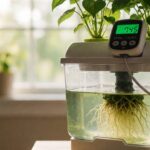
Step 1: Test soil pH with a digital pH meter or test kit. Insert the probe into moist soil at root depth (about 4 inches down). If pH reads above 5.5, that’s your primary problem. If pH is below 4.5, you’ve over-acidified — which is just as dangerous.
Step 2: Check drainage by feeling the soil. Dig into the top 3 inches of soil. If it feels soggy or smells musty, overwatering is likely. If it’s bone dry and pulls away from the pot edges, underwatering is the issue. Both cause similar leaf symptoms, so check soil moisture before adjusting water.
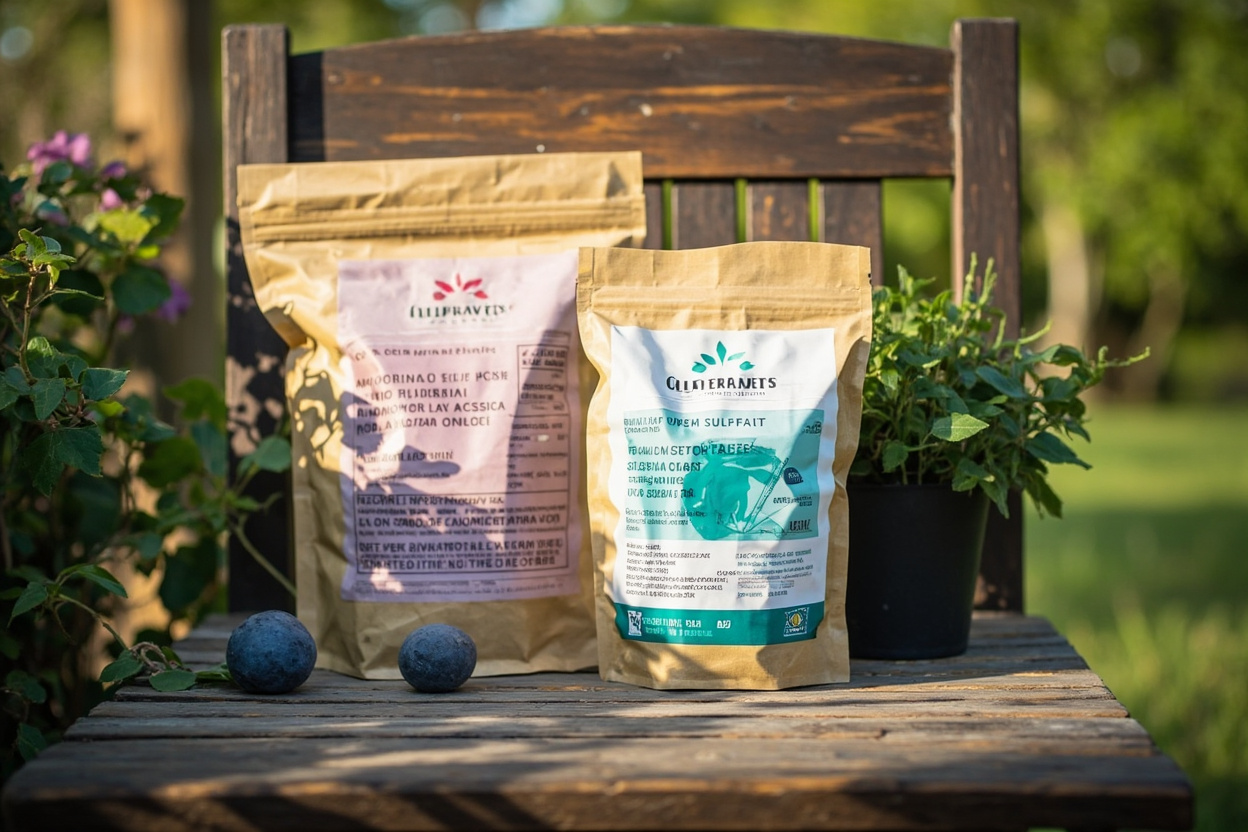
Step 3: For pH above 5.5 — apply elemental sulfur. Use 1 teaspoon of wettable sulfur per gallon of soil volume. Mix into the top inch of soil and water deeply. Sulfur lowers pH gradually (allow 3–4 weeks for full effect). Do not exceed 2 teaspoons per gallon — excessive sulfur burns roots. Retest every two weeks.
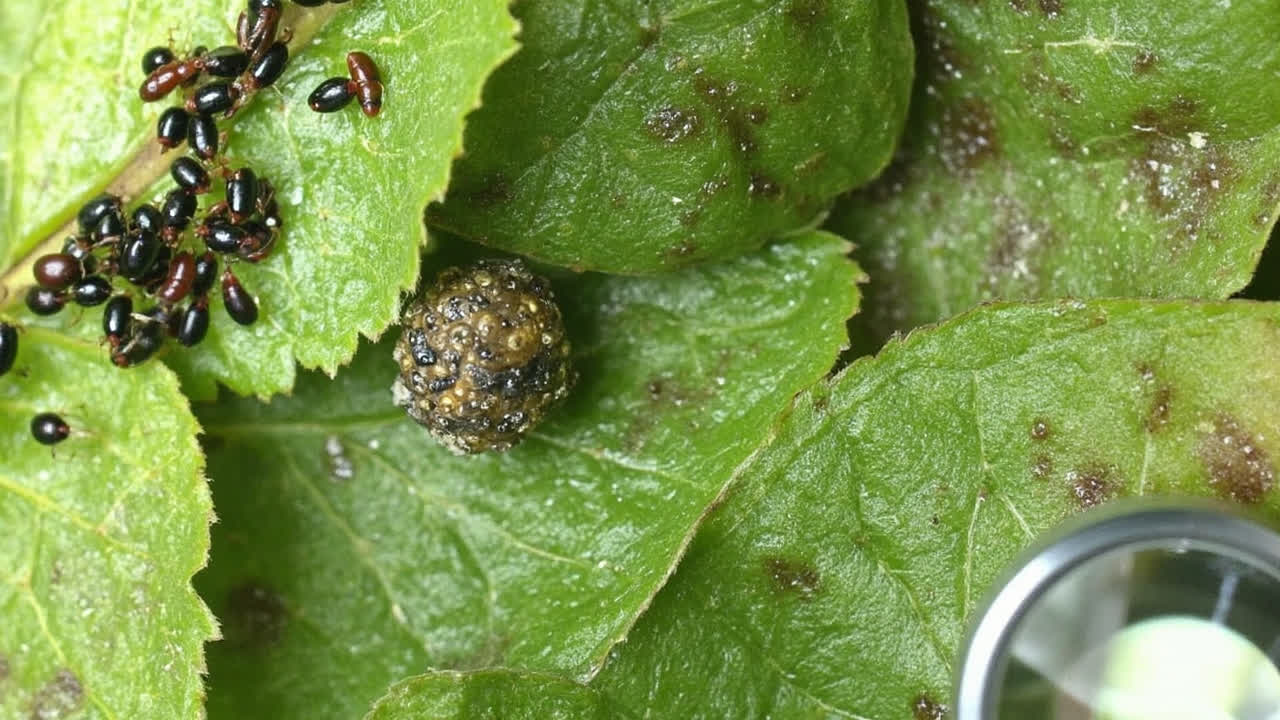
Step 4: For root rot suspected — the roots will be dark brown and mushy instead of firm and white. root rot kills quickly once established. Remove the plant from its container, trim all dark soft roots with sterile scissors, repot in fresh acidic potting mix (designed for azaleas or blueberries), and reduce watering to once the top 2 inches of soil are dry.
Step 5: For nitrogen deficiency — apply a fertilizer labeled for azaleas or blueberries with an NPK ratio of 10-5-4 or 12-10-10. Water thoroughly after application to prevent fertilizer burn. Reapply at half-strength every three weeks during the growing season.
Step 6: Mulch the soil surface. Apply 2–3 inches of pine bark mulch or shredded pine needles over the soil. Mulch buffers soil temperature, retains the acidic moisture blueberry roots prefer, and gradually acidifies the soil as it decomposes. Refresh mulch twice per year — spring and fall.
Step 7: Move the plant to filtered light. Blueberry bushes need 6–8 hours of direct sunlight daily for fruit production. If your plant is indoors, move it to the brightest window you have — south-facing if you’re in the northern hemisphere. Outdoor container plants benefit from morning sun and afternoon shade in climates above zone 7.
Common Mistakes That Kill Blueberry Plants
These are the errors that turn a fixable problem into a dead plant. Avoid them and your recovery odds go up significantly.
Using standard potting soil. Regular potting mix is pH-neutral to slightly alkaline — exactly the opposite of what blueberry bushes need. Always use a potting mix specifically formulated for acid-loving plants (azalea/camellia mix works well). The soil structure matters as much as the pH — blueberry roots need oxygen as much as moisture.
Watering on a fixed schedule instead of checking soil moisture. Blueberry water needs vary dramatically by temperature, container size, and season. A schedule that works in April will drown the plant in July. Insert your finger into the soil to the second knuckle before watering — if it feels moist, wait another day. The top inch must dry between waterings.
Over-fertilizing in an attempt to fix yellow leaves. Yellow leaves from iron lockout don’t respond to more fertilizer — the roots literally cannot absorb the nutrients regardless of concentration. Adding more fertilizer only increases salt buildup, which worsens the problem. Correct pH first, then fertilize.
Ignoring container drainage. Blueberries in pots without drainage holes (or with clogged drainage) develop root rot within weeks. Always use a pot with multiple drainage holes at the base and elevate the pot on pot feet so water can escape freely. Self-watering pots are not suitable for blueberries — the bottom reservoir keeps soil too wet.
If you’ve made any of these mistakes, don’t panic. Even plants that have been struggling for months often recover once the error is corrected. saving a dying pothos follows the same diagnostic logic — identify the cause, remove it, support recovery — and the success rate is equally high when action comes early.
How to Keep Your Blueberry Plant Healthy Long-Term
Recovery is the first step. Keeping your blueberry plant healthy for years requires maintaining the three conditions it depends on: acidic soil, consistent moisture, and adequate light.
Test soil pH every spring before new growth emerges. This single habit prevents 90% of blueberry problems. If pH is creeping above 5.5, apply sulfur preemptively. A small annual correction is far easier than recovering from severe chlorosis.
Use rainwater or distilled water whenever possible. Tap water in many regions has a pH above 7.0 and contains dissolved calcium and bicarbonate that gradually raise soil pH. Collecting rainwater for blueberry watering is one of the most effective long-term maintenance practices available. If rainwater isn’t available, let tap water sit for 24 hours before use — this dissipates chlorine but does not significantly lower pH, so it’s a partial solution only.
Re-pot every two to three years. Blueberry roots are shallow and spreading — they exhaust the soil in a container faster than you’d expect. Refresh potting mix annually, moving to a slightly larger container if roots are circling the bottom. Spring is the best time to re-pot, just as new growth begins.
Prune strategically in late winter. Remove dead wood first, then thin interior branches to improve air circulation. Cut back about one-third of the oldest canes (the thickest, woodiest stems) to encourage new productive growth. Blueberry fruit forms on year-old wood — the more young canes you maintain, the more fruit the plant produces.
These habits don’t require special skill — they just require consistency. best indoor plants for beginners are those that tolerate small care lapses without immediate collapse, and a healthy blueberry bush fits that profile once its basic conditions are met.
When to Give Up and Start Over
Honest guidance matters here. There are situations where the plant cannot recover, and continuing to care for it is an emotional choice rather than a practical one.
Signs the plant is too far gone: roots that are completely brown, mushy, and disintegrating when you check them. Stems that are hollow and dry when you cut them. Leaves that have been completely yellow and brittle for more than one full growing season without any green regrowth. A plant that has no living buds visible at the base of stems when you scrape the bark lightly with a fingernail — if the tissue under the bark is brown and dry all the way to the base, that stem is dead.
If your plant is at this stage, remove it, dispose of the soil (do not compost it — root rot spores can persist), and sterilize the container with a 10% bleach solution before replanting. The good news: a dead blueberry plant in the right container with fresh soil gives you a fresh start, and the knowledge you gained from the first attempt makes your second attempt significantly more likely to succeed.
If you see even a few green buds, green cambium layer under the bark, or new leaf growth at the tips of branches, the plant has a chance. Give it four to six weeks of corrected care before making a final judgment.
For prevention — soil pH, variety selection, and the prep steps that make “save dying” unnecessary — see our complete guide to growing blueberries at home.
Turn any PDF statement into a clean sheet
Skip the typos and the hours of copying. Our converter handles any bank statement format and outputs Excel, CSV, or QBO for QuickBooks. No file retention, free to try.
Convert your statement