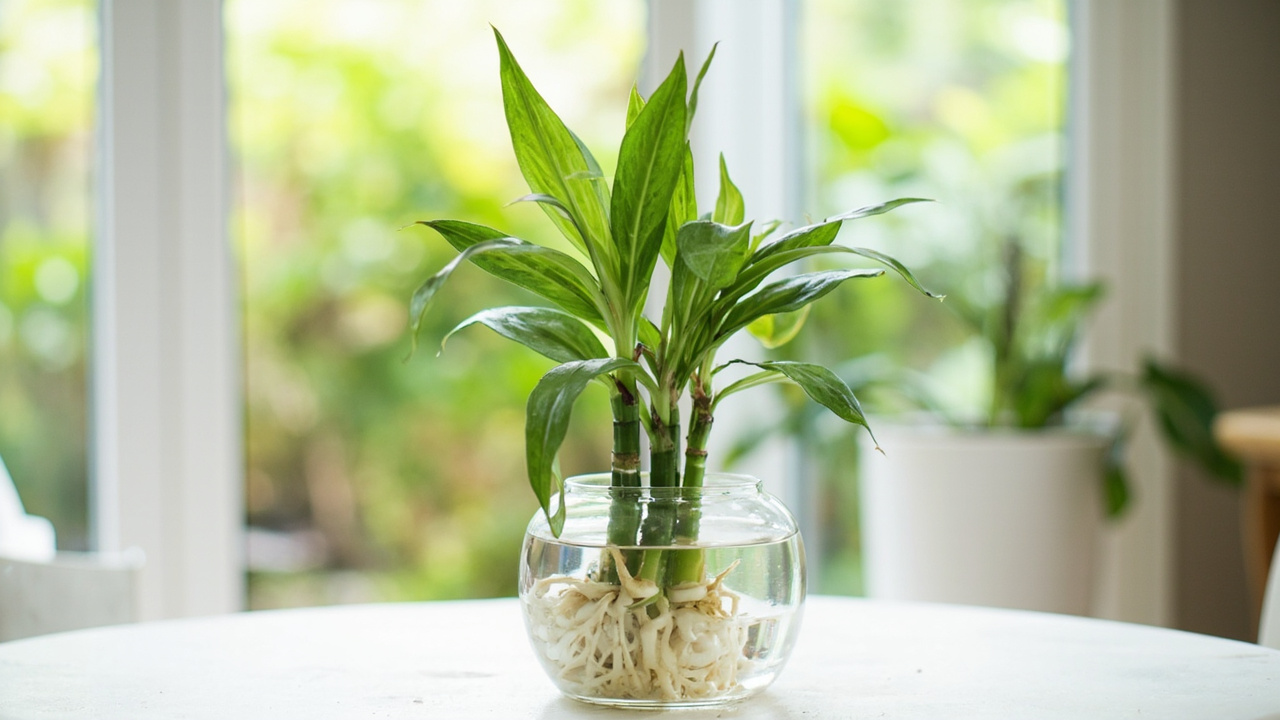

Lucky bamboo (Dracaena sanderiana) is one of the most common houseplants sold in garden centers, yet its scientific name reveals a plant that shares almost nothing with true bamboo except the visual resemblance save dying orchid. It belongs to the Dracaena genus — the same family as snake plants and mass cane — and evolved in the understory of African rainforests, not the open savannas where bamboo thrives save dying hibiscus. Understanding this origin explains every care decision.
Most beginners bring lucky bamboo home, treat it like regular potted bamboo or a water-loving tropical, and watch the stalks turn yellow and soft within a few months low light indoor plants. The problem is never too little water — it is almost always too much, combined with wrong soil conditions or excess direct sun. Dracaena sanderiana stores water in its thick, cane-like stalks and survives weeks of neglect. It does not survive constant saturation or root-bound soil.
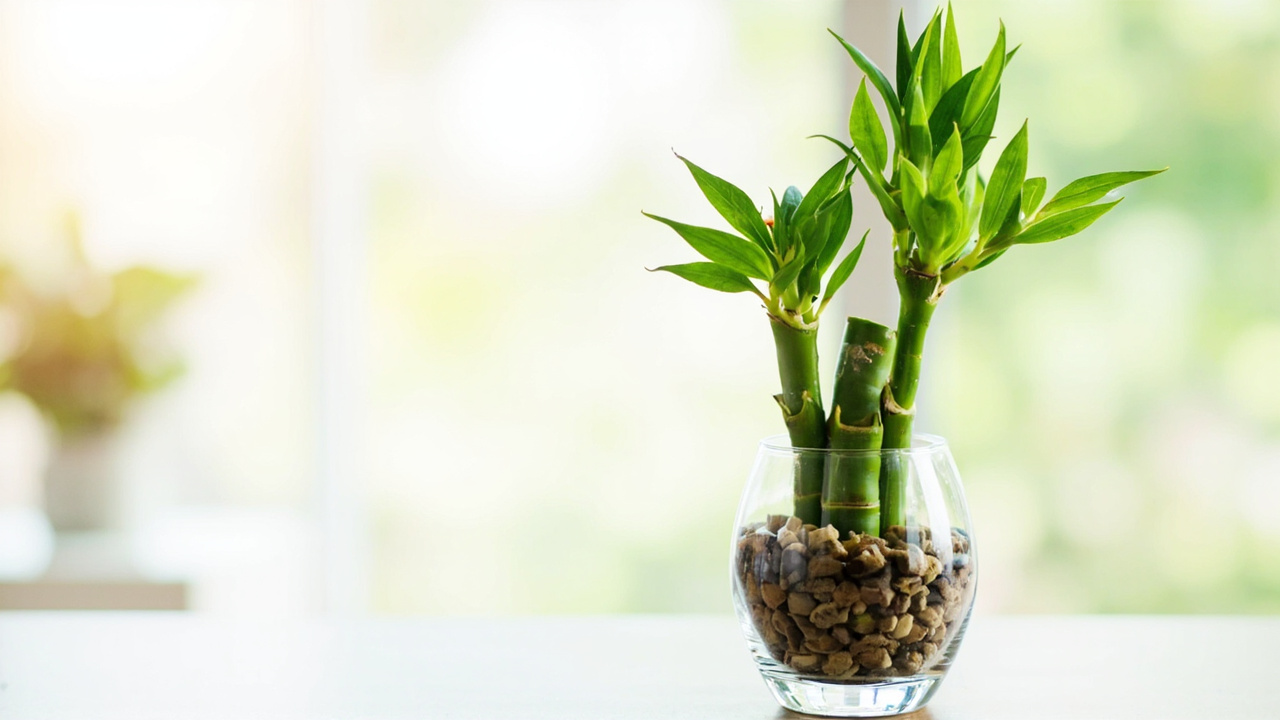
Quick answer: Lucky bamboo grows best in water with a thin layer of pebbles for root anchorage, placed in bright indirect light. Change the water every 1–2 weeks. If growing in soil, use a well-draining potting mix and water only when the top 50% of soil is dry. Keep it away from direct sun, cold drafts, and fluoride-rich tap water — all cause leaf burn and yellowing.
Dracaena Sanderiana: What Makes This Plant Different from True Bamboo
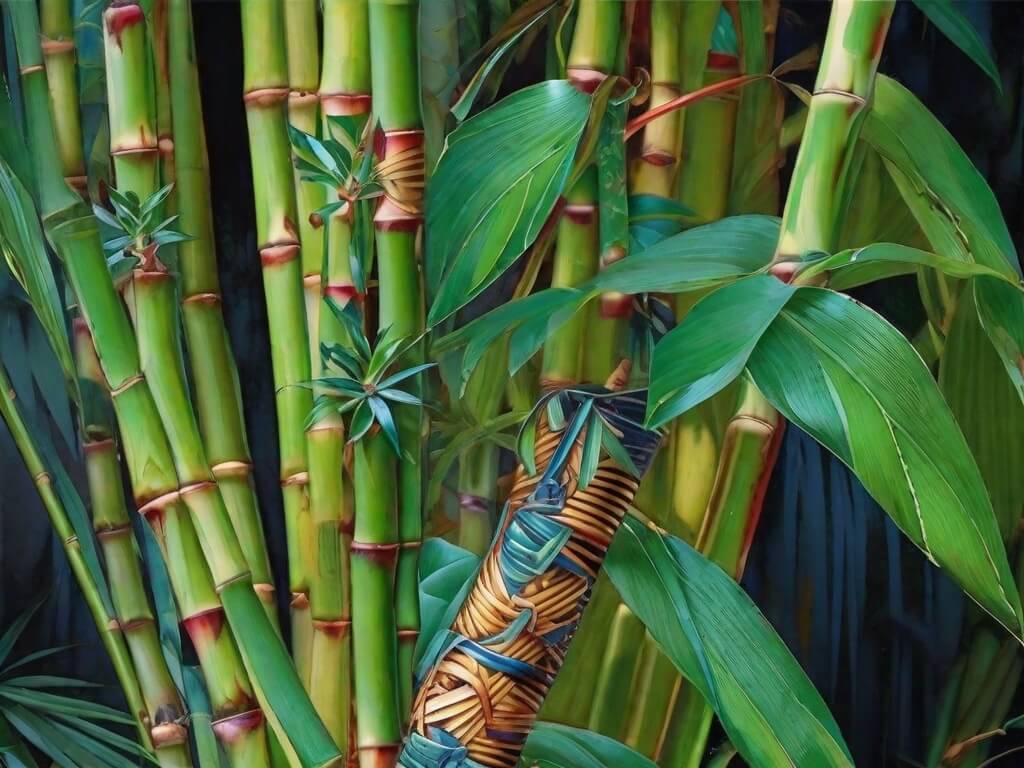
True bamboo (Phyllostachys and related genera) is a grass that grows aggressively in full sun, spreads via rhizomes, and handles drought and sun without complaint. Lucky bamboo is a tender tropical shrub from central African rainforest understories, adapted to dappled light, consistent (but not saturated) moisture, and humid air. These are fundamentally different plants with different needs.
The stalks — technically thickened water-storage stems, not true bamboo canes — can grow 2–3 feet indoors over several years, reaching up to 5 feet in ideal conditions. The thin, lance-shaped leaves grow from the top of each stalk and can reach 6–9 inches long. Individual stalks rarely branch; new growth appears as additional stalks from the root system or basal suckers.
What makes Dracaena sanderiana valuable as an indoor plant is its tolerance for low light, inconsistent watering, and the dry indoor air found in most homes and offices. It is not indestructible, but it is significantly more forgiving than most people assume.
Water Culture vs. Soil: Which Method Works Better
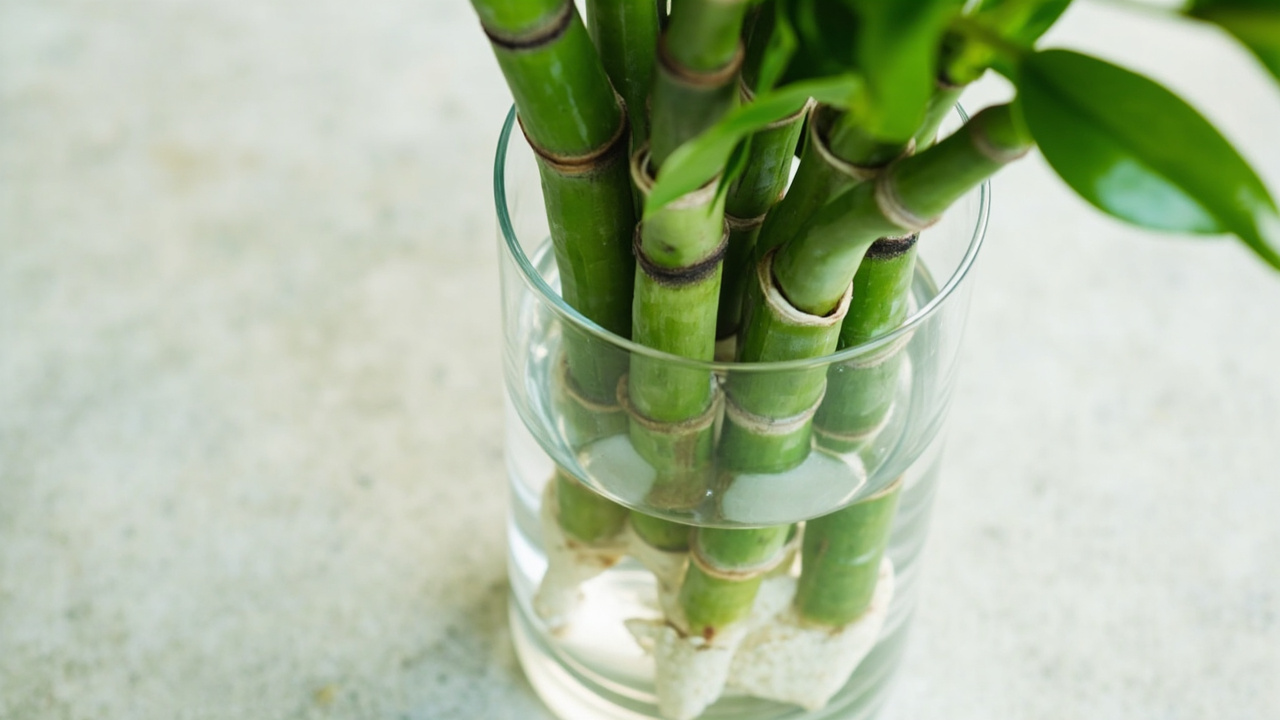
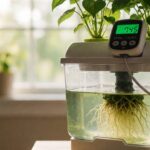
Water culture is the most common and arguably the best method for beginners. Fill a clean vase or container with 1–3 inches of room-temperature water (filtered or distilled — Dracaena sanderiana is sensitive to fluoride and chlorine in municipal tap water), add a 1–2 inch layer of pebbles, stones, or glass beads to anchor the roots, and place the stalks so the base sits in water but the stalks themselves stay dry.
Change the water every 7–14 days to prevent bacterial buildup, algae growth, and the anaerobic conditions that cause root rot. Top up the water level as it evaporates — the roots should always be submerged. Do not use metal containers; Dracaena species are sensitive to metal ions. Glass, ceramic, or plastic containers are fine.
Soil culture works if you prefer traditional potted plant care, but it introduces different risks. Use a fast-draining potting mix (add 30–50% perlite to standard potting soil) and a pot with drainage holes. Water thoroughly, then let the top 50% of soil dry before watering again. In soil, overwatering is the most common killer — the roots of Dracaena sanderiana evolved to access water from rainforest floor drainage, not standing water.
| Factor | Water Culture | Soil Culture |
|---|---|---|
| Watering frequency | Change water every 7–14 days | Every 7–14 days (allow 50% dry) |
| Fertilizer | Liquid fertilizer in water, 1x/month | Slow-release or liquid monthly |
| Root rot risk | Higher if overwatered | |
| Growth rate | Slower | Faster |
| Difficulty | Easier for beginners | Requires judgment on watering |
Light Requirements: Low Light Tolerant, Not No Light
Lucky bamboo tolerates low light better than almost any common houseplant — it will survive in a dim north-facing room or office interior. However, “survive” and “thrive” are different things. In low light, growth slows to a near-halt, new leaves come in smaller and paler than existing ones, and the characteristic dark green color fades to yellow-green.
For visible growth and maintained color, place lucky bamboo in bright indirect light — near an east-facing window, or back 2–3 feet from a south or west window where direct sun does not hit the leaves. Direct sunlight scorches the thin leaves, causing brown patches and yellowing that is irreversible. If you have no good natural light, artificial fluorescent or LED grow lights at 12–16 hours per day will sustain growth.
The low light indoor plants that share Dracaena sanderiana‘s tolerance include snake plant and ZZ plant, but lucky bamboo is distinguished by its graceful, arching growth form and its suitability for water display — qualities that make it more decorative than most low-light alternatives.
Water Quality and Why It Matters for Lucky Bamboo
Dracaena sanderiana is unusually sensitive to dissolved salts and fluoride, which cause leaf tip burn — brown or yellow leaf tips that spread inward. Municipal tap water in many regions contains fluoride added for dental health, and this concentration is high enough to damage sensitive Dracaena species over months of exposure.
Use filtered water, distilled water, or rainwater for lucky bamboo in water culture. If tap water is your only option, fill a container and leave it uncovered for 24 hours before use — this allows chlorine to dissipate but does not remove fluoride. Once tip burn appears, it cannot be reversed; the affected leaf tips can be trimmed with clean scissors to improve appearance, but new growth will show burn if water quality is not corrected.
For lucky bamboo growing in soil, the same sensitivity applies, though soil provides some buffering capacity. Flush the pot with clean water every 2–3 months to leach accumulated salts from the root zone.
Temperature and Humidity: Keeping It Comfortable Year-Round
Lucky bamboo thrives at temperatures between 65–90°F (18–32°C) — typical room temperature for most homes. It stops growing below 55°F (13°C) and suffers damage below 50°F (10°C). Keep it away from cold windowsills in winter, air conditioning vents that blow cold air, and drafty doorways.
Humidity is not critical — lucky bamboo tolerates the dry air found in heated and air-conditioned rooms better than most tropical plants. If leaf edges brown in dry indoor air (more common in winter), mist the leaves occasionally or place the container on a humidity tray (a dish filled with pebbles and a small amount of water, sitting below the plant pot so the roots stay dry).
Yellow Leaves and Yellow Stalks: Diagnosis and Treatment
Yellow leaves on lucky bamboo almost always trace back to one of four causes: overwatering (in soil), water quality (fluoride/chlorine), excess direct light, or nutrient deficiency. Correcting the cause stops the yellowing within 2–4 weeks; existing yellow leaves will not turn green again and should be removed by cutting the yellowed portion cleanly with scissors.
A yellow stalk — where the cane itself turns yellow from the growing tip downward — is more serious. This indicates the entire stalk is declining, usually from root rot (in soil) or severe root damage (in water culture from neglected water changes). In water culture, a yellowing stalk can sometimes be saved by cutting below the yellow area and rooting the top section as a new cutting. In soil, it usually means the root system has collapsed and recovery is unlikely.
Prevent root rot by never letting lucky bamboo sit in stagnant, murky water for more than 2 weeks, and by using pots with adequate drainage if growing in soil. Our guide to root rot covers the prevention principles that apply to all Dracaena species.
Fertilizing Lucky Bamboo: Less Is More
Lucky bamboo is a light feeder. In water culture, add a single drop of liquid houseplant fertilizer to the water once a month during the growing season (spring through early autumn) — no fertilizer in winter when growth slows. In soil, apply a balanced liquid fertilizer diluted to half strength once a month from March through September.
Over-fertilizing is more damaging than under-fertilizing. Excess fertilizer salts accumulate in the water or soil, drawing moisture away from the roots and causing the same leaf tip burn as poor water quality. If you are using filtered or distilled water with no added fertilizer, lucky bamboo will survive and grow slowly for years without any supplemental feeding.
Training and Styling: Spirals, Braids, and Simple Arrangements
Lucky bamboo stalks are often trained into spirals, braids, or tiered forms by commercial growers who manipulate light direction during growth — rotating the plant and bending stalks gradually over months under controlled conditions. These are aesthetic techniques developed by professional growers and are difficult to replicate at home without time and patience.
For home styling, group 3, 5, or 7 stalks of varying heights in a single container for visual balance, following the odd-number grouping principle common in interior design. Use pebbles or glass beads to anchor the stalks at different heights. This arrangement is simpler and equally attractive — it also makes it easier to spot and remove any yellowing stalks before the problem spreads.
Lucky Bamboo Care: What You Need to Remember
Lucky bamboo earns its reputation as a beginner plant through its tolerance for neglect, low light, and irregular watering — but it has specific vulnerabilities that, once understood, make it one of the most reliable houseplants available. Give it bright indirect light, clean water (or well-draining soil with careful watering), and protection from cold and direct sun, and it will grow steadily for years with minimal intervention.
For more forgiving plants suited to the same conditions, explore our collection of best indoor plants for beginners. To understand how Dracaena sanderiana compares to its relatives, read our Dracaena species comparison for the botanical details that explain why lucky bamboo is uniquely suited to indoor water culture.
From Bank Statement to QuickBooks-Ready File
That manual cleanup you just read about? This tool skips it. Turn your PDF into QBO for QuickBooks without storing your data anywhere.
Start Converting