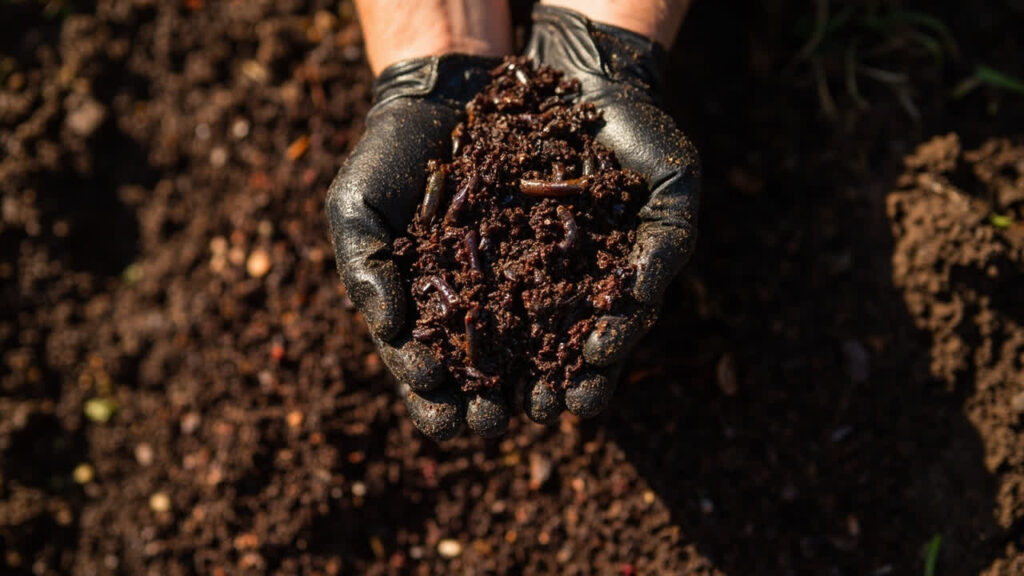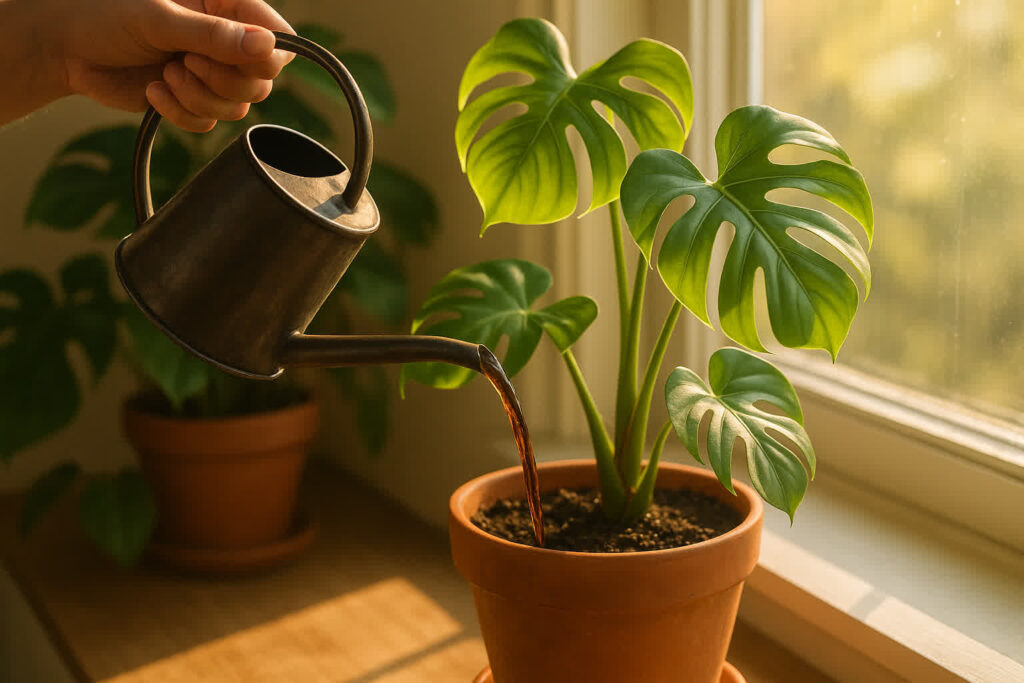

Worm casting tea for houseplants is a liquid fertilizer made by steeping worm castings in water, producing a nutrient-rich solution that feeds both the soil and the plant itself. Unlike conventional liquid fertilizers that deliver a quick burst of synthetic salts, worm tea introduces living beneficial microbes into the root zone, improving nutrient uptake over time rather than in one acute event. The result is stronger root development, better moisture retention, and fewer instances of root burn — a common complaint with chemical fertilizers among indoor gardeners.
The misconception most houseplant owners hold is that worm casting tea works like any other liquid fertilizer: pour it in and watch the NPK numbers do the job. In reality, the NPK ratio in worm tea is negligible — typically around 0.5-0.5-0.5 — which means the plant food value comes not from the macronutrients themselves but from the microorganisms and micronutrients that make existing soil nutrients more available. This is why worm casting tea functions as a soil health booster as much as a plant food, a distinction that matters enormously for long-term indoor garden success.
This guide covers how to brew it correctly, apply it safely, and fit it into an indoor plant care routine without wasting effort or damaging sensitive roots. Whether you grow tropical monstera, a collection of pothos, or a windowsill of herbs, worm casting tea fits into almost every houseplant care schedule — with a few notable exceptions covered at the end. If you prefer to produce your own DIY worm castings from a home bin rather than purchasing them commercially, the resulting castings work identically in the brewing process.
Why Chemical Fertilizers Often Hurt Houseplants
Synthetic fertilizers deliver concentrated nitrogen, phosphorus, and potassium in salt form, which accumulate in the potting medium with repeated application. When salt levels climb too high in the root zone, osmotic pressure reverses — water moves out of the root cells and into the surrounding soil, effectively drying the plant from the inside even if the soil feels moist. This is called fertilizer burn, and it manifests as crispy leaf edges, yellowing between veins, and stunted new growth.
Beyond the immediate burn risk, chemical fertilizers do nothing for the soil microbiome. A healthy potting mix contains billions of bacteria, fungi, and protozoa per handful — organisms that cycle nutrients, suppress disease, and create the crumbly structure that roots need to breathe. Synthetic fertilizers bypass and often kill these organisms, leaving the soil sterile over time. Worm casting tea reverses this trend by feeding the soil life first, which then feeds the plant in the gentle, slow manner nature designed.
Aerobic vs. Anaerobic Worm Casting Tea
The brewing method determines whether your worm tea is a beneficial microbial inoculant or a potential pathogen soup. Aerobic brewing — also called actively aerated compost tea (AACT) — keeps oxygen flowing throughout the brewing process using an aquarium air pump and stone. This environment favors beneficial bacteria, fungi, and protozoa while suppressing anaerobic organisms that thrive without oxygen, some of which produce phytotoxic compounds harmful to plant roots.
Anaerobic brewing occurs when the tea sits still, without aeration, for more than 48 hours. Anaerobic conditions allow Clostridium bacteria to proliferate — the same family responsible for botulism and other anaerobic plant pathogens. While not all anaerobic tea is dangerous, the risk increases with brew time, temperature, and lack of oxygen. Most horticulturists recommend aerobic brewing exclusively for houseplant application, and the standard brewing instructions below assume aerobic conditions throughout.
Brewing Worm Casting Tea for Houseplants
Those new to brewing their own microbial tea can follow a straightforward how to make worm casting tea guide, which walks through the equipment and timing in more detail. The core recipe below works independently and produces reliable results at home.
The ratio is simple: use approximately 1 cup of worm castings per gallon of non-chlorinated water. Tap water works if it sits uncovered for 24 hours, allowing chlorine to dissipate — chlorine kills the beneficial microbes you’re trying to cultivate. If your water softener uses salt, avoid it; instead use filtered water or rainwater collected from a clean surface.
Place the castings in a mesh bag, cheesecloth, or loose in a bucket and submerge them in the water. Drop an aquarium air pump hose and stone into the bucket to provide continuous oxygen. Brew for 24 to 48 hours at room temperature — somewhere between 65°F and 75°F (18°C–24°C). Shorter brews under 24 hours yield less microbe colonization; longer than 48 hours risks anaerobic takeover even with aeration. The tea should smell like rich earth — a clean, dark, organic scent. If it smells sour, pungent, or rotten, discard it and start a fresh batch.
Some growers add a microherd booster — a tablespoon of unsulfured molasses dissolved in the brew water — to feed the beneficial microorganisms and increase their population density. This step is optional but meaningfully improves the microbial diversity of the finished tea, particularly if your worm castings come from a small or young worm bin setup where microbial diversity may be limited.
Applying Worm Casting Tea: Soil Drench vs. Foliar Spray
There are two primary application methods, each targeting different plant systems. A soil drench applies the tea directly to the potting medium, feeding the root zone and the soil microbiome. A foliar spray mists the solution onto leaf surfaces, where beneficial microbes colonize the stomata and create a protective microbial layer that can suppress fungal diseases like powdery mildew.
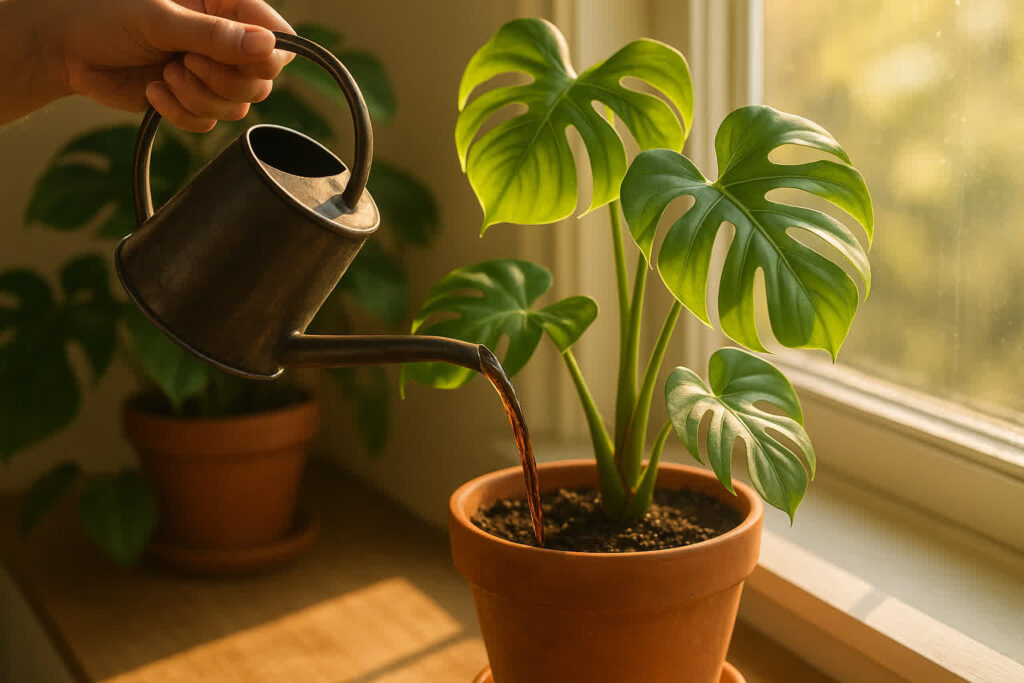
For soil drench application, dilute the brewed tea at a ratio of 1 part tea to 10 parts water — roughly 1 cup of tea per 10 cups of water for a standard houseplant watering can. This dilution is conservative enough to use on every watering without risking salt buildup or overfeeding, even on sensitive species like seedlings, succulents, or newly repotted plants. Pour slowly around the base of the plant until the soil is evenly moist but not waterlogged.
For foliar spray, dilute at the same 1:10 ratio but strain the tea first through a fine mesh or coffee filter to prevent the air pump stone or particulate matter from clogging your spray nozzle. Spray on the upper and lower leaf surfaces in the early morning or evening to avoid leaf burn from sun magnification on wet leaves. Apply every 2–3 weeks during the growing season; frequency matters less than consistency, since the goal is establishing a stable microbial community rather than delivering an immediate nutrient hit.
What NPK Actually Means for Worm Tea
The numbers on a fertilizer label — 10-10-10, 20-20-20 — represent the percentage of nitrogen, phosphorus, and potassium by weight. Worm casting tea’s NPK of roughly 0.5-0.5-0.5 means it contributes almost no macronutrients in measurable terms. This frustrates gardeners accustomed to big numbers on fertilizer bottles, which is exactly why worm tea is misunderstood. The real value lies in the microbiology — billions of beneficial bacteria, protozoa, and fungal spores per cup of finished tea that transform the root environment.
These organisms form symbiotic relationships with plant roots. Rhizobacteria produce plant growth hormones like auxin and cytokinin that stimulate root branching and leaf development. Mycorrhizal fungi extend the effective root surface area by up to 1,000 times, pulling phosphorus and micronutrients from soil particles that roots cannot reach directly. Protozoa mineralize nitrogen from organic matter, converting it into plant-available ammonium and nitrate. Beneficial microbes also suppress pathogenic organisms through competition — occupying the same niches that disease-causing fungi and bacteria would otherwise colonize.
In practical terms, a plant fed regularly with worm casting tea builds a more robust soil ecosystem over time. This is why results compound: the first application helps, but consistent monthly use over a growing season produces noticeably darker green leaves, faster growth, and higher disease resistance. The soil improves as a living system, not just as an inert medium holding nutrients.
When and How Often to Apply Worm Tea
Apply worm casting tea once per month during the active growing season — roughly March through September in the Northern Hemisphere — when houseplants are pushing new leaves and roots and can most benefit from enhanced nutrient uptake. During the dormant winter months, most tropical houseplants slow their metabolic rate significantly and require less feeding; switch to every 6–8 weeks or pause application entirely until spring.
For stressed plants — those recovering from root rot, transplant shock, pest damage, or nutrient deficiency — worm tea offers a gentle recovery pathway. Unlike synthetic fertilizers that can further shock compromised roots, the diluted tea feeds without burning and simultaneously introduces beneficial organisms that help suppress the rot-causing pathogens that often coexist with root damage. Apply as a soil drench every two weeks until the plant shows visible signs of recovery: new leaf growth, color return, or turgidity restoration.
Healthy plants benefit equally from monthly application. The microbial colonization that worm tea delivers accumulates in the potting medium over time, gradually improving soil structure, water retention, and nutrient cycling even in stable, established houseplants. This is the core long-term benefit of compost tea and AAB brewing methods: not a single dramatic result but a slow, compounding improvement in soil health that outlasts any individual application.
What Worm Casting Tea Cannot Do
Worm casting tea is not a complete fertilizer and cannot substitute for a balanced nutrient program on heavy-feeding houseplants during peak growth. Plants like citrus, roses, or large tropical specimens with high metabolic demands may show signs of nitrogen deficiency — pale leaves, slow growth, smaller new leaves — if worm tea is the sole nutrient source. For these plants, supplement with a slow-release organic granular fertilizer or a diluted synthetic feed between worm tea applications to bridge the gap.
Worm tea also works too slowly to address acute nutrient deficiencies. If a plant shows severe chlorosis, purple stems, or necrosis from a known deficiency, a targeted liquid fertilizer delivers the missing nutrient within days, while worm tea takes weeks to show results through microbial mediation. The tea is a preventive and restorative tool, not a corrective emergency treatment for acute deficiencies.
Additionally, worm tea does not significantly alter soil pH or address structural problems like severe compaction, hydrophobic soil, or salt buildup from prior over-fertilization. These issues require direct intervention — repotting with fresh medium, flushing with clean water, or adding perlite — before the microbial benefits of worm tea can take hold in a damaged root environment.
Which Houseplants Benefit Most
Monthly worm casting tea applications work exceptionally well for most tropical houseplants: monstera, philodendron, pothos, scindapsus, anthurium, alocasia, and similar species that evolved in forest floor environments rich in organic matter and microbial life. These plants respond strongly to enhanced soil biology because their root systems are physiologically adapted to form symbiotic relationships with beneficial fungi and bacteria.
Foliage plants with large leaf surfaces — fiddle-leaf figs, bird of paradise, rubber plants, and calathea — also benefit from the combined soil drench and foliar spray approach, which suppresses common fungal issues like botrytis and anthracnose that affect these species in humid indoor environments — learn how to increase humidity for indoor plants with our practical guide.
Skip worm casting tea for succulents and cacti. These plants evolved in arid, nutrient-poor soils where heavy organic matter and moisture-retaining amendments cause root rot. Succulents want lean, fast-draining conditions; worm tea’s moisture contribution and microbial load can upset the precise balance these plants require. For cacti and succulents, a light quarterly watering with highly diluted fertilizer is safer and more appropriate than worm tea.
Using Your Brew the Same Day
Aerobic worm casting tea must be used within 4 hours of brewing for maximum benefit. Once aeration stops, dissolved oxygen in the water depletes within a few hours, and the microbial community begins shifting toward anaerobic conditions. The longer the tea sits unused, the fewer viable beneficial organisms remain in solution — and the higher the risk of anaerobic pathogens dominating the brew.
There is no effective way to store finished worm casting tea long-term. Bottling, refrigerating, or preserving the tea kills the aerobic microbes through oxygen deprivation and temperature shock. Some growers attempt to extend viability with additional aeration or additives, but research consistently shows that live microbe populations drop below effective thresholds within 4–6 hours of brew completion. The practical solution: brew only what you can use in one application. For most indoor gardeners, that means one gallon batches comfortably serve 4–6 medium houseplants on a monthly schedule.
If you find yourself with leftover tea, apply it to outdoor container plants, garden beds, or compost piles rather than discarding it. The organisms still benefit soil health in those environments, even if the application isn’t perfectly timed for indoor use.
Turn PDF Bank Statements Into Workable Spreadsheets
Your bank statement is a mess of numbers, but your books shouldn't be. Use our converter to get Excel, CSV, or QBO files — ready for QuickBooks.
Try It Free Now