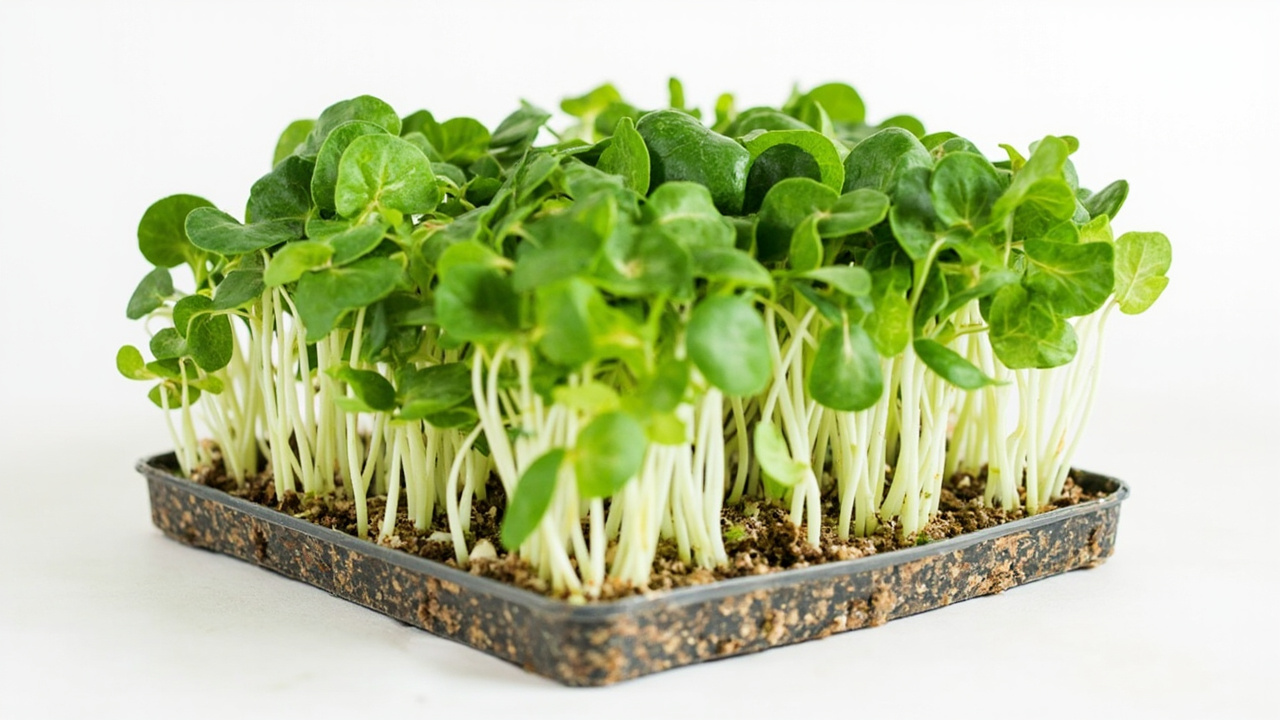
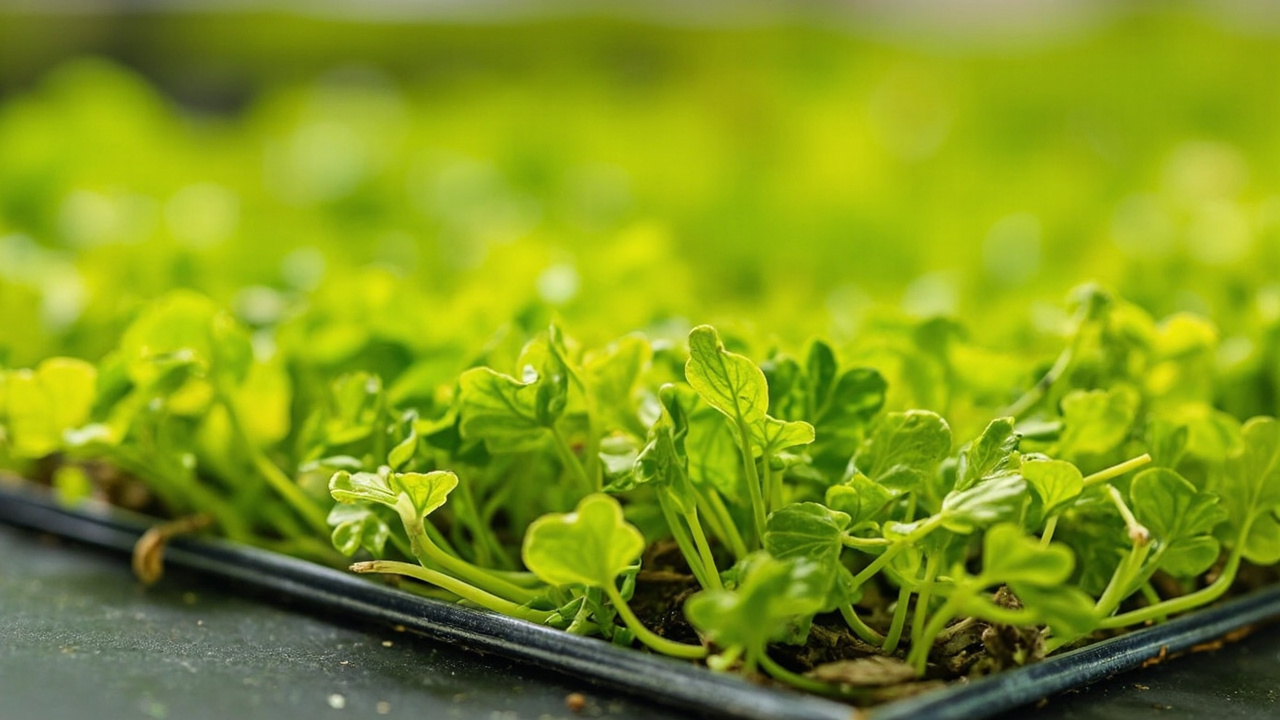
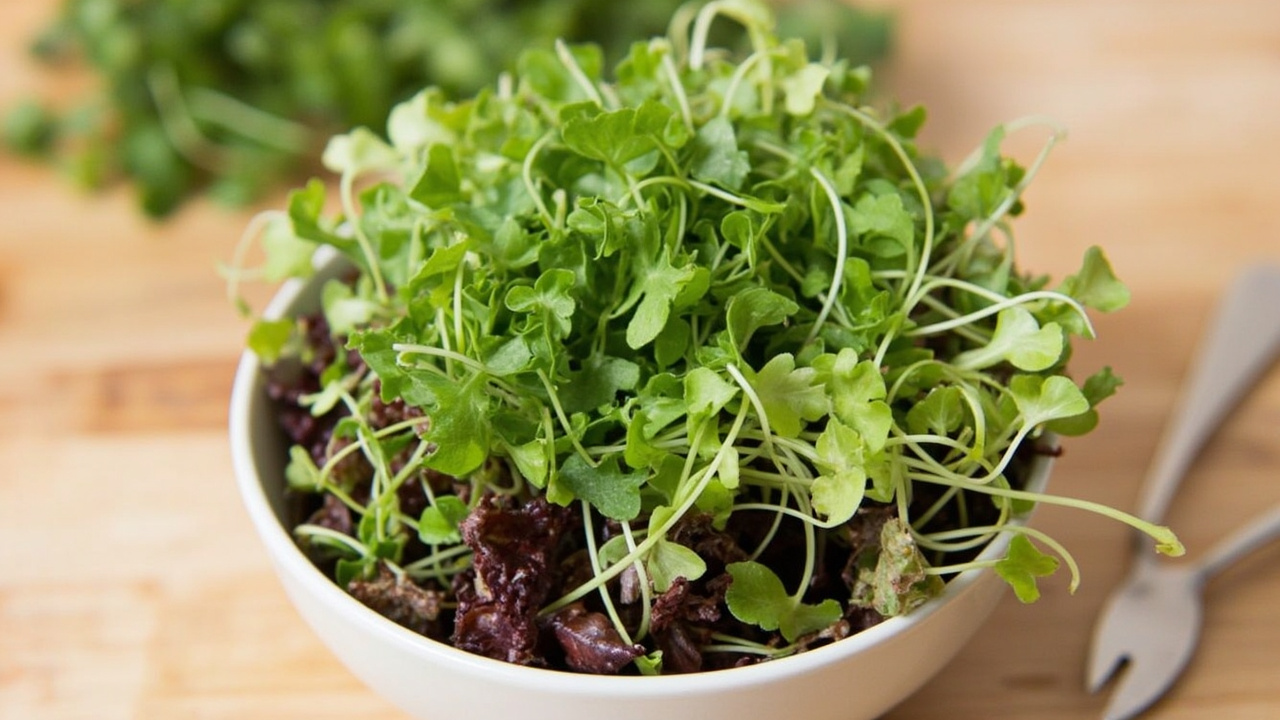
Radish microgreens are one of the fastest and most satisfying crops for a beginner tray. They germinate quickly, grow with strong color, and bring a peppery bite that is easy to use in sandwiches, eggs, rice bowls, and salads.
The main challenge is not speed. It is keeping the seed layer even, uncovering on time, and harvesting before the stems become too strong or tangled.
Why Radish Microgreens Grow So Fast
Radish is a brassica, like broccoli and mustard, and it follows the basic method in how to grow microgreens. Most trays germinate in a few days and are ready in about 6 to 10 days.
That speed is useful because mistakes show quickly. If the tray stretches, smells stale, or dries unevenly, you can adjust the next sowing without waiting weeks.
Seed And Medium Setup
Use untreated radish seed from a reliable source. The buying rules in the microgreens seeds guide matter here because dense edible seed crops leave little room for poor germination.
Spread seed in a dense single layer over an evenly damp medium. Radish seed is large enough to handle easily but small enough to sow without soaking. The medium should be level, loose, and not muddy.
Blackout And First Light
Cover the tray after sowing and check it daily. Radish often pushes up fast, so do not leave it in blackout just because the stems are pale. Pale stems green up after light exposure.
Once the seedlings lift, move them into bright light. The light rules in microgreens light requirements are especially important with radish because weak light creates long leaning stems quickly.
Watering Radish Microgreens
After germination, switch to bottom watering. The routine in the microgreens watering guide helps keep the canopy drier while the roots stay moist.
Radish grows densely, so trapped moisture can build at the base. If the tray smells sharp in a bad way, feels slimy, or has spreading fuzz, reduce density and improve airflow next time.
When To Harvest Radish Microgreens
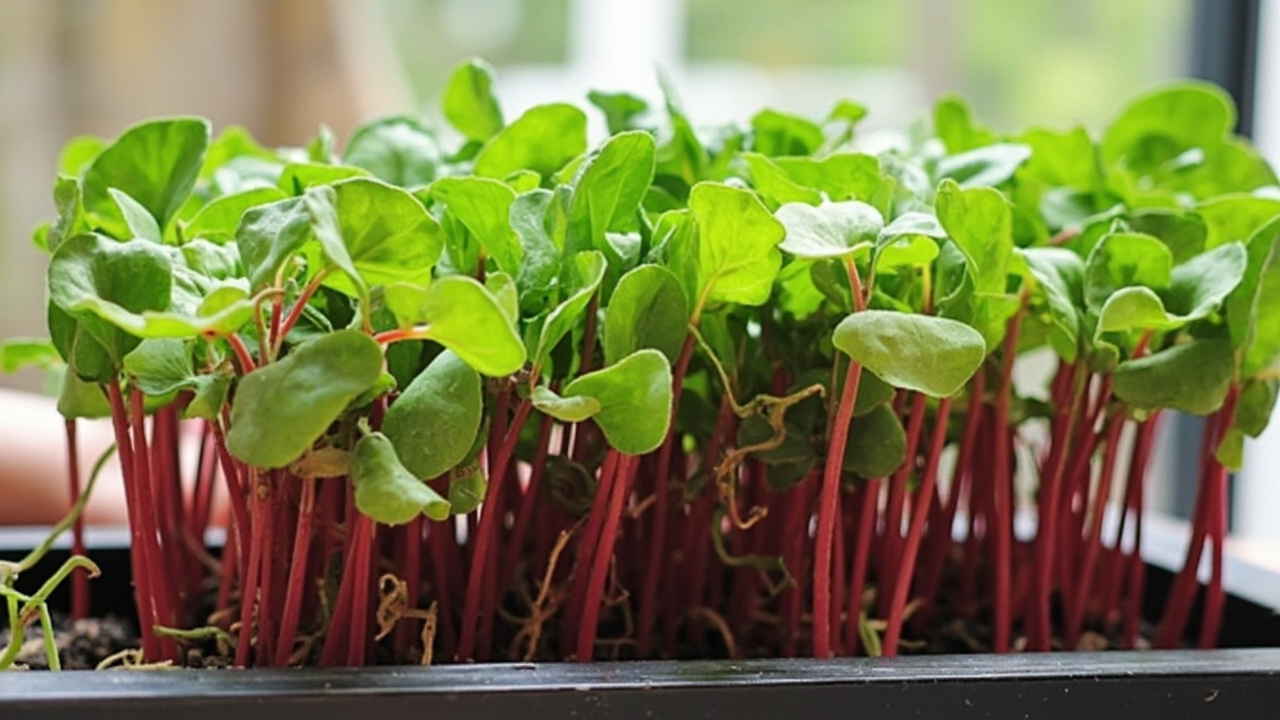
Harvest when the cotyledons are open, the stems are upright, and the flavor is peppery but still pleasant. The broader timing clues are in when to harvest microgreens.
The honest trade-off is flavor strength. Waiting longer may increase yield, but radish can become hotter and stemmier. Cut a small pinch and taste before deciding to hold the tray another day.
Common Radish Tray Problems
- Leggy stems: uncover earlier or move the light closer.
- Seed hulls stuck on leaves: improve moisture consistency during germination.
- Patchy tray: check seed age and sowing evenness.
- Too spicy: harvest earlier or use a milder crop next time.
- Fuzzy roots: check whether it is root hairs before assuming mold.
Radish is a good confidence crop because it rewards simple corrections. Keep the tray even, bright, and not too wet, and it will usually give you a clean harvest fast.
From PDF to Excel in one click
Forget retyping line by line. Upload any bank statement, get a spreadsheet you can actually use. Your files are never stored, and you can test the converter with 3 free conversions.
Try it free