Vegetable plants don’t die overnight. They pass through stages — stressed, declining, dying — and most of them can be rescued if you catch the problem early enough. The mistake most gardeners make is treating symptoms without knowing the cause. They see yellow leaves and reach for fertilizer, not realizing that overwatering produces exactly the same yellowing as nitrogen deficiency. The plant ends up getting worse, not better.
This guide walks you through a diagnostic reflex: observe, compare, then act. You’ll match what you see on your plant to the most likely cause, find out whether recovery is possible, and learn exactly what to do next. No guesswork. No generic advice. If you need the full growing context behind common failures, start with our beginner vegetable garden guide.
What “Dying” Actually Means
Vegetable plants move through three stages of decline:
Stressed — leaves look off-color or slightly wilted, but growth continues. Most reversible.
Declining — symptoms worsen, growth slows or stops, new leaves emerge smaller. Reversible with targeted correction.
Dying — major sections of the plant are gone, root system is compromised, recovery becomes uncertain. Act immediately.
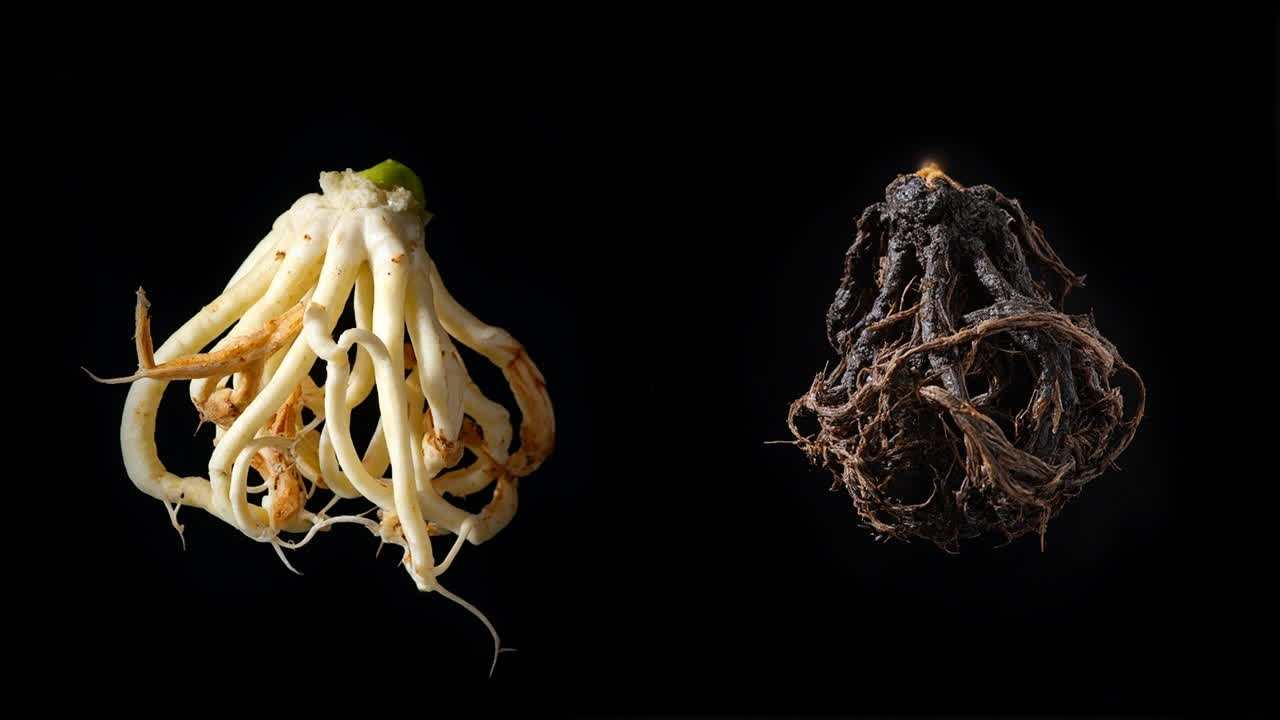
The recovery threshold depends on one factor above all others: the root system. If the roots are white and firm, the plant can recover from almost anything. If the roots are brown, mushy, or absent, the plant’s ability to absorb water and nutrients is already gone — and no amount of fertilizer or water will fix that.
The diagnostic reflex before you do anything: stop adding products, stop adjusting water, stop guessing. Pick up the plant, check the soil, look at the leaves, then come back to this guide.
—
The Symptom Checker : Find Your Plant’s Problem
Use this table to narrow down the cause before reading the detailed sections. Match the most prominent symptom on your plant.
| Symptom | Most Likely Cause | Recovery Possible? |
|---|---|---|
| Yellow lower leaves | Nitrogen deficiency or overwatering | Yes, if roots are intact |
| Whole plant wilting, soil stays wet | Root rot or fungal wilt | Possible in early stages |
| Whole plant wilting, soil is dry | Underwatering | Yes, immediately |
| Yellow leaves with brown edges | Nutrient burn or salt buildup | Yes, flush the soil |
| White or gray powder on leaves | Powdery mildew | Yes, treatable |
| Holes or bite marks in leaves | Pest damage | Yes, identify and treat |
| Leaves curling inward | Heat stress or underwatering | Yes, with shade and water |
| New growth is stunted and yellow | Iron chlorosis or pH lockout | Yes, correct substrate pH |
| Stem base is black and soft | Stem rot | Often not salvageable |
| Yellow lower leaves | Nitrogen deficiency or overwatering | Yes, if roots are intact |
|---|---|---|
| Whole plant wilting, soil stays wet | Root rot or fungal wilt | Possible in early stages |
| Whole plant wilting, soil is dry | Underwatering | Yes, immediately |
| Yellow leaves with brown edges | Nutrient burn or salt buildup | Yes, flush the soil |
| White or gray powder on leaves | Powdery mildew | Yes, treatable |
| Holes or bite marks in leaves | Pest damage | Yes, identify and treat |
| Leaves curling inward | Heat stress or underwatering | Yes, with shade and water |
| New growth is stunted and yellow | Iron chlorosis or pH lockout | Yes, correct substrate pH |
| Stem base is black and soft | Stem rot | Often not salvageable |
| Yellow lower leaves | Nitrogen deficiency or overwatering | Yes, if roots are intact |
|---|---|---|
| Whole plant wilting, soil stays wet | Root rot or fungal wilt | Possible in early stages |
| Whole plant wilting, soil is dry | Underwatering | Yes, immediately |
| Yellow leaves with brown edges | Nutrient burn or salt buildup | Yes, flush the soil |
| White or gray powder on leaves | Powdery mildew | Yes, treatable |
| Holes or bite marks in leaves | Pest damage | Yes, identify and treat |
| Leaves curling inward | Heat stress or underwatering | Yes, with shade and water |
| New growth is stunted and yellow | Iron chlorosis or pH lockout | Yes, correct substrate pH |
| Stem base is black and soft | Stem rot | Often not salvageable |
| Whole plant wilting, soil stays wet | Root rot or fungal wilt | Possible in early stages |
|---|---|---|
| Whole plant wilting, soil is dry | Underwatering | Yes, immediately |
| Yellow leaves with brown edges | Nutrient burn or salt buildup | Yes, flush the soil |
| White or gray powder on leaves | Powdery mildew | Yes, treatable |
| Holes or bite marks in leaves | Pest damage | Yes, identify and treat |
| Leaves curling inward | Heat stress or underwatering | Yes, with shade and water |
| New growth is stunted and yellow | Iron chlorosis or pH lockout | Yes, correct substrate pH |
| Stem base is black and soft | Stem rot | Often not salvageable |
| Whole plant wilting, soil is dry | Underwatering | Yes, immediately |
|---|---|---|
| Yellow leaves with brown edges | Nutrient burn or salt buildup | Yes, flush the soil |
| White or gray powder on leaves | Powdery mildew | Yes, treatable |
| Holes or bite marks in leaves | Pest damage | Yes, identify and treat |
| Leaves curling inward | Heat stress or underwatering | Yes, with shade and water |
| New growth is stunted and yellow | Iron chlorosis or pH lockout | Yes, correct substrate pH |
| Stem base is black and soft | Stem rot | Often not salvageable |
| Yellow leaves with brown edges | Nutrient burn or salt buildup | Yes, flush the soil |
|---|---|---|
| White or gray powder on leaves | Powdery mildew | Yes, treatable |
| Holes or bite marks in leaves | Pest damage | Yes, identify and treat |
| Leaves curling inward | Heat stress or underwatering | Yes, with shade and water |
| New growth is stunted and yellow | Iron chlorosis or pH lockout | Yes, correct substrate pH |
| Stem base is black and soft | Stem rot | Often not salvageable |
| White or gray powder on leaves | Powdery mildew | Yes, treatable |
|---|---|---|
| Holes or bite marks in leaves | Pest damage | Yes, identify and treat |
| Leaves curling inward | Heat stress or underwatering | Yes, with shade and water |
| New growth is stunted and yellow | Iron chlorosis or pH lockout | Yes, correct substrate pH |
| Stem base is black and soft | Stem rot | Often not salvageable |
| Holes or bite marks in leaves | Pest damage | Yes, identify and treat |
|---|---|---|
| Leaves curling inward | Heat stress or underwatering | Yes, with shade and water |
| New growth is stunted and yellow | Iron chlorosis or pH lockout | Yes, correct substrate pH |
| Stem base is black and soft | Stem rot | Often not salvageable |
| Leaves curling inward | Heat stress or underwatering | Yes, with shade and water |
|---|---|---|
| New growth is stunted and yellow | Iron chlorosis or pH lockout | Yes, correct substrate pH |
| Stem base is black and soft | Stem rot | Often not salvageable |
| New growth is stunted and yellow | Iron chlorosis or pH lockout | Yes, correct substrate pH |
|---|---|---|
| Stem base is black and soft | Stem rot | Often not salvageable |
| Stem base is black and soft | Stem rot | Often not salvageable |
|---|
—
Yellow Leaves : Four Causes That Look Identical
Yellowing leaves are the most common distress signal from vegetable plants, and the most commonly misdiagnosed. Four different problems produce yellow leaves, and the fix for one can make another worse.
Nitrogen deficiency — The older, lower leaves turn yellow first while the new growth at the top stays green. The plant looks pale overall, not just at the bottom. This is a genuine nutrient shortage and responds to a balanced fertilizer or a side-dress of compost.
Overwatering — The leaves turn yellow but feel soft and slightly limp, not dry and crispy. The soil stays wet for three or more days after watering. Roots sitting in water lose their ability to absorb oxygen and nutrients — so yellowing from overwatering looks almost identical to nitrogen deficiency. The difference: overwatered soil stays wet; deficient soil stays dry.
Magnesium deficiency — Yellowing appears between the green veins of leaves, especially on older leaves lower on the plant. The leaf edges may curl. This responds to Epsom salts dissolved in water as a foliar spray.
Natural senescence — During heavy fruiting, a plant will yellow and drop some of its lower leaves as it redirects energy to developing fruit. This is normal. The plant is not dying — it’s reallocating resources.
The key diagnostic test — the squeeze test:
Grab a handful of soil from the root zone and squeeze it. If the soil holds its shape and water drips out, it’s overwatered. If it crumbles and won’t hold together, it’s underwatered. This one test rules out most of the guesswork.
—
Wilting : Three Very Different Problems
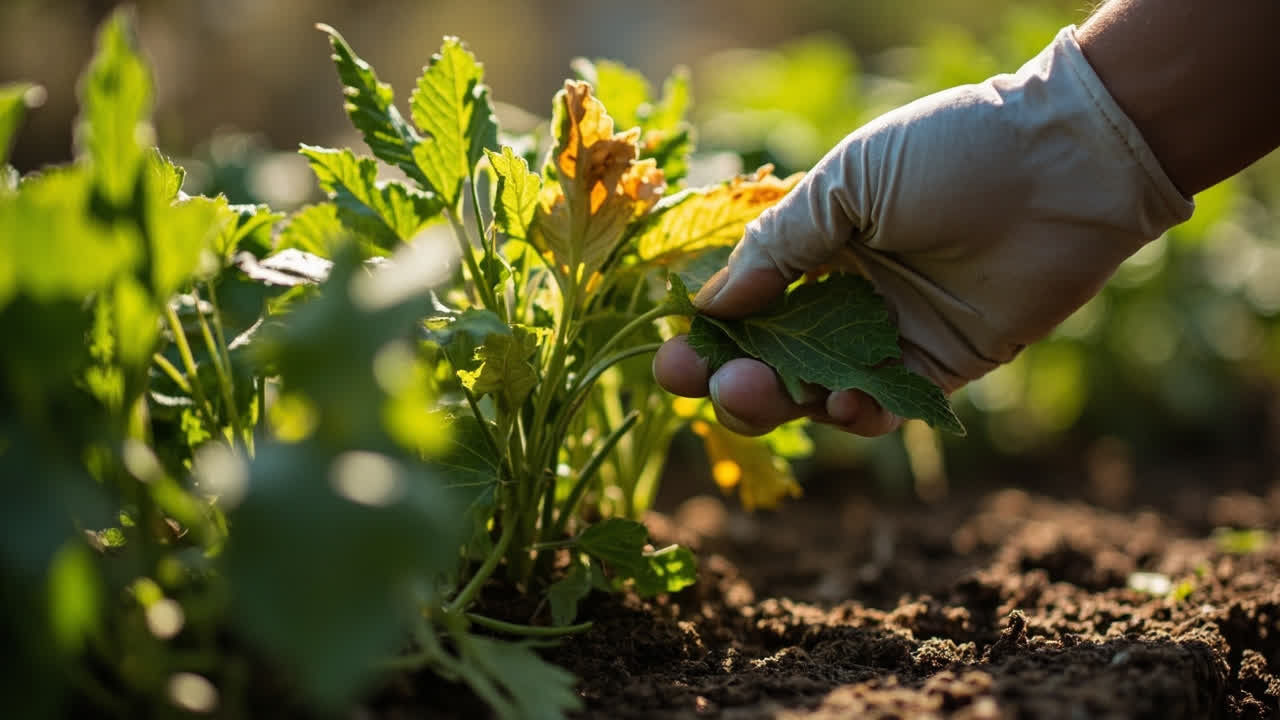
A wilted plant triggers one instinct: water it. That instinct is correct about one-third of the time. The other two wilting causes will kill the plant faster if you add more water.
Underwatering — The soil is dry. Leaves look slightly crispy at the edges, not limp and soft. The plant perks up within hours of watering. This is the easy case. Water deeply, check soil moisture daily until the plant recovers, and adjust your watering schedule.
Root rot — The soil is wet but the plant still wilts. This happens when roots have been sitting in water so long they’ve begun to decompose. Dead roots can’t move water to the leaves, so the plant acts thirsty even in soggy soil.
How to check for root rot:
1. Gently remove the plant from its pot, keeping as many roots intact as possible.
2. Rinse the root zone with water until you can see the roots clearly.
3. White, firm, fibrous roots = healthy. Brown, mushy, slimy, or snapping roots = rot.
If you catch it early: trim away all brown/mushy roots with clean scissors, repot in fresh fast-draining mix, and water only when the top two inches of soil are dry. Reduce watering frequency significantly.
If the root system is more than half destroyed, the plant’s ability to recover is very low. Compost it and start fresh.
Fusarium or fungal wilt — The top few inches of soil are dry but the soil below is wet. Leaves yellow asymmetrically — one side of the plant wilts while the other stays upright. This is a soil-borne fungus that clogs the plant’s water-conducting vessels. Overwatering and poor drainage make it worse.
Fungal wilt is rarely salvageable once it’s established. Solarize the soil before planting in that spot again, or plant resistant varieties. Rotate crops so the same family doesn’t follow itself in the same soil.
—
Stunted Growth : When the Plant Won’t Grow
A plant that isn’t growing but isn’t obviously dying has a root or substrate problem.
Root-bound — If the plant has been in the same container for more than six to eight weeks, roots may have circled the pot and run out of room. The plant can’t access more water or nutrients because there’s no new soil for roots to grow into. Leaves may yellow and new leaves come in small and distorted.
Fix: transplant to a container two inches larger in diameter, or transplant into the ground. Loosen the outer root ball gently before planting to encourage roots to grow outward into the new soil.
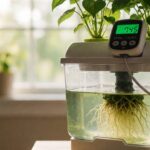
Nutrient lockout — When substrate pH is wrong, roots cannot absorb available nutrients even if they’re present in the soil. Vegetables growing in soil prefer pH 6.0 to 7.0. In hydroponics, pH 5.5 to 6.5 is ideal depending on the system.
A pH meter is worth every cent you spend on it. Test the substrate or reservoir, adjust with lime (to raise pH) or sulfur (to lower pH), and wait three to five days before reassessing. Nutrient lockout doesn’t fix itself overnight.
Compacted soil — A hardpan layer or heavily compacted container mix prevents roots from growing deeper and restricts water drainage. The plant stunts, leaves may purple from phosphorus deficiency (even if adequate phosphorus exists), and watering becomes difficult because water runs off instead of soaking in.
Fix: for containers, repot with fresh mix. For in-ground beds, work in coarse compost or perlite to break up compaction. Do not dig deeply around existing plant roots — work around the edges.
—
Leaf Damage : Pests, Disease, and Environmental Stress
Leaf symptoms are the most visible part of plant decline, and they’re also the most specific. If chewing damage is the main clue, use our vegetable garden pest identification guide to narrow the culprit fast.
Holes in leaves — Beetles, slugs, and earwigs chew holes in foliage. The pattern of damage tells you which pest is responsible. Beetles create ragged holes from the edge. Slugs leave ragged holes without clean edges and leave slime trails. Earwigs cluster at the growing tips and newest leaves.
Curled leaves with sticky residue — An aphid infestation. Aphids cluster on the undersides of young leaves, pierce the leaf tissue, and leave sticky honeydew on the leaves below. A strong spray of water knocks them off. Insecticidal soap applied to leaf undersides treats heavier infestations.
White or gray powdery coating — Powdery mildew. It thrives in still air, high humidity, and warm days with cool nights. It’s cosmetic on some plants but can reduce yield significantly on vegetables.
Treat with neem oil spray applied in the evening (neem breaks down in direct sunlight) or potassium bicarbonate spray. Increase airflow around the plant. Remove the worst-affected leaves — do not compost them.
Brown spots with yellow halos — Bacterial or fungal leaf spot. Remove affected leaves immediately to prevent spread. Avoid overhead watering — wet leaves encourage bacterial growth. Copper-based fungicides help in early stages.
Brown or crispy leaf edges — Underwatering, wind burn, or heat stress. The edges of leaves dry out first. Increase watering frequency or provide afternoon shade during heat waves. Container plants are most vulnerable.
—
When the Plant Is Probably Gone
Some signals mean the plant has passed the point of reasonable recovery.
The crown growing point is dead. If the central tip of the plant — where new leaves emerge — is brown and brittle with no sign of growth, the plant’s ability to generate new tissue is gone. Some plants can regrow from side shoots if the main stem is damaged, but most vegetables cannot.
The stem is hollow and mushy at the base. This is stem rot, typically caused by fungal infection in the root zone. The structural tissue of the plant has collapsed. Remove it — do not attempt to save it.
The roots are dry, brittle, and break when you pull the plant. This is prolonged drought damage. The root system was dead before the leaves showed it. If the stem is still firm at the base, there’s a slim chance — water immediately and see — but roots that crumble when pulled are beyond recovery.
What to do with a dead plant: remove the entire root system from the container or soil, do not compost any material that showed disease symptoms, and investigate the cause before replanting in the same spot. Send a soil sample for testing if you lost multiple plants to the same pattern.
—
The 4-Week Recovery Protocol
For plants you’ve diagnosed with a treatable cause and confirmed still have a functional root system:
Week 1 — Stop and support. Remove the plant from direct sunlight or intense heat. Stop all fertilizer. Water only when the top two inches of soil are dry. Watch the plant daily.
Week 2 — Correct the primary problem. If overwatering, repot in fast-draining mix. If pest damage, apply treatment in the evening. If nutrient deficiency, apply a single light feeding at half the recommended strength.
Week 3 — Resume light feeding. After two weeks without fertilizer, apply a balanced liquid fertilizer at half strength. No high-nitrogen fertilizers during recovery — they push new growth that the root system isn’t ready to support.
Week 4 — Monitor and maintain. Reduce checking to every two to three days. If new growth is emerging by the end of week 4, the plant is recovering. If not, reassess — the root system may have been more damaged than you thought.
—
How This Connects to the Rest of Your Garden
A dying vegetable plant is almost never an isolated incident. The conditions that caused it — overwatering, poor drainage, pH imbalance, pest pressure — are probably affecting other plants nearby.
Check the plants closest to the affected one. Look at their soil moisture, leaf color, and root condition. Correct the underlying condition for the whole bed, not just the one plant.
For persistent soil health problems, worm castings in your vegetable garden improve soil structure, drainage, and microbial activity in ways that prevent the conditions that lead to root rot and nutrient lockout. For soil pH and nutrient management, organic fertilizer for vegetables provides the broader feeding context that helps prevent the next episode.
A vegetable garden is a system. Fixing one plant is the starting point — not the end of the work.
Turn any PDF statement into a clean sheet
Skip the typos and the hours of copying. Our converter handles any bank statement format and outputs Excel, CSV, or QBO for QuickBooks. No file retention, free to try.
Convert your statement