
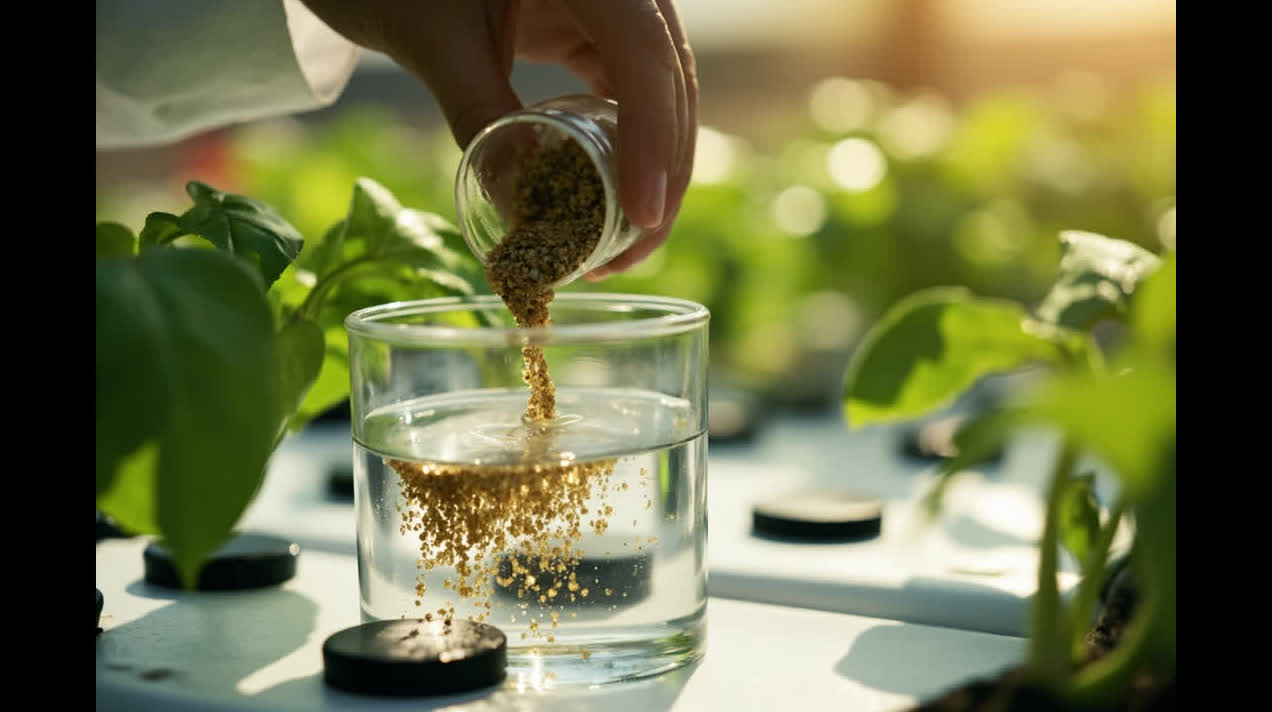
Liquid nutrients for plants are concentrated fertilizing solutions that deliver essential elements in dissolved form, allowing roots to absorb minerals directly without soil-mediated breakdown. In hydroponic systems, liquid nutrients eliminate the trial-and-error of amending soil by providing **NPK ratios** and micronutrient concentrations precisely calibrated for each growth stage. When dissolved in water, these solutions create an ion-rich environment where plant roots encounter nutrients immediately — no microbial action required, no pH-dependent availability delays. The result is faster vegetative growth, higher yields, and greater control over exactly what your plants consume at every stage of development.
One persistent misconception sends gardeners down the wrong path: many assume liquid nutrients are only for hydroponics, when in fact they work equally well for soil-based gardens and container plants. The difference lies in application method rather than plant compatibility — and understanding this opens up a powerful tool for any growing setup.
Why Liquid Nutrients Outperform Dry Fertilizers
Dry fertilizers must dissolve in soil water before roots can access them — a process that depends on moisture levels, microbial activity, and soil pH. Liquid nutrients skip this bottleneck entirely. When you mix a concentrated solution into your reservoir, every element is already dissolved and immediately bioavailable. Roots do not wait for mineral breakdown; they absorb ions the moment they contact root-zone moisture.
This bioavailability advantage works through two mechanisms. First, dissolved ions require no further chemical transformation — potassium, phosphorus, and micronutrients arrive in the exact form cells need. Second, liquid solutions distribute evenly through the growing medium, eliminating nutrient stratification where dry fertilizers tend to concentrate in pockets. Plants in hydroponic reservoirs with properly mixed liquid nutrients typically show visible growth response within 48–72 hours of application.
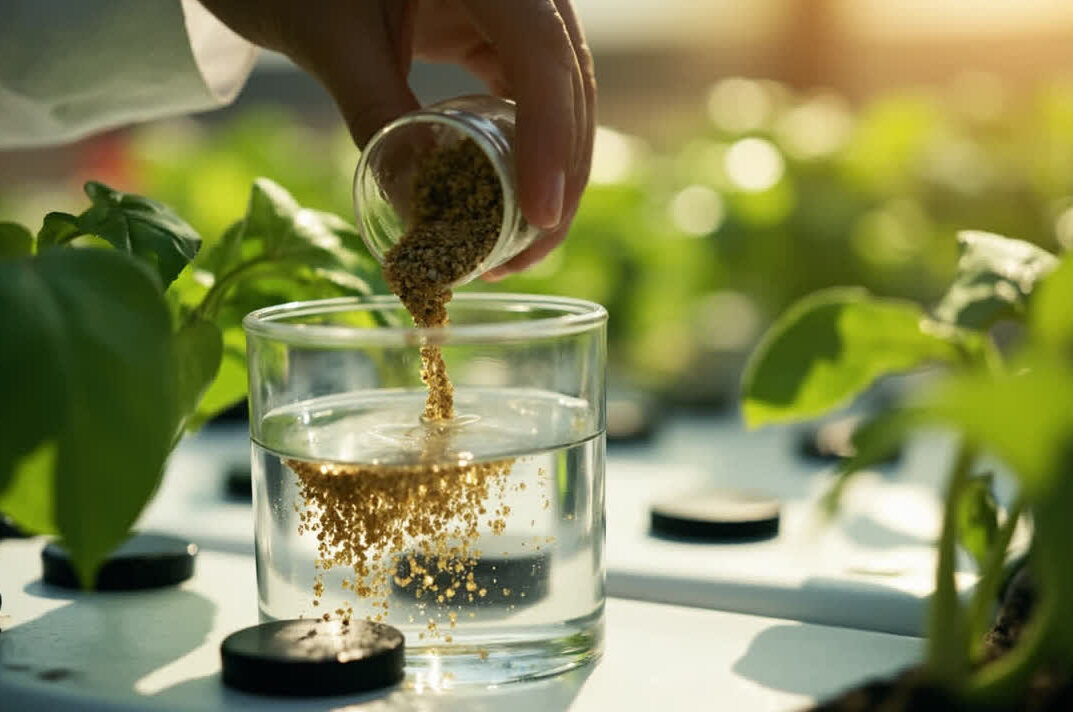
The **dilution ratio** determines final nutrient concentration in your reservoir. Most liquid nutrient products dilute at 1:100 to 1:500 depending on product strength — always add nutrients to water, not water to concentrated nutrients. Adding water to concentrate causes local nutrient lockout where minerals precipitate into unavailable forms before you mix thoroughly.
Types of Liquid Nutrients: Organic, Synthetic, and Specialty Formulations
Liquid nutrients divide into two primary categories with fundamentally different characteristics. Organic liquid nutrients derive from biological sources — seaweed extract, fish emulsion, composted plant matter — and contain organic compounds that feed beneficial soil microorganisms alongside direct mineral nutrition. Synthetic liquid nutrients use mineral salts manufactured to exacting specifications, delivering precise **NPK ratios** with predictable results in closed hydroponic systems where organic matter can encourage unwanted microbial growth.
Within both categories, product architecture varies significantly. Single-component nutrients deliver one major element — pure nitrogen, phosphorus, or potassium — and serve as precision tools for addressing specific deficiencies or fine-tuning ratios during bloom transition. Three-part nutrient systems keep nitrogen, phosphorus, and potassium in separate bottles, allowing you to dial in the exact ratio your plants need at each growth stage: higher nitrogen for vegetative growth, increased phosphorus for flowering, and potassium-heavy formulations for late-stage maturation.
Complete nutrient solutions combine all macronutrients and secondary nutrients in one bottle for convenience — ideal for beginners or quick applications. However, complete formulas sacrifice the ability to adjust individual elements without over-correcting others. Advanced growers controlling high-value crops almost universally prefer three-part systems for this flexibility.
Within synthetic nutrient lines, many premium formulations include **chelated micronutrients** — iron, manganese, zinc, and copper bound to organic molecules that keep these elements soluble across a wider pH range than unchelated forms. In soil, micronutrients rapidly precipitate into unavailable compounds when pH exceeds 7.0. Chelated forms remain accessible across the 5.5–7.0 range most plants prefer, making them especially valuable in hydroponic systems where pH fluctuation is common.
Choosing the Right NPK Ratio for Your Growth Stage
Nitrogen drives leaf and stem growth during the vegetative stage — most gardeners use a ratio with nitrogen dominant, such as **3-1-2** (3% nitrogen, 1% phosphorus, 2% potassium). When plants shift to flowering, phosphorus becomes the limiting factor for bud development, and most growers transition to a **1-3-2** ratio or similar phosphorus-heavy formulation. Potassium supports overall plant health and fruit quality throughout but becomes especially critical during late flowering and ripening.
Switching ratios too early suppresses flowering; switching too late leaves nitrogen dominating when plants need phosphorus for bloom. Watch for the first sign of pre-flowering (small bumps at leaf nodes) as your cue to begin transition — most growers make the shift over 7–10 days by gradually blending the flowering formula into the vegetative formula.
Measuring and Maintaining Proper Nutrient Concentration
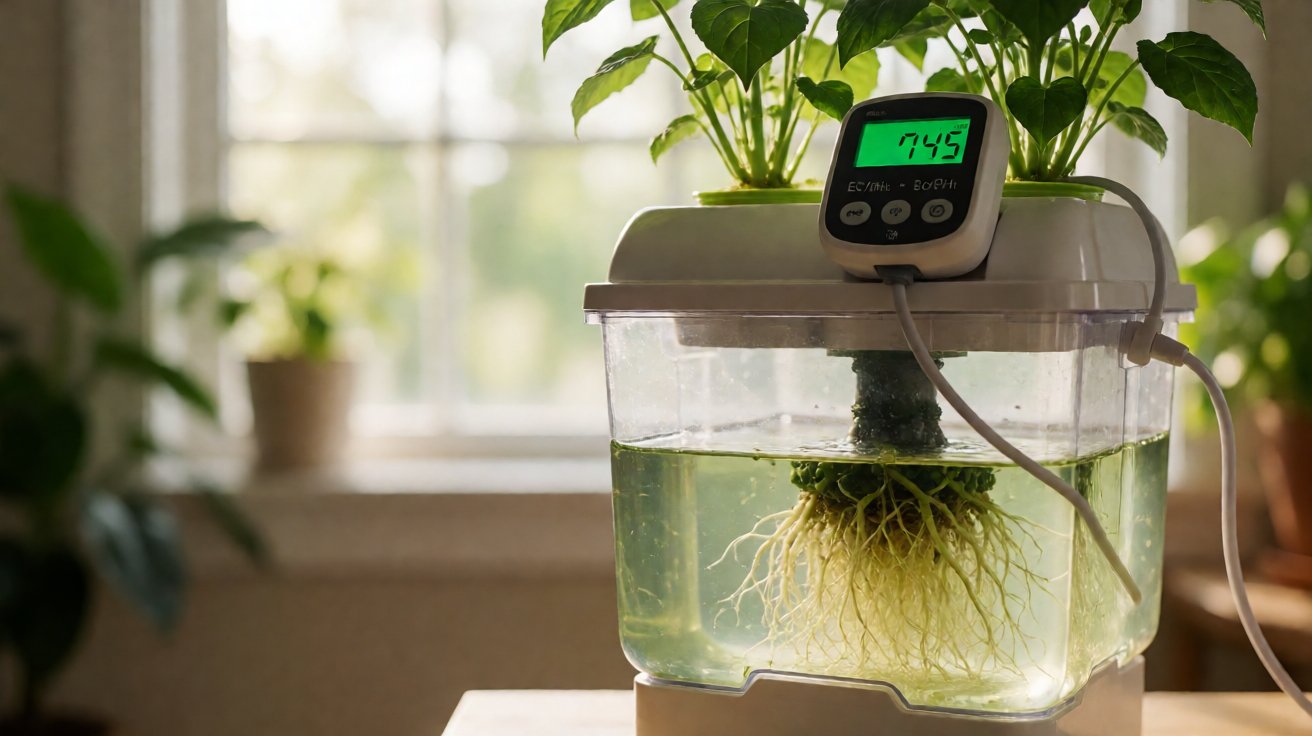
Visual assessment alone cannot keep nutrient levels in the optimal range — plants consume different elements at different rates, and concentration drifts over time. An **EC meter** (electrical conductivity meter) measures the total dissolved salts in your solution, giving you a numerical reading that indicates whether your nutrient solution is too dilute, optimally concentrated, or overly strong.
Most hydroponic crops thrive at an EC range of 1.2–2.5 mS/cm during vegetative growth, rising to 2.0–3.5 mS/cm during flowering depending on plant species and ambient temperature. Temperature affects readings — EC meters should be calibrated at the same temperature as your reservoir. Calibration against a known standard solution takes 30 seconds and prevents readings that are off by 0.3–0.5 mS/cm, which is enough to cause significant underfeeding or salt burn.
A **pH meter** measures hydrogen ion concentration and determines whether nutrients remain available for root absorption. Most plants absorb nutrients optimally between **5.5 and 6.5 pH** — below 5.5, certain elements become overly available and toxic; above 6.5, phosphorus and micronutrients precipitate into unavailable forms. Check pH after every nutrient adjustment and at least every 48 hours even without changes, since pH naturally drifts as plants absorb ions.
Common signs of **nutrient deficiency** vary by element: nitrogen deficiency shows as overall yellowing starting with older leaves; phosphorus deficiency causes purpling along leaf undersides and stunted growth; potassium deficiency manifests as marginal leaf burn and weak stems. Magnesium deficiency appears as interveinal chlorosis (yellowing between leaf veins while veins stay green) — a pattern easily confused with iron deficiency, which causes the same pattern on newer leaves instead.
How Often Should You Change the Nutrient Solution?
Most hydroponic gardeners completely replace the nutrient reservoir every 7–14 days, though this depends on plant size, system volume, and environmental conditions. Larger plants in small reservoirs consume nutrients faster and may strip the solution within 5–7 days. Hot weather increases transpiration and nutrient uptake, accelerating depletion. Monitoring EC and pH daily during peak growth tells you when depletion is outpacing your supplemental adjustments — when you find yourself adding more nutrients than reasonable to maintain target EC, it is time for a full reservoir change.
Even with careful top-ups, nutrient solution chemistry degrades over time. Elements like calcium and phosphorus can form insoluble precipitates, and organic compounds break down into compounds plants cannot use. Fresh solution every two weeks prevents this gradual decline from affecting plant health — it is far easier to maintain stable conditions than to correct accumulated imbalances.
Application Methods for Every Growing Setup
Liquid nutrients adapt to hydroponic systems, soil gardens, and container plants through different application methods optimized for each environment.
In hydroponic systems, nutrients mix directly into the reservoir and deliver to plant roots through the circulating solution — no additional application step required beyond mixing. Deep water culture systems require the closest monitoring because roots sit directly in the nutrient solution, and any imbalance affects plants immediately. Drip systems and nutrient film technique (NFT) offer more buffering through smaller root-zone solution volumes, but nutrient concentration can spike if emitters clog and solution concentrates through evaporation.
For soil-based gardens, apply liquid nutrients as a **soil drench** poured around the plant base rather than sprinkled on leaves. The drench carries nutrients directly to the root zone where they dissolve into soil moisture and spread laterally through the root absorption zone. Avoid applying to bone-dry soil — pre-watering helps distribute nutrients evenly through the growing medium.
**Foliar feeding** sprays diluted nutrient solution onto leaves for rapid absorption of micronutrients that plants need in small quantities. Iron, manganese, and zinc move through leaf surfaces faster than through roots for these elements — foliar application corrects acute deficiencies within 48 hours versus root absorption which may take a week. Mix at 1/4 to 1/2 the reservoir strength to avoid leaf burn, and apply in low-light conditions (early morning or evening) to maximize absorption time before solution dries.
Can you use liquid nutrients in soil? Yes — they work well for container plants and garden beds, though container plants benefit most because soil gardens have existing mineral reserves that may already meet plant needs. In container growing, roots deplete available nutrients faster than garden soil, making liquid supplement application more impactful.
Essential Nutrients Every Plant Needs
Plants require seventeen essential nutrients divided into three groups by quantity needed. The primary macronutrients — nitrogen, phosphorus, and potassium — consumed in largest quantities, drive the visible structure and function of every plant. Nitrogen synthesizes chlorophyll, the green pigment that captures light energy for photosynthesis; without sufficient nitrogen, plants cannot generate the carbohydrates needed for growth. Phosphorus builds ATP (adenosine triphosphate), the energy currency every cell uses for metabolic processes, making it critical for root development and flower formation. Potassium regulates stomatal function and enzyme activation throughout the plant, strengthening disease resistance and water-use efficiency.
Secondary macronutrients — calcium, magnesium, and sulfur — support internal processes that macronutrients enable. Calcium builds cell wall integrity; magnesium sits at the center of the chlorophyll molecule; sulfur forms amino acids and proteins. Though needed in smaller quantities than NPK, deficiencies in any secondary macronutrient cause measurable growth problems.
Micronutrients — iron, manganese, zinc, copper, boron, molybdenum, and chlorine — catalyze specific biochemical reactions despite being required in trace amounts. Iron is central to chlorophyll formation; manganese activates enzymes; zinc controls hormone production; boron regulates cell wall formation. A plant lacking any micronutrient cannot complete its lifecycle regardless of adequate NPK availability.
Mixing, Storage, and Long-Term Management
Proper mixing procedure prevents nutrient lockout and ensures every element reaches your plants in available form. Fill your reservoir with water first, then add liquid nutrients while stirring — this顺序 prevents localized concentration spikes that cause minerals to precipitate into unavailable compounds. Shake all nutrient bottles vigorously before measuring since elements settle and separate over time, especially calcium and phosphorus formulations that can stratify within the bottle.
After mixing, measure pH with your calibrated meter before checking EC. pH affects the chemical form of multiple nutrients — adjusting pH after EC ensures your concentration reading remains accurate. Target 5.8–6.2 for most hydroponic crops; soil gardens tolerate a slightly higher range (6.0–6.8) since soil provides some buffering capacity.
Store liquid nutrients in a cool, dark location sealed in original containers. Light degrades organic compounds in seaweed and fish-based products; heat accelerates chemical reactions that alter formulation stability. Inspect reservoir, pumps, and delivery lines monthly for nutrient salt buildup — white crystalline deposits indicate precipitation that can clog emitters and reduce delivery to plant roots. Flush lines with diluted pH-balanced water to dissolve deposits before they harden.
Concentration that works for one plant species may burn another — start at the lower end of recommended dilution and increase based on plant response over 5–7 days. Young seedlings and freshly transplanted cuttings need half-strength solutions compared to mature plants in active growth. Aggressive feeding from day one causes salt burn that stunts early development and invites pathogen attack through damaged root tissue.
Between reservoir changes, top up with diluted nutrient solution rather than plain water to replace consumed elements. Plain water dilution gradually starves plants of micronutrients that EC meters do not specifically track — keep a log of top-up frequency and solution strength to recognize when full replacement is needed rather than continuous patching.
From PDF to Excel in one click
Forget retyping line by line. Upload any bank statement, get a spreadsheet you can actually use. Your files are never stored, and you can test the converter with 3 free conversions.
Try it free