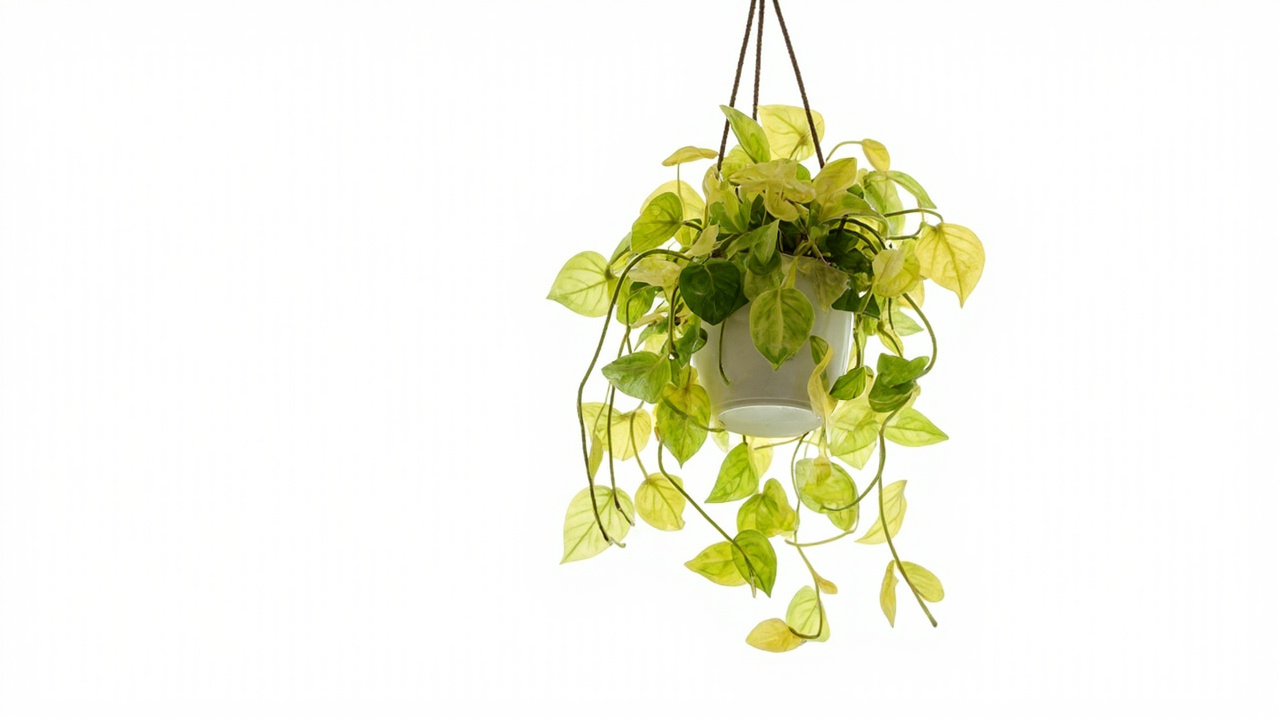
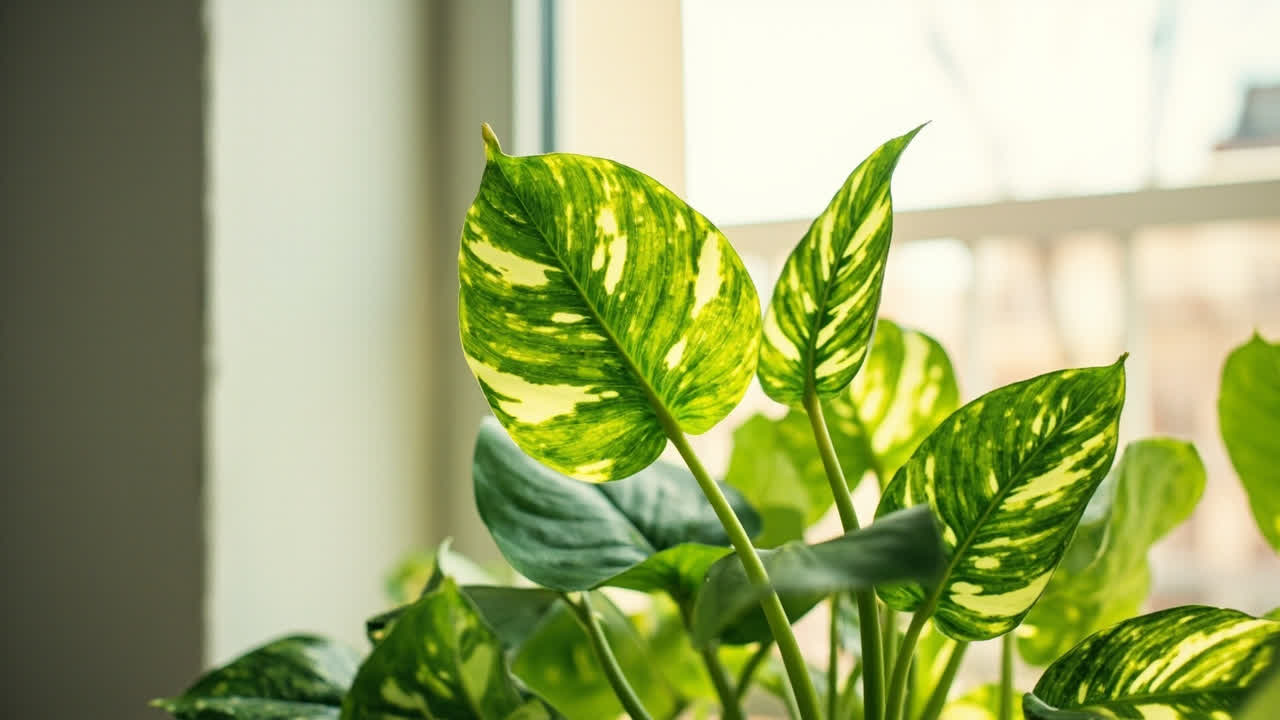
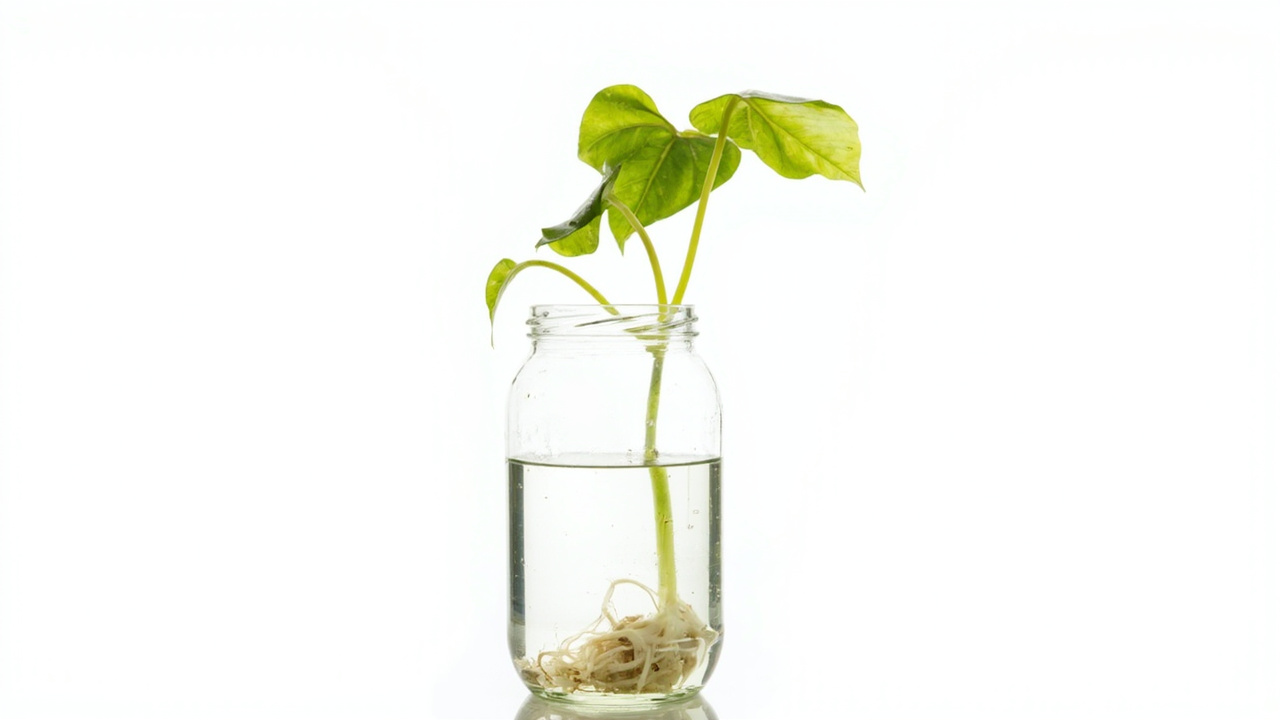
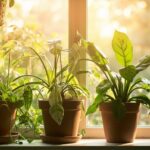
Pothos is tropical — native to the Solomon Islands where humidity stays consistently between 60 and 80 percent most of the year. Your Singapore home may not replicate those conditions exactly, but that does not mean your Pothos will fail. Pothos is one of the more humidity-tolerant houseplants, and it adjusts to a range of conditions as long as the extremes are not too extreme.
What Humidity Actually Does to a Pothos
Humidity matters most at the leaf surface. When the air is dry, a Pothos loses water through its leaves faster than the roots can supply it. This creates a mismatch — the plant is pulling water from its leaves faster than it can replace it from the soil. The first casualty is usually the leaf edges and tips, which is why low humidity shows up as brown tips before anything else.
In rooms with moderate to high humidity (above 50 percent), Pothos retains water more efficiently. The leaves stay full, the edges stay green, and the plant looks visibly more turgid and healthy. The soil also dries more slowly in humid conditions, which means watering frequency needs to adjust accordingly.
Singapore Home Humidity and What It Means for Pothos
Singapore’s average indoor humidity ranges from 50 to 75 percent depending on the room, time of year, and whether the AC is running. Living areas with AC typically sit in the 50 to 65 percent range — dry enough to cause brown tips on sensitive plants but not extreme. Kitchens and bathrooms tend to be more humid, sometimes reaching 70 to 80 percent, which is closer to what Pothos naturally prefers.
During the dry season (January to March), indoor humidity drops as AC use increases. This is when brown tips on Pothos are most common — not because the watering or light has changed, but because the air is drier and the plant is losing water faster through its leaves.
Signs Your Pothos Needs More Humidity
Brown tips, especially on new growth. If the newest leaves are coming in with brown edges or tips, the plant is losing water faster than it can replace it. This is the most common humidity-related symptom.
Crispy leaf edges at the same time as healthy new growth. The plant is growing, which means it is not severely stressed — but the leaf edges indicate the air is too dry for the older leaves. The new growth is fine because it is adapting, but the established leaves are suffering.
Leaves that look slightly curled or rolled at the margins. This is less obvious than brown tips but is a common early sign of low humidity. Combined with brown tips, it points clearly to a humidity issue rather than a watering issue.
How to Raise Humidity for Pothos
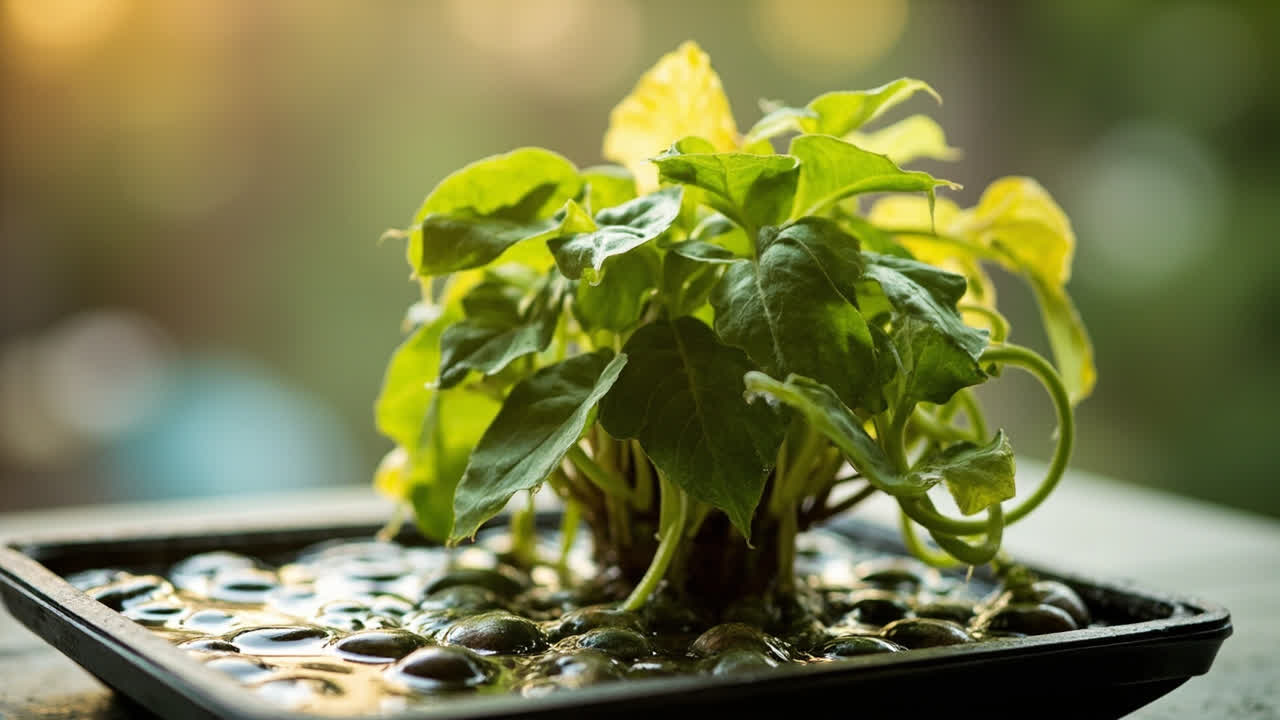
The most effective and practical methods, in order of ease:
Pebble tray. Place the pot on a shallow tray filled with pebbles and water — the water evaporates from the tray surface and raises the humidity immediately around the plant. Keep the water level below the bottom of the pot so the roots are not sitting in water. Refill the tray every few days. This is the easiest method and works well for a single plant or a small group.
Grouping with other plants. Plants release moisture through transpiration, and a cluster of plants creates a microclimate that is more humid than the surrounding room. Grouping your Pothos with other houseplants benefits all of them. Even two to three plants together makes a measurable difference.
Moving to a more humid room. The bathroom and kitchen are typically the most humid rooms in a Singapore home. A Pothos that is struggling in a constantly air-conditioned living room may do noticeably better in a bathroom with a window. The trade-off is lower light, so evaluate whether the humidity gain outweighs the light reduction.
Humidifier. For serious hobbyists with multiple tropical plants, a small ultrasonic humidifier in the room raises humidity consistently and is the most reliable long-term solution. Set it to maintain 50 to 65 percent — no need to push it higher.
What to Avoid
Do not mist Pothos leaves. Mist on leaves evaporates within minutes in an air-conditioned room, provides no lasting humidity benefit, and can promote fungal growth on leaf surfaces if the leaves stay wet for extended periods. Pebble trays and grouping are more effective and require no daily effort.
For the full Pothos care guide, see Pothos Plant Care. For brown tips specifically, see Pothos Brown Tips guide.
From Bank Statement to QuickBooks-Ready File
That manual cleanup you just read about? This tool skips it. Turn your PDF into QBO for QuickBooks without storing your data anywhere.
Start Converting