
Choosing the best worms for composting is less about finding a “magic” species and more about matching the worm to your bin conditions worm castings house plants. Use the wrong kind and you will see classic signs like worms trying to escape, a sour smell, slow breakdown of scraps, and even sudden die-offs after a heat or cold swing.
The good news is that composting worms are easy to get right once you know what each species is built for. Below is a clear comparison of the top options (red wigglers, European nightcrawlers, and African nightcrawlers), plus a simple decision guide so you can pick the best worms for your compost bin on the first try.
Wrong worm species: why bins crash, stink, or get escape artists
Most “worm bin problems” are really a mismatch between worm biology and bin conditions. Composting worms are surface-dwelling litter decomposers. If you accidentally use soil-dwelling earthworms, or you use a warm-climate species in a cool basement, the worms respond the only way they can, they leave, shut down feeding, or die.
Common mismatch symptoms include:
- Escapes and wall-climbing: the environment feels unsafe (too wet, too acidic, too hot, too little oxygen), or the species wants to burrow deeper than your bin allows.
- Slow processing: the worms cannot keep up with the feeding rate, or temperatures are outside their comfort band.
- Smell (ammonia, sour, rotten): overfeeding, compaction, or poor aeration. The “wrong” worm species makes it worse because it cannot tolerate the conditions long enough to stabilize the system.
- Die-offs after weather changes: species with narrower temperature tolerance crash first.
If you are new to setup fundamentals, start with this step-by-step vermicomposting guide before you buy more worms.
Why species matters: temperature band, feeding rate, bedding depth, reproduction speed
All compost worms eat decomposing organic matter and the microbes on it, but species differ in key performance traits that determine success in a home bin:
- Temperature band: each species has a comfort zone where it feeds and reproduces steadily, plus a narrower survival range where it may live but not thrive.
- Feeding and processing speed: faster feeders handle higher kitchen-scrap input without turning the bin anaerobic.
- Bedding depth preference: some worms prefer the top few inches of moist bedding, others want to burrow deeper, which affects bin depth and moisture management.
- Reproduction speed: faster reproduction makes a bin more forgiving because the population adapts to your feeding pattern.
When those traits match your bin, you get a steady flow of castings. If your goal is castings quality and garden results, it helps to understand the benefits of worm castings so you can aim for consistency rather than maximum speed.
Red wigglers (Eisenia fetida / Eisenia andrei): the most reliable composting worm
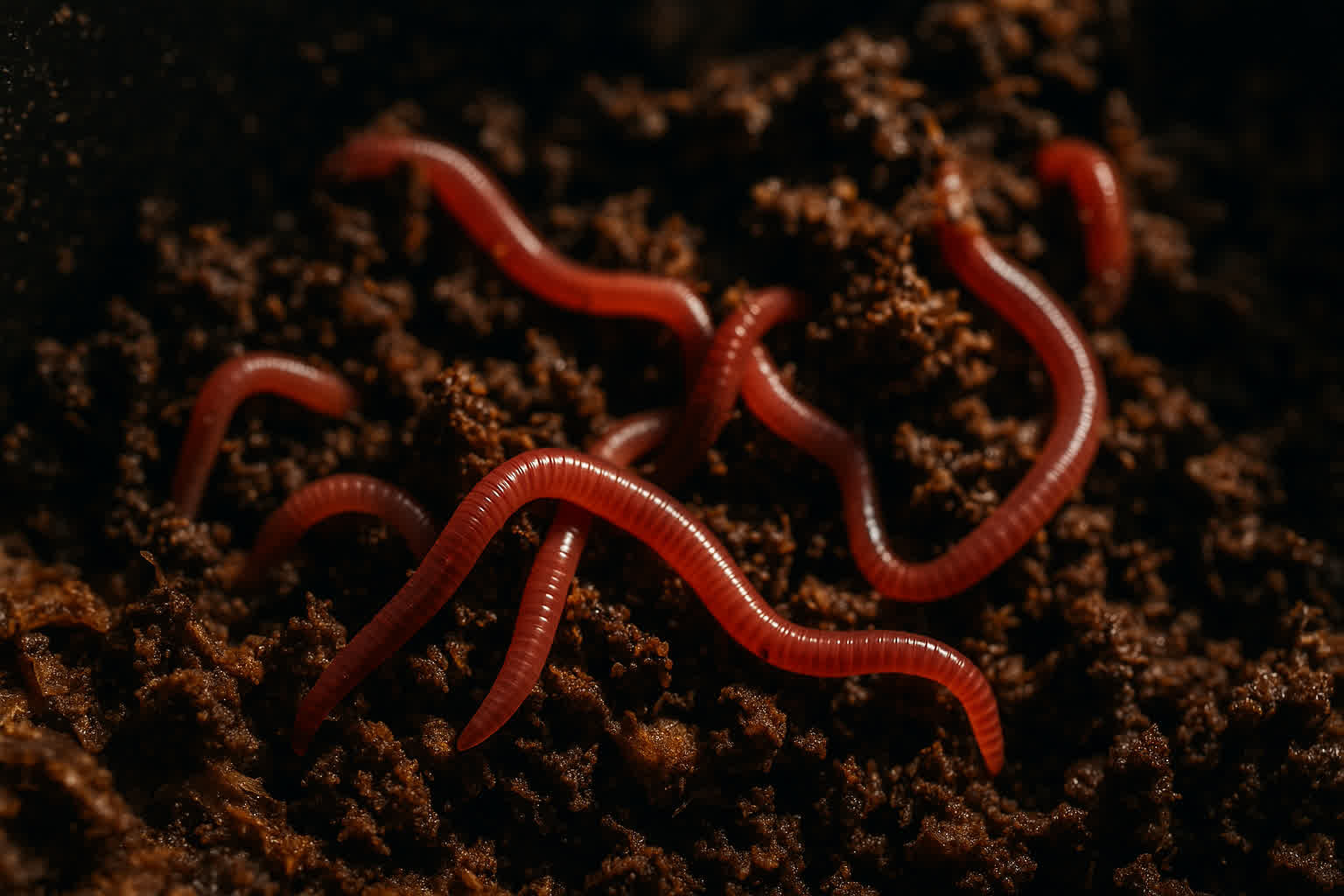
If you want the safest answer to “best worms for composting,” choose red wigglers (often sold as Eisenia fetida, and sometimes Eisenia andrei). They are true compost worms that naturally live in decaying organic layers, not deep mineral soil.
Why red wigglers work so well in home bins:
- Very forgiving of beginner mistakes (as long as you avoid extreme heat, flooding, and overfeeding).
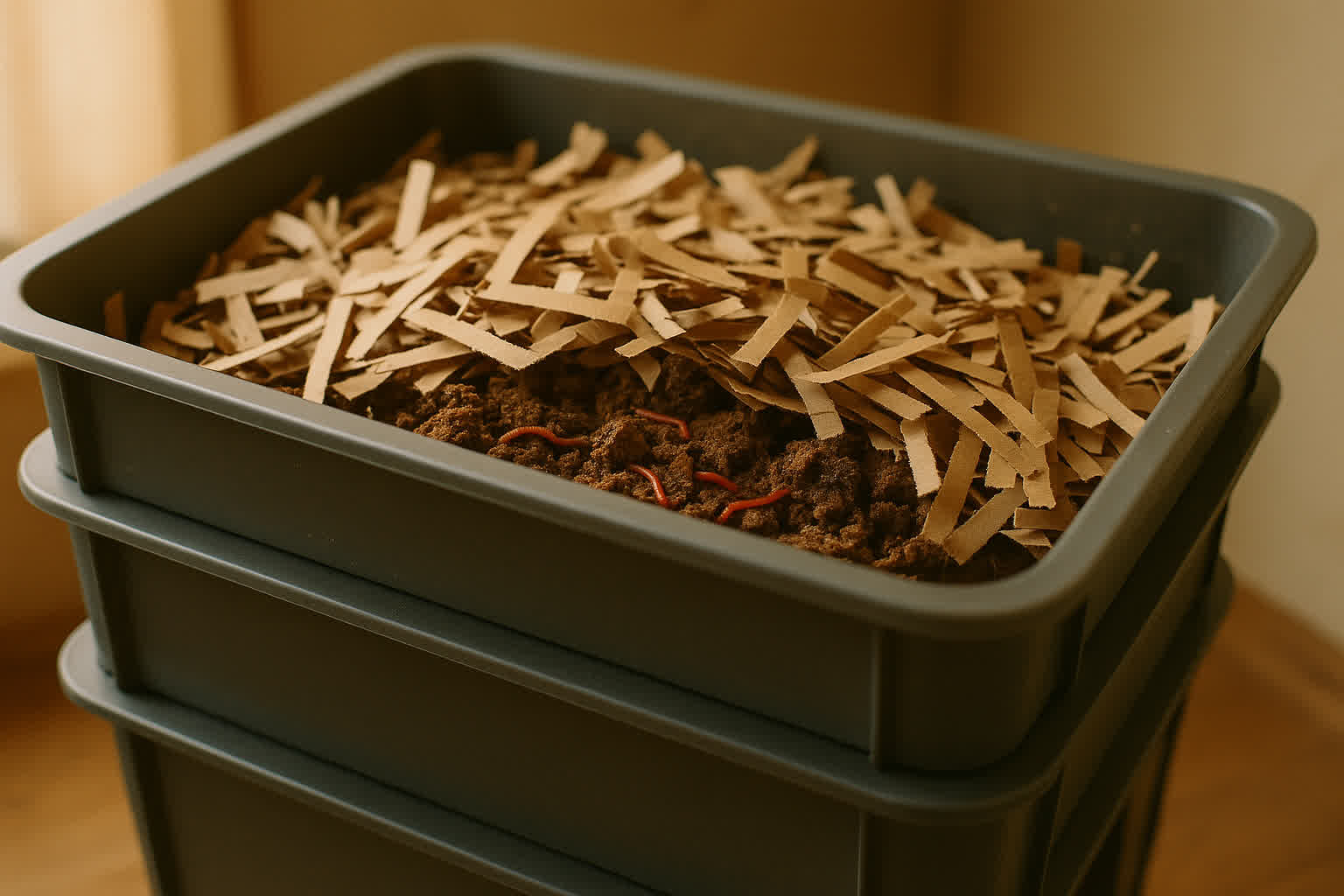
- Strong surface feeding behavior, ideal for shallow tote bins, stacking trays, or indoor systems.
- Fast reproduction compared to larger nightcrawlers, which helps the bin stabilize.
- Consistent casting production in typical indoor temperatures.
Best use cases:
- Indoor bins (kitchen, laundry room, apartment)
- Beginner worm composting
- Shallow bins and tray systems
- High scrap volume relative to bin size (once the bin is established)
If you are choosing only one species for a standard compost bin, red wigglers are usually the best match.
European nightcrawlers vs African nightcrawlers: bigger worms, different temperature tolerance
Nightcrawlers are popular because they are larger than red wigglers, and they can produce excellent castings. But they differ from each other in ways that matter a lot for bin success.
European nightcrawlers (Eisenia hortensis / Dendrobaena veneta)
European nightcrawlers (often abbreviated ENC) are a strong middle ground between red wigglers and warm-climate species. They are bigger than red wigglers and tend to burrow a bit more, but they can still do well in typical composting setups.
- Pros: larger size, good casting output, generally tolerant of cooler conditions than African nightcrawlers.
- Cons: slower reproduction than red wigglers, sometimes less “surface-focused,” so they benefit from deeper bedding and stable moisture.
ENC are a good choice when you want a bigger worm and your temperatures are moderate to cool for part of the year.
African nightcrawlers (Eudrilus eugeniae)
African nightcrawlers (ANC) are warm-climate compost worms. In consistently warm conditions, they can process material quickly and grow large. In cooler conditions, they often slow down sharply, attempt to migrate, or crash.
- Pros: fast growth, large size, strong processing in warm bins, excellent when conditions are stable and warm.
- Cons: poor cold tolerance, higher risk of die-off if your bin drops into cool indoor temperatures or experiences seasonal cold.
ANC are best when you can keep your bin reliably warm (or you live in a hot climate and the bin never chills).
Semantic triples: worm species, habitat preference, and how that dictates bin design
To pick the best worms for composting, think in simple “if this, then that” relationships:
- Red wigglers → surface litter dwellers → shallow, breathable bin with fluffy bedding
- European nightcrawlers → semi-burrowing compost worms → slightly deeper bedding and steadier moisture
- African nightcrawlers → warm-climate compost worms → temperature stability becomes the main design constraint
These relationships are why copying someone else’s bin setup can fail. A tote that works perfectly for red wigglers in a cool apartment might be a disaster for African nightcrawlers if nights get chilly.
Scenario modeling: match the worm to your location, bin placement, and goals
Use these scenarios to choose quickly:
Indoor apartment or small indoor bin
Choose red wigglers. They handle shallow bins, variable feeding schedules, and typical room temperatures best. ENC can work too, but they are less forgiving if the bin gets too wet or compacted.
Hot climate (bin stays warm most of the year)
Choose red wigglers for maximum reliability, or consider African nightcrawlers if your bin truly stays warm day and night. If your temperatures swing (hot days, cool nights), red wigglers usually outperform ANC over the long run.
Outdoor seasonal bin (cool winters or big swings)
Choose red wigglers or European nightcrawlers. Avoid African nightcrawlers unless you can protect the bin from cooling. If your winters are cold enough to freeze bedding, bring the bin indoors or insulate it heavily, regardless of species.
Dual-use: bait worm plus composting
Choose European nightcrawlers if you want a larger bait worm that can still compost well. Red wigglers compost excellently but are smaller. African nightcrawlers can be large, but they are a risky bait-plus-compost option if temperatures are not consistently warm.
Trade-offs: red wigglers vs European nightcrawlers vs African nightcrawlers
There is no perfect worm, only a best match for your constraints. The trade-offs are straightforward:
- Red wigglers: most forgiving, fastest to establish, best for indoor bins, typically the safest recommendation.
- European nightcrawlers: bigger worms, good castings, better for dual-use, but usually slower reproduction and may prefer a bit more depth and stability.
- African nightcrawlers: excellent in warm, stable conditions, but fragile when cool, so they are not ideal for most beginners or seasonal climates.
If your current bin smells or runs wet, switching species rarely fixes the root cause. Correct the airflow, bedding, and feeding rhythm first, then reassess.
Decision guidance: quick recommendation matrix and starter quantity
Use this simple matrix to decide:
- If you are a beginner, indoors, or unsure: choose red wigglers.
- If you want a larger worm and moderate temperatures: choose European nightcrawlers.
- If you can keep the bin consistently warm (hot climate, warm room, or controlled setup): consider African nightcrawlers.
Starter quantity guidance (practical, not perfect):
- Small bin (typical indoor tote): start with 250 to 500 g of worms, then increase feeding only after you see steady processing.
- Medium bin: start with about 500 g to 1 kg.
- Do not overfeed new bins: the bedding needs time to build a healthy microbial layer that worms actually eat.
Once you are harvesting castings, you can use them in several ways. If you also want a liquid feed, follow this worm casting tea recipe and keep it simple so you do not overdo it.
Best worms for composting: the verdict for most home worm bins
For most people and most home setups, the best worms for composting are red wigglers (Eisenia fetida / Eisenia andrei) because they match typical bin design, indoor temperatures, and beginner learning curves.
If you want a bigger worm and your conditions are stable, European nightcrawlers are a strong second choice. Choose African nightcrawlers only when you can keep the system reliably warm, otherwise the temperature risk outweighs the benefits.
Turn That PDF Into a Spreadsheet in Minutes
You've seen how to do it manually — now let the tool handle the heavy lifting. Upload your bank statement and get Excel, CSV, or QBO in a few clicks.
Try It Free