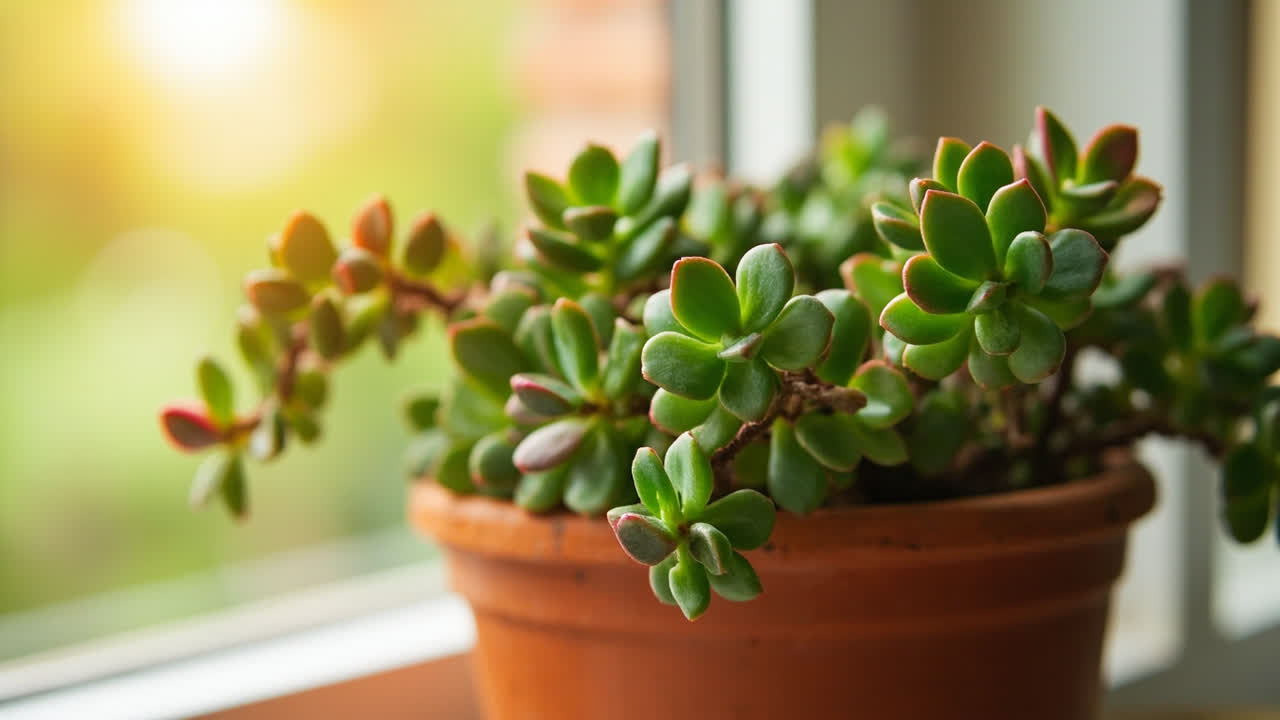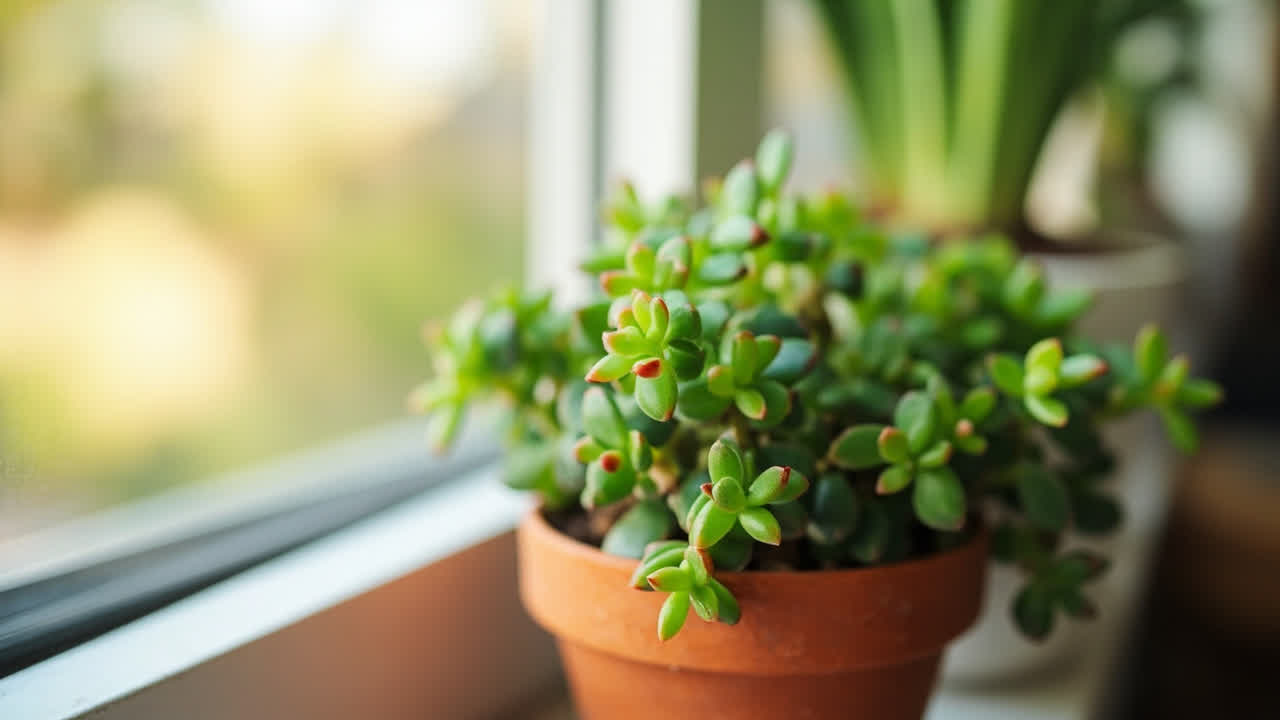

You’ve been watering your jade plant on what felt like a reasonable schedule. But lately the leaves look wrong — soft, a little yellow, not as firm as they used to be. And when you pick up the pot, it’s heavier than it should be. You might be looking at root rot.
Root rot is the leading cause of jade plant death, and the frustrating part is that it develops slowly enough that by the time most people notice, the damage is already significant. The good news: caught early, a jade plant can recover from root rot. The key is knowing what to look for, acting fast, and understanding why it happened in the first place.
What Root Rot Actually Is
Root rot is not a single disease — it’s a condition caused by soil that stays wet long enough for anaerobic bacteria and fungi to colonize the roots. These organisms thrive in oxygen-depleted, waterlogged soil and progressively break down root tissue. As roots die, they stop absorbing water and nutrients, and the decline works its way up the plant.
The critical thing to understand: overwatering doesn’t cause root rot by itself. It creates the conditions for it. A jade plant that sits in wet soil for days after watering is at risk. So is one in a pot without drainage holes, or in soil that retains too much moisture. The water is the enabler. The actual cause is the prolonged oxygen deprivation in the root zone.
The Difference Between Overwatering and Root Rot
These are related but distinct. Overwatering is a care mistake — you’re watering too frequently. Root rot is the disease that follows overwatering when conditions persist. A jade can be overwatered once or twice without developing root rot if the soil dries out between waterings. It cannot survive weeks of consistently wet soil without it.
You can recognize overwatering before it becomes root rot: the soil stays wet for more than a week after watering, the leaves look slightly swollen or overly plump, and the plant isn’t producing new growth. At this stage, adjusting your watering schedule fixes it. Root rot is when the roots themselves are already damaged.
How to Identify Root Rot in a Jade Plant
Early Warning Signs
The earliest signs appear in the soil and roots before the foliage shows anything obvious. A heavy pot that stays wet for more than 10 days after watering is the first signal. Faint musty or sour smell from the soil is another. If you catch it here, you can often resolve the problem simply by letting the soil dry out completely and adjusting watering habits.
Foliage signs come next: leaves that look slightly duller than normal, a subtle softness that isn’t from physical damage, and yellowing that starts on the lower leaves first. The yellowing is the plant withdrawing nutrients from older leaves as damaged roots can no longer supply them.
Advanced Root Rot Signs
When root rot has progressed significantly, the signs are unmistakable. Multiple leaves turning yellow at the same time, not just a few bottom leaves. Leaves that feel genuinely mushy, not just less firm. Soft, dark-colored stems — particularly at the base where the roots meet the soil. In severe cases, the entire stem can become hollow and the plant will topple at the soil line.
If you pull the plant gently and it comes away from the soil easily, the roots have already rotted through. A healthy jade plant has a surprisingly robust root system that holds the soil firmly.
How to Check the Roots Directly
Don’t guess. Check the roots directly. Gently tip the plant out of its pot — do this when the soil is dry, which makes it easier. Healthy jade roots are firm, off-white or tan, and somewhat fibrous. Rotting roots are dark brown to black, mushy, and may smell of decay. They collapse when you touch them.
If only the outermost fine roots are damaged — the small feeding roots — the plant has a good chance of recovery. If the core structural roots are rotted through, recovery is much harder but still possible if you act quickly.
How to Treat Root Rot in a Jade Plant
Step 1: Remove the Plant and Inspect
Take the jade out of its pot. Brush away as much of the old soil as possible — this soil harbors the anaerobic bacteria that caused the problem. Shake or gently rinse the root ball until the roots are visible.
With clean scissors or sharp pruning shears, cut away all soft, dark, or mushy roots. You want firm, light-colored roots only. Don’t be tentative here — remove everything that looks even slightly questionable. The remaining healthy roots are what the plant will regrow from.
Step 2: Let the Roots Air Dry
After removing the damaged roots, set the plant aside on a dry surface — a paper towel, a clean shelf, anything that won’t absorb moisture. Let the roots air dry for 24-48 hours. This is critical. The cut root ends need to callous over before you replant, or they’ll be vulnerable to reinfection.
You’ll know it’s ready when the cut root ends look slightly hardened and not moist. A fan in the room helps, but no direct heat — you don’t want to dehydrate the plant.
Step 3: Repot in Fresh, Fast-Draining Soil
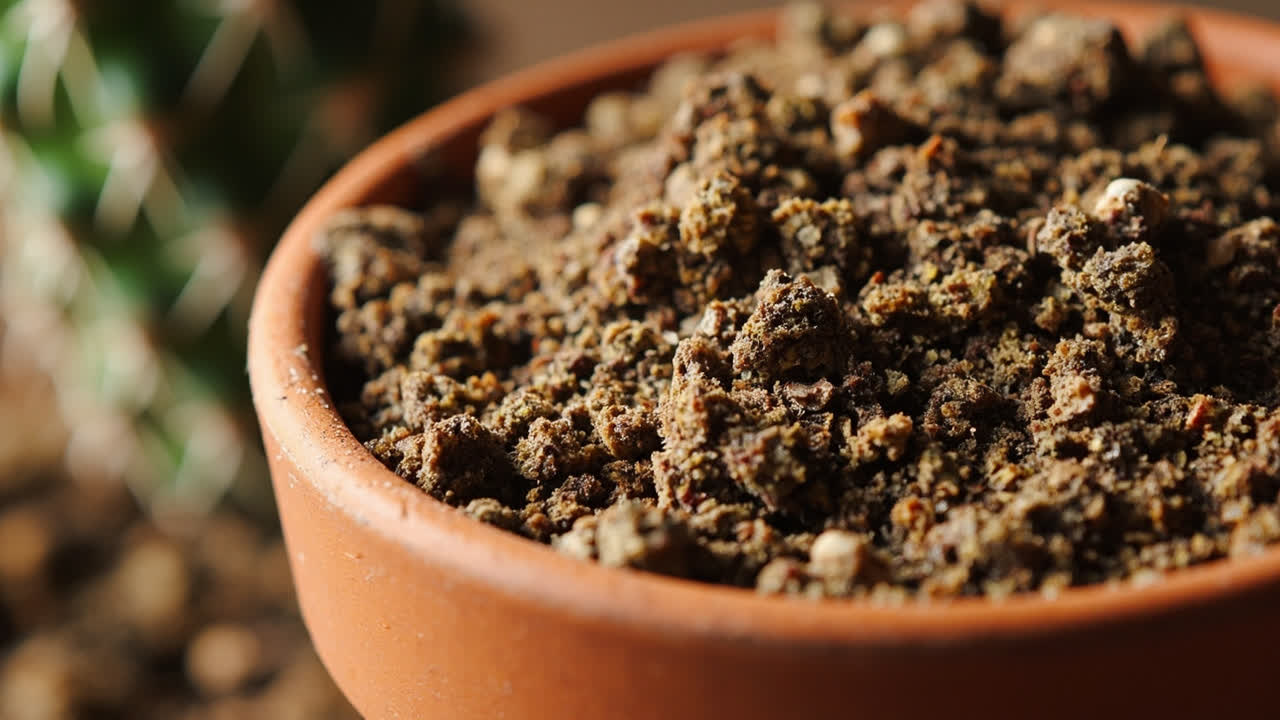
Use a completely fresh soil mix — never reuse the old soil, which harbors the problem organisms. For jade plants, a mix of roughly 50% potting soil and 50% coarse sand or perlite works well. The goal is a mix that drains within 24 hours of watering, not one that stays damp for days.
Choose a clean pot with drainage holes — terracotta is ideal because it wicks moisture from the soil surface. The pot should be only slightly larger than the remaining root system. A pot too large holds excess soil that stays wet too long.
Fill the bottom of the pot with fresh soil, set the jade plant in, and fill around the sides. Don’t compact the soil aggressively — just settle it enough to support the plant. Water lightly once, just to dampen the soil, then do not water again until the soil is completely dry.
Step 4: Post-Treatment Care
Place the repotted jade in bright indirect light — not direct sun while it’s recovering. Direct sun adds stress. After 2-3 weeks, you should see new root growth and possibly new leaf buds. Once you see active new growth, you can gradually return to normal care.
Do not fertilize until at least a month after repotting — the roots need time to re-establish before they can handle nutrients. Resume at half the normal strength.
Preventing Root Rot From Recurring
The number one cause of root rot in jade plants is consistently overwatering combined with soil that doesn’t drain fast enough. The fix is straightforward: water only when the soil is completely dry, and use a fast-draining succulent mix every time.
Check the pot before watering — don’t follow a calendar schedule. Pick up the pot. If it feels noticeably lighter than usual, the soil is dry. If it still feels heavy, wait another few days. In summer, a jade plant in a terra cotta pot might need water every 7-10 days. In winter during dormancy, it might go 3-4 weeks between waterings.
The saucer under the pot is also part of the problem. After watering, empty the saucer within 30 minutes. A jade plant sitting in standing water is essentially in wet soil — the drainage hole does nothing if the water can’t escape.
The Soil Mix Matters More Than You Think
Standard potting soil retains too much moisture for jade plants. If you’re using a standard indoor plant mix, add at least 50% perlite or coarse sand to improve drainage. Succulent-specific mixes are available and are worth using — they’re formulated for exactly the drainage characteristics jade plants need.
The tradeoff: a fast-draining soil mix dries out more quickly in hot, dry conditions. In summer, this means you may need to water slightly more often. The trade-off is worth it — the plant stays healthier and root rot risk drops dramatically.
Turn PDF Bank Statements Into Workable Spreadsheets
Your bank statement is a mess of numbers, but your books shouldn't be. Use our converter to get Excel, CSV, or QBO files — ready for QuickBooks.
Try It Free Now