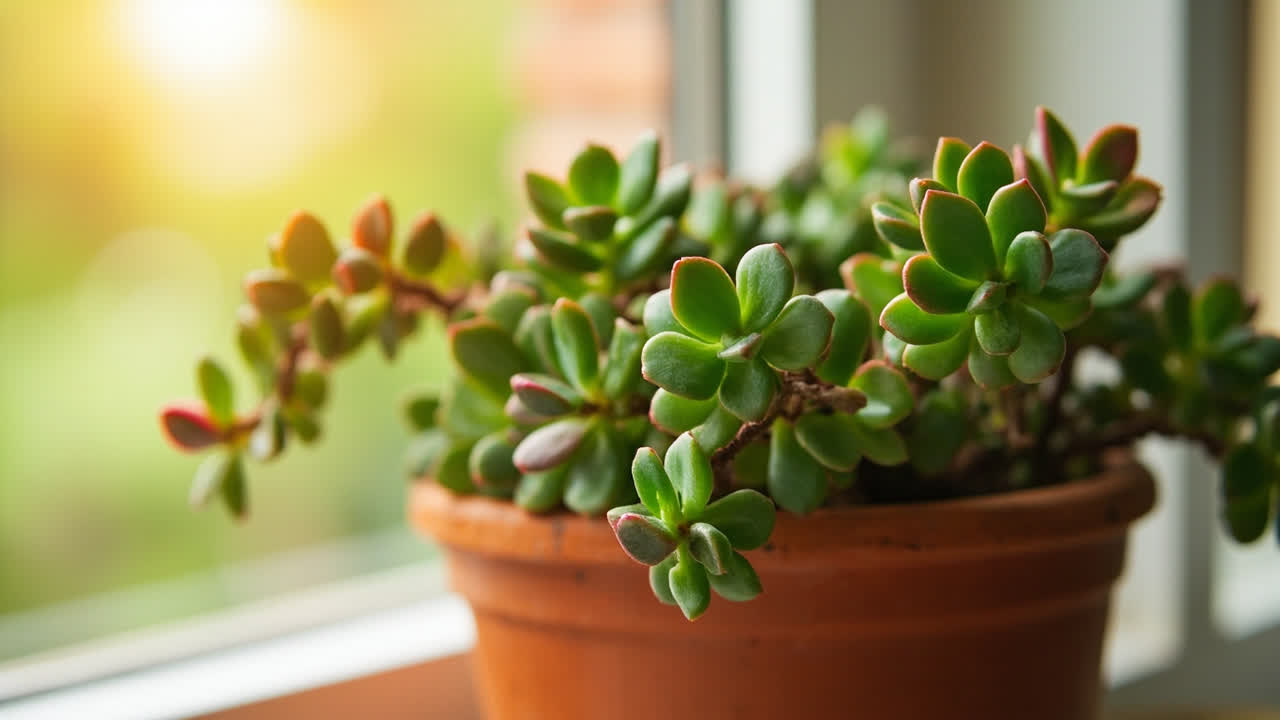

You’ve probably read that jade plants like humidity. Or maybe you read they don’t. And you’ve probably seen advice about misting succulents, pebble trays, and humidifiers. Here’s the honest answer: jade plants are succulents from a dry coastal region, and they genuinely do not care much about humidity at all.
This is good news for you, because it means you don’t have to think about it.
What the Research Actually Says
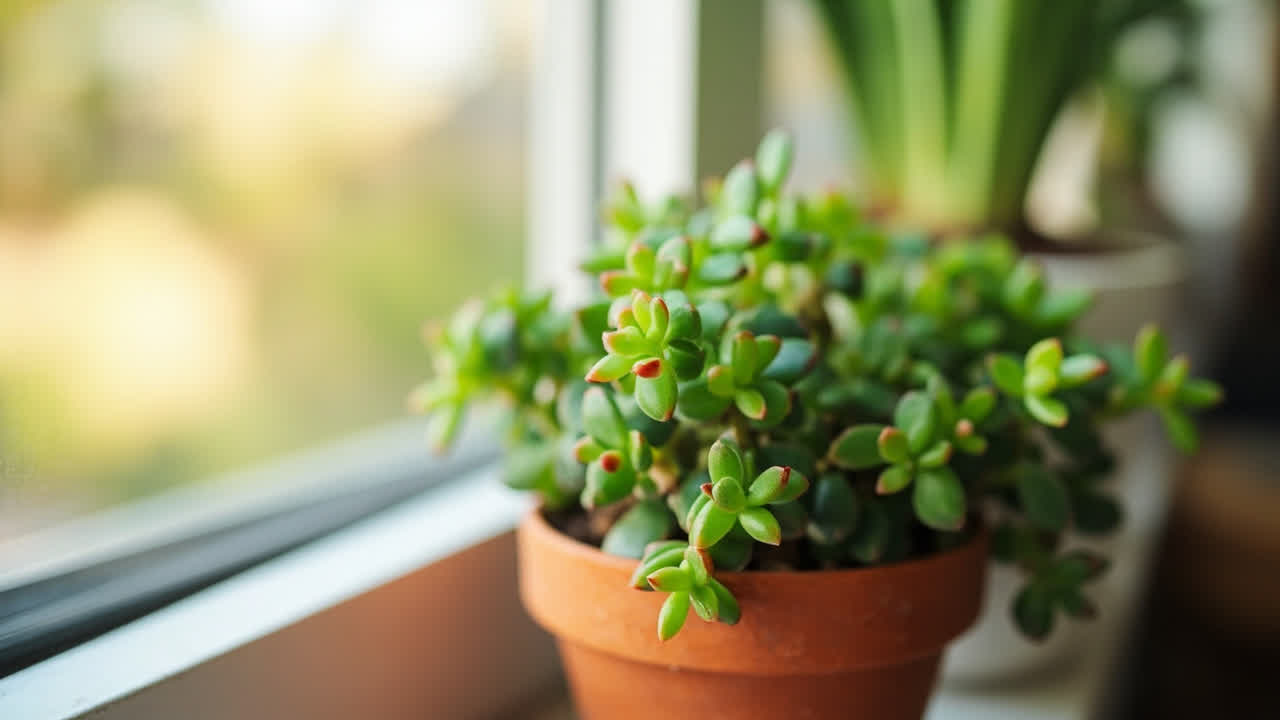
Jade plants (Crassula ovata) are native to the rocky coastal regions of South Africa, where humidity is moderate but rainfall is low. The plants have thick, waxy leaves that minimize water loss through transpiration — this is their primary adaptation to drier conditions. They don’t rely on ambient humidity the way tropical plants like ferns, calatheas, or peace lilies do.
A humidity reading of 30-40% — typical for most heated indoor spaces in winter — is completely fine for a jade plant. It doesn’t need a humid environment to survive or thrive.
Why Most Humidity Advice for Jade Plants Is Overcomplicated
The confusing advice comes from two directions. Some sources lump all houseplants together and apply tropical plant humidity rules to succulents. Others oversell the “jade plants are desert plants so they need dry air” angle without context. The practical answer is simpler than either extreme suggests: average indoor humidity is fine.
There is one exception: very high humidity environments (bathrooms, enclosed greenhouses above 60-70% relative humidity) can cause issues. The problem isn’t the humidity itself — it’s what comes with it: less air circulation, more retained moisture on leaf surfaces, and soil that dries more slowly. These factors combined can increase fungal and bacterial risk.
When Humidity Actually Matters for Jade Plants
Winter Heating Season
Most homes drop to 20-30% relative humidity during winter heating. This is on the dry side, but jade plants handle it without issue. Their leaves are designed to conserve water. You might notice slightly slower growth in winter, but that’s primarily due to reduced light and cooler temperatures — not the humidity.
What you might see: leaf edges crisping or browning in very dry air, particularly if the plant is near a heating vent. This is a humidity-related symptom, but the fix isn’t adding humidity — it’s moving the plant away from the direct dry air flow.
High-Humidity Rooms
Bathrooms are the most common high-humidity spot in most homes. A bathroom with a window can be a good jade plant location in terms of light — but without adequate ventilation, the consistently high humidity can keep the soil damp too long after watering. This is more of a concern than the humidity itself.
If your bathroom has a ventilation fan, use it after showers to reduce humidity faster. If it doesn’t, monitor soil drying time and adjust your watering frequency accordingly.
What Jade Plants Actually Need Instead of Humidity Control
Focus your attention on factors that actually drive jade plant health:
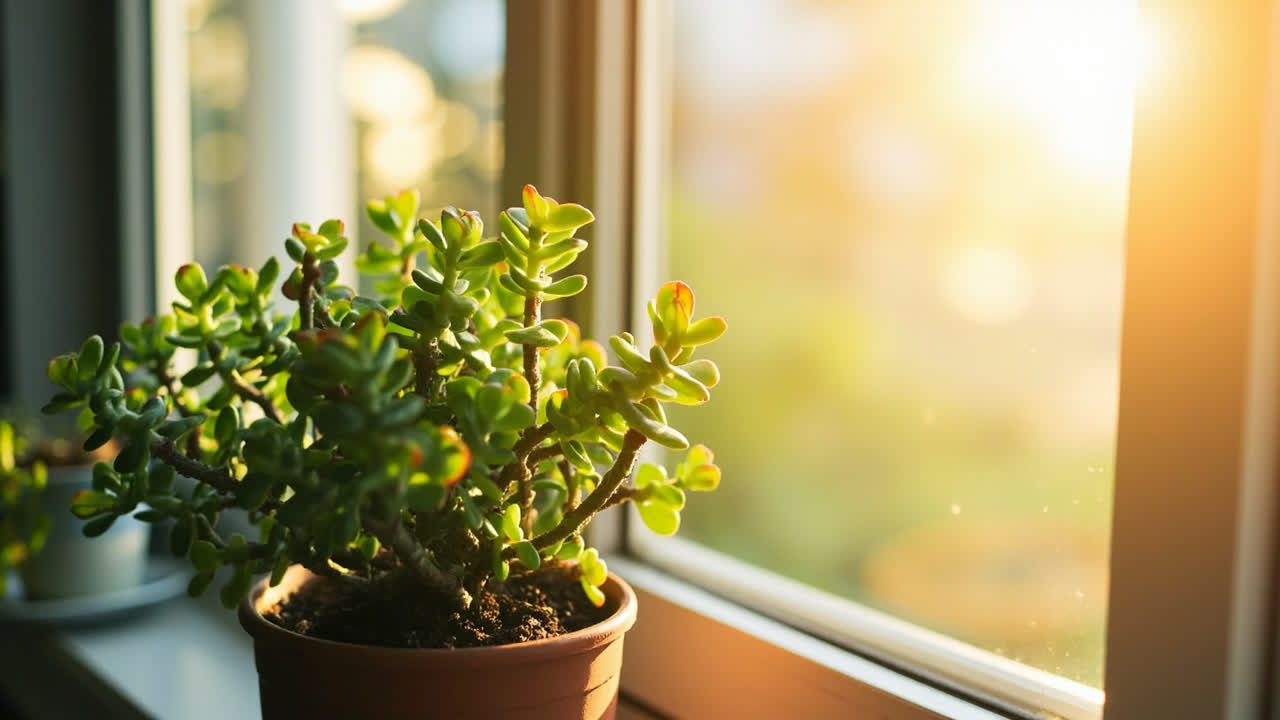
Light is the primary driver of growth and appearance. A jade plant in bright indirect light for 4-6 hours daily will outperform one in low light every time, regardless of humidity levels — which is why the jade plant light requirements guide goes deeper than most sources bother to.
Watering appropriately is far more important than humidity. A jade plant in average humidity but with proper watering will thrive. A jade plant in perfect humidity but overwatered will develop root rot.
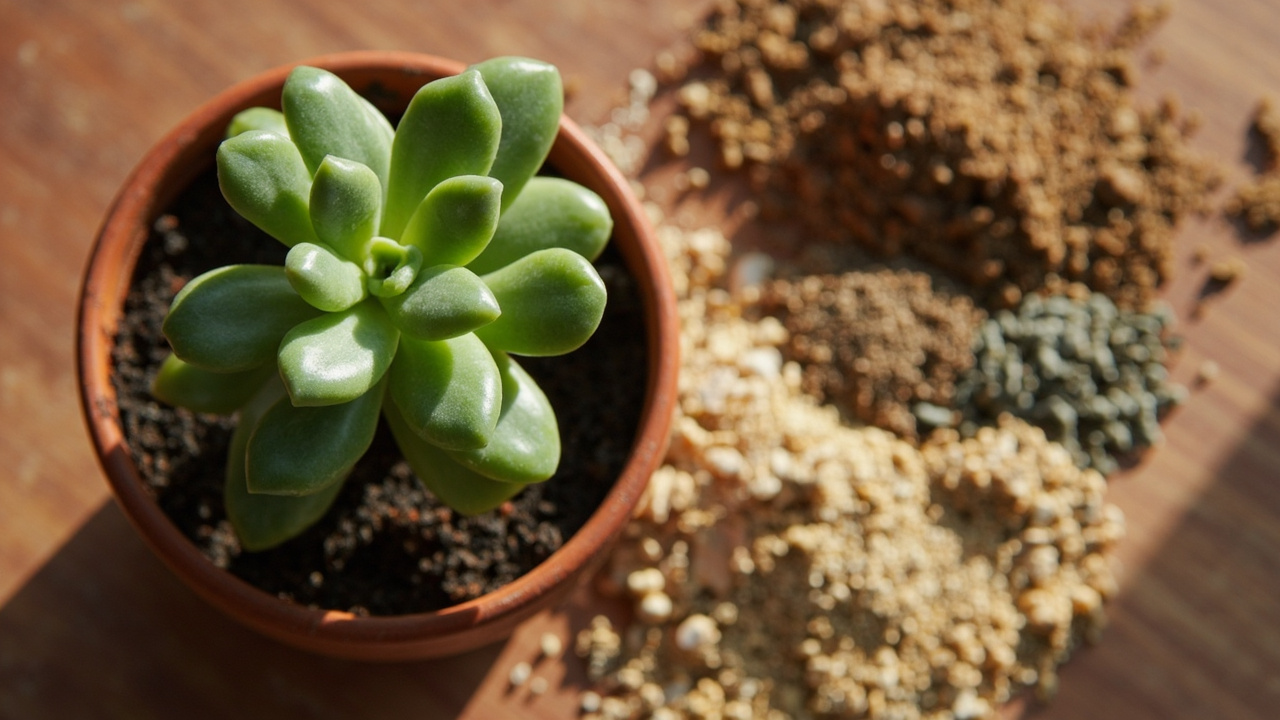
Soil drainage is the third piece. Fast-draining succulent soil is not negotiable. It matters more than any humidity intervention you could make.
The Misting Question
Don’t mist jade plants. It provides no benefit and can actually cause problems. Water sitting in the leaf crevices of a jade plant can lead to fungal spotting or bacterial infection, particularly in lower-light conditions where the leaf surface stays damp longer. Wipe down leaves with a damp cloth if they collect dust — but don’t mist the plant.
Pebble Trays: Skip Them
Pebble trays with water are sometimes recommended to raise humidity for tropical plants. For jade plants, they’re unnecessary. If the tray keeps the bottom of the pot above the water line, the evaporation doesn’t meaningfully affect the humidity around the plant. If the pot sits directly in water, it increases overwatering risk. Either way, the benefit is minimal and the risk isn’t worth it.
The Trade-Off on Humidity Investment
If you live in an extremely dry climate — think desert regions or high-altitude homes where indoor humidity regularly drops below 20% — a humidifier in the same room as your jade plant can help with human comfort and other plants that genuinely need humidity. The jade plant will tolerate it, though it won’t particularly benefit compared to a plant that actually requires higher humidity.
For everyone else: the money and effort you’d spend on humidity control for a jade plant is better invested in better light, a better soil mix, or aterra cotta pot that aids drainage. These are the factors that move the needle.
The Bottom Line on Humidity
Jade plants are unfazed by average indoor humidity. 30%, 40%, 50% — it doesn’t meaningfully change how your jade plant grows or looks. The only humidity situation that requires action is sustained very high humidity (above 60-70%) combined with poor air circulation, which increases disease risk rather than affecting the plant directly.
Monitor your jade plant for the signals that actually matter: leaf firmness, growth rate, soil drying time. If those look good, the humidity is fine.
Turn PDF Bank Statements Into Workable Spreadsheets
Your bank statement is a mess of numbers, but your books shouldn't be. Use our converter to get Excel, CSV, or QBO files — ready for QuickBooks.
Try It Free Now