Buying jade plant is straightforward when you know what to look for. The plant is widely available, affordable, and durable — but a few minutes of careful inspection at the point of purchase determines whether you take home a thriving plant or one that will struggle from day one. The difference between a good buy and a problematic one is almost entirely visible on the plant itself before you pay.
What to Look For : Healthy Jade Plant Signs
Once you have selected a healthy plant, the full jade plant care guide covers everything you need to know after purchase.
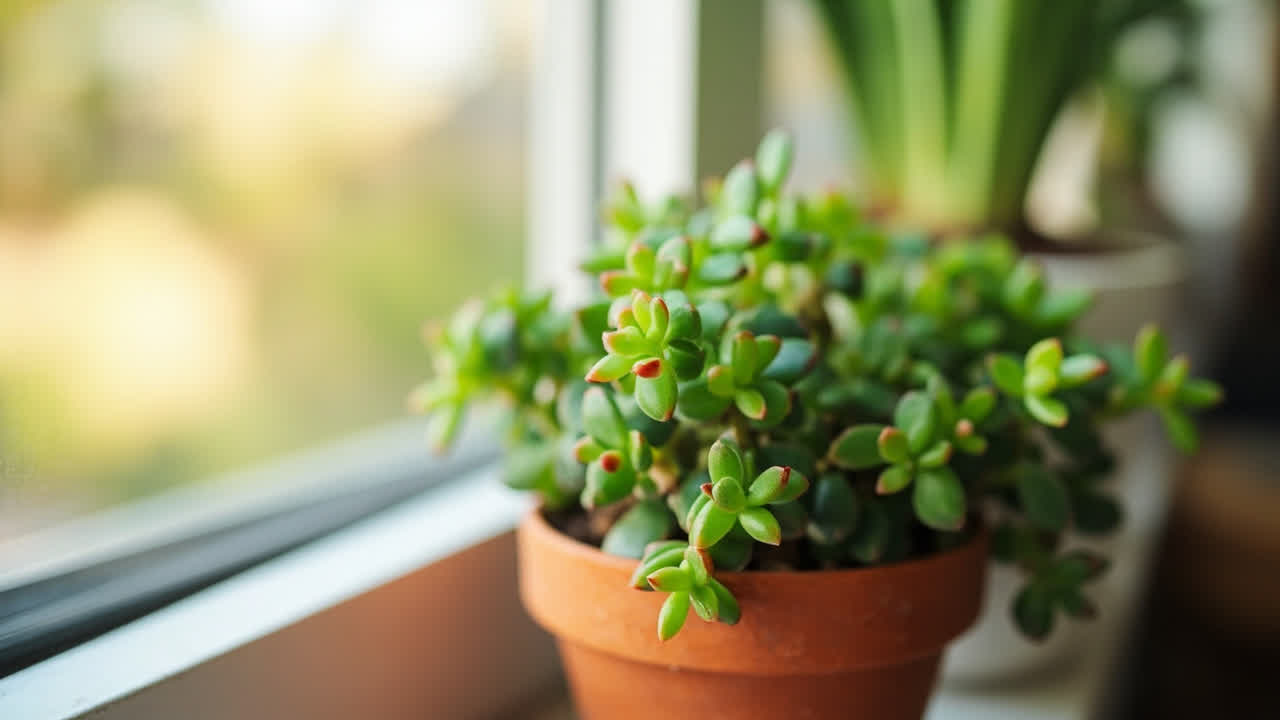
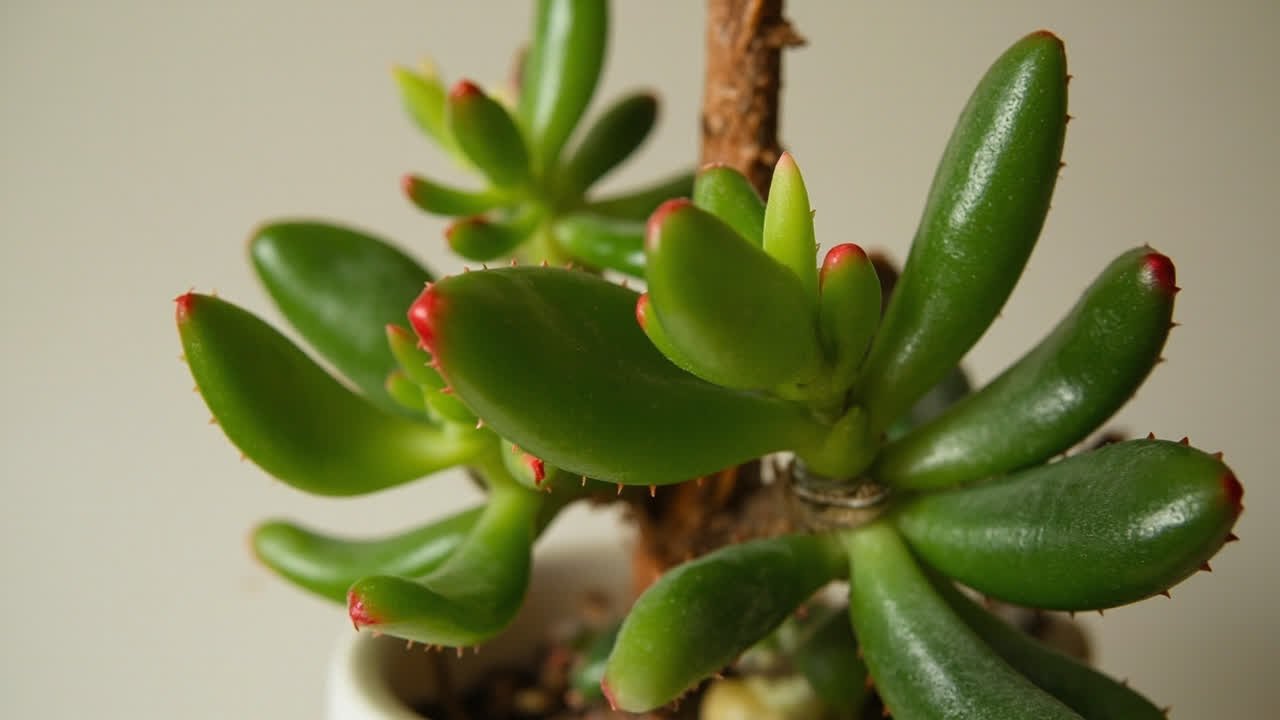
A healthy jade plant has firm, glossy leaves that are deep green without yellowing or brown patches. The leaves should feel thick and slightly waxy when you run your fingers over them — this is the plant’s natural moisture reserve in the leaves. Gently press a leaf between thumb and forefinger: it should feel firm and snap back when released, not bend or stay compressed.
The stem should be thick and woody at the base, not thin and flexible. Young jade plants have thinner, greener stems that thicken over time as the plant develops the tree-like trunk that makes mature specimens so attractive. Even in small plants, the stem should feel sturdy, not soft or bendable. A thick base indicates a plant that has been growing steadily and has good internal moisture reserves.
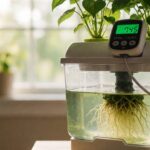
Check the root system if the plant is in a clear plastic pot — roots should be white or tan, not dark or mushy. Visible roots are a good sign the plant has been growing well. If the pot is opaque, check the drainage hole: a few roots poking out of the bottom are normal and indicate a healthy root system filling the pot.
Look for new growth. A jade plant that is actively growing — small new leaves at the tips of stems — is healthy and has sufficient light and nutrients. New growth may be a slightly lighter green than mature leaves, which is normal.
What to Avoid : Warning Signs
Yellowing leaves: Any yellow leaves, particularly at the base of the plant, indicate overwatering. A jade plant that has been kept too wet will have yellow, soft leaves and may already be developing root rot below the soil surface. Even if the upper leaves look okay, yellowing at the base is a serious warning sign of underlying root problems.
Mushy or soft stems: A jade plant with a soft or mushy stem at the base has root rot that has spread into the stem. This is the point of no return for most plants — once the stem base is compromised, the plant cannot be saved by simply adjusting watering. Reject any jade plant where the base of the stem feels soft when pressed.
Black spots on leaves: Localized black or dark brown spots on leaves can indicate fungal infection, sun scorch from sudden exposure to direct light, or cold damage. Small, isolated spots on lower leaves may be harmless, but spreading dark patches across multiple leaves suggest a more serious problem.
Pest signs: Check under leaves and at stem joints for white cottony spots (mealybugs), fine webbing (spider mites), or small bumps on stems and leaves (scale). Even if a plant appears healthy above the soil, a pest infestation will become apparent within weeks of bringing it home and can spread to other houseplants. Mealybugs are the most common pest on jade plant and are visible as small white cottony clusters in leaf axils and under leaves.
Leggy, stretched growth: A jade plant with long spaces between leaf nodes and small, pale leaves is etiolated from insufficient light. This is not just a temporary appearance problem — the plant has been growing weakly and will require significant effort to restore to a compact, healthy form. While you can rescue an etiolated jade plant by moving it to better light, it is better to buy a healthy plant from the start.
Wrinkled, shriveled leaves: This indicates severe underwatering or root problems. While a slightly underwatered jade plant can recover, leaves that look significantly deflated suggest the plant has been chronically stressed. The root system may be damaged, and recovery is not guaranteed.
Where to Buy Jade Plant
Garden centers and nurseries: The best source for healthy jade plants. Staff at specialty nurseries understand succulents and typically keep plants in appropriate conditions — good light, fast-draining soil, and careful watering. Plants at large retail chains are often kept by staff who are less familiar with succulent needs, leading to overwatering and poor light conditions that compromise plant health before you buy.
Specialty succulent nurseries (online): For rare varieties like specific Crassula cultivars, online specialty nurseries are the most reliable source. They ship plants bare-root or in minimal soil to reduce shipping weight and are experienced in packaging succulents safely. Look for nurseries with good reviews specifically for succulent shipping — general plant mail-order services may not handle succulents with sufficient care.
Local plant swaps and cutting trades: Jade plant is one of the most commonly shared plants through cutting trades. A healthy cutting from a known source is often better than a garden center plant of uncertain history. Jade plant propagates easily from leaf and stem cuttings, so even a small cutting can grow into a healthy plant within a year or two.
Size and Price : What to Expect
Small jade plants in four-inch pots typically cost five to ten dollars at garden centers. Larger specimens in six to eight inch pots range from fifteen to forty dollars depending on size and maturity. Rare cultivars like variegated Crassula ovata or Crassula marnieriana cost more — twenty to fifty dollars for a well-established plant — but are worth it if you are specifically looking for those varieties.
For beginners, a small to medium plant in a four to six inch pot is the best starting point. Smaller plants are less expensive, adapt more easily to your home conditions, and give you time to learn jade plant care without the stress of a large, expensive specimen declining in your care. Mature jade plants in ten-inch or larger pots can be impressive but are expensive and more sensitive to environmental changes.
Pot and Soil at Purchase
Most jade plants sold at retail are in plastic pots with standard commercial potting soil — not ideal for long-term health but normal for nursery conditions. After purchase, plan to repot into a proper cactus and succulent mix within a few weeks. The plant will benefit from the better drainage immediately, and moving to a terra cotta pot with a drainage hole dramatically reduces the risk of overwatering.
Do not rush to repot on the day you bring the plant home. Let it acclimate to your home environment for a week or two first — moving is stressful for plants, and adding the stress of repotting immediately on top of that can cause leaf drop or slowed growth. Once the plant has settled in and looks comfortable in its new location, repot into fresh soil.
Quarantine New Plants
If pests are discovered during quarantine, our jade plant problems guide covers identification and organic treatment.
Any new plant — including jade plant — should be isolated from your existing houseplant collection for two to three weeks before being placed alongside other plants. This gives you time to notice any pest problems that were not visible at purchase and treat them before they spread. Mealybugs in particular can hide in leaf axils and be easy to miss during a quick store inspection.
During the quarantine period, keep the jade plant in a separate room with good light and watch for any signs of pest activity or decline. If the plant looks healthy after two to three weeks with no new pest signs, integrate it with your collection.
From Bank Statement to QuickBooks-Ready File
That manual cleanup you just read about? This tool skips it. Turn your PDF into QBO for QuickBooks without storing your data anywhere.
Start Converting