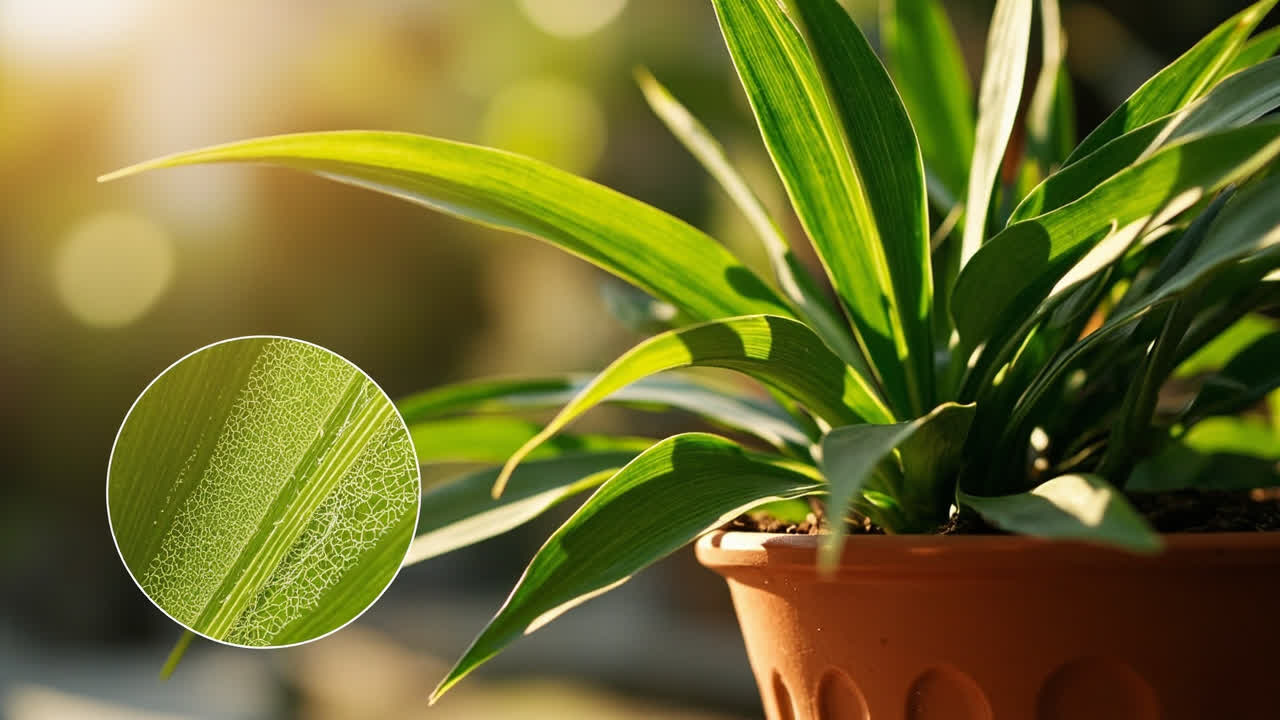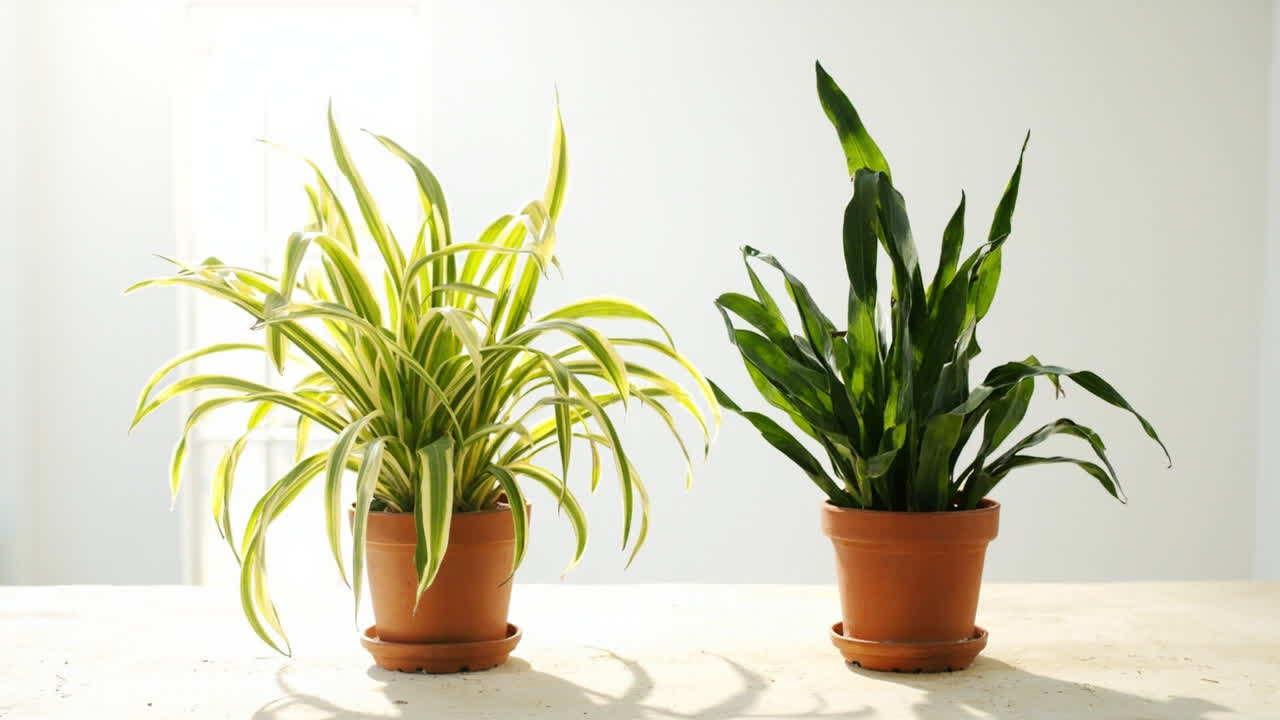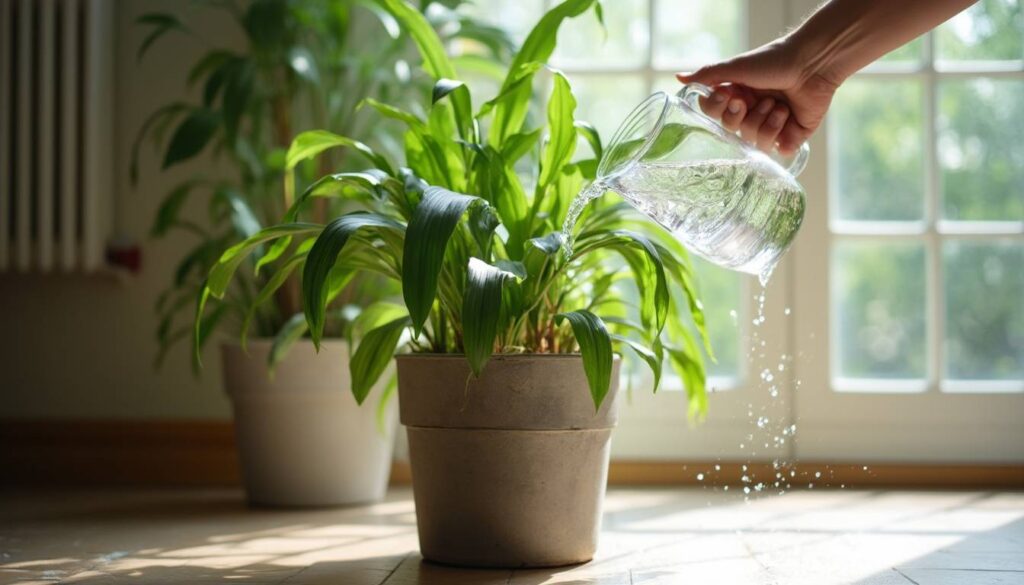

Learning how to water mass cane plant (Dracaena fragrans ‘Massangeana’) correctly is the definitive factor in preventing the sudden terminal collapse often seen in indoor ornamental specimens.
Most growers fail because they treat hydration as a scheduled chore rather than a response to soil oxygenation levels and the unique monocot physiological storage of the cane.
While a primary part of mass cane plant care and maintenance, watering must be treated as a response to the plant’s environment; providing water before the root zone has properly aerated leads to anaerobic decay, where the root system essentially suffocates in a stagnant, waterlogged environment.
Watering Mass Cane Plant Routine
If you need a repeatable, safe method for how to water mass cane plant right now, follow this precision-led sequence to ensure hydration without triggering rot:
For the full breakdown, see our houseplant watering schedule by species.
- The Depth Audit: Never water based on surface appearance. Insert a wooden dowel or your finger 3 to 4 inches into the potting medium. If the soil feels cool, damp, or sticks to the dowel, do not water.
- The Rule of 75%: Only initiate watering when at least 75% of the soil volume is dry. For a 10-inch pot, this means the top 7 inches should be bone-dry.
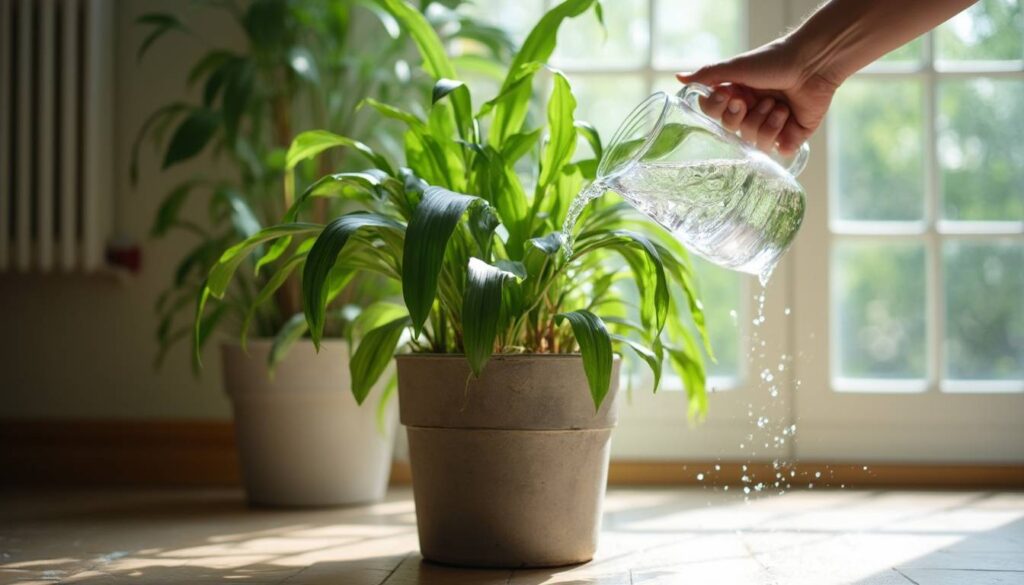
- The Saturation Method: Apply room-temperature water (distilled or rainwater is ideal) evenly across the surface. Continue pouring until water flows freely from the drainage holes.
- The 20-Minute Extraction: Wait 20 minutes for the pot to finish dripping, then immediately empty the drainage saucer. The plant must never sit in “soggy feet,” as this creates a permanent death zone for the lower root hairs.
Why Mass Cane Plants “Drown”
The hidden pain for most owners is seeing drooping, yellowing leaves and assuming the plant needs a “drink.” This is where the Dehydration Paradox begins.
- Mechanic of Suffocation: Roots require gas exchange to perform metabolic functions. When soil is perpetually wet, the air pockets (macropores) are filled with water, preventing aerobic respiration.
- The Paradox: Once the roots rot, they can no longer transport water up the cane.
If your plant is already showing signs of collapse, you must learn how to save a dying mass cane plant guide to reverse the damage before it reaches the trunk.
Environmental & Seasonal Mass Cane Watering
Watering frequency is a dynamic variable dictated by your home’s micro-climate and the plant’s metabolic rate.
| Environmental Factor | Impact on Watering | Practical Indicator |
| High Light (Near Window) | Rapid transpiration & growth | Soil dries faster; check every 7–10 days. |
| Low Light (Corner/Office) | Low metabolic demand | Soil stays wet longer; check every 14–21 days. |
| Winter/Dormancy | Growth slows; low evaporation | Reduce frequency by 50%; water once a month. |
| Airflow (Near AC/Heater) | High surface evaporation | Topsoil dries fast; use a dowel to check the deep root zone. |
| Soil Composition | Peat vs. Perlite ratio | Heavy peat soil holds water longer; check depth carefully. |
Establishing a consistent rhythm is key, and understanding the environmental variables behind how often to water mass cane plant will ensure your trunk remains firm.
Visual Symptom Diagnosis
You can predicting outcomes based on observable signals of your mass cane plants:
- IF leaves are yellow and the cane feels soft/spongy: This indicates mass cane plant leaves turning yellow and brown due to moisture-related stress.
- IF leaf tips are brown and crispy with yellow margins: This is typically Fluoride Toxicity. Switching to distilled water is the primary fix for mass cane plant brown tips.
- IF the plant was recently pruned: Specific attention is required for watering mass cane plant after trimming post pruning care to ensure the plant has the hydration needed for new bud development without over-saturating the reduced foliage load.
Convenience vs. Longevity
You face a fundamental choice in your care strategy regarding water quality and supplementation:
- Mineral Accumulation: Using tap water often introduces salts that cause tip burn. To mitigate this, choosing the right fertilizer for mass cane plant can help balance nutrient uptake without adding to the mineral load.
- Safety Boundaries: While focusing on health, remember that this species has safety implications. Consult the guides on why the mass cane plant toxic to cats poisoning or toxic to dogs is a concern if you have pets. If you need a deterrent, learn how do you keep cats away from dracaena to protect both the foliage and your animals.
- Human Safety: While generally safe to touch, you should review the guide on mass cane plant toxic to humans and toxic to pets and human for complete awareness.
Boundaries & Disqualifications
- Non-Draining Containers: If your pot has no drainage holes, this watering guide is invalidated. Stagnant water at the base will kill the plant within weeks.
- Growth Maintenance: If the plant becomes too tall due to successful watering, you will eventually need to trim a mass cane plant to manage its size.
- Soil Hydrophobicity: If your soil has become a “brick” that repels water (common with peat), you must aerate it with a chopstick before watering to ensure the moisture reaches the center of the root ball.
Mass Cane Plant Watering
To master mass cane plant watering, you must shift your mindset from feeding to aerating.
A well-hydrated plant provides numerous mass cane plant benefits, including air purification and feng shui benefits.
By prioritizing drainage and honoring the Rule of 75%, you maintain the structural integrity of the cane and ensure the plant remains a vibrant centerpiece for years to come.
From PDF to Excel in one click
Forget retyping line by line. Upload any bank statement, get a spreadsheet you can actually use. Your files are never stored, and you can test the converter with 3 free conversions.