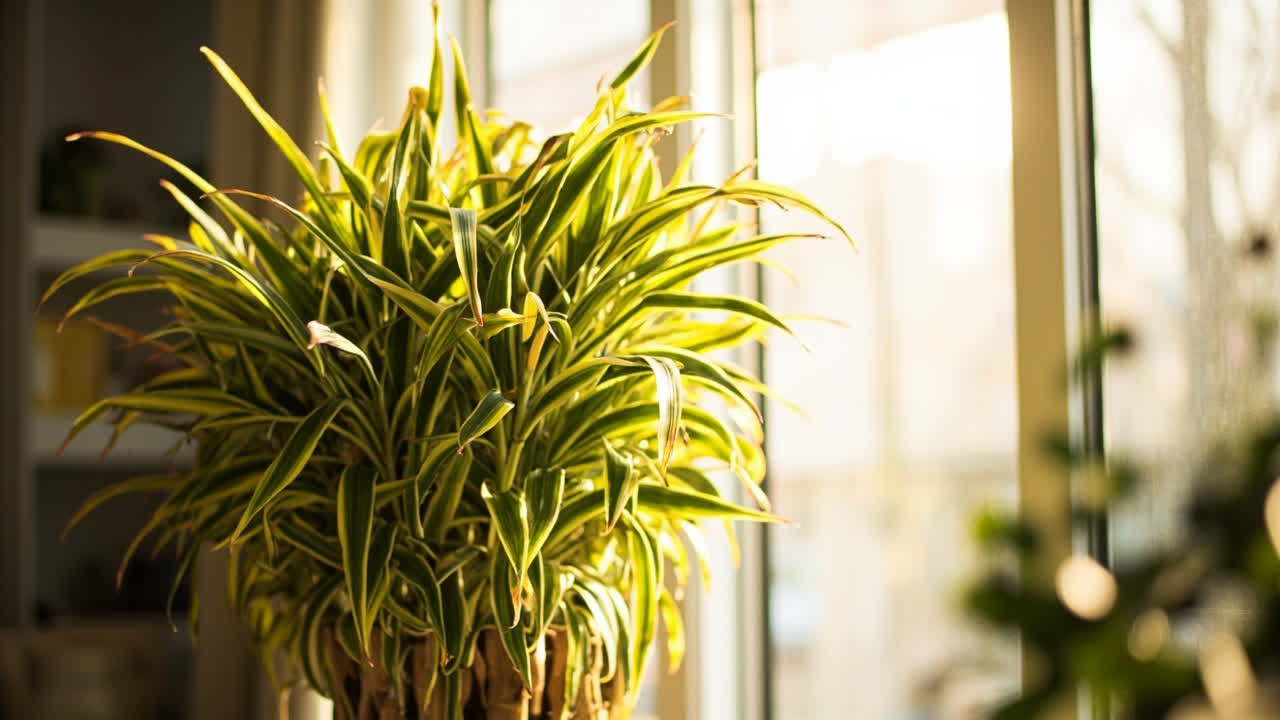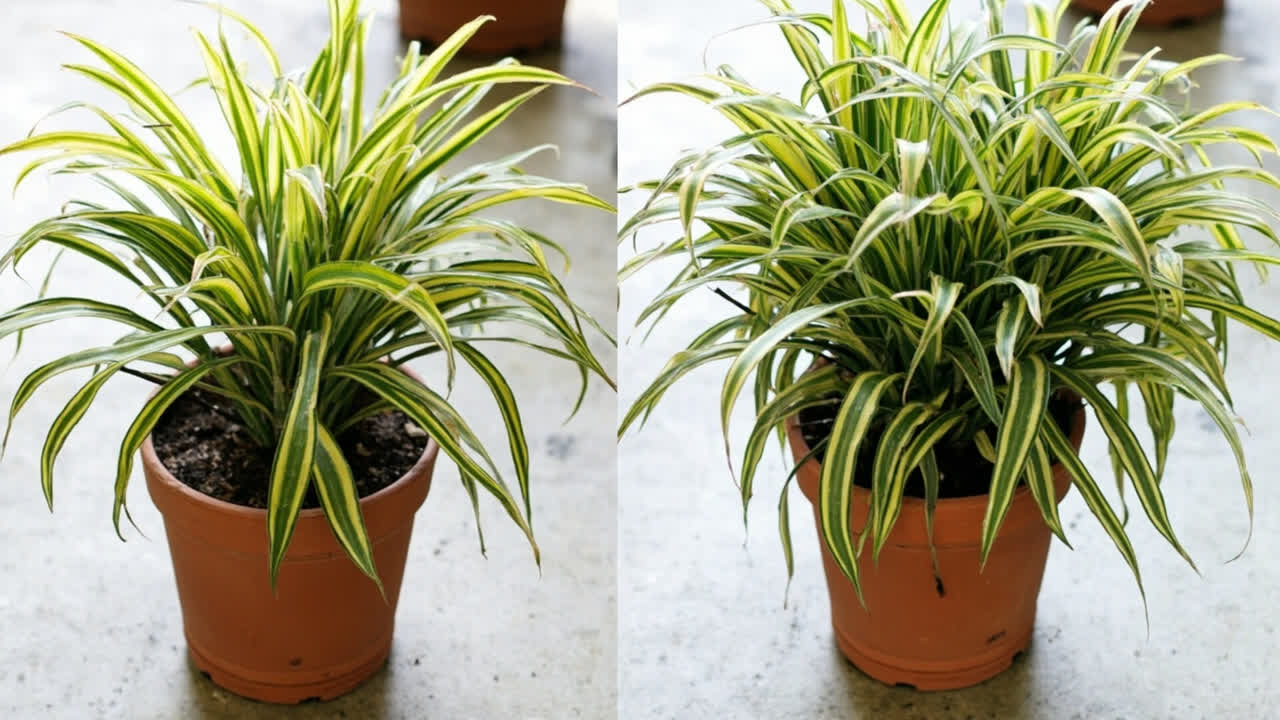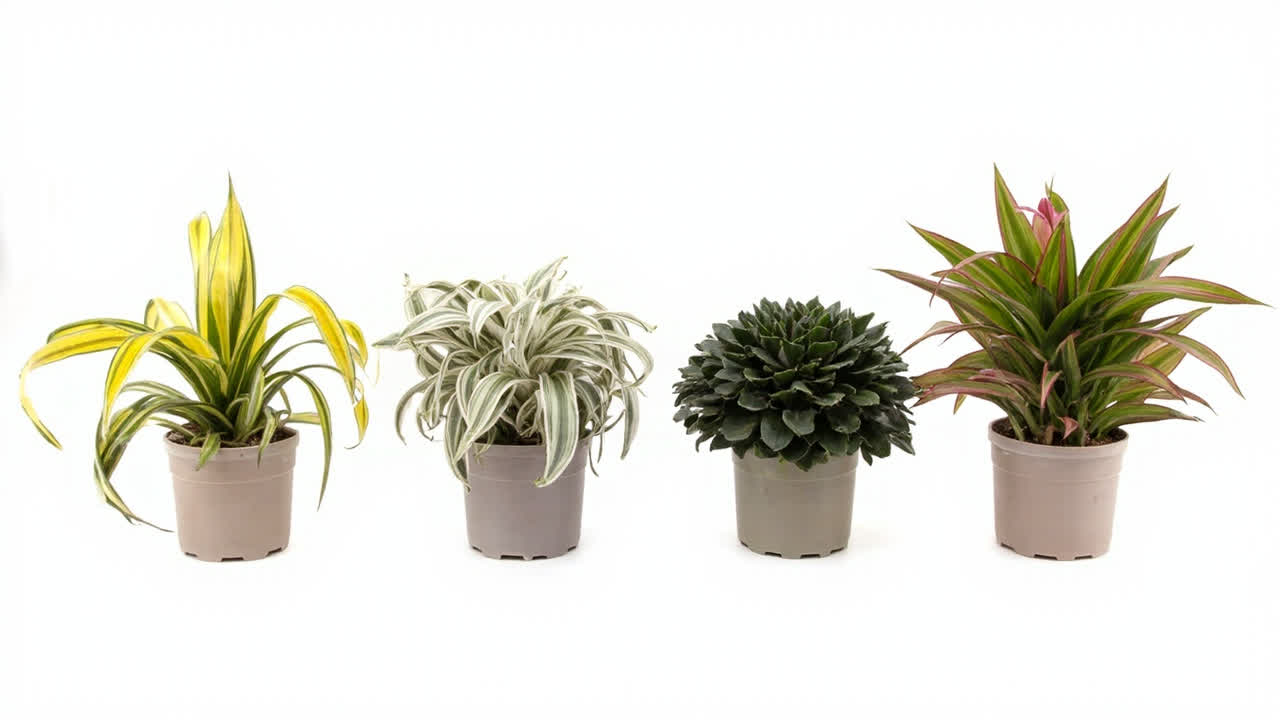

Trimming a Dracaena Massangeana is not just about making it look tidier — it is one of the most effective ways to stimulate new growth, restore the plant’s natural fullness, and keep it healthy over years of growth. Whether your Mass Cane Plant has developed brown leaf tips, produced leggy growth in low light, or simply grown beyond the space you have for it, the right pruning approach brings it back into balance. Here is how to trim a Mass Cane Plant correctly, with the steps in the order that gives you the best result.
Why Trimming a Mass Cane Plant Is Worth Doing
The Dracaena Massangeana grows from the top of each cane — the growing tip produces new leaves and the cane extends upward. The lower leaves age and drop naturally as the plant grows, which is normal. But when light is insufficient, when the plant is root-bound, or when it has simply been growing for several years without intervention, the structure becomes imbalanced: tall bare canes with sparse foliage at the top, nothing in the middle, and a top-heavy silhouette that is structurally unsound.
Trimming addresses this by removing the apical dominance signal — when you cut the growing tip, the dormant buds along the cane and at the base activate. The result is multiple new growing points where there was one, producing a denser, bushier plant rather than a single tall column. For the specific technique of using pruning to make your Mass Cane Plant bushier, see the how to make your Mass Cane Plant bushier guide, which covers the process in detail. This article covers the foundational pruning skill that makes that fuller growth possible.
Beyond stimulating growth, pruning also removes damaged tissue — brown tips, yellowing lower leaves, and any leaf that is browning from fluoride sensitivity or sun burn. Removing these allows the plant to direct its energy to the healthy growth that remains, rather than trying to maintain tissue that cannot recover.
When to Trim Your Mass Cane Plant
The best time to trim a Dracaena Massangeana is during its active growing season — from late February through September in Singapore. This is when the plant has the energy reserves and the growth hormone activity to respond quickly to cutting. Trimming in the dormant season — November through January — is not catastrophic, but the plant will be slower to activate new growth points and recovery takes longer.
The specific conditions that indicate it is time to prune:
- The plant has become top-heavy or tall enough to interfere with the ceiling, a shelf, or the space around it
- Multiple lower leaves are yellowing simultaneously and the cane is visibly bare in the lower third
- Brown leaf tips are appearing across many leaves and the damage is too extensive to trim off individually
- The plant is clearly unbalanced — one side much fuller than the other, or growing at an angle toward the light
What Tools You Need
You need sharp, clean secateurs or a small pruning saw for the cane cuts. The critical requirement is sharpness — a dull blade crushes the cane tissue rather than cutting it cleanly, and crushed tissue is an entry point for fungal infection. Before you start, wipe the blades with isopropyl alcohol. If you are cutting a cane that shows any sign of rot or softness at the base, sterilise between each cut to avoid spreading potential infection.
How to Trim a Mass Cane Plant Step by Step
Step 1 — Inspect the plant and plan your cuts. Stand back and look at the whole plant before you cut anything. Identify the tallest canes and decide where you want the cut to fall. A cut at 20 cm to 30 cm below the lowest remaining leaf on a cane usually produces two to three new growing points within six to eight weeks. Cutting at a node — the slightly swollen ring around the cane — produces cleaner regrowth than cutting mid-cane.
Step 2 — Cut at an angle. Use secateurs or a saw to cut completely through the cane at your chosen point. The cut should be flat, not angled steeply. A flat cut heals more evenly and is less likely to collect water that leads to fungal entry. Do not seal the cut with anything — Dracaena cane tissue heals best when left exposed to air.
Step 3 — Remove individual damaged leaves. After cutting the canes, go through the remaining foliage and trim individual brown tips and yellowing leaves. Use sharp scissors or secateurs for these — cutting one leaf at a time is more precise than using the same tool as for cane cuts. Cut the brown portion off at an angle that follows the natural shape of the leaf, so the remaining tip looks intentional rather than hacked.
Step 4 — Decide what to do with the cut cane sections. If the cane sections you removed are healthy and firm, you can propagate them. Cut each cane into sections of 15 cm to 20 cm, each with at least one node, and place them in moist perlite or directly into soil. For the full propagation method, see the propagating a Mass Cane Plant guide. You can pot up the cuttings and grow new plants to fill other spaces in your home or give away to friends.
Post-Trimming Care : What Happens Next
After pruning, the plant enters a recovery and regrowth phase. Here is what to expect and how to support it:
Water. After trimming, water the plant thoroughly — saturate the root zone, then let it drain fully. Do not leave it sitting in water. The plant has less foliage than before, so its water needs are reduced. Check the soil before watering again — the finger test, 5 cm deep, should be dry before the next watering. Overwatering after pruning is the most common post-trim mistake and the one most likely to cause the new growth to rot before it establishes.
Light. Move the plant to the brightest position you have. New growth needs energy, and energy requires light. If the plant is in a shaded corner, the new buds will emerge but they will grow slowly, be pale, and produce thin weak leaves. Bright indirect light — a few metres from a window with good daylight — is ideal for recovery.
Fertiliser. Do not fertilise immediately after pruning. The root system needs time to regenerate and the plant cannot process nutrients efficiently in the first three to four weeks of recovery. After one month, resume feeding at half the normal concentration — the same liquid fertiliser at half strength you use for regular feeding, every two weeks during the growing season.
Do not rush the timeline. New growth from a cut cane typically takes four to eight weeks to become visible. If you do not see anything after eight weeks, the problem is usually insufficient light or the roots being too compromised to support new growth — not a problem with the cut itself. Be patient and resist the urge to cut again.
Common Pruning Mistakes and How to Avoid Them
Cutting too much at once. Removing more than half of the plant’s foliage at one time removes the energy-generating capacity the plant needs to fuel regrowth. The plant survives, but recovery is slow and stressful. If you need to make major cuts on a very overgrown plant, do it in stages — trim one or two canes this season, wait for the regrowth to establish, then cut the remaining canes next season.
Cutting in the dormant season and expecting fast recovery. November through January is the slow period. Cuttings made now will still produce roots eventually, but the visible top growth will take three to four months minimum before you see new shoots. If you can, make your major pruning cuts before October.
Using dull tools. Crushing cane tissue rather than cutting it cleanly creates a wound that fungal pathogens colonise. If the cane below the cut becomes soft or discoloured after a week or two, this is usually the result of a cut made with a dull blade. Sterilise and start again with a sharper tool.
For the complete picture of what your plant needs after major pruning — including the specific watering adjustments to make during recovery — see the watering Mass Cane Plant after trimming guide. And for the regular maintenance that keeps your plant compact and healthy between major prunes, the Mass Cane Plant care guide has the full schedule.