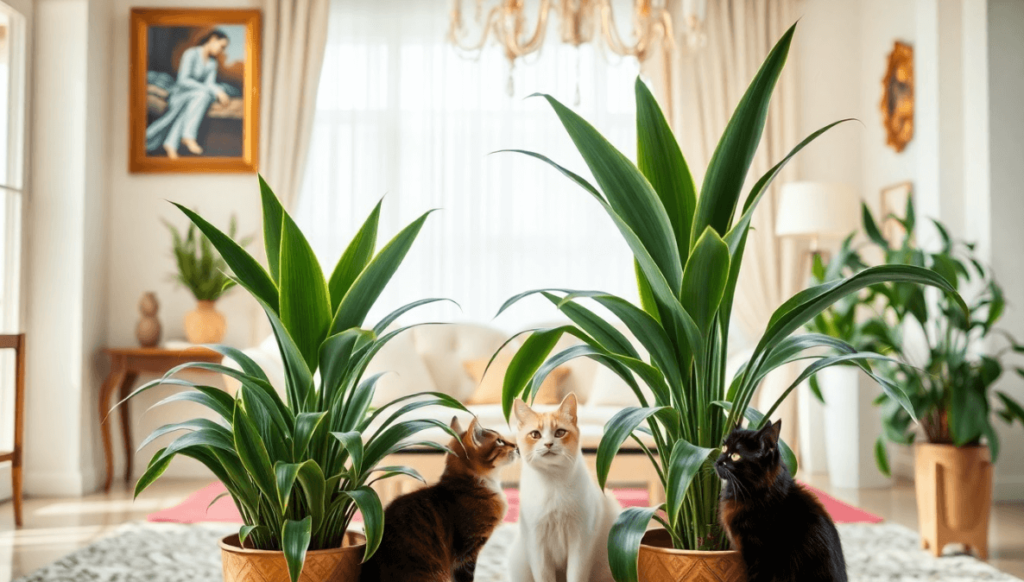

As a cat owner, it’s essential to be aware of the potential hazards that certain houseplants can pose to your feline friends.
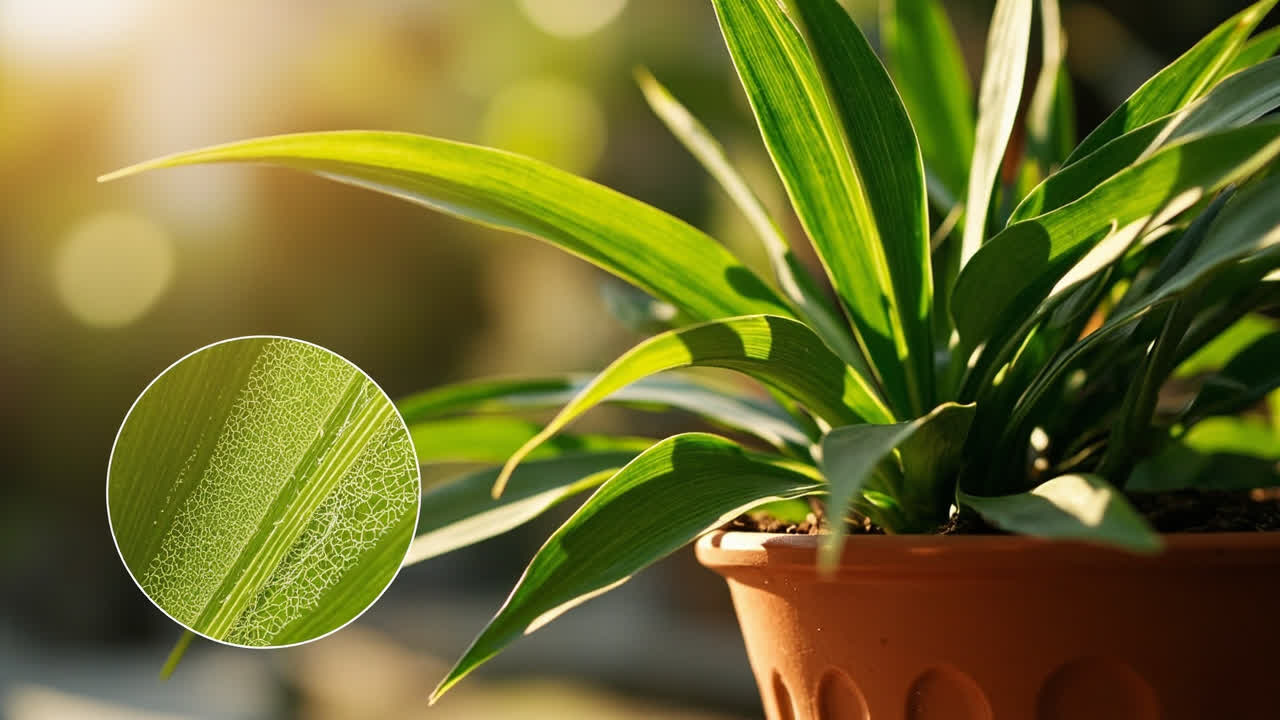
Dracaena, a popular indoor plant known for its striking appearance and air-purifying qualities, is one such plant that can be harmful to cats.
So, how do you keep cats away from dracaena plant?
Many cat owners unknowingly bring these plants into their homes, unaware of the potential consequences.
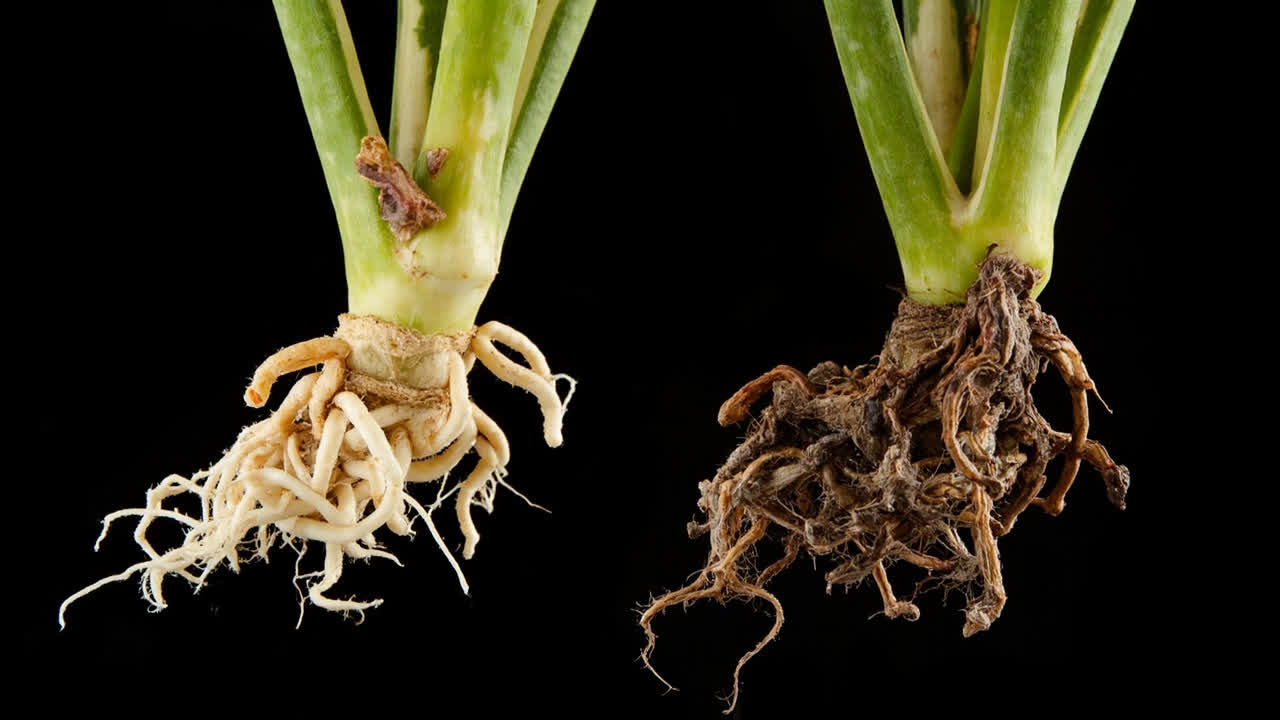
The leaves of Dracaena contain compounds that are toxic to cats, leading to symptoms such as vomiting, lack of appetite, and lethargy.
In severe cases, ingestion can result in more serious health issues, including kidney failure.
If your cat has a tendency to chew on plants, it’s crucial to recognize the signs of toxicity and act quickly if you suspect they have ingested any part of the Dracaena.
Understanding these dangers is the first step in ensuring your cat’s safety. Our pet-safe houseplants guide lists non-toxic alternatives for cat owners. while still enjoying the beauty of indoor plants.
Key Takeaways:
- Dracaena can be toxic to cats if ingested, leading to symptoms such as vomiting, drooling, and loss of appetite.
- Cat-safe alternatives to dracaena include spider plants, Boston ferns, and African violets, which are non-toxic to cats.
- Physical barriers such as placing the dracaena in a hanging planter or on a high shelf can help keep cats away from the plant.
- Scent deterrents like citrus sprays or commercial cat repellents can be used to discourage cats from approaching dracaena.
- Training cats to avoid dracaena can be achieved through positive reinforcement and redirection to cat-friendly plants and toys.
- Providing enrichment and distractions for cats, such as interactive toys and climbing structures, can help redirect their attention away from dracaena.
- If cat behavior issues persist, seeking professional help from a veterinarian or animal behaviorist is recommended.
- Ensuring a safe and happy environment for both cats and dracaena involves being mindful of potential dangers and providing suitable alternatives and enrichment for cats.
How Do You Keep Cats Away from Dracaena
![How Do You Keep Cats Away from Dracaena [Tips and Tricks]](https://www.aqualogi.com/wp-content/uploads/How-Do-You-Keep-Cats-Away-from-Dracaena-Tips-and-Tricks-1024x582.png)
How do you keep cats away from dracaena? These are simple tips and tricks keeping felines away from Draceana:
1. Creating Physical Barriers to Keep Cats Away from Dracaena
If you already have Dracaena in your home and are concerned about your cat’s safety, creating physical barriers can be an effective strategy.
One approach is to place the plant in an area that is difficult for your cat to access, such as on a high shelf or in a room that is off-limits.
Utilizing plant stands or hanging planters can also elevate the Dracaena out of reach, allowing you to enjoy its beauty while keeping it safe from curious paws.
Another option is to use decorative screens or plant enclosures that can serve as both a barrier and an attractive addition to your home decor.
These barriers not only protect your plant but also create a designated space for it, making it clear to your cat that this area is off-limits.
By implementing these physical barriers, you can significantly reduce the chances of your cat coming into contact with the toxic plant.
2. Using Scent Deterrents to Repel Cats from Dracaena
Scent deterrents can be an effective way to keep your cat away from Dracaena.
Cats have a highly developed sense of smell, and certain scents can be unappealing to them.
Citrus scents, for example, are known to repel many cats.
You might consider using citrus-scented sprays or placing citrus peels around the base of the plant to deter your feline friend from approaching.
Another option is to use commercial cat repellents that are specifically designed to keep cats away from certain areas or objects.
These products often contain natural ingredients that are safe for both cats and humans while effectively discouraging unwanted behavior.
By combining scent deterrents with other strategies, you can create a multi-faceted approach to keeping your cat safe from Dracaena.
| Method | Success Rate | Duration of Repellent Effect |
|---|---|---|
| Lemon Juice | 60% | 1-2 days |
| Vinegar | 70% | 2-3 days |
| Citrus Peels | 50% | 1-2 days |
3. Training Cats to Stay Away From Dracaena
Training your cat to avoid Dracaena may require patience and consistency, but it is certainly achievable.
Start by redirecting their attention whenever they approach the plant.
Use toys or treats to engage them in play or offer them an alternative activity that captures their interest.
Positive reinforcement is key; reward them when they choose not to investigate the plant or when they respond to your commands.
You can create a designated area for your cat that includes safe plants and engaging toys.
By providing them with their own space filled with stimulating activities, you can help reduce their curiosity about the Dracaena.
Over time, with consistent training and redirection, your cat will learn to associate the plant with negative experiences and will be less likely to approach it.
4. Providing Enrichment and Distractions for Cats
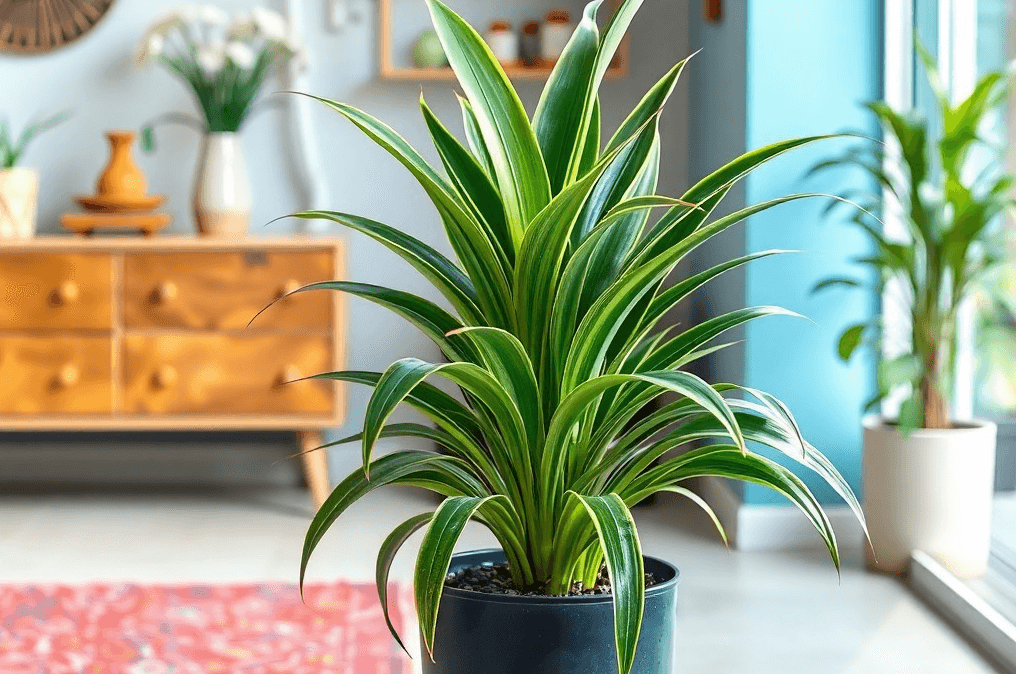
To further minimize your cat’s interest in Dracaena, consider providing ample enrichment and distractions throughout your home.
Cats are naturally curious creatures that require mental and physical stimulation to thrive.
By offering various toys, scratching posts, and climbing structures, you can keep them engaged and less focused on the plants around them.
Interactive toys that challenge your cat’s problem-solving skills can be particularly effective in diverting their attention away from harmful plants.
Puzzle feeders or toys that dispense treats can keep them occupied for extended periods while satisfying their natural hunting instincts.
Rotating toys regularly can maintain their interest and prevent boredom, ensuring that they remain entertained and less likely to explore potentially dangerous areas.
5. Seeking Professional Help for Persistent Cat Behavior Issues
If you find that despite your best efforts, your cat continues to show an interest in Dracaena or exhibits other concerning behaviors, it may be time to seek professional help.
Consulting with a veterinarian or a certified animal behaviorist can provide valuable insights into your cat’s behavior and help you develop a tailored plan for addressing these issues.
A professional can assess your cat’s environment and behavior patterns, offering recommendations based on their expertise.
They may suggest behavioral modification techniques or even recommend specific products designed to deter unwanted behaviors effectively.
By working with a professional, you can ensure that you are taking the right steps toward creating a safe environment for both your cat and your beloved plants.
Choosing Cat-Safe Plants Alternatives to Dracaena
If you love the aesthetic appeal of Dracaena but want to keep your cat safe, consider exploring cat-safe alternatives that can provide similar visual interest without the associated risks.
There are numerous houseplants that are non-toxic to cats, such as spider plants, Boston ferns, and bamboo palms.
These plants not only enhance your living space but also contribute to a healthier indoor environment by improving air quality.
Choosing the Right Plants for Your Home
By selecting these safer options, you can create a beautiful home while ensuring your feline companion remains unharmed.
When choosing cat-safe plants, it’s also important to consider their care requirements.
Incorporating a variety of textures and colors can create a vibrant atmosphere that both you and your cat can enjoy without worry.
Some plants may thrive in low light conditions, while others may need more sunlight or specific watering schedules.
By choosing cat-safe plants and considering their care requirements, you can create a harmonious home environment that is both beautiful and safe for your feline companion.
Keeping Cats Away from Dracaena
Creating a harmonious living space where both your cat and Dracaena can coexist safely requires awareness, planning, and proactive measures.
By keeping cats away from dracaena, you can protect your feline friend while still enjoying the beauty of indoor plants.
By taking these steps, you can cultivate an environment where both your cats and houseplants thrive together in harmony, ensuring a safe and happy home for all.
FAQs To Keep Cats Stay Away From Dracaena
What is Dracaena and why do cats like it?
Dracaena is a popular houseplant known for its attractive foliage. Cats are attracted to dracaena because they are drawn to the texture and taste of the leaves.
Why is it important to keep cats away from dracaena?
Dracaena is toxic to cats and can cause symptoms such as vomiting, diarrhea, and lethargy if ingested. In severe cases, it can even be fatal to cats.
How can I keep cats away from dracaena?
There are several methods to keep cats away from dracaena, including placing the plant in a location that is inaccessible to cats, using deterrent sprays, or providing alternative safe plants for cats to chew on.
Are there any cat-friendly alternatives to dracaena?
Yes, there are many cat-friendly plants that you can consider as alternatives to dracaena, such as spider plants, Boston ferns, and catnip. These plants are safe for cats to be around and are less likely to cause harm if ingested.
Turn PDF Bank Statements Into Workable Spreadsheets
Your bank statement is a mess of numbers, but your books shouldn't be. Use our converter to get Excel, CSV, or QBO files — ready for QuickBooks.
Try It Free Now