
—
title: Mass Cane Humidity and Temperature: The Hidden Triggers Behind Your Plant’s Brown Tips
target: mass cane humidity requirements
slug: mass-cane-humidity-temperature
cluster: house_plants
type: SEO Backbone
—
You have been watering your mass cane plant on a consistent schedule. The soil feels right. The drainage is fine. And yet, those brown tips keep appearing — crispy, tan-colored edges creeping across leaf after leaf. If you have been chasing a watering solution that never works, the real culprit is hiding in the air around your plant, not the soil beneath it. Mass cane humidity requirements and temperature conditions are the two most overlooked factors in mass cane care, and they are the reason your plant is struggling even when everything else looks correct.
Why Your Mass Cane Is More Sensitive to Air Than You Think
Mass cane (Dracaena massangeana) evolved in the understory of tropical forests, where humidity stays consistently high and temperatures rarely swing dramatically. That background means your plant is hardwired to expect stable, warm, humid conditions — the kind you find in most homes during summer, but not the kind you find near air conditioning vents, heating radiators, or during the dry blast of winter indoor heating. The moment your plant sits in a drafty hallway or beside a heater, it registers the change. And it tells you through brown leaf tips.
This matters because most plant owners assume brown tips mean underwatering. They bump up the watering frequency, and the problem gets worse — root rot sets in while the tips still brown. You end up with two problems instead of one. Understanding that your mass cane is responding to the moisture in the air rather than the moisture in the soil changes the entire approach to care.
Ideal Humidity Range for Mass Cane: 40–60%
The sweet spot for mass cane humidity sits between 40% and 60% relative humidity. Below 40%, the air becomes dry enough that the plant loses moisture through its leaves faster than it can replace it through its roots. The edges of the leaves desiccate first, which is why you see the characteristic browning starting at the tips and margins. Above 60%, you risk fungal issues and mold near the root zone, particularly if air circulation is poor.
Most standard living spaces hover between 30% and 45% humidity, especially in winter when heating systems strip moisture from the air. That puts most indoor mass cane plants in a borderline dry zone without any intervention. You do not need a rainforest — you need awareness and a few practical tools to bridge the gap.
How to Measure What Your Plant Is Actually Experiencing
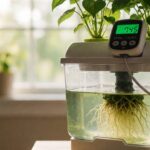
A hygrometer near your plant tells you the real story. Do not guess based on how the room feels to you — your perception of humidity is skewed by clothing, activity level, and acclimatization. Place the device at plant level, not at head height, and check the reading at different times of day. Morning and evening readings often differ because of cooking, showering, or HVAC cycles running. If your average sits below 40%, you need to act.
Practical Ways to Raise Humidity Without a Greenhouse
A humidity tray is the most reliable low-tech solution. Fill a shallow tray with pebbles and add water until it sits just below the top of the stones. Set your mass cane pot on top. As the water evaporates, it creates a microclimate of slightly higher humidity directly around the plant. Refill the tray every few days, especially in dry seasons. This method works continuously without any electricity and keeps the root zone dry, which is exactly what you want.
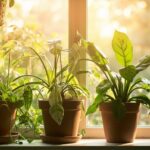
Grouping plants together creates a collective transpiration effect — each plant releases moisture through its leaves, and that moisture raises the humidity for its neighbors. If you have several houseplants clustered near each other, they are effectively self-humidifying. Move your mass cane into that cluster and it benefits immediately.
A room humidifier is worth considering if you live in a particularly dry climate or if you have multiple humidity-loving plants. Set it to maintain 45–55% and let it run during the winter months when indoor heating drives humidity down most aggressively. The consistent output matters more than occasional bursts of moisture.
Temperature Requirements: 65–80°F (18–27°C)
Mass cane plants thrive in temperatures between 65°F and 80°F, which is roughly 18°C to 27°C. They can tolerate brief dips a few degrees below that range, but extended exposure to cold drafts causes the same brown-tipping response as dry air. Above 85°F (29°C), the plant accelerates its water loss through transpiration, which can also produce stress symptoms if humidity does not rise to compensate.
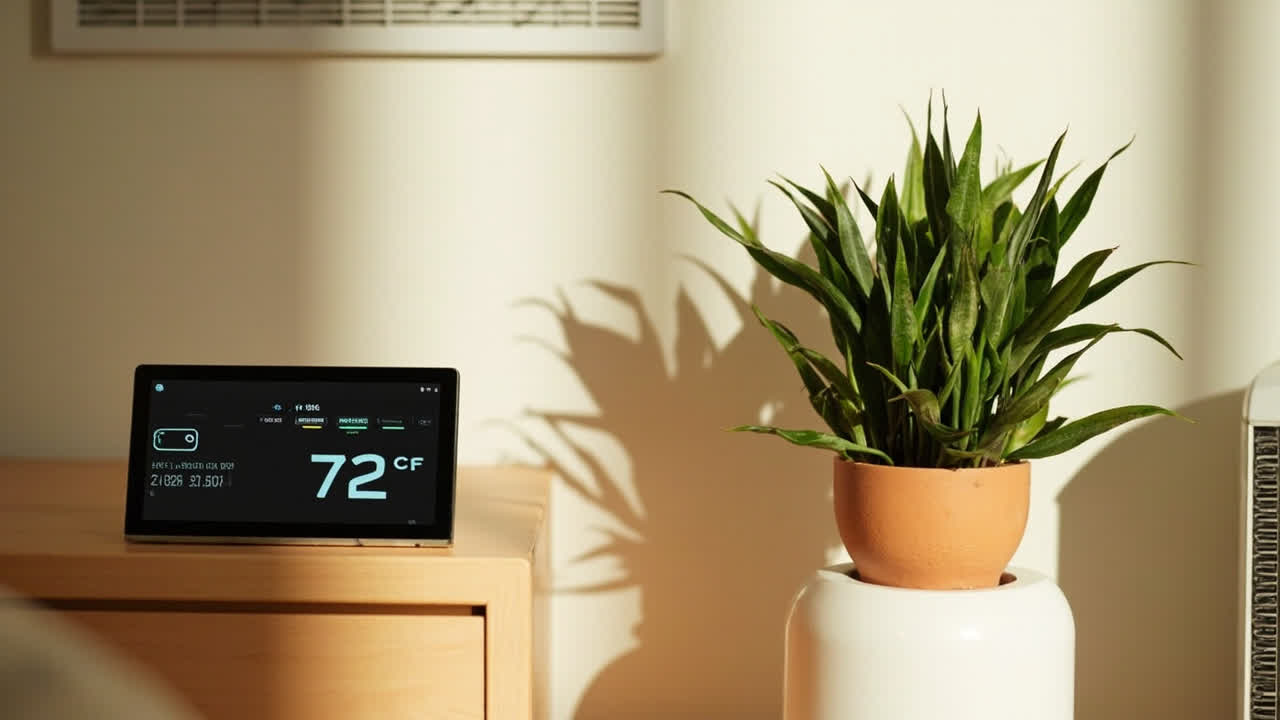
The most dangerous temperature scenarios for mass cane are not extremes — they are inconsistencies. A plant sitting 3 feet from a heating vent experiences a different temperature at the leaves than at the soil line. Cold windows during winter nights bring the foliage temperature down while the root zone stays warm. These gradients create stress even when the thermostat reads a comfortable 72°F.
Where Not to Place Your Mass Cane
Avoid placing your mass cane near air conditioning vents. The cold, dry air that blows from AC vents in summer is one of the most aggressive humidity-stripping forces in a typical home. The constant stream of conditioned air keeps the surrounding environment at a temperature that feels pleasant to you but a relative humidity that hovers around 25–35% directly around the plant. Leaves directly in the path of that airflow will brown faster than leaves in still air.
Similarly, avoid positions near radiators or forced-air heating vents in winter. These heat sources produce dry, warm air that raises the temperature but lowers relative humidity at the leaf surface. Your plant experiences this as a hot, dry environment — and responds with brown tips and leaf edge burn. Understanding these placement pitfalls prevents most humidity-related problems before they start.
Cold windows are another hazard. A mass cane positioned directly against a window pane in winter experiences temperatures that can drop below 60°F at night when outdoor temperatures fall. The glass acts as a thermal bridge, chilling the foliage while the pot and root zone stay closer to room temperature. This mismatch between root temperature and foliar temperature produces stress browning that looks identical to low-humidity damage.
Seasonal Transitions: The Times Your Plant Is Most at Risk
The transition from summer to fall and from spring to summer creates the highest-risk periods for humidity and temperature stress. When you turn your heating on for the first time in autumn, indoor humidity can drop 15–20 percentage points within a matter of days. Your plant has been adapting to summer conditions, and suddenly the air changes dramatically. The brown tips you see in October are often the result of that September transition, not any single event.
Winter itself is the longest sustained challenge. Central heating runs continuously for months, maintaining warm temperatures but stripping humidity in the process. Your mass cane is fighting dry air from November through March without relief. This is the season when you most need to actively manage humidity rather than assume ambient conditions are sufficient. Adjusting your watering schedule during winter also matters — cooler, darker conditions mean slower water uptake, so letting the soil dry out more between waterings prevents root rot even as you increase ambient humidity.
Spring presents a different risk: the temptation to move plants outdoors too early. Mass cane should not go outside until overnight temperatures reliably stay above 60°F (15°C). A single cold night below 50°F damages foliage and sets the plant back significantly. The acclimatization to outdoor conditions should be gradual — start with a shaded spot for a few hours, then build up over two weeks.
Diagnosing Temperature and Humidity Stress vs. Other Causes
The challenge with brown tips is that many problems produce identical symptoms. Root rot, over-fertilizing, underwatering, low humidity, cold damage, and excessive direct sun can all produce browning on mass cane leaves. The key differentiator is pattern and progression.
Humidity-related browning appears on the leaf tips and margins first. It is dry and crispy to the touch — not soft or mushy. It progresses slowly, affecting one or two leaves at a time rather than suddenly engulfing the entire plant. A comprehensive overview of what to look for helps you narrow down the cause with greater confidence.
Cold damage tends to affect newer growth more severely because younger leaves have less structural resilience. The browning from cold often appears overnight after a specific event — a window left open, a plant moved too close to an exterior door, or an HVAC malfunction. The timing correlates with a specific event rather than gradual progression over weeks.
Root rot produces brown tips too, but the leaves also feel softer and the soil stays wet for extended periods. The smell from the pot is musty or sour. The progression is faster and affects lower leaves first, moving upward. This pattern tells you the problem is below soil level, not in the air.
To confirm humidity as the cause, check your hygrometer, review your plant’s position relative to heating and cooling vents, and note the season. If you have been watering correctly and the browning is dry and crispy, humidity or temperature stress is almost certainly the answer.
What Happens When You Fix the Humidity Problem
Once you correct the humidity and stabilize the temperature, existing brown tips will not heal — the tissue is dead and will not regenerate. But the rate of new browning slows dramatically within one to two weeks. Each new leaf that emerges should come in clean, without brown edges, provided the conditions stay stable. This is your confirmation that the diagnosis was correct and the fix is working.
You can trim the brown tips with clean scissors for cosmetic purposes, but do it correctly: snip at an angle following the natural shape of the leaf, and do not cut into green tissue. Damaged tissue left behind does not spread, but cutting into live tissue creates a new wound that may brown further. Addressing the root cause first — in this case, the humidity and temperature environment — matters more than the cosmetic fix of trimming.
A Practical Routine for Keeping Your Mass Cane Stable Year-Round
Check your hygrometer readings once a week and log them. Patterns emerge over time — your living room might hold 42% in summer but drop to 28% in deep winter. Knowing the range lets you intervene before the plant shows stress rather than after.
Refill humidity trays every two to three days during winter. Monitor your plant’s position relative to vents and radiators as seasons change — what works in April may fail by December. Moving your mass cane 2 feet sideways, away from a heating vent, can be the difference between a thriving plant and a perpetually browning one.
When you water, do so thoroughly but let the soil dry appropriately for the season. In winter, extending the interval between waterings from 10 days to 14 or 16 days reduces the risk of root rot while the plant is under humidity stress. In summer, you can water more frequently as the plant’s active growth demands more resources.
The goal is not perfection — it is consistency. A mass cane that sits in a stable environment with reasonable humidity and stable temperatures will grow steadily, produce clean new leaves, and never develop the chronic browning that makes plant owners feel like they are failing at care. The environment does the work. You just have to set it up correctly and pay attention to the signals your plant sends.
Brown tips on your mass cane are a message, not a failure. Read the air, adjust the position, and your plant will respond with new growth that carries no brown edges — clean, green, and healthy.
—
Turn PDF Bank Statements Into Workable Spreadsheets
Your bank statement is a mess of numbers, but your books shouldn't be. Use our converter to get Excel, CSV, or QBO files — ready for QuickBooks.
Try It Free Now