
Seeing your once-vibrant mass cane plant leaves turning yellow and brown is a clear sign of distress that can dishearten any home gardener.
You bring home this beautiful, statuesque houseplant, known botanically as Dracaenafragrans ‘Massangeana’ or the common corn plant, picturing its lush foliage brightening your space.
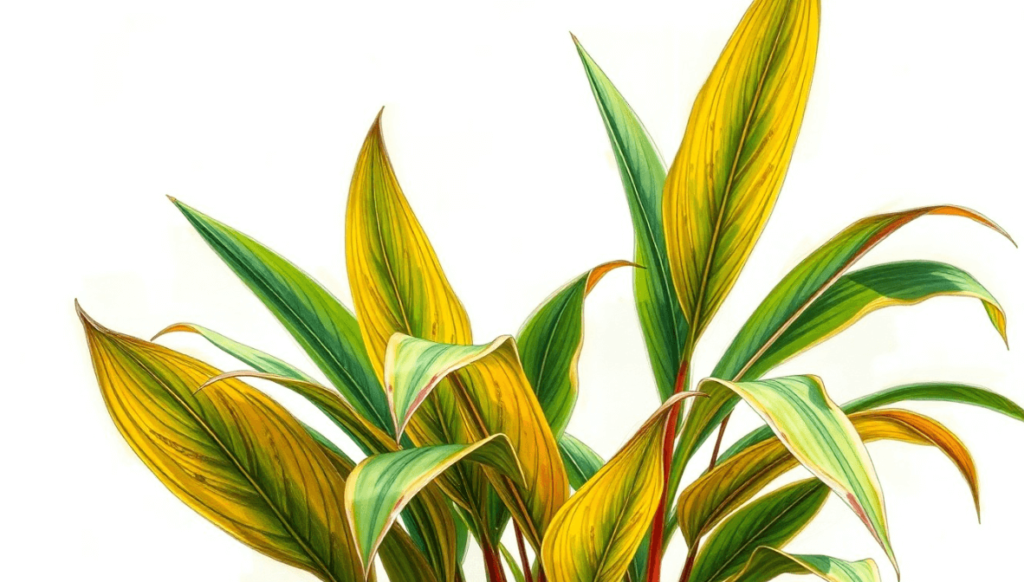
Then, you spot the symptoms: creeping chlorosis (yellowing) and necrosis (browning) on the leaf tips.
This leaf discoloration is one of the most common problems for mass cane species, but with some careful detective work, we can diagnose the underlying cause and restore your plant to its former glory.
Let’s walk through a systematic diagnosis why mass cane plant leaves turning yellow and brown, from the soil up, to understand what your plant is communicating.
1. The Critical Role of Water and Soil Moisture
More often than not, the primary culprit behind yellowing leaves is improper watering—either too much, too little, or poor water quality.
Mastering your watering routine is the first step to a healthy Dracaena!
1. The Perils of Overwatering and Root Rot
I’ve been there… In my early days of plant parenting, I thought more water equaled more love, leading to droopy, yellowing lower leaves.
Overwatering is the number one cause of distress in Mass Cane plants!
When the soil remains saturated, it cuts off oxygen, leading to root suffocation and creating the perfect anaerobic environment for fungal pathogens that cause root rot.
Decaying roots can no longer absorb water and nutrients, which ironically makes the leaves appear thirsty and malnourished.
Your Action Plan
– Before watering, assess the soil moisture. Push your finger about two inches deep; if the soil is damp, wait. Only water when it feels mostly dry.
– When you do water, do it thoroughly until water escapes the drainage holes, then discard the excess from the saucer.
– Let the top 50% of the soil dry out completely before watering again.
2. Underwatering and Crispy, Brown Edges
On the flip side, inconsistent or insufficient watering will also cause problems. Underwatering typically manifests as brown, crispy leaf tips and margins.
The leaves may also appear wilted or wrinkled as the plant lacks the necessary moisture to keep its large foliage hydrated.
3. Water Quality: The Hidden Issue of Tap Water
Dracaena species are notoriously sensitive to chemicals in municipal tap water, specifically fluoride, chlorine, and accumulated soluble salts.
This chemical sensitivity is a primary cause of leaf tip burn—the distinct, dark brown necrotic tips that are a common complaint.
Your Action Plan
This is an easy fix with a significant impact… To mitigate fluoride and chlorine toxicity, let your tap water sit in an open container for at least 24 hours to allow the chlorine to dissipate.
For the best results, switch to filtered, distilled, or collected rainwater.
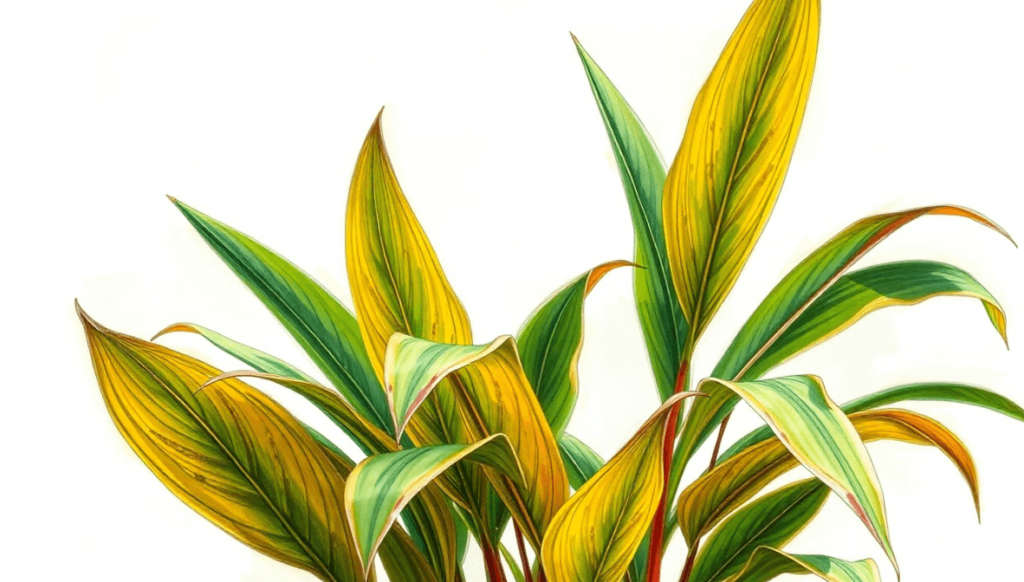
Identifying whether your leaves are yellowing from drought or drowning is step one, but the long-term fix is following the expert-led guide on how to water mass cane plant to ensure proper soil oxygenation.
2. Below the Surface: Root Health, Soil, and Acclimation
What happens beneath the soil dictates the health of the foliage above. A robust root system is the foundation of a thriving plant.
1. Diagnosing and Treating Root Rot
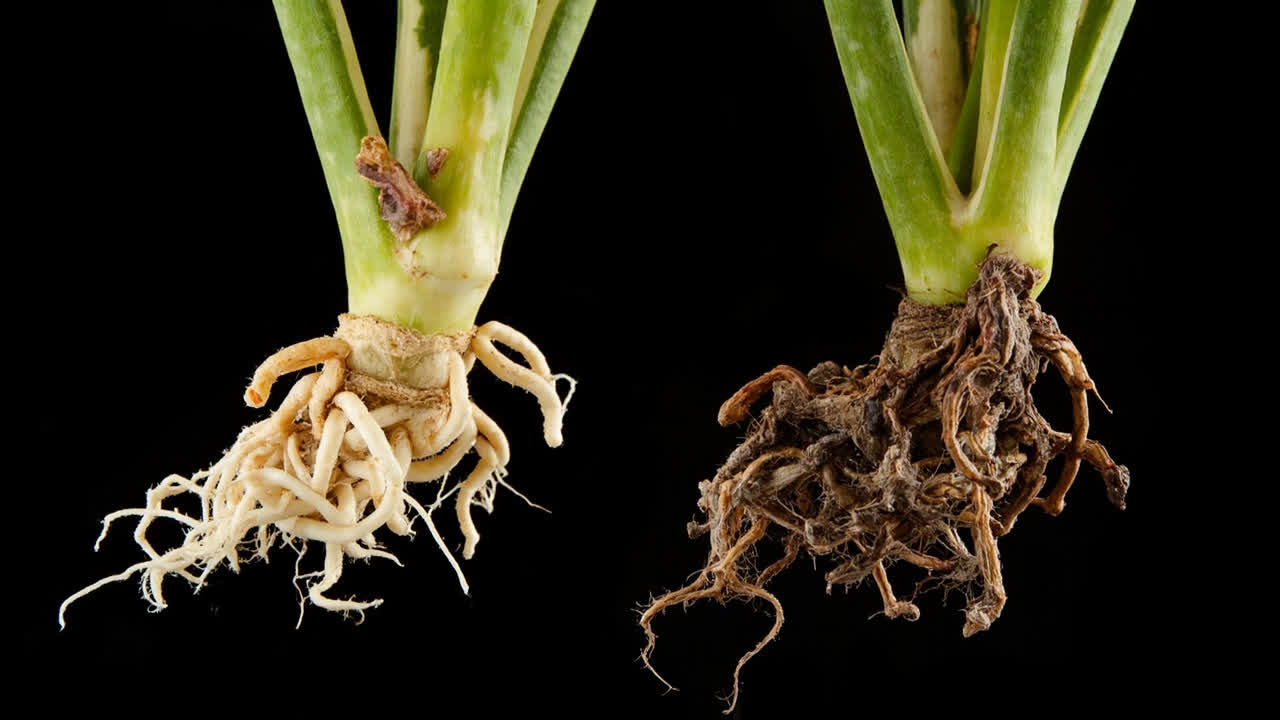
If overwatering has been a persistent issue, you may be dealing with root rot. A musty, swampy smell from the soil is a key indicator.
You must act fast!
Gently remove the plant from its pot and inspect the roots. Healthy roots are firm and whitish-tan; rotten roots will be brown, mushy, and may fall apart when touched.
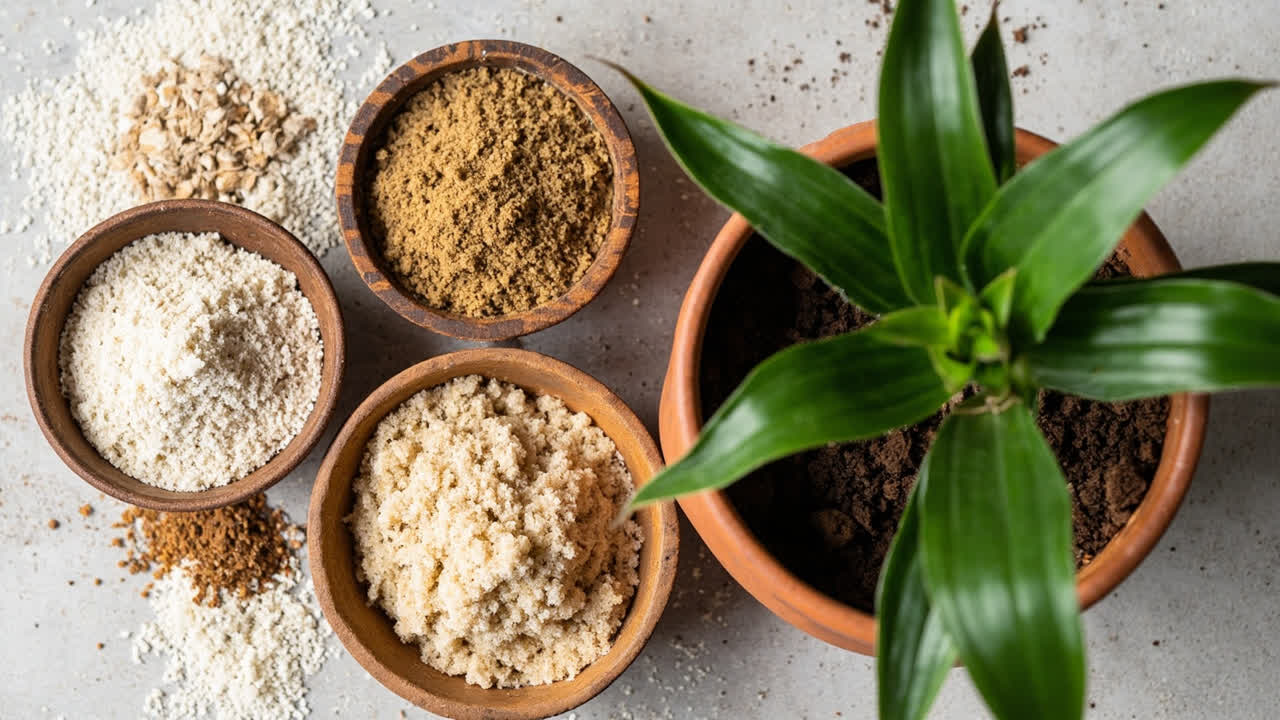
Using sterile scissors, trim away all affected parts and repot in a fresh, well-draining potting mix containing aerating components like perlite or pine bark.
2. Repotting Stress and Environmental Acclimation
A plant undergoing recent changes, such as repotting or a move to a new location, can experience transplant shock.
This acclimation period often causes temporary yellowing or leaf drop as the plant diverts energy to establish its roots in the new environment.
Ensure stable conditions with consistent light and temperature, and be patient as it adjusts.
3. Creating the Ideal Environment: Light, Temperature, and Humidity
Replicating the native tropical environment of the Mass Cane is key to its long-term health. It thrives in warmth, humidity, and filtered light.
1. Finding the Perfect Light Exposure
While tolerant of low-light conditions, Dracaena fragrans performs best in bright, indirect light.
- Too Little Light: In a dim corner, you’ll notice slowed growth and pale, washed-out yellow leaves as the plant struggles with photosynthesis.
- Too Much Light: Direct, intense sunlight will cause leaf scorch, appearing as pale, whitish-yellow patches or brown, burnt spots.
2. Temperature and Drafts: Avoiding Cold Stress
These tropical natives despise the cold, mass cane plants are happiest in a stable temperature range between 18°C and 27°C (65°F to 80°F).
Sudden temperature fluctuations or placement near a drafty window or an A/C vent can induce cold stress, causing leaf browning and abrupt leaf drop.
3. The Need for Ambient Humidity
Low humidity is another common reason for brown, crispy leaf edges.
If your indoor air is dry, especially during winter, boost the ambient moisture by misting the leaves, placing the plant on a pebble tray with water, or using a small humidifier.

4. Ruling Out Other Potential Issues
If water and environmental conditions seem correct, it’s time to investigate less common causes.
1. Nutrient Deficiency (Chlorosis)
A uniform, pale yellowing, particularly on newer leaves, can indicate a nutrient deficiency. A lack of essential macronutrients like nitrogen or micronutrients like iron can cause this type of chlorosis.
During the growing season (spring and summer), feed your plant every 4-6 weeks with a balanced liquid fertilizer formulated for houseplants.
2. Uninvited Guests: Pests and Diseases
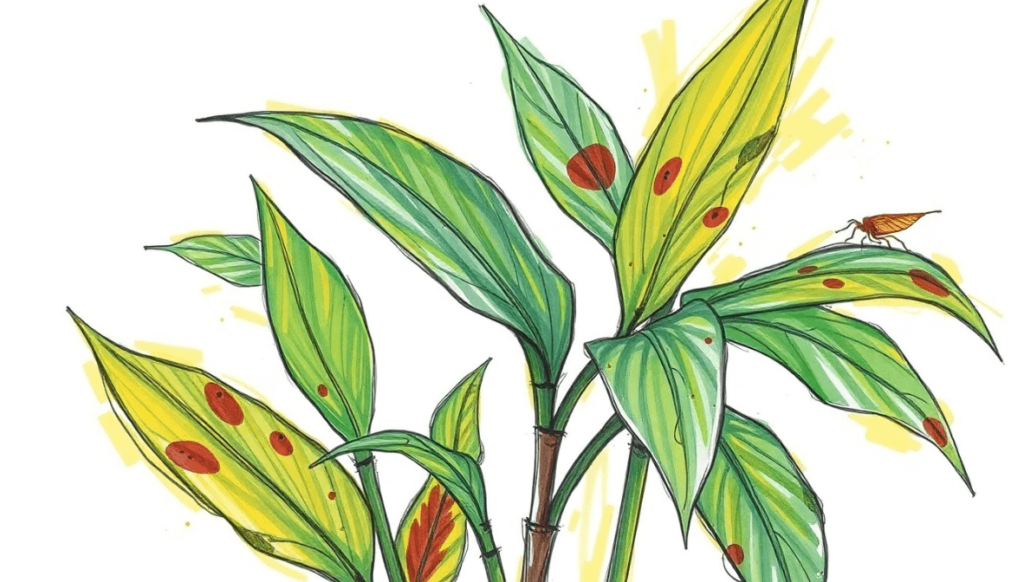
1. Pests
Inspect your plant closely for tiny invaders.
Spider mites create fine webbing and cause a stippled, dusty look on leaves. Mealybugs appear as small white, cottony masses. These pests feed on plant sap, leading to yellowing and leaf drop.
Treat them by wiping away pests with a rubbing alcohol-soaked cotton swab, followed by a thorough spray of neem oil or insecticidal soap. Repeat every 5-7 days to break their life cycle.
Learn more: get rid of bugs in houseplants
2. Fungal Leaf Spot
Diseases like Fusarium leaf spot can cause brown or reddish-brown spots, often surrounded by a yellow halo.
This typically occurs when foliage remains wet in an area with poor air circulation.
Always water the soil, not the leaves, to prevent this.
5. Natural Leaf Senescence: A Normal Process
Finally, take a deep breath… If you’ve ruled out other issues and only an occasional lower leaf is turning yellow and falling off, this is likely a normal process.
As a Mass Cane grows, it naturally sheds its oldest leaves to redirect energy to new growth at the top. This is called senescence.
As long as the top of the plant is producing healthy, vibrant new foliage, this is not a cause for alarm.
Yellow and Brown Leaves On Mass Cane Plants
By learning to read the specific signals of your plant—a yellow leaf, a brown tip—you become its partner in growth.
A little careful observation and a few targeted adjustments are all it takes to resolve these worrisome signs of mass cane plants leaves turning yellow and brown, and maintain the lush, green statement piece you love.
Read next: how to save a dying mass cane plant
Happy gardening!
From PDF to Excel in one click
Forget retyping line by line. Upload any bank statement, get a spreadsheet you can actually use. Your files are never stored, and you can test the converter with 3 free conversions.
Try it free