
As a plant enthusiast, you’re likely no stranger to the allure of the Mass Cane Plant. With its striking green leaves and yellow or cream stripes, it’s a popular choice for adding a touch of tropical elegance to any room.
But, it’s crucial to understand that this plant, despite its beauty and air-purifying benefits, is mass cane plant toxic to pets and human.
The Mass Cane Plant contains steroidal saponins, which are toxins that can be very dangerous to cats and dogs if consumed.
These saponins are the culprits behind the unpleasant symptoms your pets might experience if they decide to take a bite out of this seemingly harmless plant.
Imagine coming home to find that your curious cat or dog has decided to munch on the leaves of your Mass Cane Plant.
The signs of mass cane plant poisoning can be quite distressing: vomiting (which may contain blood), excessive drooling, diarrhea, depression, anorexia, and in cats, even dilated pupils.
About Mass Cane Plant
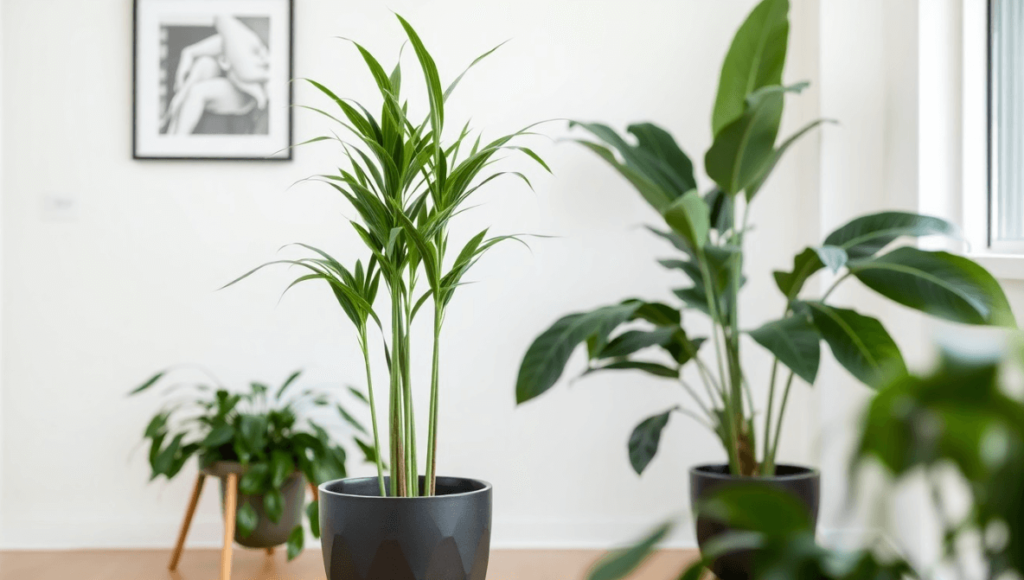
The Mass Cane Plant, also known as the Corn Plant, Cornstalk Plant, and Dragon Tree, is a beloved addition to many homes.
Mass cane plants scientific name, Dracaena fragrans ‘Massangeana’, is a member of the Asparagaceae family, native to the tropical regions of Africa.
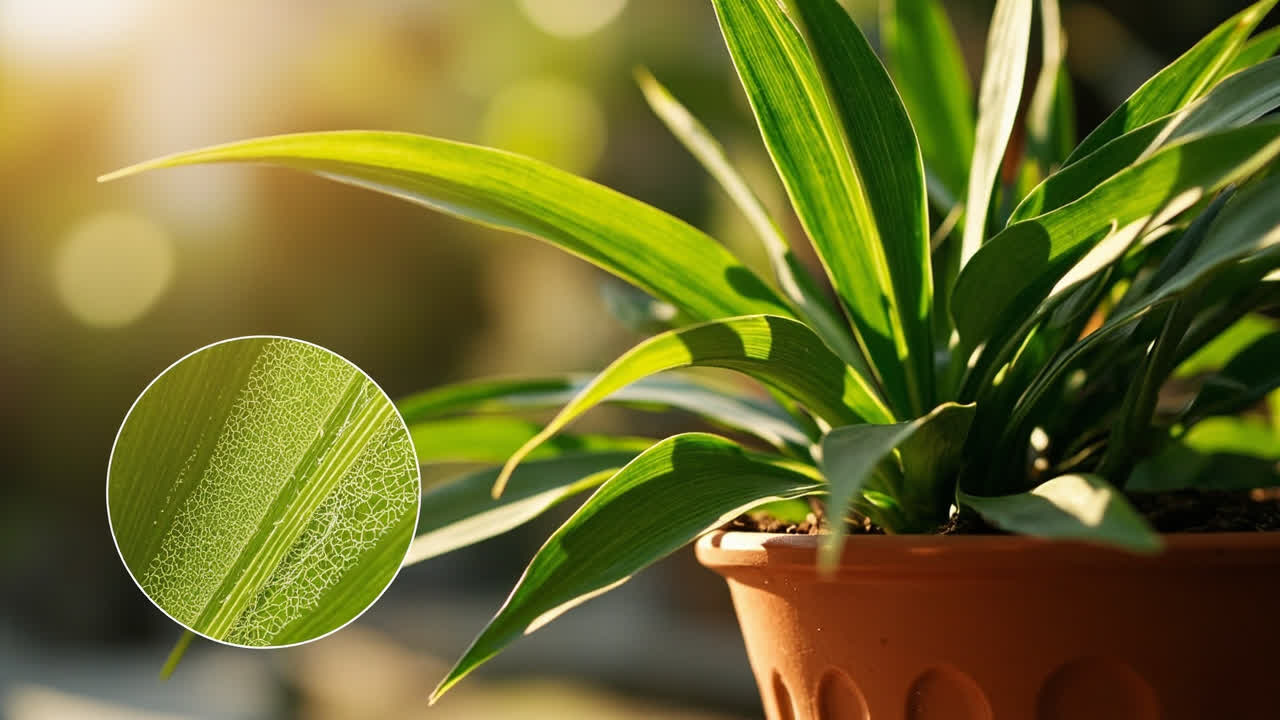
With its striking long green leaves and yellow or cream stripes, mass cane benefits not only a decorative marvel but also a functional one, thanks to its air-purifying prowess.
Aesthetic Appeal Meets Practicality
One of the most appealing aspects of the dracaena massangeana is its ability to clean the air.
It effectively removes harmful toxins like formaldehyde and benzene, making it a popular choice for home decor.
I remember a few years ago when I first introduced a Mass Cane to my living room. The difference in air quality was noticeable, and it added a touch of green luxury to my space.
A Low-Maintenance Marvel
This plant is trendy and remarkably low-maintenance, thriving with minimal care. It prefers bright but indirect sunlight and well-draining soil.
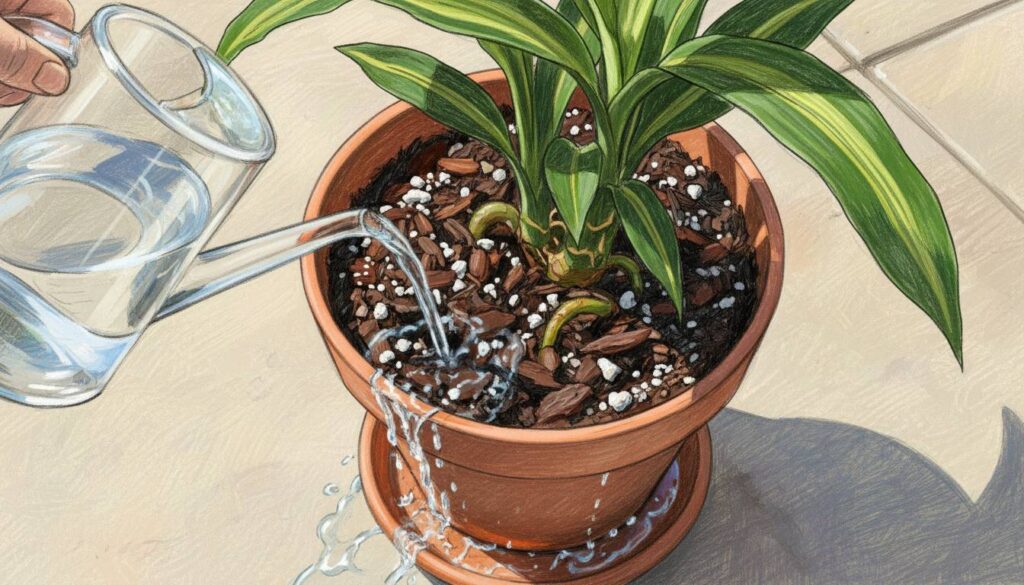
Overwatering is a common pitfall, so it’s essential to let the soil dry out between waterings to prevent root rot.
I once had a mass cane that developed brown leaf tips, and after some trial and error, I realized it was due to overwatering.
Adjusting my watering schedule solved the issue, and my plant thrived once again.
Mass Cane Plant Toxic: A Caution for Pet Owners and Parents
The Mass Cane Plant, though a popular and attractive houseplant, poses a toxicity risk for pets and children.
Containing saponin toxins, this dracaena plant can cause vomiting, excessive drooling, and lack of appetite in animals if ingested.
While generally non-toxic to humans, the plant can still lead to mild symptoms like stomach upset in children.
For instance, it is very toxic to rabbits and other small animals, potentially leading to severe health issues.
Ensuring the safety of your pets and family involves keeping this plant out of reach and understanding its potential dangers.
To prevent any mishaps, consulting a veterinary professional or pet specialist is recommended.
They can offer tailored advice on plant safety and suggest non-toxic alternatives better suited for homes with small, light pets.
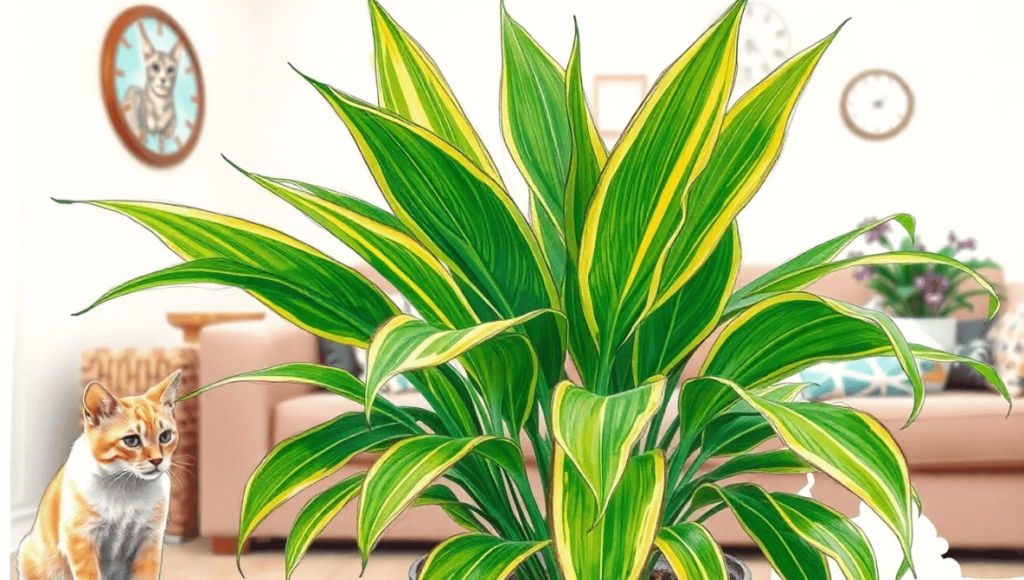
Mass Cane Plant Toxic to Pets
While the Mass Cane Plant is a beautiful and functional addition to your home, it comes with a toxicity warning for pets.
Mass cane plant is toxic to cats and dogs if consumed because it contains saponin toxins.
These toxins can cause vomiting, excessive salivation, lack of appetite, and in more severe cases, depression and anorexia.
If you have parrots or other pet birds, they are also at risk of this poison!
Pet Safety and Professional Guidance
Mass cane plants is very toxic to rabbits and other small animals, making it crucial for pet owners to be cautious about plant placement.
Consulting a veterinary professional or a pet specialist can provide insights into creating a safe environment for your pets while enjoying your Mass Cane Plant.
Their guidance can help in identifying potential hazards, answers your questios, and recommending rights and safer alternatives for homes with vulnerable pets.
A few years ago, a friend of mine had a parrot that accidentally ate on a Mass Cane leaf. The bird started drooling and showed signs of vomiting.
My friend immediately took the bird to a veterinarian, who provided the necessary treatment.
The bird recovered, but it was a wake-up call for all of us to be more vigilant about plant safety in homes with animal.
Mass Cane Plants to Human Toxicity: Mild Poison but Not Ignore-Worthy
The mass cane plant is generally non-toxic to humans. However, if ingested, it can cause mild symptoms such as stomach upset, drooling, or diarrhea, especially in children.
It’s a good practice to keep the plant out of reach of children and educate them about the importance of not eating plants.
If you suspect that a child has ingested parts of the Mass Cane Plant, seek medical attention if severe symptoms occur.
Expert Insights and Practical Advice
To ensure the health and well-being of both your plants and pets, here are some practical tips and expert info for add mass cane plants in your home:
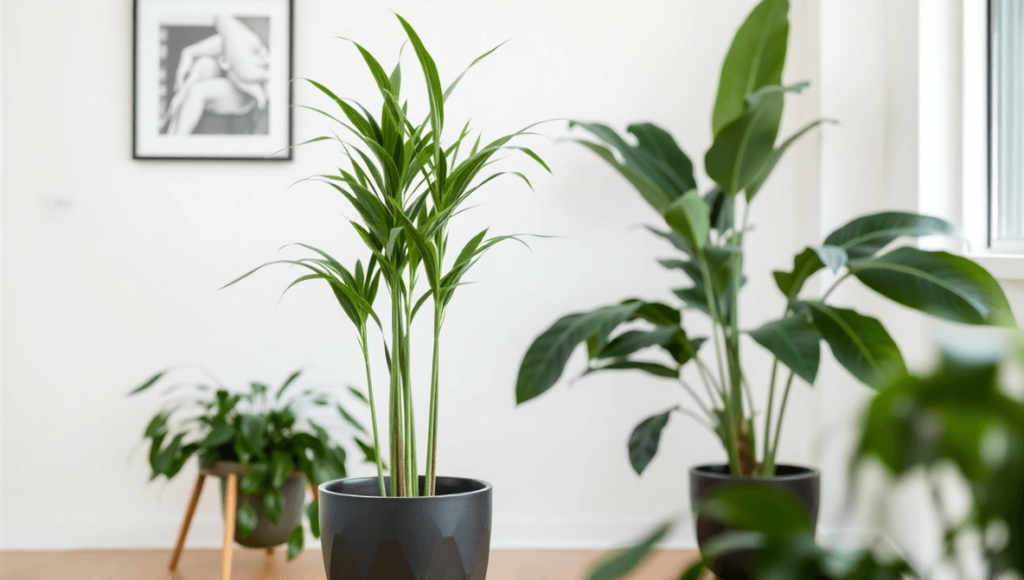
- Placement: Place the Mass Cane Plant in a area where it’s unlikely to be disturbed by pets or children. High shelves or hanging planters can be an excellent solution.
- Monitoring: Regularly monitor the plant for any signs of browning leaf tips or yellowing leaves, which can indicate overwatering or nutrient buildup. Adjust your care routine accordingly.
- Education: Educate family members and guests about the toxicity of the Mass Cane Plant to pets and children. Awareness is key to preventing accidental ingestion.
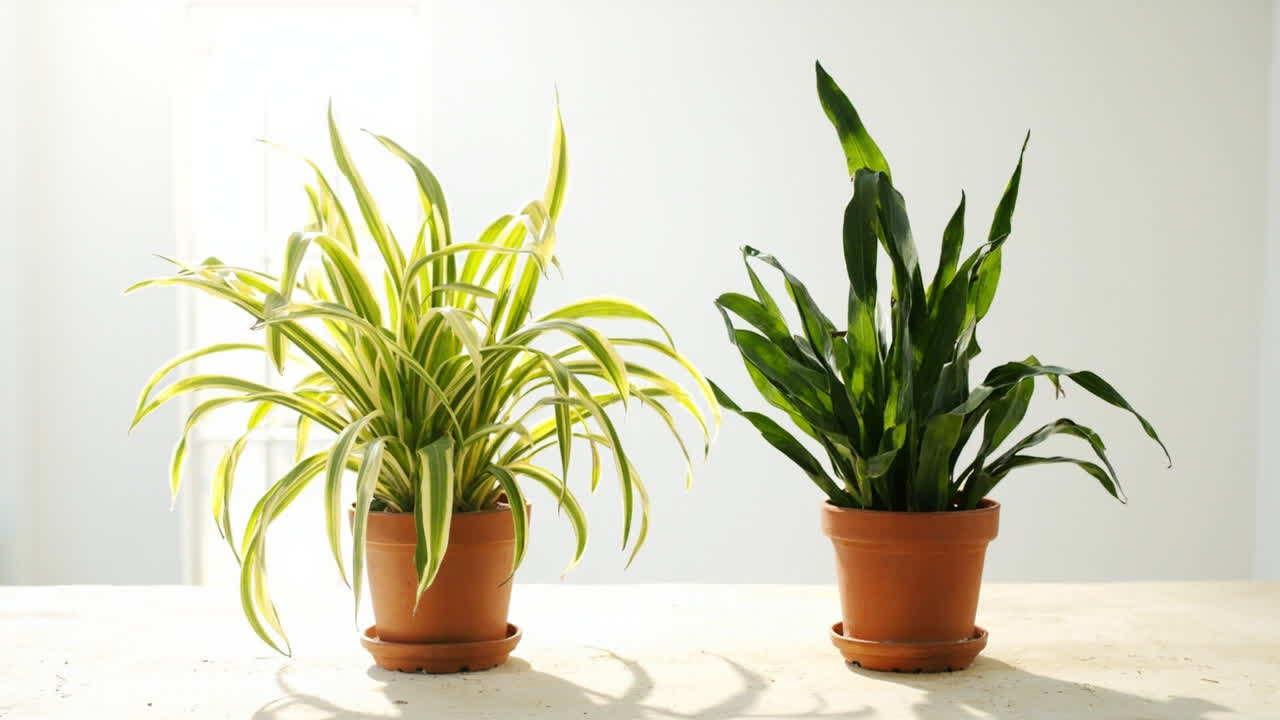
- Pet-Friendly Alternatives: If you’re a pet owner and are concerned about the toxicity of the Mass Cane Plant, consider non-toxic alternatives like spider plants or palm trees.
Dracaena Mass Cane Plant: A Toxic Beauty for Your Home Gardening
The Mass Cane Plant is a beautiful and functional addition to any home, but it’s important to be mindful of mass cane plants toxicity to pets.
By taking simple precautions and understanding the plant’s care requirements, you can enjoy its aesthetic and air-purifying benefits without compromising the safety of your pet family members.
So, the next time you consider adding a Mass Cane to your home, remember the balance between beauty and safety.
After all, our homes should be a place of comfort and beauty, but also a place where everyone, including our furry friends, feels safe and happy.
Happy gardening! 🌿
Turn That PDF Into a Spreadsheet in Minutes
You've seen how to do it manually — now let the tool handle the heavy lifting. Upload your bank statement and get Excel, CSV, or QBO in a few clicks.
Try It Free