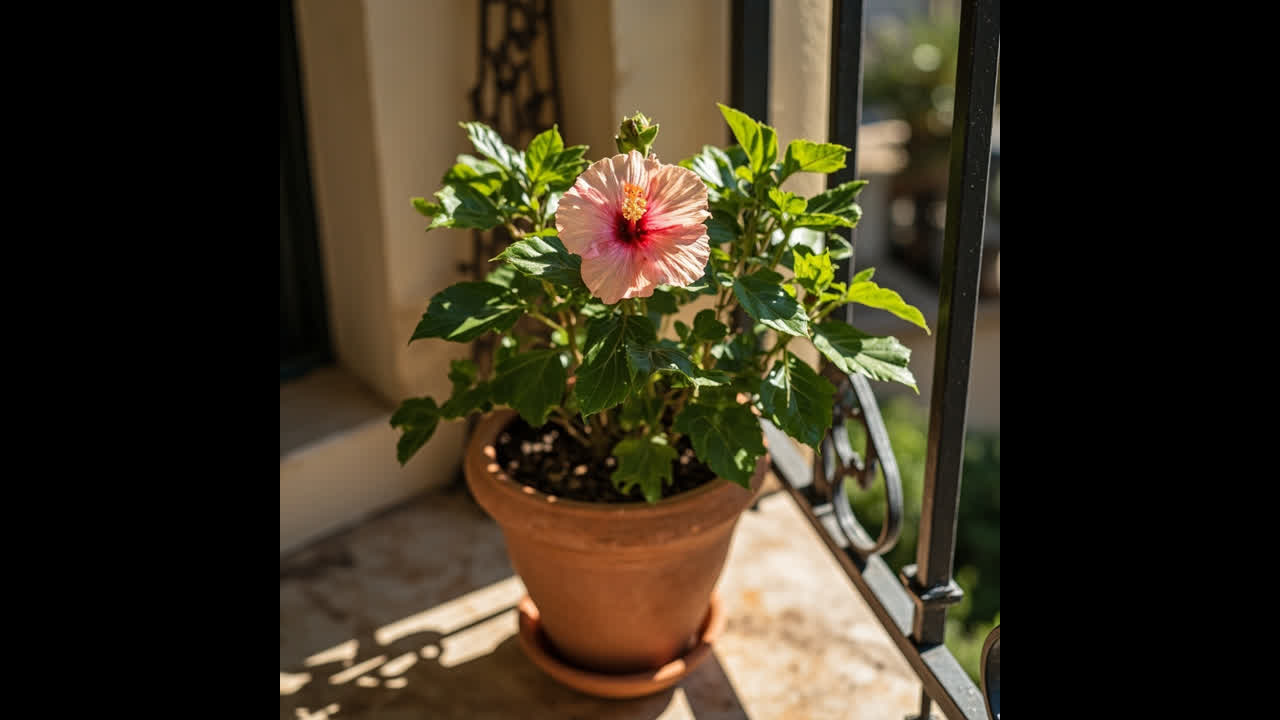
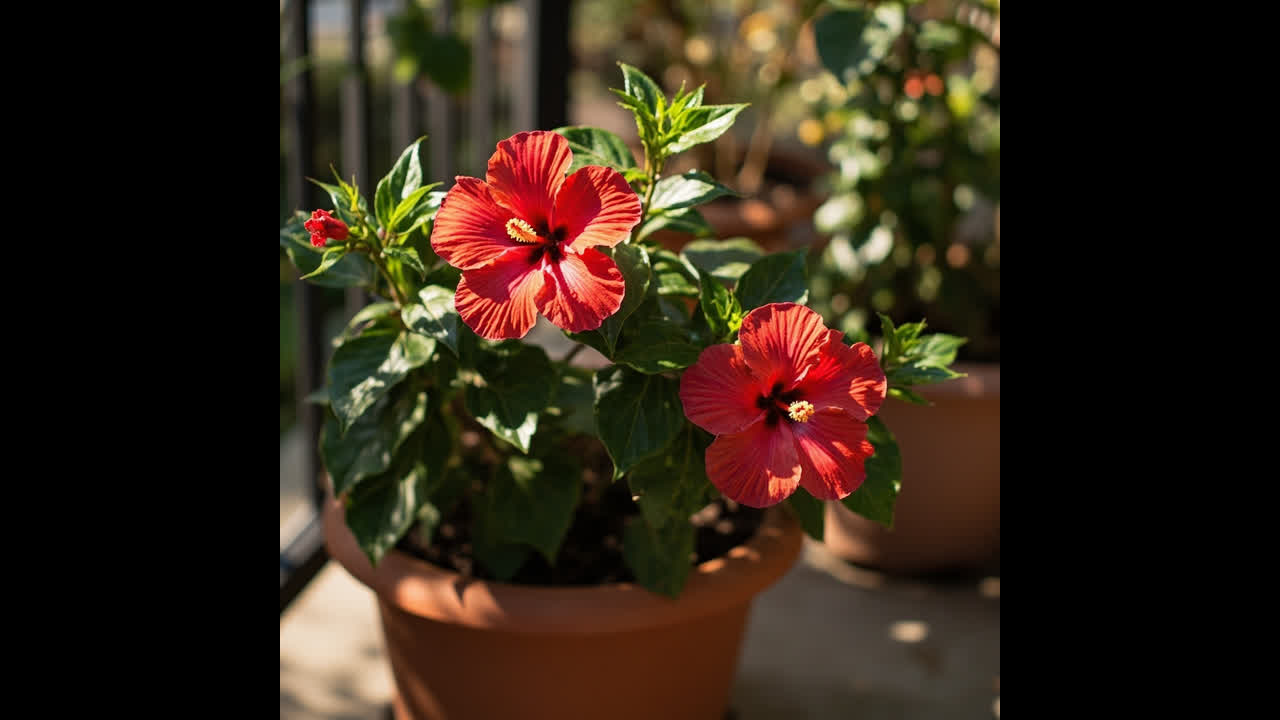
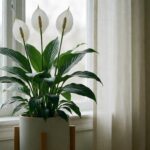
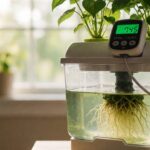
Your hibiscus is dropping leaves. Not the occasional old leaf at the base — a noticeable, concerning loss of foliage from all over the plant. The leaves may be yellowing first, or they may be dropping green. Either way, the plant looks stripped and you are worried something is seriously wrong.
Leaf drop in hibiscus has multiple causes, and they do not look the same from the outside. The trick is knowing what to look for — here is the full breakdown.
Cause 1: Overwatering
Overwatering is the most common reason hibiscus drops leaves. The plant needs consistently moist soil, not saturated soil. When the roots sit in waterlogged conditions for extended periods — especially in cool weather — they begin to rot. As root function declines, the plant cuts off water supply to lower-priority leaves and they yellow and fall.
The telltale sign of overwatering leaf drop: the soil is consistently wet or damp even when you have not watered recently, and the lower leaves yellow before they drop. You may also notice leaf drop happening across the whole plant more or less simultaneously.
The fix: allow the top 2–3 cm of soil to dry between waterings. In cool weather or indoors in low light, hibiscus uses far less water — reduce frequency accordingly. If the pot has no drainage holes or poor drainage, fix that immediately. For a plant already showing root rot symptoms (mushy stems at the base, sour soil smell), treat for root rot rather than just adjusting water.
Cause 2: Underwatering
Underwatering causes leaf drop too, though the signs are different. The leaves dry out at the edges first — they go crispy and brown at the margins, then the whole leaf yellows and falls. The soil feels bone dry to the touch, and the plant may look generally wilted.
This is common in summer when container hibiscus on a hot patio needs water daily, or when a grower goes away for a few days and the plant dries out completely.
The fix: give the plant a thorough watering — water until it flows from the drainage holes at the base. If the soil has dried to the point of pulling away from the pot edges, you may need to water in stages: water lightly, wait 30 minutes, water again. This gives the soil time to rehydrate rather than running straight through a cracked root ball. After a thorough soak, return to a regular watering schedule and the plant should stop dropping leaves within a week.
Cause 3: Temperature Shock
Hibiscus is tropical — it reacts badly to sudden cold. A single cold night, an air conditioning draft, or moving the plant from a warm indoors to a cold outdoor position can trigger rapid leaf drop. The plant suddenly sheds leaves that were apparently fine the day before.
The pattern here: leaf drop follows a specific event — a cold night, moving the plant, a draft from an open door in autumn. The leaves often drop green without yellowing first. New leaves may also stop emerging while the plant is stressed.
If you have brought a hibiscus indoors for winter, expect some leaf drop from acclimatization stress — this is normal and not a sign of a serious problem. The plant is adjusting to lower light and different humidity.
The fix: move the plant away from cold drafts, air conditioning vents, and cold windows. Keep the temperature as stable as possible in the 60–85°F (15–29°C) range. Protect from temperatures below 50°F (10°C). Within two to three weeks in stable conditions, the plant should stop dropping leaves and resume normal growth.
Cause 4: Root Rot
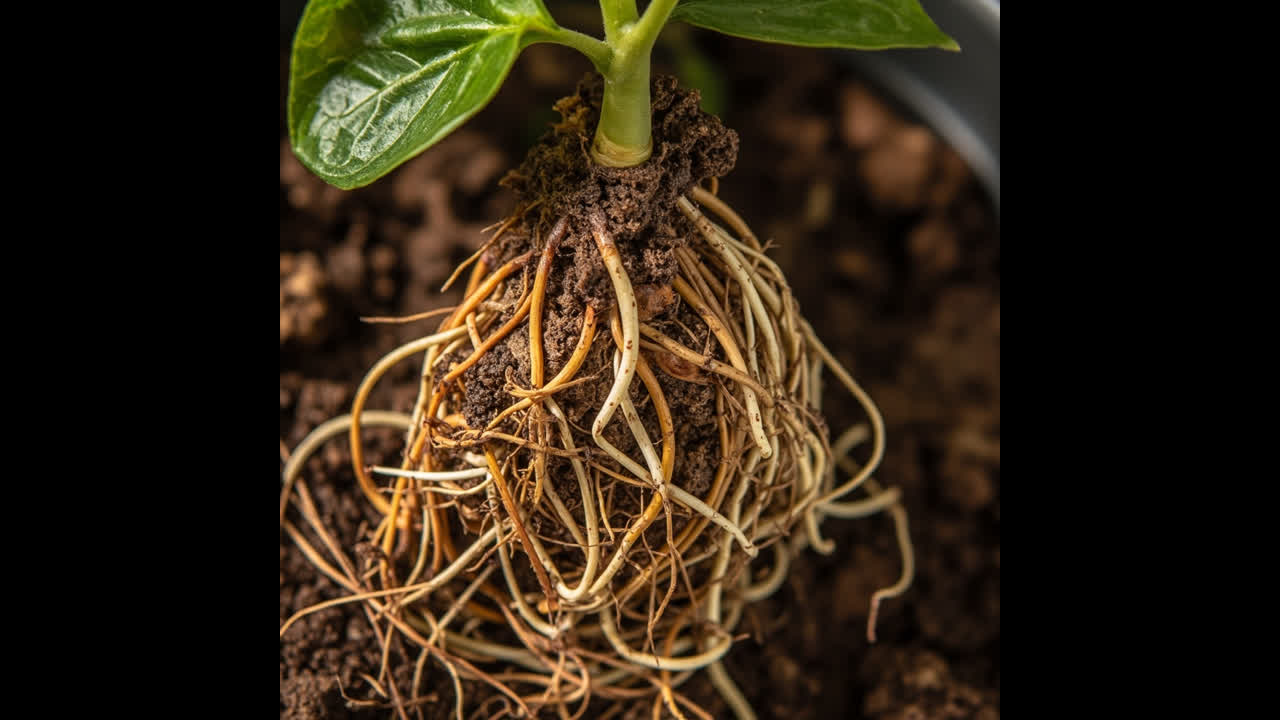
Root rot is a more serious version of the overwatering problem. As the fungus destroys the root system, the plant cannot absorb water or nutrients, and leaf drop follows. Unlike simple overwatering, root rot often causes leaf drop that accelerates despite you reducing watering — the plant continues to decline because the roots are damaged, not just wet.
Additional symptoms to watch for: stems darkening or softening at the base, soil that stays perpetually damp no matter how little you water, a sour or musty smell from the soil, and leaf drop that starts in the lower portion of the plant and works upward.
For a full diagnosis and recovery plan, see our guide to hibiscus root rot. If the roots are badly damaged, the plant needs more than just adjusted watering — it needs root trimming, fungicide treatment, and repotting in fresh soil.
Cause 5: Pest Infestation
Spider mites and thrips cause leaf drop by draining sap and damaging leaf tissue. The leaves may show fine stippling (tiny pale dots), yellowing, or fine webbing on the underside before they fall. With thrips, you may see elongated silver scars on the leaves.
Pest-related leaf drop typically starts on one section of the plant and spreads, rather than across the whole plant at once. Inspect the undersides of leaves closely — spider mites are microscopic and often missed until the damage is severe.
The fix: isolate the affected plant, spray with insecticidal soap or neem oil, and repeat every five to seven days for three weeks. For spider mites especially, increasing humidity around the plant (misting, pebble tray) helps deter re-infestation. See our pest identification guide for hibiscus for detailed treatment steps.
Cause 6: Nutrient Deficiency
A hibiscus that is not getting enough of its key nutrients — particularly iron, magnesium, and nitrogen — will drop leaves as part of a general decline. The leaf drop is usually accompanied by widespread yellowing (nitrogen deficiency) or interveinal chlorosis where the leaves yellow between the veins but stay green along the veins (iron or magnesium deficiency).
This is most common in container hibiscus that has not been fertilized in a long time, or in plants that have been in the same soil for more than a year without repotting or补肥.
The fix: apply a balanced liquid fertilizer (10-10-10) at half strength. Within two to three weeks, the plant should show improvement — new leaf growth at the tips, cessation of yellowing and drop. For more targeted deficiency correction, see our hibiscus care guide for fertilizer recommendations.
Cause 7: Acclimatization Stress in New Plants
If you recently brought a new hibiscus home — from a nursery, garden centre, or online delivery — some leaf drop in the first two to four weeks is normal. The plant has been in a different environment with controlled temperature, humidity, and light. Your home conditions are different, and the plant is adjusting.
This kind of stress leaf drop looks alarming but is usually temporary. The plant drops some leaves (often yellowing ones) while redirecting energy to establishing new roots in the new soil. It should settle within a month.
The fix: give the new plant its best conditions — bright light, consistent (not excessive) watering, no drafts. Do not fertilize for the first month while the plant focuses on root establishment. Do not repot a new plant immediately — wait at least a month unless it is clearly root bound.
Diagnosing Which Cause Is Affecting Your Plant
Work through these questions to narrow it down:
- Is the soil wet or dry when you check it? Wet → overwatering or root rot. Dry → underwatering.
- Did the leaf drop follow a cold night, moving the plant, or turning on air conditioning? Yes → temperature shock.
- Are the leaves showing spots, stippling, or webbing before they fall? Yes → pest damage.
- Are leaves yellowing across the whole plant including new growth? Yes → nutrient deficiency.
- Did you recently bring a new plant home? Yes → acclimatization stress.
Multiple causes can apply simultaneously — a plant that is overwatered is also more susceptible to pest infestations and nutrient deficiencies. Address the most urgent problem first (root rot or pest infestation take priority over nutrient deficiency), then work through the others.
For the complete recovery process when the plant is struggling, see our guide to saving a struggling hibiscus.
Read also: Houseplant Leaf Drop: How to Read the Leaf That Fell if the leaves on the floor are your problem, not the leaf still attached.
Turn any PDF statement into a clean sheet
Skip the typos and the hours of copying. Our converter handles any bank statement format and outputs Excel, CSV, or QBO for QuickBooks. No file retention, free to try.