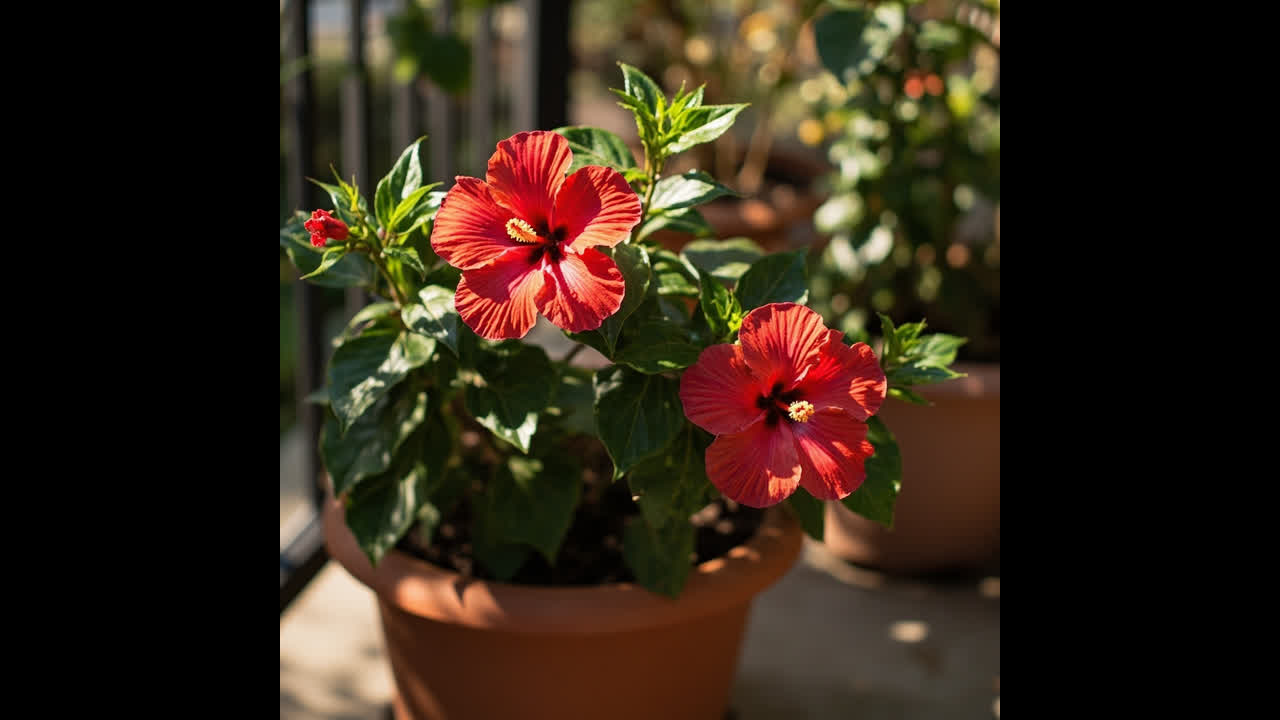
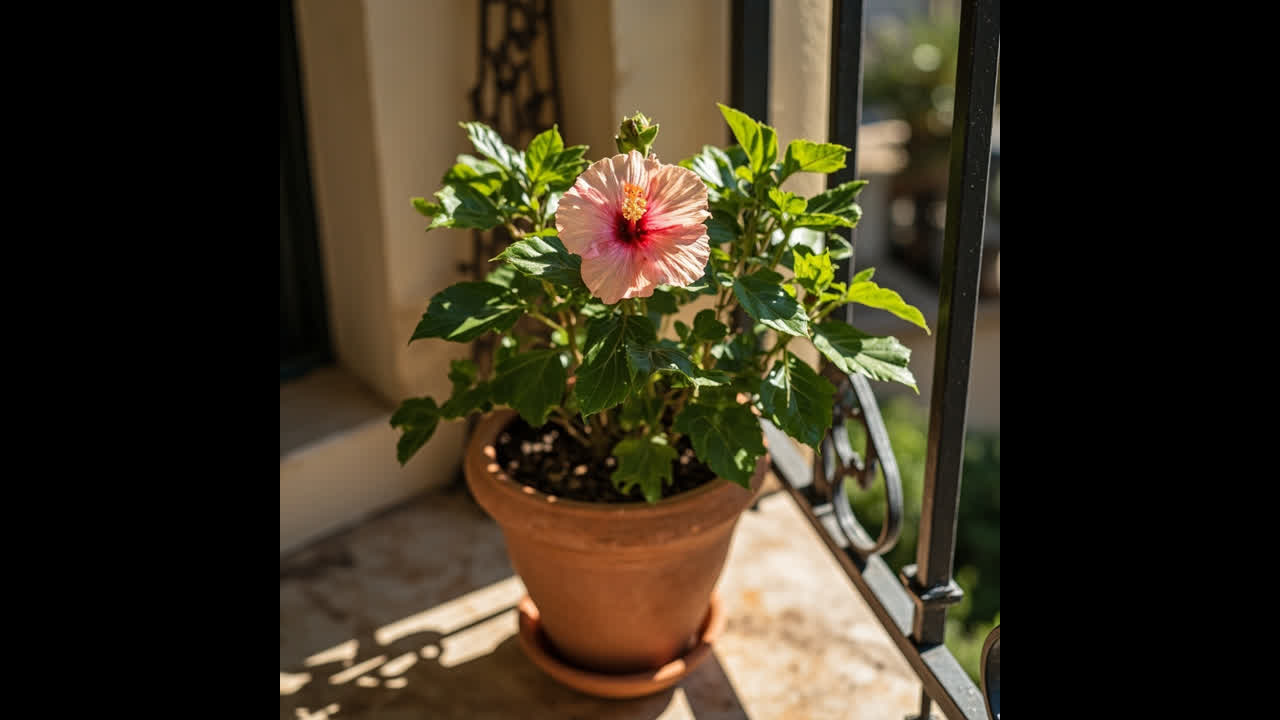
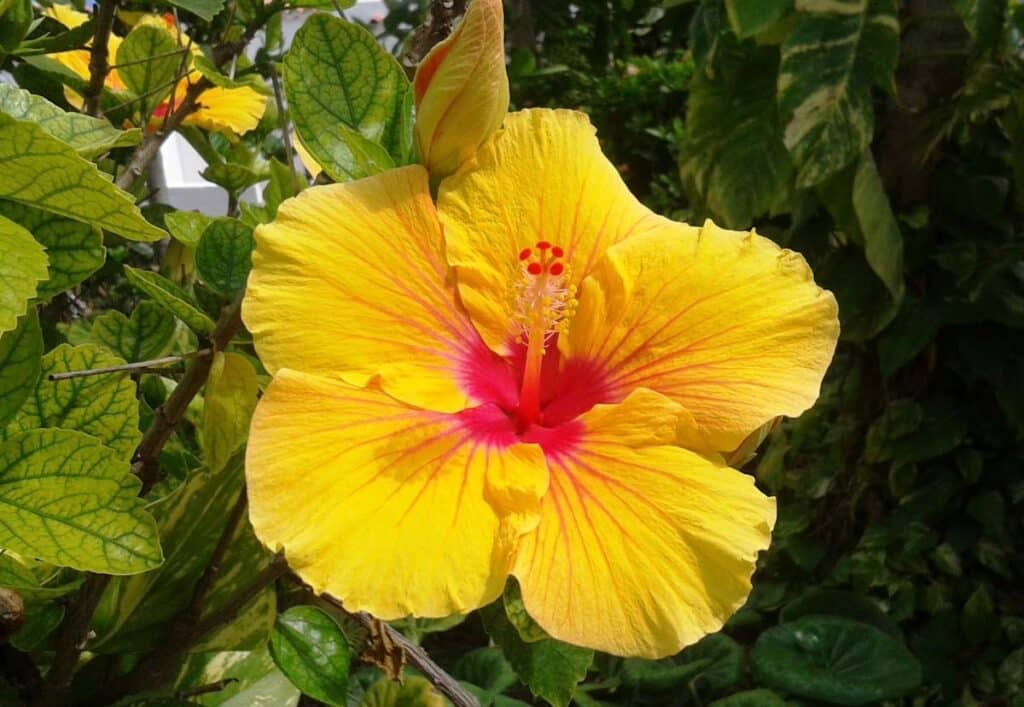
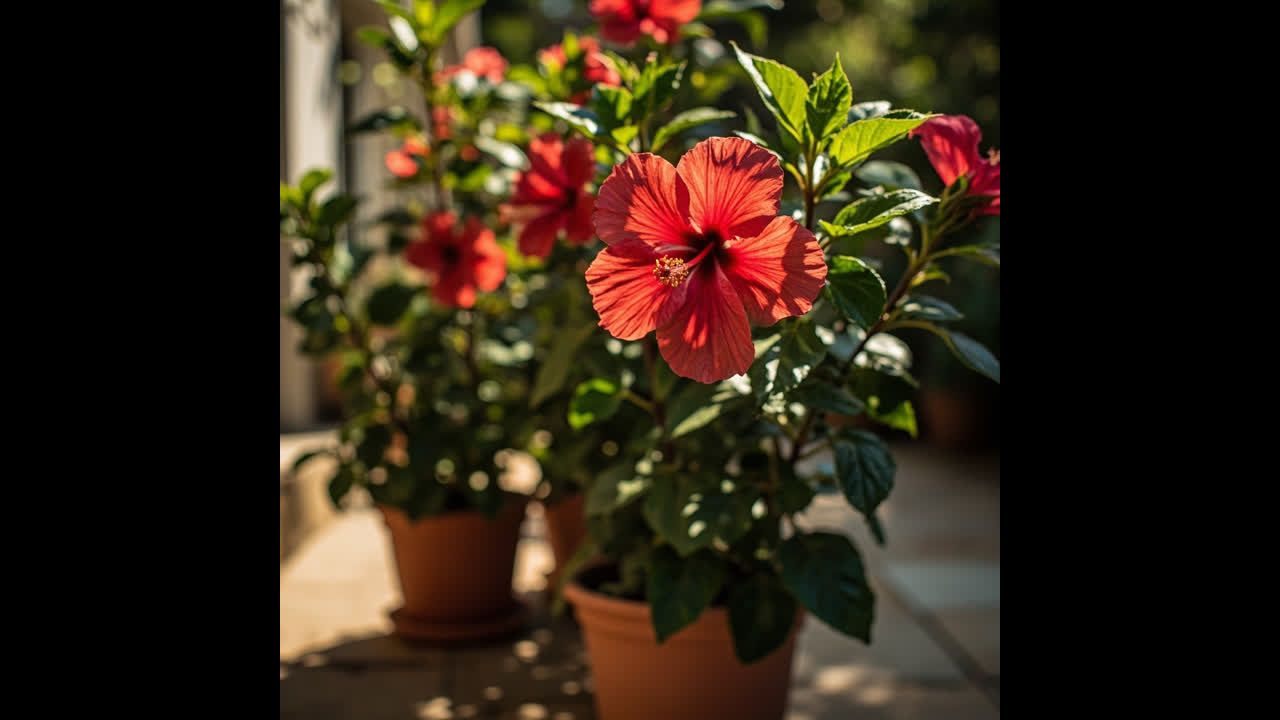
Your Hibiscus rosa-sinensis — commonly called the Chinese hibiscus — is one of the most rewarding plants you can grow. When it is happy, it produces vivid, papery blooms in reds, oranges, yellows, pinks, and whites that feel almost tropical by definition. Getting it to that point means understanding what it actually needs: this is a plant that grew up in warm, wet, full-sun environments, and it carries those preferences into every garden, balcony, and windowsill it occupies.
This guide covers everything you need to grow a healthy hibiscus: the light it craves, how and when to water it, what soil keeps it thriving, a fertilizing schedule that actually produces blooms, temperature tolerances, pruning basics, and the pest pressures to watch for. Bookmark this page — you will reference it often.
Light: Full Sun Is Non-Negotiable
Hibiscus needs at minimum six hours of direct sunlight per day to grow well and bloom prolifically. This is not a plant that tolerates part-shade gracefully — it adapts by slowing growth, dropping leaves, and refusing to set flower buds.
Outdoors, the ideal position is a south or west-facing spot that receives unobstructed sun from mid-morning through afternoon. If you are growing hibiscus on a balcony, check that adjacent buildings or overhangs are not blocking light for significant portions of the day.
Indoors, a hibiscus becomes a windowsill plant. A south-facing window with several hours of direct sun is the bare minimum. East or west-facing windows usually do not deliver enough intensity — you will see the plant lean toward the light, stretch its stems, and produce small, pale leaves. If your only option is a north-facing window, the hibiscus will survive but it will not thrive.
What happens if light is too low? The first signs are long spacing between leaf nodes (the plant is reaching for light), pale or yellowish leaves, and zero flower buds. The plant looks alive but perpetually sparse. The fix is simple: move it to the brightest spot you have.
Water: Consistent Moisture, Never Waterlogged
Hibiscus drinks a lot, especially in warm weather. The goal is consistently moist soil — damp to the touch, not soggy. In practice, this means watering when the top 2–3 cm of soil feels dry to the finger test. In summer on a sunny patio, that might be every day. In a cool indoor position, it might be every three to four days.
To check: push your finger into the soil up to the second knuckle. If it feels dry at that depth, water. If it still feels moist, wait another day and check again.
The most common watering mistake is watering little and often — a splash each day that only wets the surface. This encourages shallow root growth. When you water, water thoroughly: pour until you see drainage from the base of the pot, then stop. This encourages roots to grow downward, which makes the plant more resilient overall.
In hot weather, a hibiscus in a dark-coloured pot on a sunny patio can wilt by mid-afternoon even when the soil is moist — this is normal and usually resolves by evening as temperatures drop. If leaves do not recover by morning, the plant is genuinely underwatered and needs a thorough soak.
Soil: Well-Draining and Slightly Acidic
Hibiscus prefers a slightly acidic to neutral soil pH of 6.0–7.0. Outside that range, the plant struggles to access certain nutrients even when they are present in the soil.
The ideal mix is a well-draining, all-purpose potting mix — not heavy garden soil. If you are growing in a container, add perlite (about 20% of the mix) to improve drainage and prevent the mix from compacting. Compacted, heavy soil stays wet for too long after watering and is one of the leading causes of root rot in container hibiscus.
If your soil is too alkaline — above pH 7.5 — hibiscus leaves may develop chlorosis, showing as pale yellow leaves with green veins. This is a pH lock: iron and manganese become inaccessible to the plant even when you fertilize. You can correct this with a soil acidifier or by using an acidic fertilizer formulated for acid-loving plants.
For in-ground hibiscus in alkaline soil regions, work compost into the planting hole to improve moisture retention and slightly acidify the root zone over time.
Fertilizing: Feed for Growth, Then for Blooms
Hibiscus is a heavy feeder during the growing season. A consistent fertilizing schedule makes the difference between a plant with lush foliage and no flowers, and one that is covered in blooms.
Use a balanced granular or liquid fertilizer (10-10-10 or similar) every two to four weeks from early spring through late summer. The three numbers represent nitrogen (N), phosphorus (P), and potassium (K) in that order:
- Nitrogen (N) drives leaf growth and green colour — needed in early spring to build the plant’s structure.
- Phosphorus (P) supports root development and flower bud formation — increase this relative to nitrogen when you want more blooms.
- Potassium (K) strengthens overall plant health, disease resistance, and bloom quality.
Once your hibiscus is established and showing good leaf growth, switch to a bloom-boosted formula (higher middle number, e.g., 10-30-20) to encourage flower production. If your plant has lush green leaves but no flowers, the fertilizer is too nitrogen-heavy — switch to a lower-nitrogen, higher-phosphorus formula.
Do not fertilize in late autumn and winter when the plant slows down or goes dormant. Fertilizing a resting plant burns roots.
Temperature: Keep It Warm
As a tropical plant, Hibiscus rosa-sinensis is frost-sensitive. It thrives in temperatures of 60–90°F (15–32°C). Below 50°F (10°C), the plant begins to stress — leaf drop, bud drop, and discolouration become likely. A hard frost will kill it.
If you live in USDA zones 9–11, your hibiscus can stay outdoors year-round. In cooler climates (zones 4–8), hibiscus is typically grown in containers that spend summer outdoors and winter indoors.
Indoors, keep hibiscus away from cold drafts — patio doors, drafty windows, and air conditioning vents all cause temperature fluctuations that stress the plant. A steady room temperature of 65–75°F (18–24°C) is ideal.
Indoor humidity can drop significantly in winter when heating is running. If the air is very dry, the leaf edges may brown. Boost humidity by placing the pot on a pebble tray filled with water (pot sits on the pebbles, not in the water), or by misting the leaves occasionally. Low humidity does not kill hibiscus but it makes it more susceptible to spider mite infestations.
Pruning: Shape and Trigger New Blooms
Pruning hibiscus serves two purposes: it controls shape and size, and it stimulates new growth that produces flowers. Hibiscus blooms on new growth — every mature branch produces a bud. Pruning creates the conditions for more branches, and therefore more blooms.
The main prune should happen in late winter or early spring before active growth resumes. Remove leggy stems, dead wood, and any crossing branches. Cut just above a node (a point where a leaf joins the stem) — new growth will emerge from that point.
Throughout the growing season, you can do light maintenance pruning any time: pinch or snip the tips of long branches to encourage branching. This is especially useful after a bloom cycle when the plant has gotten straggly.
Be aware that hard pruning after a long period of inactivity can result in a few weeks of bare, leafless stems before new growth emerges. This is normal — the plant is redirecting energy to new growth points.
For detailed step-by-step pruning instructions, see our guide to pruning hibiscus properly.
Pests: Aphids, Whiteflies, and Spider Mites
Hibiscus attracts certain pests more than others. The three most common are aphids (tiny sap-sucking insects on new growth and bud stems), whiteflies (tiny white insects that fly up in a cloud when the plant is disturbed), and spider mites (microscopic mites that create fine webbing on leaf undersides, especially in dry indoor conditions).
Regular inspection is the best defence. Check the undersides of leaves and new growth every week. Catching a pest outbreak early makes treatment much simpler — a strong jet of water to dislodge aphids, insecticidal soap for whiteflies and spider mites, or neem oil as a broader organic option.
For a full breakdown of what to look for and how to treat each pest, see our pest identification guide for hibiscus.
Saving a Struggling Hibiscus
If your hibiscus is dropping leaves, looking bare, or refusing to bloom, do not panic. Hibiscus is resilient and responds well to corrected care. Work through the basics: check the light, check the watering (are you overwatering or underwatering?), check the soil drainage, and rule out pests.
For a complete recovery plan including when to repot, how to trim damaged roots, and what to expect during recovery, see our guide to saving a struggling hibiscus plant.
Indoor vs Outdoor: The Practical Summary
Outdoors in warm climates (zones 9–11), hibiscus behaves as a landscape shrub: set it in full sun, in well-draining soil, water regularly, and feed monthly during growing season. It blooms almost continuously in the right conditions.
Indoors or in containers in cooler climates, hibiscus becomes a high-maintenance windowsill plant. It needs the most sunlight you can give it, consistent watering, and regular fertilizing. It will likely bloom less prolifically than outdoors, but a well-cared-for indoor hibiscus can still produce flowers year-round with enough light.
If you are in a cold climate and want to grow hibiscus outdoors in summer, bring the plant outside after all frost risk has passed (late spring), give it a gradual hardening-off period of about a week so it adjusts to direct sun and outdoor temperatures, then move it back indoors before the first autumn frost.
For more on container-specific growing including drainage, overwintering, and fertilizing adjustments, see our guide to growing hibiscus in containers.
Turn PDF Bank Statements Into Workable Spreadsheets
Your bank statement is a mess of numbers, but your books shouldn't be. Use our converter to get Excel, CSV, or QBO files — ready for QuickBooks.
Try It Free Now