Of all the questions hibiscus growers ask, watering frequency is the hardest to answer with a simple schedule — because the right frequency depends on temperature, humidity, pot size, container material, soil mix, and the season. A rigid weekly watering schedule works in one climate and fails completely in another. Understanding the underlying principle — and knowing how to read your plant’s needs — is what makes the difference.
The Core Principle: Water When the Soil Is Dry
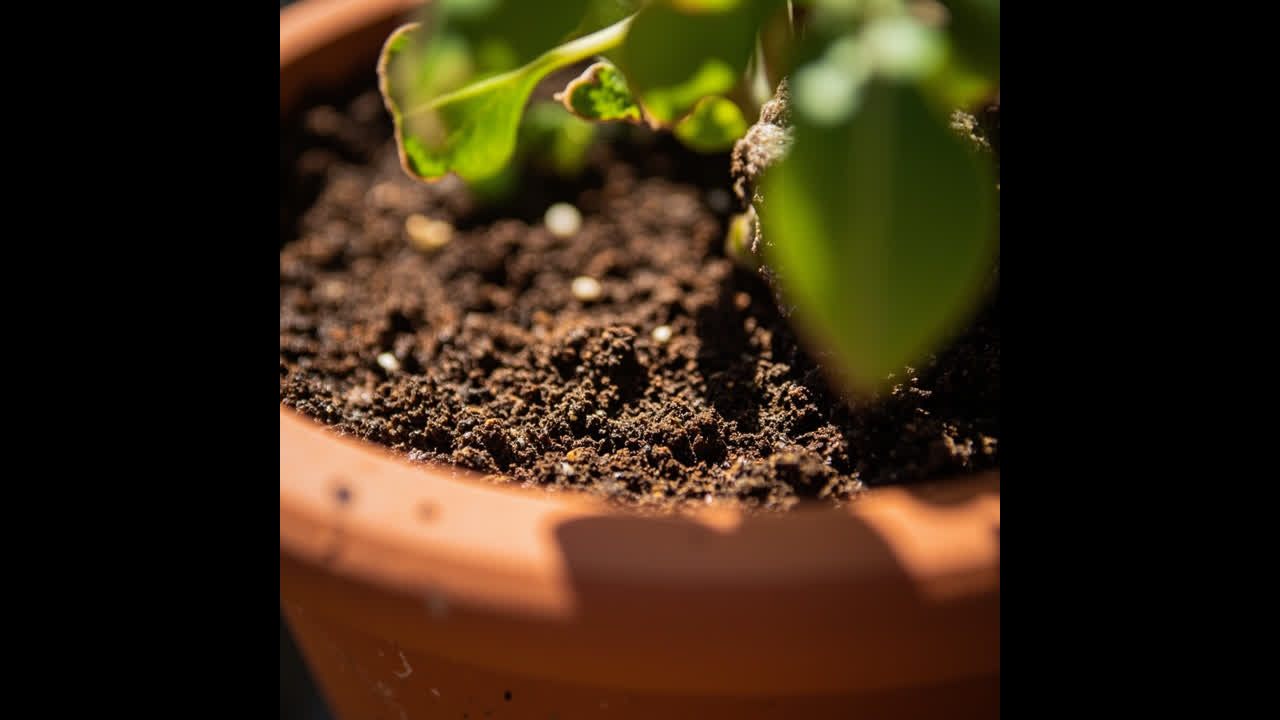
The only reliable watering rule for hibiscus is: water when the top 2–3 cm of soil feels dry to the touch. Everything else follows from this. In summer on a hot patio, this might mean watering daily. In a cool room in winter, it might mean watering every two to three weeks. The plant’s need, not a calendar, should determine when you water.
Checking is simple: push your finger into the soil up to the second knuckle. If it feels dry at that depth, water. If it still feels moist, wait another day and check again. This is the finger test, and it works regardless of where you live, what season it is, or what kind of pot you use.
How Hibiscus Uses Water by Season
Summer and Peak Growing Season
During active growth in warm weather, hibiscus uses water at its maximum rate. The combination of high temperature, active photosynthesis, and long days means the plant loses water rapidly through its leaves (transpiration). In a container on a sunny patio in summer, a hibiscus may need watering once or even twice per day.
Signs that a hibiscus needs more frequent watering in summer:
- The soil dries out within 24 hours of watering
- The plant wilts by mid-afternoon (normal in extreme heat but recover by evening)
- The leaves look slightly dull or less turgid than they should
- The pot feels very light when lifted
In summer, check the soil morning and evening in very hot climates. If the top few centimetres are dry by morning, water. If it is still moist in the morning but dry by evening, water twice a day.
Autumn: Transition Period
As temperatures drop and days shorten, hibiscus begins to slow its growth and reduce its water use. This is a gradual transition, not a sudden switch. In autumn, the same plant that needed daily watering in summer might need watering every two to three days.
This is also the most dangerous time for overwatering — because you are still in summer watering mode, it is easy to water too frequently as the plant’s actual needs drop. Monitor the soil, not the calendar. Reduce watering frequency as temperatures fall, not on a predetermined autumn date.
Winter: Dormancy and Reduced Needs
For indoor hibiscus that slows or stops growing in winter, watering needs drop dramatically. The roots use far less water because the plant’s metabolic rate is reduced. Overwatering during winter dormancy is the most common killer of overwintered hibiscus.
In winter, water hibiscus only when the top 3–4 cm of soil is completely dry — not just the surface, but the root zone. In a cool room (55–65°F / 13–18°C), this might mean watering every 10–14 days. In a warm room, it might be every five to seven days. Always check the soil first.
When you water in winter, use room-temperature water. Cold water shocks the roots and can cause stress that the dormant plant struggles to recover from.
For the complete picture of winter hibiscus care including watering, see our hibiscus dormancy and winter care guide.
Spring: Increasing Needs
As temperatures rise and daylight increases, hibiscus increases its water use gradually. In spring, the transition is the reverse of autumn — increase watering frequency gradually as the plant’s growth accelerates. Starting in early spring, check the soil every few days and resume fertilizing (at half strength to start) as new growth becomes visible.
Container vs In-Ground Watering
Container hibiscus always needs more frequent watering than in-ground hibiscus. Soil in containers is exposed to more air circulation and heat from the pot walls, which dries it out faster. Additionally, container soil volume is limited — there is less water available to the plant between waterings.
A container hibiscus on a sunny patio in summer may need watering daily. The same hibiscus in the ground beside a lawn (with the same climate and sun exposure) might need watering every two to three days.
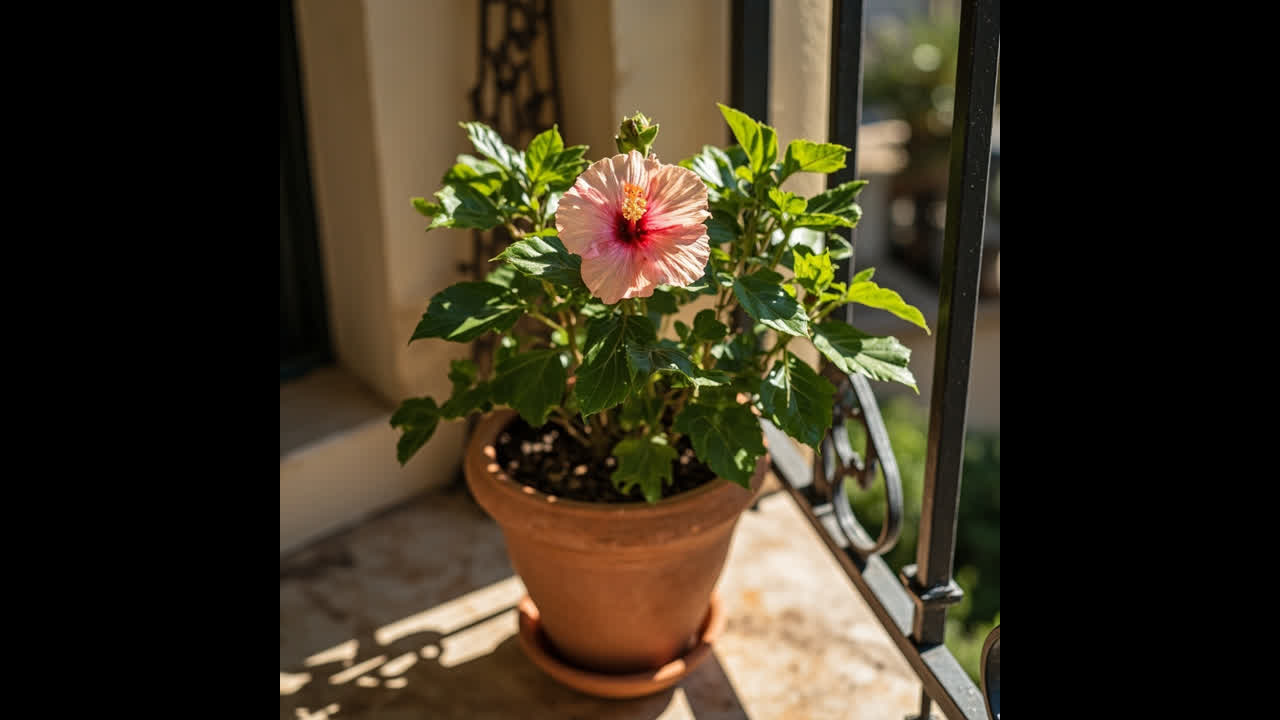
Container material also matters: terracotta pots are porous and allow water to evaporate through the pot walls, drying the soil faster than a plastic or glazed ceramic pot of the same size. If you grow hibiscus in terracotta in a hot climate, expect to water more frequently than in plastic.
Signs of Watering Problems
Underwatering
The leaves go dry and crispy from the edges inward. The soil feels bone dry. The plant looks wilted and does not recover by evening (unlike heat wilt, which resolves as the day cools). The pot feels very light. Underwatering is easier to fix than overwatering — a thorough soak restores the plant quickly, and it typically bounces back within a day.
Overwatering
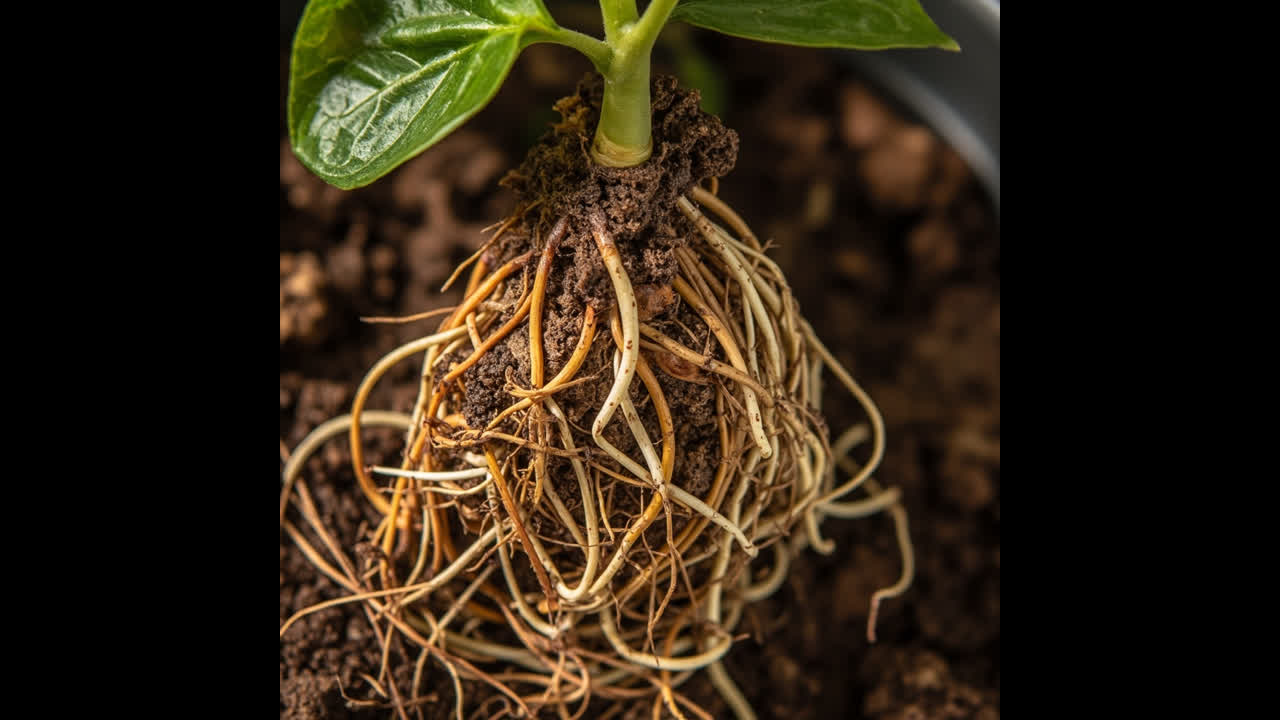
The soil stays wet for days after watering. The leaves yellow and drop, especially lower leaves. The plant may look wilted despite the wet soil (because damaged roots cannot absorb water). A sour or musty smell from the soil indicates fungal activity. For full diagnosis and recovery steps, see our hibiscus root rot guide.
How to Water Correctly
- Water thoroughly — not a shallow sprinkle. Pour water over the soil surface until you see it flow from the drainage holes at the base. This ensures the entire root zone is wet, not just the surface.
- Empty the drainage tray after 30 minutes — never let the pot sit in standing water.
- Water at soil level — avoid getting water on the leaves, especially in the evening. Wet foliage overnight creates conditions for fungal infections.
- Use room-temperature water year-round. Cold water from a garden hose in summer is actually refreshing for the plant and not harmful; but in autumn and winter, cold water can stress the roots.
For the complete hibiscus watering context — including what frequency means in different growing situations — see our hibiscus care guide.
From PDF to Excel in one click
Forget retyping line by line. Upload any bank statement, get a spreadsheet you can actually use. Your files are never stored, and you can test the converter with 3 free conversions.
Try it free