Blossom end rot on tomatoes and peppers looks serious enough that most gardeners assume it is a disease and reach for a fungicide. It is not a disease. It is a calcium deficiency in the developing fruit caused by inconsistent watering — the calcium is in the soil but the plant cannot deliver it to the fruit when water is irregular. Understanding this changes how you fix it entirely.
Why Calcium Is the Issue: and Why the Water Is the Real Cause
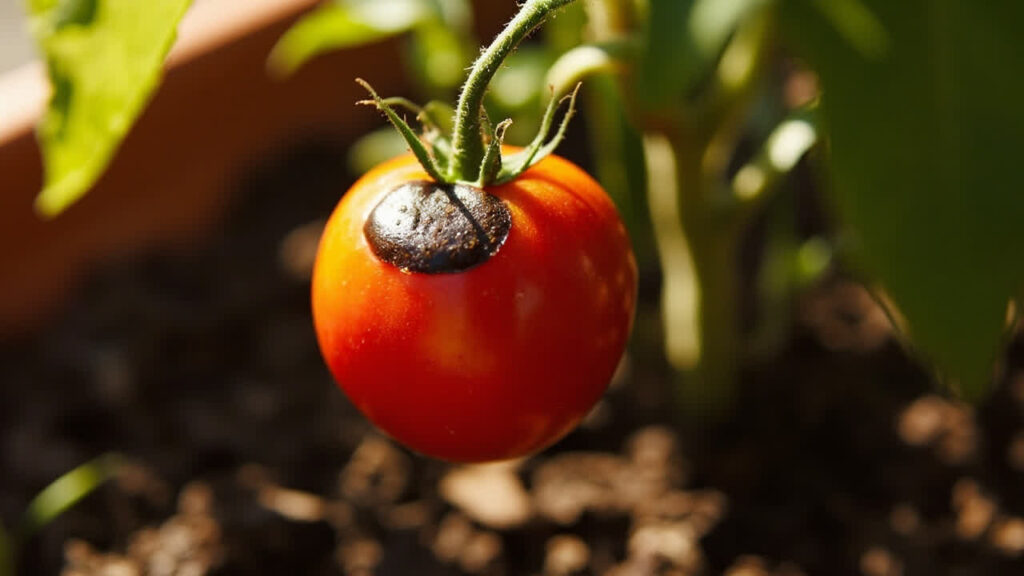
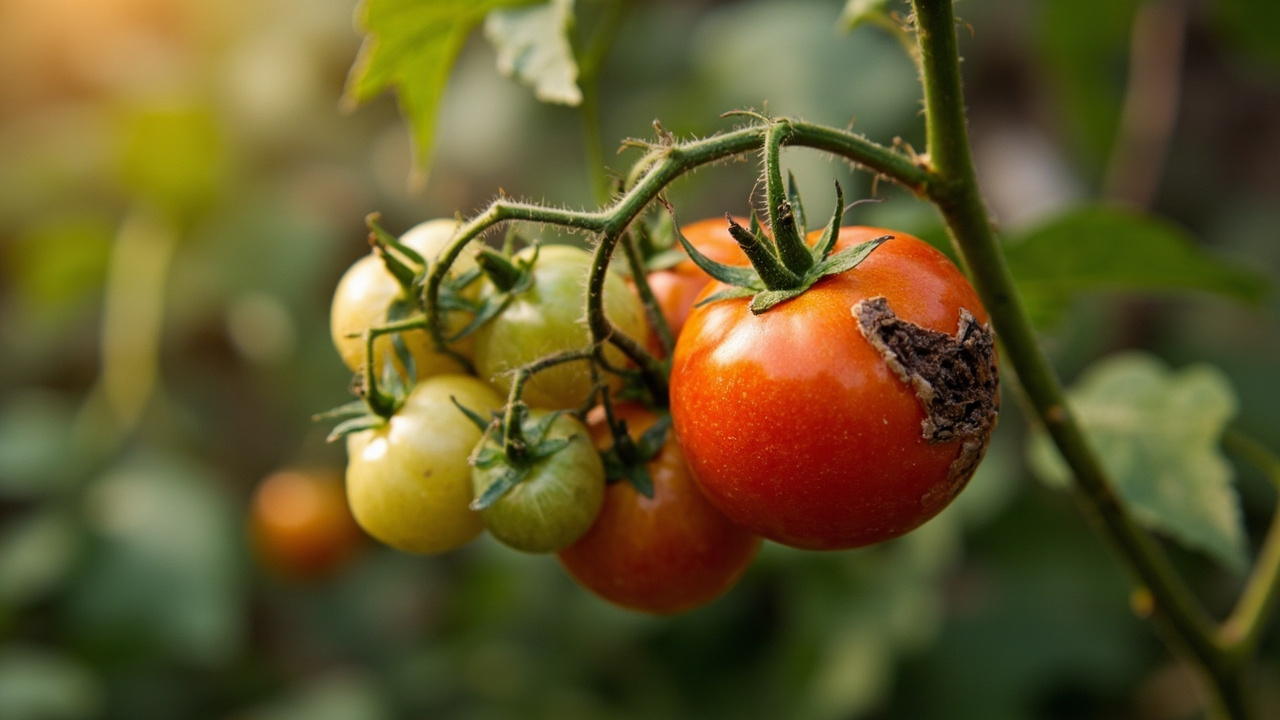
Calcium moves through a plant the same way water moves through a plant — it follows the transpiration stream from roots to leaves to fruit. The fine tip of the fruit (the blossom end) is the last place this stream arrives, and it only arrives reliably when soil moisture is consistent. Any interruption in water uptake — even 24–48 hours of dry soil — creates a gap in calcium delivery that shows as the characteristic sunken, leathery brown patch at the blossom end.
The critical detail that makes diagnosis easy: the calcium is in the soil. A soil test almost always shows adequate calcium for tomatoes and peppers (pH 6.0–6.8 range). The problem is not insufficient calcium in the soil — it is insufficient and inconsistent water in the root zone preventing the calcium from reaching the fruit.
This means that adding calcium to the soil or spraying calcium on the leaves is a secondary fix at best. The primary fix is always the watering pattern.
The Three Watering Patterns That Cause Blossom End Rot
All three are fixable without professional equipment:
Pattern 1: Deep Watering followed by Extended Dry Spells
This is the most common cause in home gardens. The soil is watered thoroughly, then goes 4–7 days without water until the plant wilts visibly. During the dry period, calcium uptake drops to near zero. When watering resumes, calcium delivery resumes — but the fruit that was developing during the dry period already shows the rot, and it does not recover.
The fix: water at the base of the plant every 2–3 days in warm weather, more often in containers. The goal is consistent moisture in the top 6–8 inches (15–20 cm) of soil, not deep watering followed by drought. A mulch layer of 2–3 inches of straw or shredded bark reduces surface evaporation significantly and buys you an extra day between waterings.
Pattern 2: Shallow Frequent Watering
The opposite extreme also causes blossom end rot. Light watering every day or every other day that only wets the top 1–2 inches (2–5 cm) of soil trains roots to stay at the surface. The plant never develops a deep root system, so it cannot access moisture and calcium from deeper soil layers during dry spells. This is especially common in container tomatoes.
The fix: water thoroughly when you water — enough that you see drainage from the bottom of the container or soil. Then wait until the top 2 inches (5 cm) feel dry before watering again. This encourages deeper root growth and more reliable calcium uptake. Self-watering containers with a reservoir reduce this pattern significantly for container growers.
Pattern 3: Root Damage from Cultivation or Transplant Shock
If you recently transplanted tomato seedlings into the garden or worked the soil around established plants with a hoe or trowel, you may have damaged surface roots that the plant depends on for calcium uptake. Damaged roots cannot absorb calcium efficiently even when soil moisture is adequate.
The fix: be careful with cultivation tools around tomato plants. Work the soil no deeper than 1–2 inches (2–5 cm) near the root zone. If transplant shock is the cause, the plant usually recovers within two weeks with consistent watering and mild weather — blossom end rot on new transplants that appears within the first month usually resolves on its own once the plant reestablishes its root system.
Calcium Supplementation: When It Helps and When It Does Not
If your watering is consistent and you still see blossom end rot, a calcium supplement can help. But it is not a substitute for fixing the watering pattern. Use either crushed eggshells worked into the soil at planting time for slow-release calcium, or a calcium chloride spray (foliar application) for faster results on fruit already showing early symptoms.
Foliar calcium (spraying calcium chloride directly on developing fruit) helps in one specific situation: when the plant is so root-limited that even good watering cannot supply enough calcium through the transpiration stream. This happens with very young transplants, very small containers, or after root damage. In normal garden conditions, addressing the watering is faster and more reliable.
Calcium chloride spray: mix 4 tablespoons of calcium chloride per gallon of water. Apply in the early morning so the solution dries before afternoon heat — wet leaves in strong sun cause burn. Do not exceed this concentration.
Which Fruits Can Be Saved: and Which Cannot
Fruits already showing the sunken brown lesion at the blossom end cannot be saved — the damaged tissue does not recover. Remove them immediately so the plant directs energy to developing healthy fruit. Do not composting them if you are managing a disease concern (the blossom end rot itself is not contagious, but removing diseased fruit reduces attractant for opportunistic insects).
Fruits showing the very first sign — a slightly sunken, water-soaked looking patch no bigger than a dime — can sometimes be saved if watering immediately becomes consistent. The fruit continues to develop and may reach normal size, though the damaged area remains as a scar.
The plant usually sets new fruit within 1–2 weeks of fixing the watering pattern. By the third or fourth cluster, if watering stays consistent, blossom end rot typically stops appearing entirely.
Internal links: companion planting tomatoes guide for tomato growing basics, container vegetable gardening for container-specific watering guidance.
For a comprehensive dive into blossom end rot in tomatoes specifically — including container-specific causes and a detailed 8-step protocol — see our blossom end rot in tomatoes guide.
Turn That PDF Into a Spreadsheet in Minutes
You've seen how to do it manually — now let the tool handle the heavy lifting. Upload your bank statement and get Excel, CSV, or QBO in a few clicks.
Try It Free