Philodendrons come from tropical rainforest environments where humidity is consistently high — typically 60 to 80 percent year-round. In Singapore’s climate, average indoor humidity ranges from 50 to 75 percent depending on the room and the season, which means most Singapore homes fall within a range that Philodendrons can tolerate. The issue is not the average — it is the extremes: air-conditioned rooms that drop to 40 to 50 percent humidity, and the dry season when indoor air becomes noticeably drier.
How Humidity Affects Philodendron Leaves
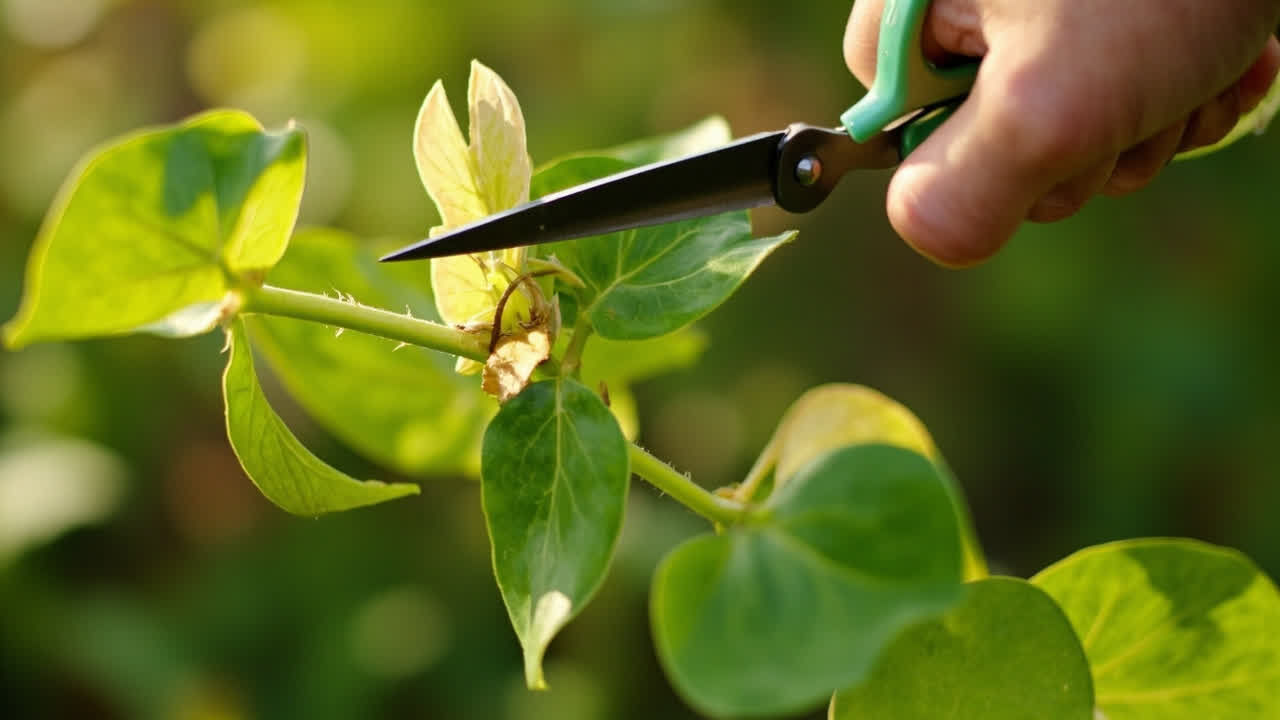
Humidity matters most at the leaf surface. When the air is dry, a Philodendron loses water through its leaves — through transpiration — faster than the roots can supply it. This creates a mismatch: the plant is drawing water from its leaf edges faster than it can replace from the soil. The first casualty is the leaf margins and tips, which is why low humidity shows up as brown tips before anything else.
In consistently humid conditions, the plant retains water more efficiently. The leaves look plumper, the edges stay green, and the plant maintains a more vigorous appearance. The soil also dries more slowly in humid conditions, which means adjusting watering frequency accordingly is important — more humidity means the soil stays wet longer.
Signs Your Philodendron Needs More Humidity
Brown tips on newer growth. The newest leaves emerging with brown edges or tips is the most common humidity-related symptom. If the newest leaves are clean and the older leaves have brown tips, the problem has been building for some time and the plant is adapting — but the older leaves will not recover.
Crispy leaf margins alongside otherwise healthy growth. The plant is growing — which means it is not in crisis — but the edges are indicating dry air. This is common in air-conditioned rooms and during the dry season in Singapore.
Leaves that look slightly curled with brown edges. This is a more advanced humidity stress response, usually combined with other factors like inconsistent watering. Address the watering first, then address the humidity.
How to Raise Humidity for Philodendrons
The most practical methods, in order of effectiveness:
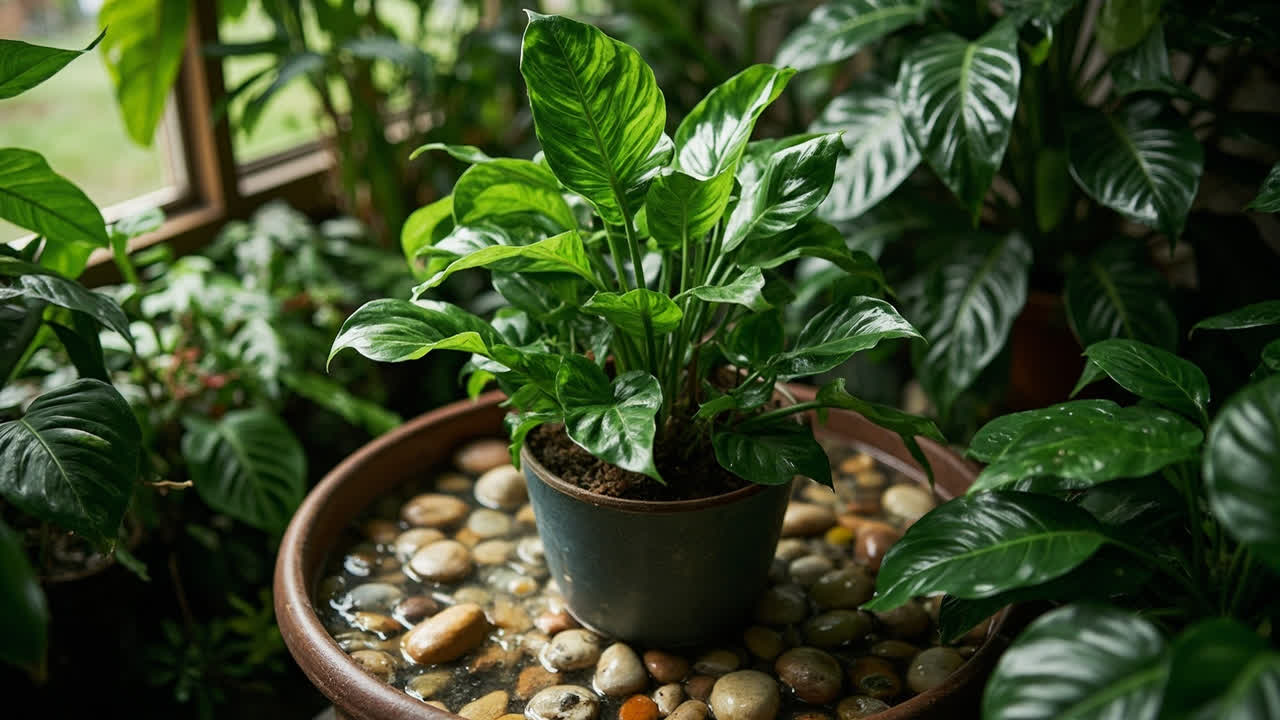
Pebble tray. Place the pot on a shallow tray filled with pebbles and water. The water evaporates from the tray surface and raises the humidity immediately around the plant. Keep the water level below the bottom of the pot so the roots are not sitting in water. Refill the tray every few days. This is the simplest and most reliable method for most home situations.
Grouping with other plants. Plants transpire and release moisture, creating a microclimate that is more humid than the surrounding room. A cluster of tropical plants together maintains higher humidity than a single isolated plant. Grouping three to five plants together makes a measurable difference.
Moving to a more humid room. Kitchens and bathrooms with windows tend to be the most humid rooms in a Singapore home, sometimes reaching 70 to 80 percent. A Philodendron that is struggling in a dry living room often recovers noticeably when moved to a bathroom with good natural light. The trade-off is lower light — evaluate whether the humidity gain outweighs the light reduction.
Humidifier. For serious Philodendron collectors with multiple plants, an ultrasonic humidifier set to maintain 50 to 65 percent is the most consistent long-term solution. Position it so the mist does not land directly on the leaves — aim it at the air around the plants rather than at the foliage.
What Not to Do
Misting is ineffective and potentially harmful. The moisture evaporates within minutes in an air-conditioned room, provides no lasting humidity benefit, and can promote fungal growth if leaves remain wet for extended periods. Pebble trays and grouping are more effective and require no daily effort.
For general Philodendron care, see Philodendron Care. For brown tips specifically, see Philodendron Brown Tips guide.
From Bank Statement to QuickBooks-Ready File
That manual cleanup you just read about? This tool skips it. Turn your PDF into QBO for QuickBooks without storing your data anywhere.
Start Converting