Worm castings are safe for seedlings when they stay a small part of the seed-starting mix. Use 5% to 10% worm castings by volume, or skip them completely for very fine mixes that already stay wet for a long time.
The main risk is not harsh fertilizer burn. Good worm castings are usually mild. The bigger problem is that they add fine, moisture-holding organic material to a tray where young roots need air as much as nutrition.
Use worm castings around seedlings as a low-dose support, not as the base of the mix. The right timing depends on whether seeds are just germinating, showing true leaves, being potted up, or moving into the garden.
The Safe Seedling Ratio
For seed starting, keep worm castings at 5% to 10% of the total mix. In a 10-cup batch of seed-starting medium, that means 1/2 cup to 1 cup of castings. For a single small tray, a few tablespoons mixed evenly through the medium is often enough.
Use the lower end for tiny seeds, slow-germinating seeds, herbs, lettuce, onions, and any tray that sits under a humidity dome. Use the higher end only when the base mix is airy and low in fertility, such as a blend built mostly from coco coir, peat, perlite, or vermiculite.
Do not use worm castings as the main ingredient in a seed-starting mix. They are too fine and too moisture-retentive for that job. For larger containers and beds, the full guide to worm castings application rates gives the broader ratios.
Why Seedlings Need Less Than Mature Plants
Seedlings have a small root system, a shallow tray, and very little margin for poor air movement in the mix. When the medium stays wet, oxygen drops around the young roots. The seedling may look weak even though nutrients are present, because the roots are not functioning cleanly.
Worm castings also contain fine particles. In a mature pot, that can help bind a loose mix and hold a more even moisture level. In a seed tray, too much fine material can close the air spaces that make germination mixes work.
This is why the same material can be helpful in one stage and risky in another. Mature plants can use the broader soil benefits of worm castings more safely because their roots already fill more of the mix.
There is also a timing issue. Most seeds do not need much nutrition to germinate. The seed carries enough stored energy for the first push. Worm castings become more useful once the plant is making true leaves and beginning to feed through its roots.
When to Add Worm Castings
The safest timing is usually after germination, not before. If you want to include worm castings in the starting mix, keep the dose low and make sure the tray drains freely.
| Seedling stage | Best use | Amount | Why |
|---|---|---|---|
| Before sowing | Mix lightly into airy seed-starting medium | 5% | Gives mild support without making the tray heavy |
| After germination | Wait and observe moisture behavior | None yet | Most seedlings are still using seed reserves |
| First true leaves | Top dress very lightly or water in around the edge | A pinch per cell or small spoon per pot | Roots are starting to feed more actively |
| Potting up | Mix into the new potting medium | 10% | The larger root zone can handle more organic matter |
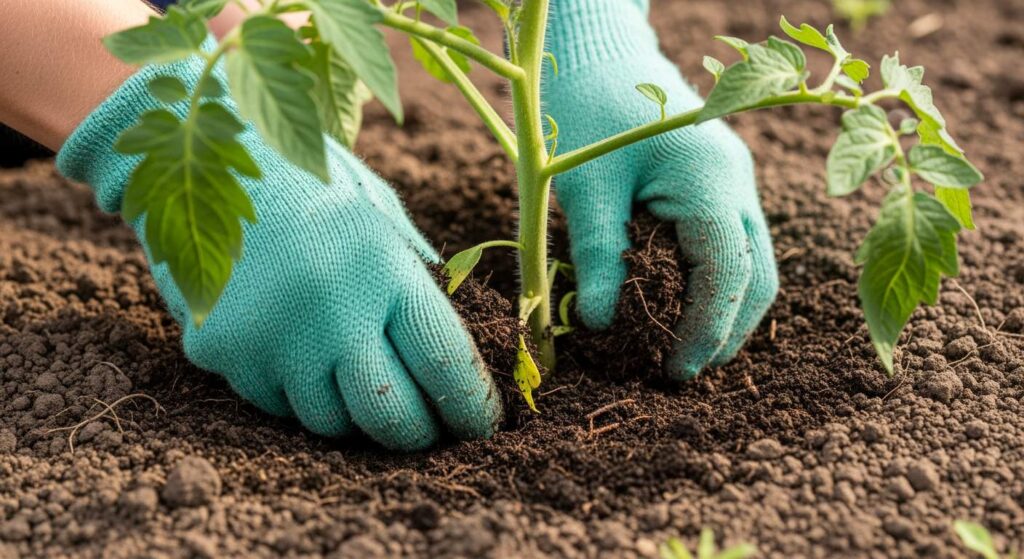
| Outdoor transplant | Add to the planting area, not packed against the stem | 1/4 to 1/2 cup per small transplant | Supports root-zone biology during establishment |
Once seedlings move outside, worm castings in vegetable gardens can be used more like a transplant and bed amendment.
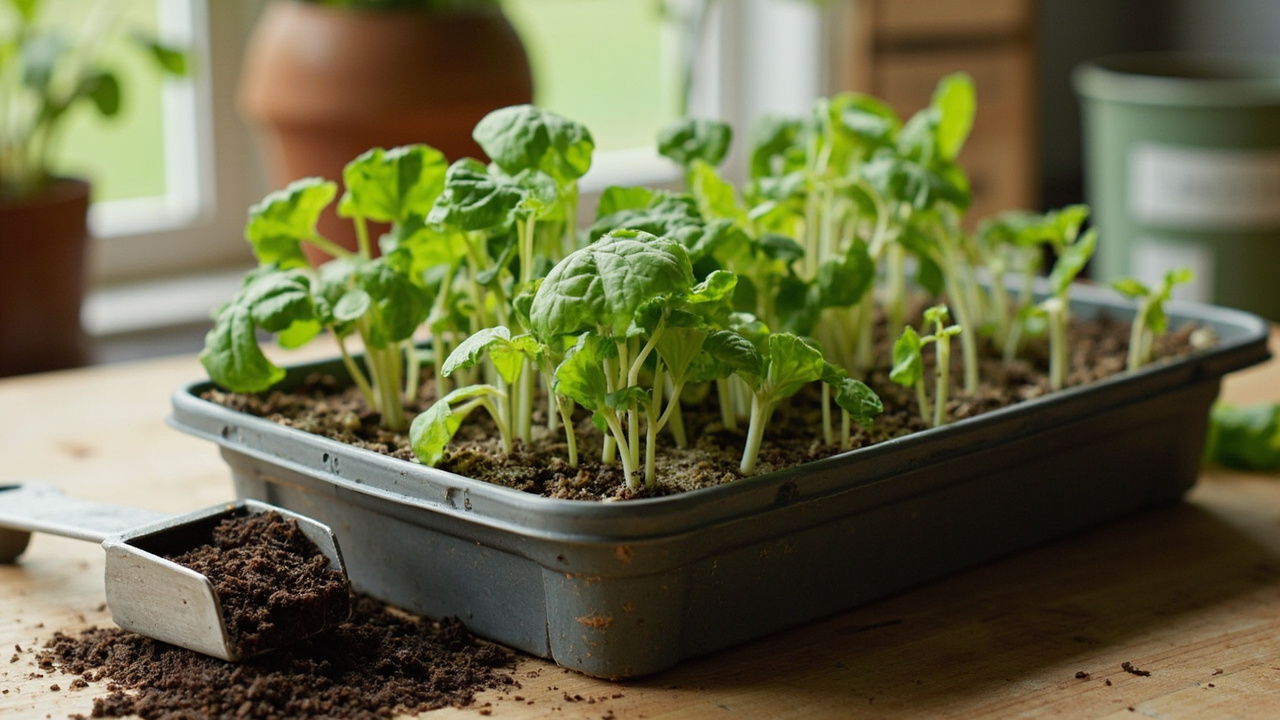
The Main Failure Mode: A Mix That Stays Too Wet
When worm castings cause problems for seedlings, the pattern usually starts with moisture. The tray stays damp longer than expected, the surface looks dark for days, and the stems may weaken near the soil line.
- Damping-off risk rises: constant surface moisture favors the fungal conditions that collapse tender stems.
- Roots stay shallow: if the mix is wet and low in oxygen, seedlings do not push roots through the cell cleanly.
- Fungus gnats become easier to trigger: a damp organic surface gives larvae better conditions.
- Growth looks stalled: the seedling may have nutrients nearby but not enough root function to use them well.
This is why the distinction between worm castings vs compost matters in seed trays, where both can make the mix too heavy if overused.
If the tray is already slow to dry, do not add more castings as a fix. Increase airflow, remove the humidity dome after germination, bottom-water less often, and wait until the seedlings are potted up into a larger, airier mix.
What Seedlings Actually Gain
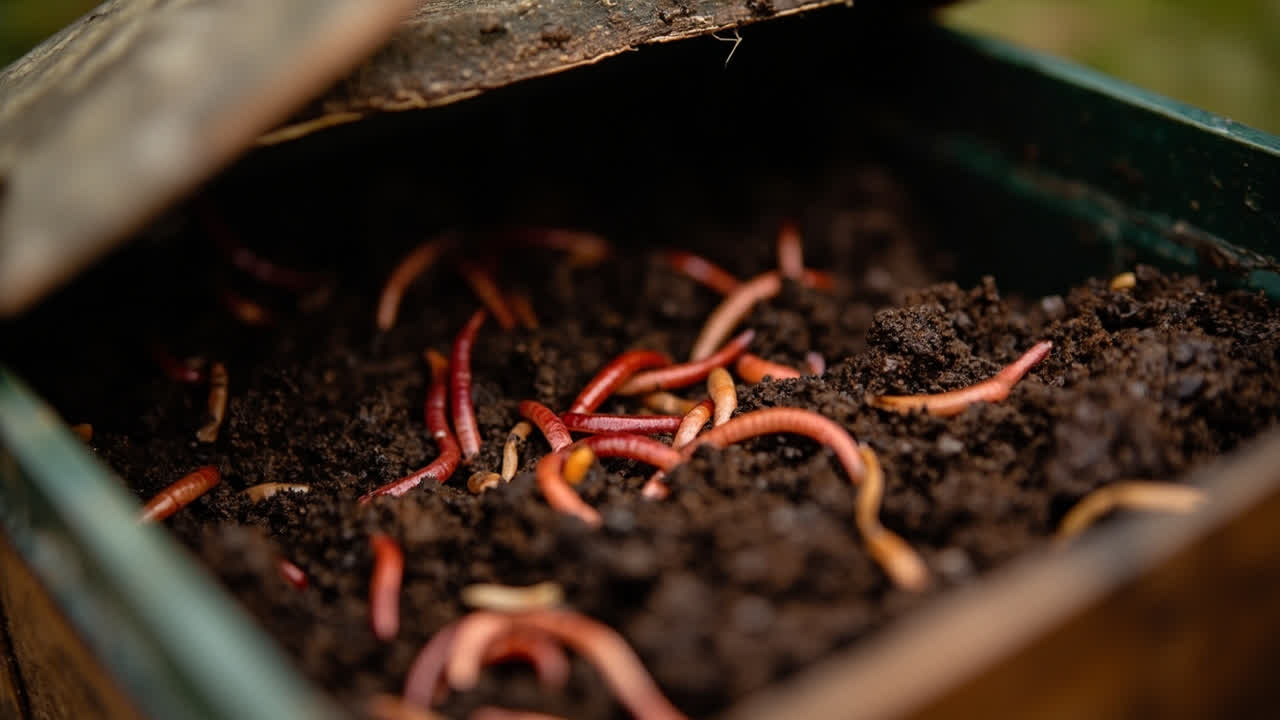
At the right dose, worm castings can give seedlings a steadier root-zone environment. They add mild nutrition, help buffer the mix, and introduce microbial life that can support nutrient cycling as roots develop.
The benefit is usually subtle. Do not expect worm castings to rescue weak light, cold trays, overwatering, or old seed. Seedlings respond most visibly when the basics are already right: bright light, warm enough germination temperatures, clean trays, and a mix that drains.
The wider benefits of worm castings are most visible when the mix still has enough air and drainage for young roots.
Think of castings as a small biological upgrade. They should improve the mix without changing its physical behavior so much that the seedling loses oxygen at the root surface.
A Safe Starting Formula
For most seedlings, use a light formula and adjust only after you see how the tray behaves.
- Start with 9 parts seed-starting mix and 1 part worm castings.
- Add extra perlite if the mix feels dense or packs down when wet.
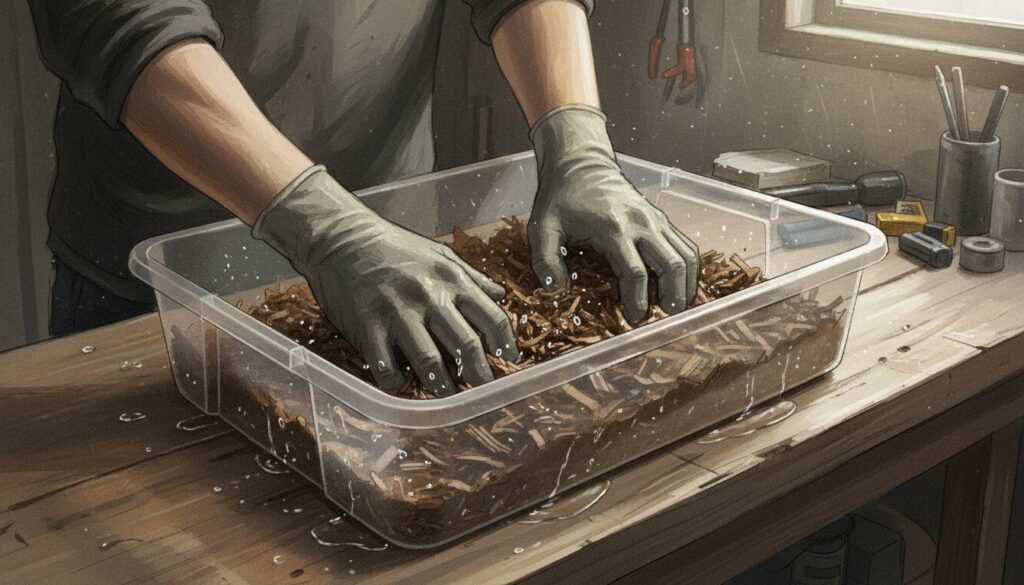
- Moisten the mix before filling trays so the castings distribute evenly.
- Sow seeds at the normal depth and avoid heavy surface dressing.
- After germination, let the surface begin to dry before watering again.
If the seedlings look sturdy and the tray dries predictably, the ratio is working. If the surface stays wet, growth stalls, or stems weaken, the next batch needs less worm castings and more air space.
Turn PDF Bank Statements Into Workable Spreadsheets
Your bank statement is a mess of numbers, but your books shouldn't be. Use our converter to get Excel, CSV, or QBO files — ready for QuickBooks.