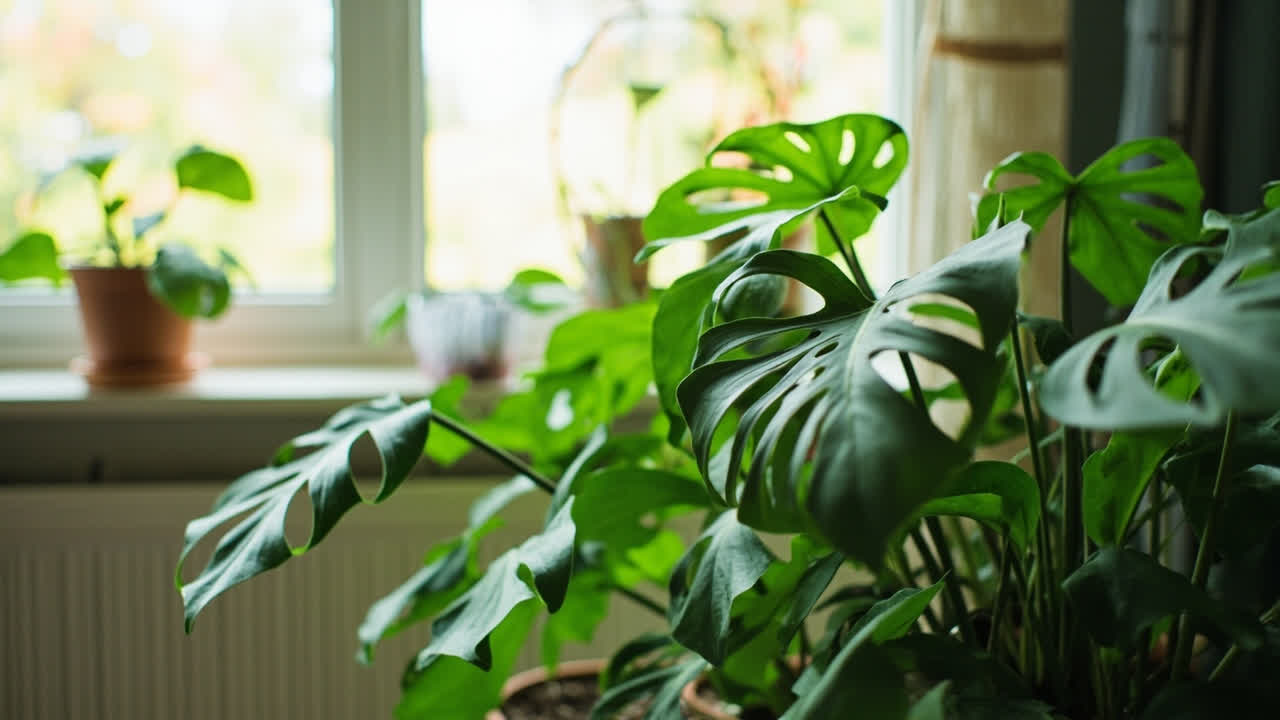
Philodendrons are tropical plants that grow best in the same temperature range most people find comfortable indoors: 65 to 80°F (18 to 27°C). They tolerate short dips into the high 50s°F (around 13°C) and short spikes into the low 90s°F (around 33°C), but they have very little tolerance for cold drafts, frost, or sudden temperature swings. Keeping the plant away from drafty windows in winter, away from air-conditioning vents in summer, and out of direct sun on a south-facing sill is the practical core of philodendron temperature care.
What “Temperature Tolerance” Actually Means Indoors
Most indoor philodendrons never experience anything close to the extremes of their native range. The real-world risks are localized: a cold draft from a window frame on a winter night, a hot blast from a heating vent a few feet away, or a heat pocket on a sunny windowsill in summer. These microclimates can shift the local air temperature by 10 to 20°F (5 to 11°C) within a few hours, which is far more dangerous to the plant than a steady, slightly cool or slightly warm room.
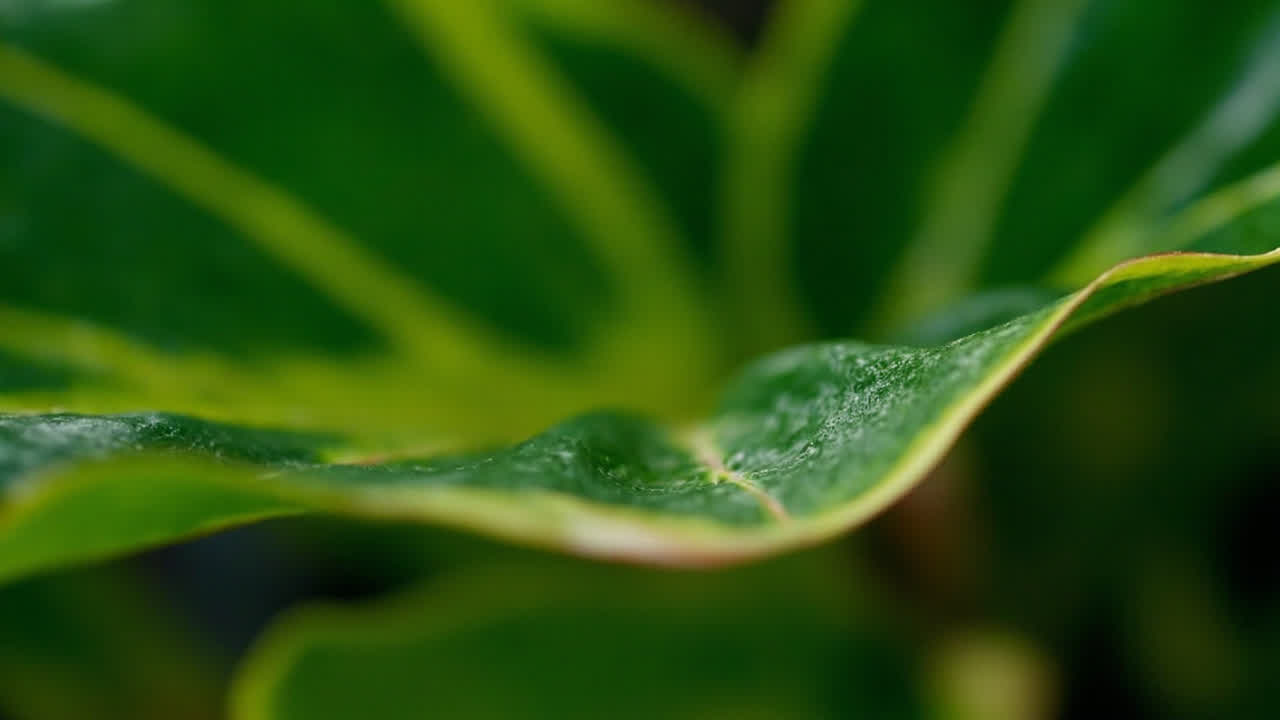
A philodendron’s leaves react to cold by curling, drooping, and developing dark, water-soaked patches where cell walls have frozen. They react to heat by wilting, with leaf edges crisping up and soil drying out much faster than the rest of the room would suggest. The fix in both cases is to relocate the plant to a more stable spot rather than to chase a more exact temperature reading.
The Safe Working Range and the Damage Thresholds
The safe working range for almost every philodendron species, from heartleaf to large split-leaf types, falls into three bands.
- Optimal range: 65 to 80°F (18 to 27°C). Active growth, healthy transpiration, and reliable new leaf production sit in this band.
- Tolerable range: 55 to 65°F (13 to 18°C) and 80 to 90°F (27 to 32°C). Growth slows, watering needs shift, but the plant continues to function and recover when conditions return to the optimal band.
- Damage thresholds: below 50°F (10°C) for more than a few hours, or above 95°F (35°C) for prolonged periods, the plant will start to show cold damage or heat stress that can take weeks to recover from.
The numbers are not absolute. A heartleaf philodendron that lives outdoors year-round in a mild Mediterranean climate can acclimate to a much wider range than one that has spent its whole life in a temperature-controlled living room. Acclimation is one reason why a plant moved suddenly from a warm spot to a much cooler one is more likely to drop leaves than a plant that has been gradually exposed to the new range.
Cold Sensitivity and the Draft Problem
Cold is the bigger risk for most indoor philodendrons, especially in climates with cold winters. A drafty window frame in an old house can drop the local air temperature around a plant by 5 to 10°F (3 to 5°C) overnight, even when the rest of the room reads a comfortable 68°F (20°C). The plant responds by curling its leaves, slowing growth, and developing dark patches on the parts of the leaves closest to the cold source. Over a winter, this kind of chronic cold stress shows up as yellowing lower leaves and a general failure to push out new growth in spring.
A simple test is the back-of-the-hand test: hold your hand a few inches from the suspected draft source for thirty seconds. If you can feel the cold air moving, the philodendron can feel it too, and the leaves will react over the next few days. Moving the plant a foot or two away from the window, or putting a thermal curtain between the plant and the glass, is usually enough to solve the problem without losing the light.
Heat Stress and the Sunny Windowsill Problem
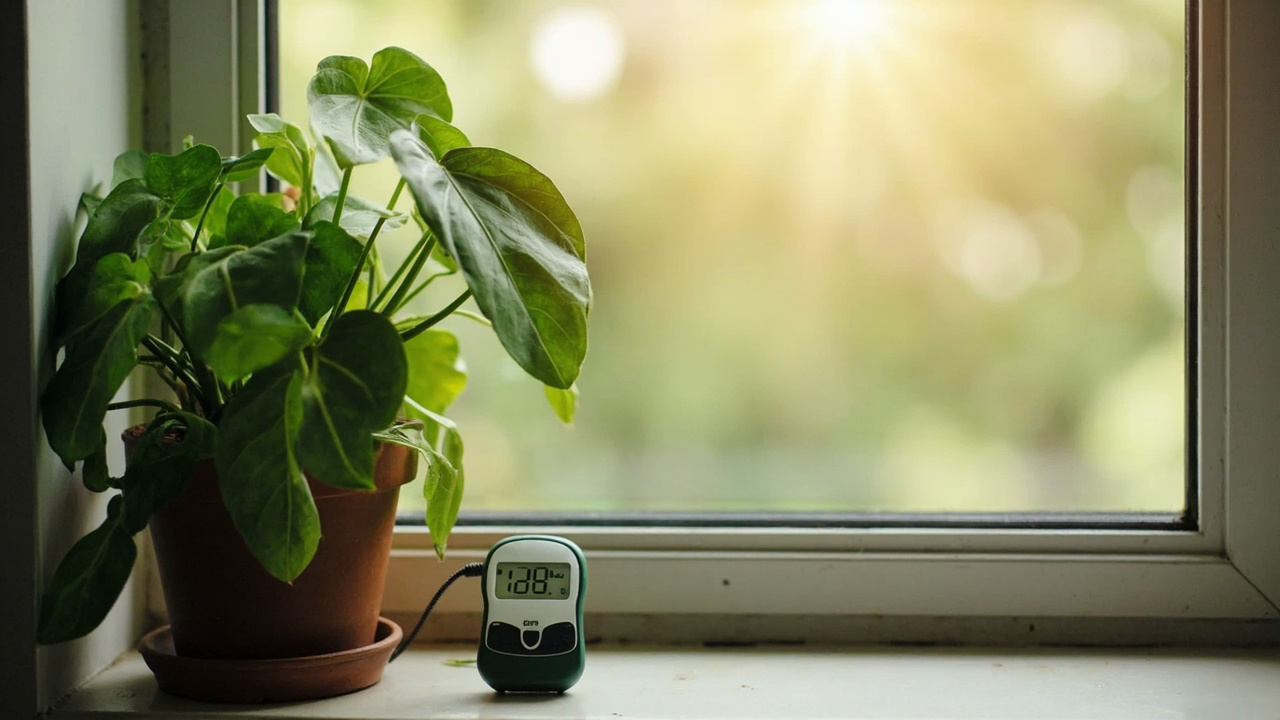
Heat stress shows up most often on south or west-facing windowsills in summer. The sun heats the glass and the pot itself, the soil temperature rises well above the air temperature, and the roots essentially cook in a hot, dry medium. The visible signs are wilting during the hottest part of the day, leaf edges that crisp up despite a regular watering schedule, and white or pale-yellow patches on the parts of the leaves that faced the sun. The combination of high light and high temperature is much harder on the plant than either factor alone.
The fix is to move the plant back from the window by 30 to 60 cm (1 to 2 feet) so the leaves get bright light but the pot is not directly heated by the glass. A sheer curtain between the plant and the window also reduces the heat load significantly. A second-best option is to keep the plant on the windowsill but place it inside a larger cachepot with a layer of damp sphagnum between the inner and outer pot, which buffers the soil temperature against the swings of the glass.
Sudden Swings Are Worse Than Steady Extremes
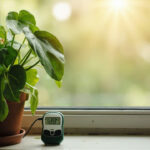
A philodendron in a steady 60°F (16°C) room is healthier than one in a room that swings from 55°F (13°C) at night to 80°F (27°C) during the day. The leaves and roots cannot adapt to that range, and the plant spends its energy reacting to the changes instead of growing. A simple thermometer placed at the plant’s level for a week is the most reliable way to see what is actually happening, because a thermostat on the wall may read 70°F (21°C) while the windowsill where the plant sits swings from 50 to 85°F (10 to 29°C) over 24 hours.
The most common swing to watch for is the night-time drop in winter. Many homes cool by 5 to 10°F (3 to 5°C) overnight when the heating system cycles down. That is fine for most philodendrons, but combined with a drafty window it can push the local temperature low enough to cause damage. A small space heater with a thermostat, set to keep the plant area at 60°F (16°C) overnight, is one option; closing the curtains at sunset is a simpler one.
Summer Outdoors: A Useful but Risky Option
Most philodendrons do well outside in warm, humid weather, but the move outdoors is the most common cause of acute temperature damage. Three rules cover most situations. First, wait until night-time temperatures are reliably above 55°F (13°C) before moving the plant out. Second, place it in full shade for the first week and gradually move it to bright shade or dappled sun over the following two weeks. Third, bring it back inside before night-time temperatures drop below 55°F (13°C) in fall.
The acclimation step matters more than people expect. A philodendron that has been indoors under stable temperatures is essentially “naive” to the wider swings of outdoor weather, and a sudden move to a windy patio or a partly sunny corner can scorch the leaves in a single afternoon. The same plant, given two weeks of gradual exposure, often thrives outside for the entire warm season.
What to Watch for After a Temperature Shock
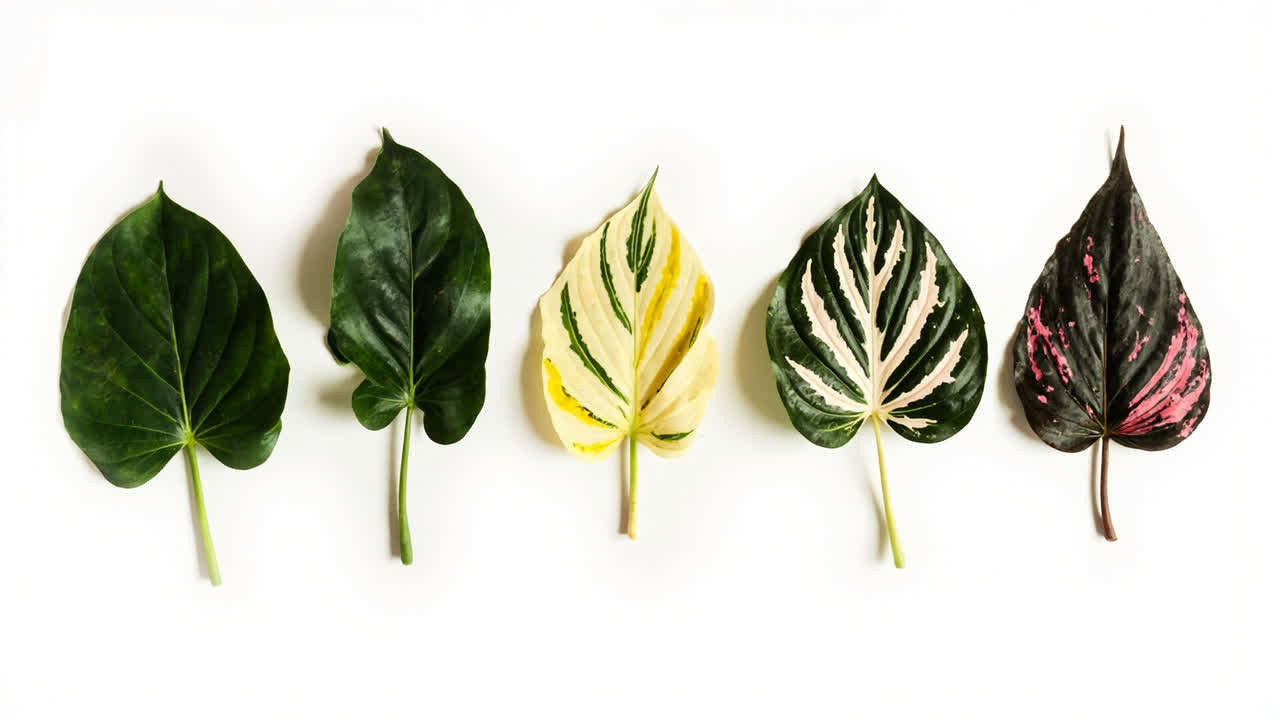
If a philodendron has been exposed to a cold draft or a hot sun blast, the damage shows up within 24 to 72 hours. Cold damage appears as dark, water-soaked, often translucent patches on the leaves, usually on the side of the plant that faced the cold source. Heat damage appears as pale, papery patches on the parts of the leaves that received the most direct sun, often with brown, crispy edges. In both cases, the affected leaves will not recover, and they should be left on the plant until they yellow fully, because the plant will pull the remaining nutrients out of them as they die back.
The recovery time depends on how much new growth the plant has to replace. A small heartleaf philodendron usually pushes out one to two new leaves a month during active growth, so a plant that lost three damaged leaves will look normal again in about six to eight weeks. A larger split-leaf philodendron may take a full growing season to fully replace several damaged mature leaves. Resist the urge to fertilize during recovery; the roots are also stressed, and excess nutrients make the recovery slower, not faster.
Putting It All Together
The simplest working routine is to keep the plant in a spot where the air temperature stays between 65 and 80°F (18 to 27°C) most of the time, with night-time dips no lower than the high 50s°F (around 13°C), and away from any direct heat or cold source. A small thermometer at the plant’s level is the easiest way to confirm the spot is stable, and a quick scan for drafts or sun pockets once a season is usually enough to catch the problems before they show up on the leaves.
For a closer look at how temperature fits with the other care factors, the philodendron humidity guide and the philodendron watering guide cover the conditions that change most in parallel with temperature swings. If the plant is already showing stress from a temperature event, the reviving a struggling philodendron walkthrough covers the immediate steps and the longer recovery timeline.