The Philodendron family offers more variety than almost any other houseplant group. From the classic Heartleaf with its deep green, heart-shaped leaves to dramatically variegated hybrids with white, pink, and nearly black foliage, there is a Philodendron for every aesthetic and every skill level. Knowing which one you are growing matters — care requirements, especially light, differ significantly between varieties.
Trailing and Climbing Philodendrons
Philodendron hederaceum (Heartleaf Philodendron)
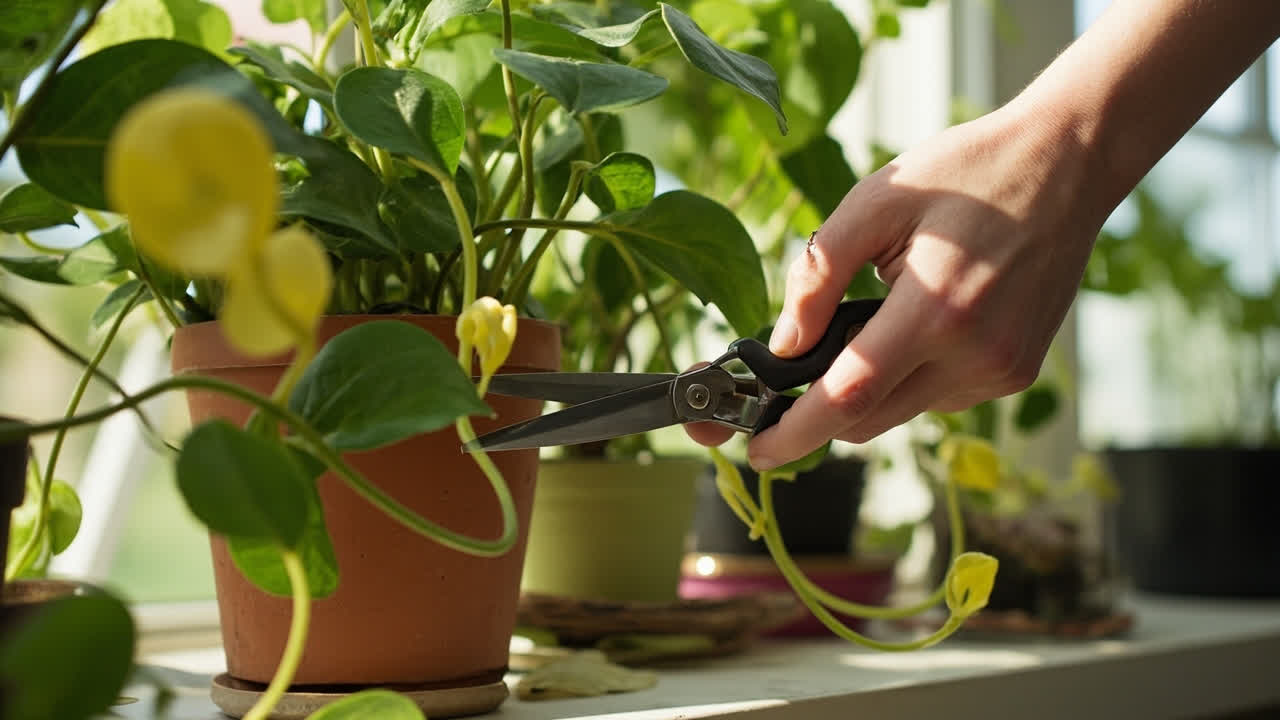
The most common and widely available. Deep green, heart-shaped leaves on trailing vines that can reach three metres or more. It is the Philodendron most people start with, and it is one of the easiest houseplants to grow. Available in solid green and the ‘Brazil’ variety with yellow and lime variegation streaking through the leaves.
Tolerates lower light better than most other varieties. In bright light, growth is vigorous and the leaves are larger. This is the variety most frequently seen in Singapore nurseries and it remains the best starting point for anyone new to Philodendrons.
Philodendron melanochrysum (Black Gold Philodendron)
Deep, dark green velvety leaves with golden veining. This is a climbing species that produces dramatically large leaves when given a moss pole — leaves can reach 30 to 40 cm on a mature climbing specimen. Growth is slower than Heartleaf Philodendron. Needs more light than most Philodendrons to maintain the dark colouring and the velvety texture of the leaves. Direct light still burns it, but it does best in bright, warm conditions.
Philodendron gloriosum
A crawling, non-climbing Philodendron with velvety leaves that feature striking white veining. The leaves grow from a rhizome that creeps along the surface of the soil rather than climbing upward. This growth habit makes it well suited to wide, shallow pots rather than deep pots with moss poles. It requires higher humidity and is more sensitive to overwatering than trailing varieties. Slower growing and more expensive than the common varieties, but extraordinarily beautiful in the right conditions.
Philodendron birkin
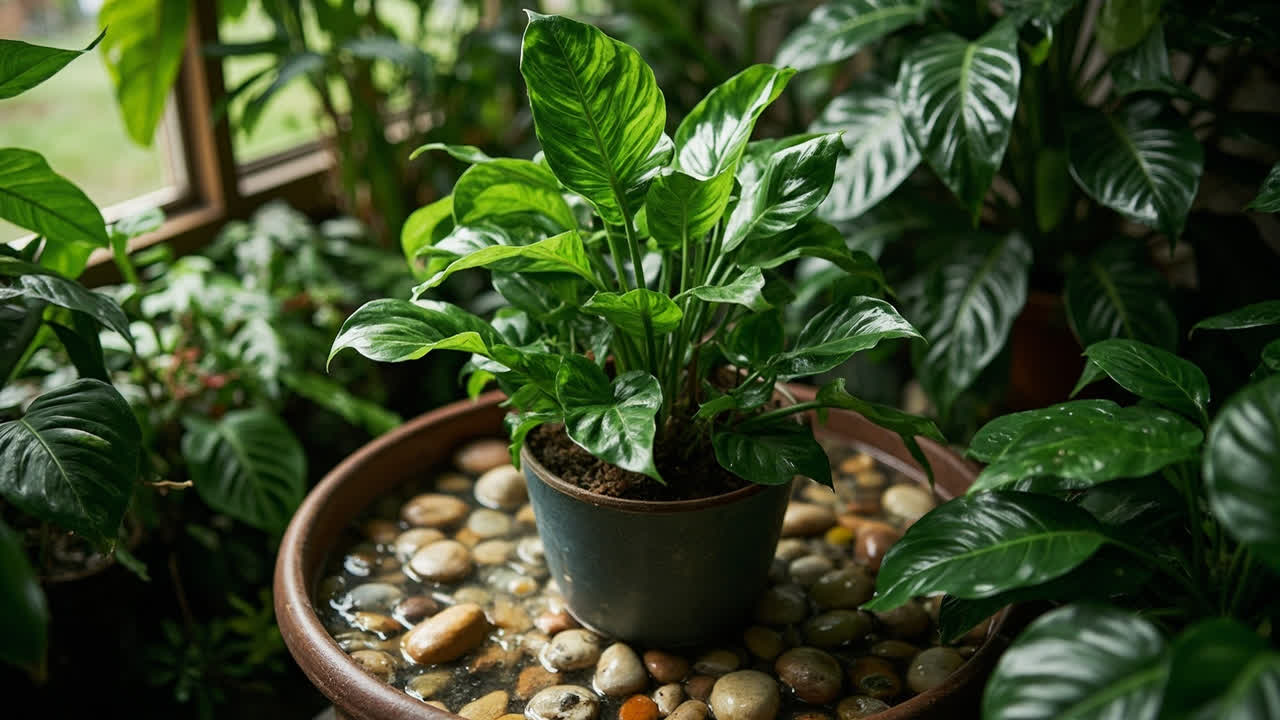
A relatively recent hybrid with dark green leaves that develop cream to white pinstripe variegation as they mature. The amount of variegation varies from leaf to leaf — some leaves emerge nearly all cream, others are nearly solid green. New leaves should show increasing variegation as the plant matures. Needs more light than a solid-green Philodendron to maintain the white sections; in low light the variegation can fade or revert.
Compact and Shrub Forms
Philodendron oxycardium
Compact, tight internodes and smaller, glossy heart-shaped leaves. Often sold as a tabletop plant and remains relatively small compared to trailing forms. Excellent for shelves, bathrooms, and positions where space is limited. Very tolerant of low light and irregular watering.
Philodendron selloum (Split Leaf Philodendron)
A large, self-heading species with deeply lobed, palm-like leaves that can reach 60 to 90 cm on a mature plant. Not a climber — it grows as a single upright plant with leaves emerging from a central crown. Requires more space and is better suited to a floor position than a shelf. Produces more leaves per plant than trailing forms and creates a dramatic focal point in larger rooms.
Variegated Hybrids (Premium Varieties)
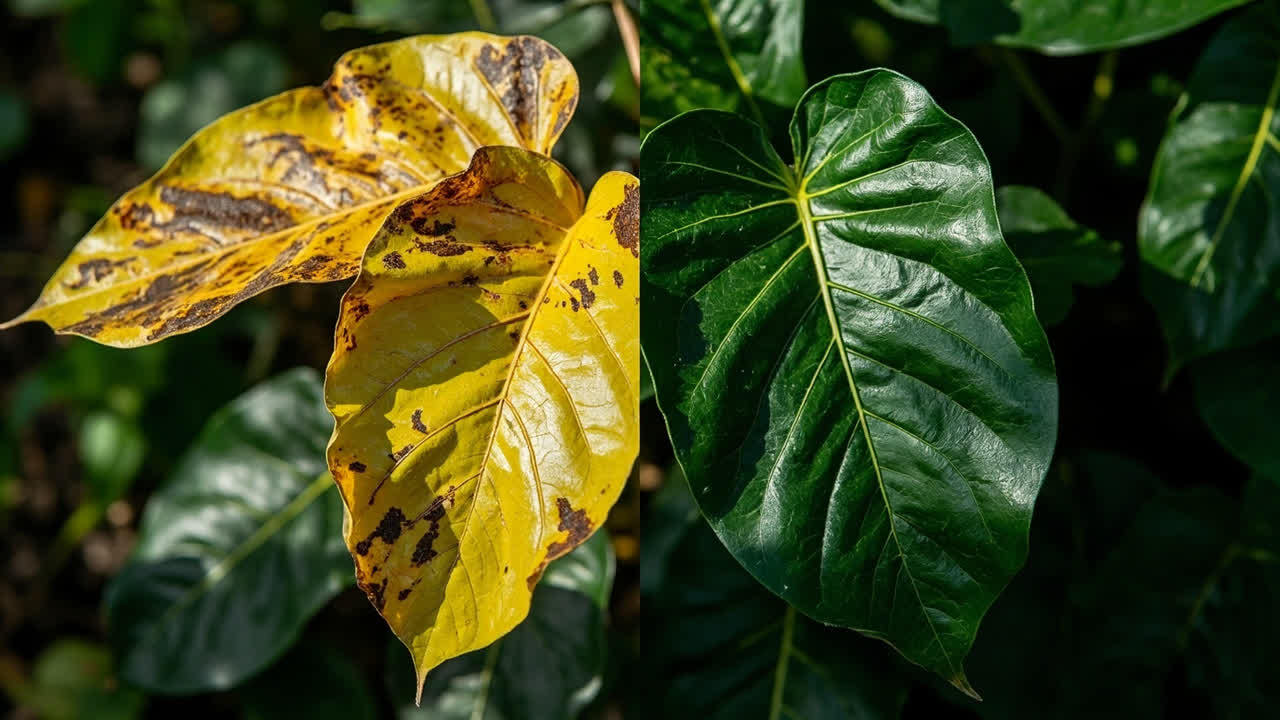
Variegated Philodendrons — including cultivars like ‘Pink Princess’, ‘White Wizard’, ‘White Knight’, and ‘Royal Queen’ — have become highly sought after in the collector market. The variegation is caused by unstable chimeric tissue that can be lost if conditions are not right, particularly insufficient light.
If you are growing a variegated Philodendron, treat it as a higher-maintenance plant: bright indirect light is essential, the soil needs to drain well, and do not be alarmed if a leaf emerges with no variegation — this sometimes happens and does not mean the plant has permanently reverted. Variegated sections are also more susceptible to sunburn and should be protected from direct sun.
Which Variety to Choose
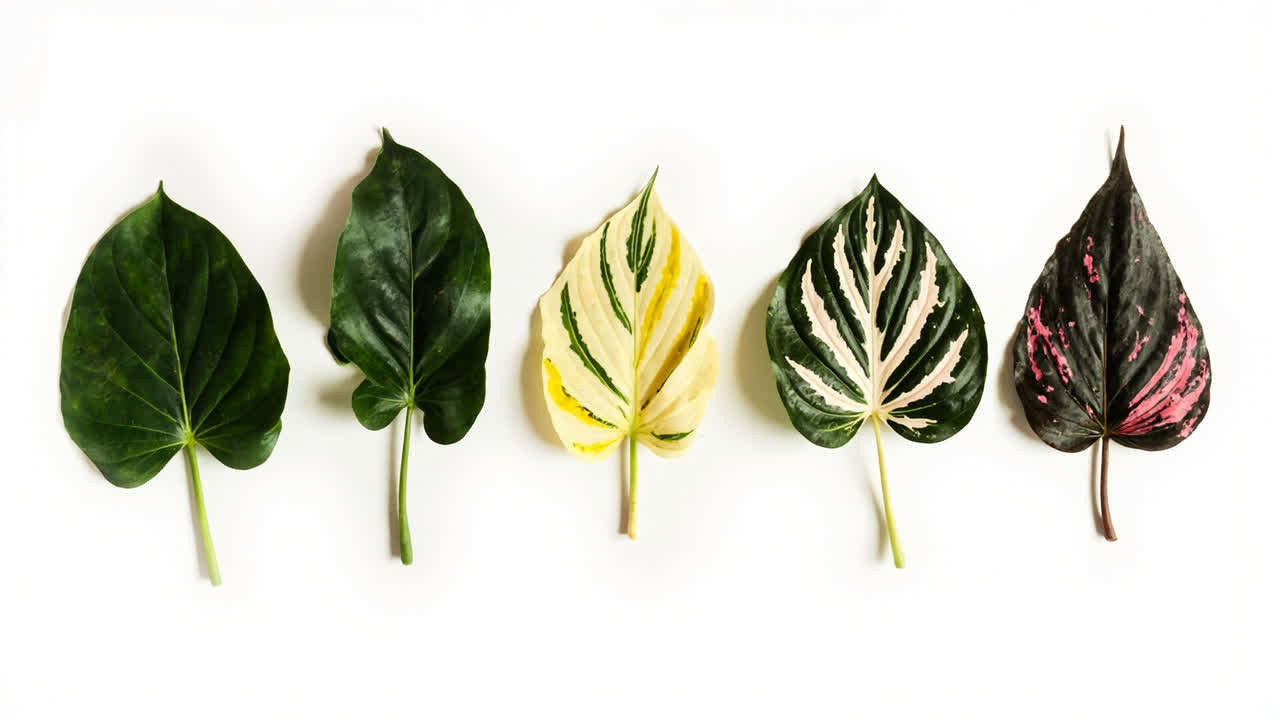
For beginners: start with Philodendron hederaceum (Heartleaf or Brasil). It is forgiving, widely available, inexpensive, and still attractive. For those with more experience or specific aesthetics in mind: the variety choice is less about difficulty and more about light availability and space. A climbing variety needs vertical space for the moss pole. A large selloum needs floor space. A variegated variety needs consistent bright light.
For care guides for any Philodendron, see the Philodendron Care guide.
Turn PDF Bank Statements Into Workable Spreadsheets
Your bank statement is a mess of numbers, but your books shouldn't be. Use our converter to get Excel, CSV, or QBO files — ready for QuickBooks.
Try It Free Now