A philodendron does not need much fertilizer to look its best, and overfeeding causes more problems than underfeeding for most indoor growers. The right philodendron fertilizer schedule is light, consistent, and tied to the plant’s actual growth cycle rather than the calendar alone. A balanced liquid fertilizer at half strength, applied every 4 to 6 weeks during active growth, is the safest starting point for the most common species such as heartleaf (Philodendron hederaceum), Brasil, and Philodendron ‘Micans’.
What a Philodendron Actually Needs From Fertilizer
A philodendron in a typical indoor pot is a slow to moderate feeder. In its native tropical range, the plant lives on a thin layer of leaf litter and rainwater that trickles through tree bark, so the nutrient supply is constant but very dilute. Indoors, the closest equivalent is a balanced, water-soluble fertilizer at half or quarter strength, applied on a steady rhythm. The three macronutrients matter in roughly equal proportions, which is why a 3-1-2 or balanced 5-5-5 liquid formula works well for most leaf-health goals.
More important than the brand is the strength and the timing. A weak solution given regularly will out-perform a strong solution given rarely, because the root system can use the smaller dose before salts accumulate in the potting mix. A philodendron that pushes out one new leaf per month during the growing season is responding well to feeding; one that sits still for two months in summer is either receiving too little light, sitting in cold soil, or being overwatered, and fertilizer will not fix any of those.
How Often to Fertilize a Philodendron by Season
Active growth for most indoor philodendrons runs from early spring through early fall, when days are longer and light intensity is higher. Outside that window, the plant’s metabolism slows and it does not use fertilizer efficiently; any excess simply accumulates as salt in the root zone.
- Spring and summer (active growth): feed every 4 to 6 weeks with a balanced liquid houseplant fertilizer diluted to half the label strength.
- Early fall: drop to one light feeding at half strength, then stop.
- Winter (dormant or slow growth): do not feed. Resume only when new leaves start emerging again.
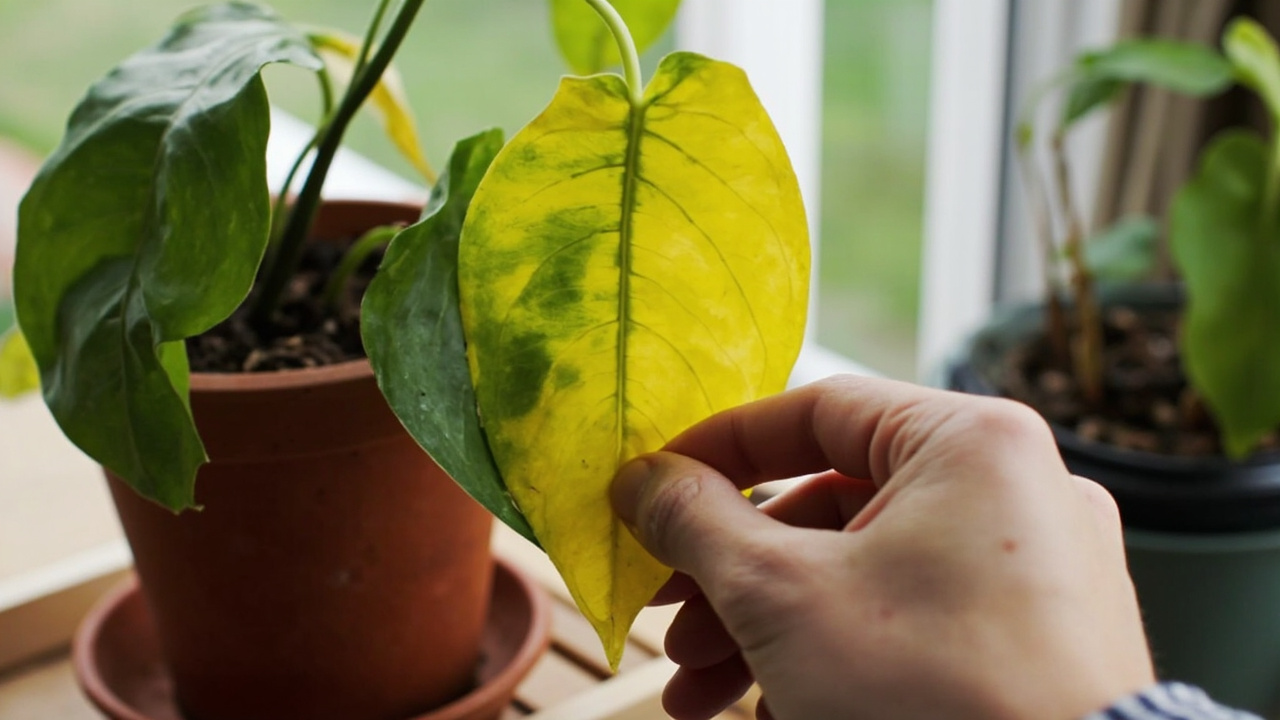
A common mistake is to feed on a fixed monthly schedule year-round. The visible result is often brown leaf tips and a white salt crust on the soil surface by midwinter, which are signs that the roots are burning in a salt-loaded substrate. If you see either, flush the pot thoroughly with plain water and pause feeding for at least 6 weeks.
How to Apply Fertilizer Without Burning the Roots
Always water the plant first, then apply the diluted fertilizer to already-moist soil. Pouring fertilizer onto a dry root ball pulls moisture out of the roots by osmosis and scorches the fine feeder roots, even at half strength. A simple routine works for almost every philodendron:
- Water thoroughly the day before or at least an hour before feeding so the root ball is evenly moist.
- Mix the fertilizer at half the label rate in room-temperature water. For a typical liquid concentrate, that means roughly 1 ml per liter for most 3-1-2 formulas.
- Pour the diluted mix through the pot until it runs from the drainage holes, then stop. Do not let the pot sit in runoff.
- Skip the next scheduled watering if the soil is still moist, and resume normal watering before the next feed.
This “feed only into moist soil” rule is the single most useful habit to build, because it eliminates the most common cause of fertilizer burn on philodendrons.
Choosing the Right Fertilizer Type
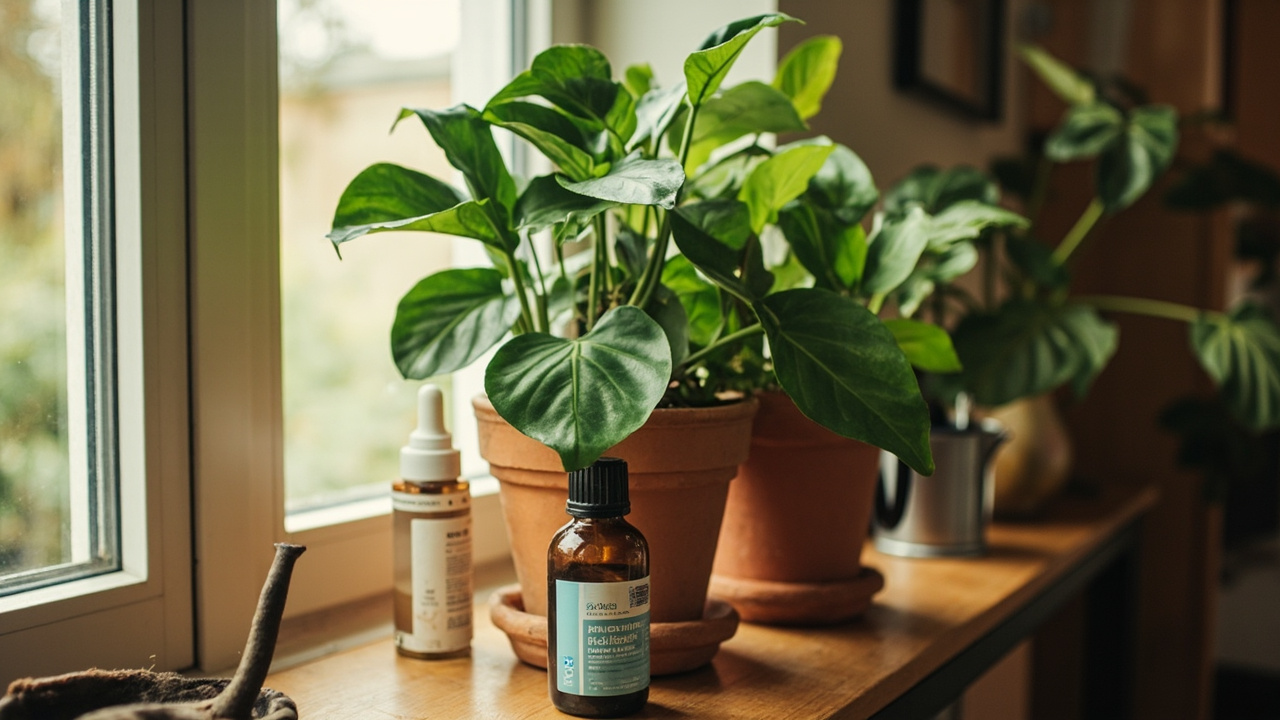
Liquid fertilizers are the easiest to control and the most forgiving. A standard 3-1-2 or balanced 5-5-5 indoor plant food diluted to half strength will cover most needs. Slow-release pellets can also work but they release in proportion to temperature and moisture, which makes them harder to pause during winter dormancy. If you prefer a slow-release product, choose one with a 3 to 4 month release window and apply only in early spring, not in fall.
Organic options such as worm castings or a weak compost tea are gentler but lower in analysis, so they work best as a supplement, not a sole nutrient source. A light top-dressing of worm castings (about 1 cm on the soil surface) once in spring, plus a half-strength liquid feed in mid-summer, is a good combined routine for a philodendron that prefers a steady but mild nutrient supply.
How to Tell if the Schedule Is Working
Two signals tell you whether the feeding rhythm is right. First, the plant produces new leaves at the expected rate for its species and light conditions: roughly one new leaf every 3 to 6 weeks during active growth in bright indirect light, less in lower light. Second, the leaves stay deep green, smooth, and free of brown tips or yellow margins. If new leaves are pale, small, or widely spaced, the plant likely needs more light before it needs more fertilizer. If older leaf tips crisp up and a white crust forms on the soil, the plant is being over-fed and the schedule should be cut back.
A yearly refresh of the top 2 to 3 cm of soil, plus a repot every 2 to 3 years, also keeps the salt load from building up. Repotting into fresh, well-draining philodendron soil mix resets the nutrient balance and is often a better fix for a tired plant than another dose of fertilizer.
Special Cases: Pothos-Adjacent Philodendrons, Micans, and Climbing Specimens
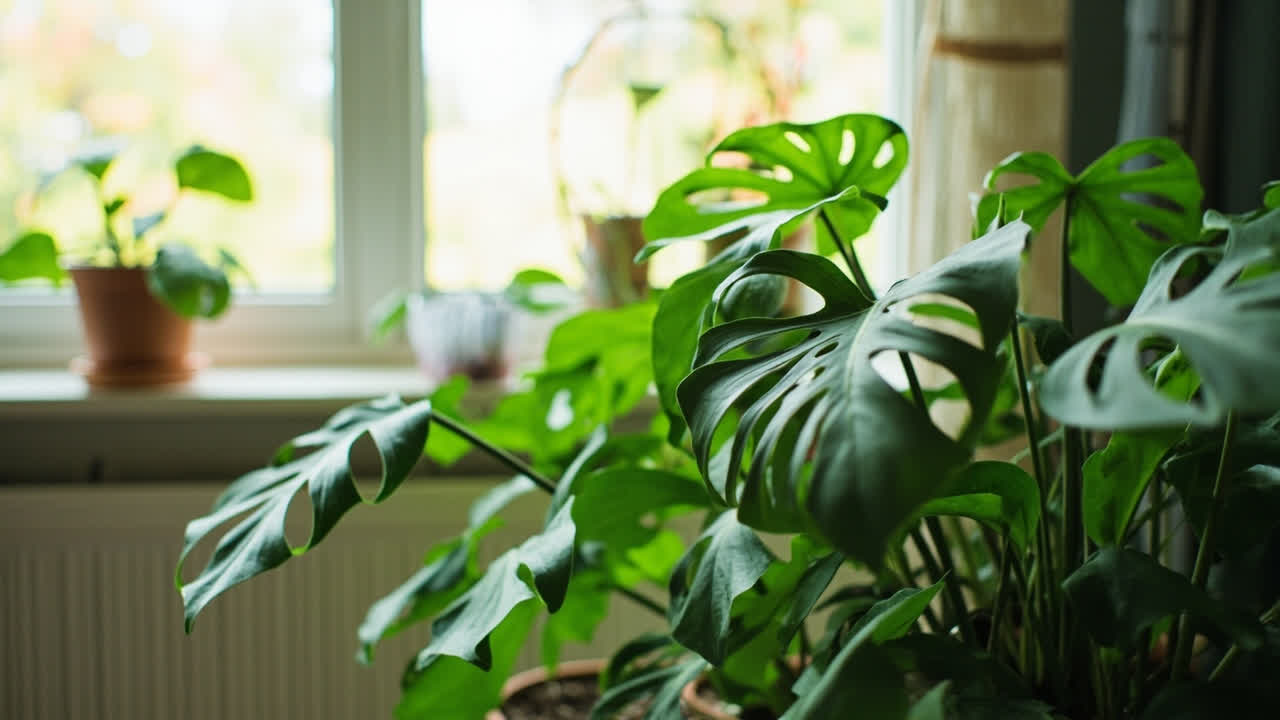
Velvet-leaved types such as Philodendron ‘Micans’ and the dark-leaved ‘Black Cardinal’ prefer a slightly leaner feed than the bright green heartleaf types, because their natural habitat is the lower light understory where leaf litter is thin. A quarter-strength feed every 6 weeks in summer is usually enough. Climbing philodendrons with mature fenestrated leaves, on the other hand, are heavier feeders and can take a half-strength feed every 3 to 4 weeks during active growth, provided the light is genuinely bright.
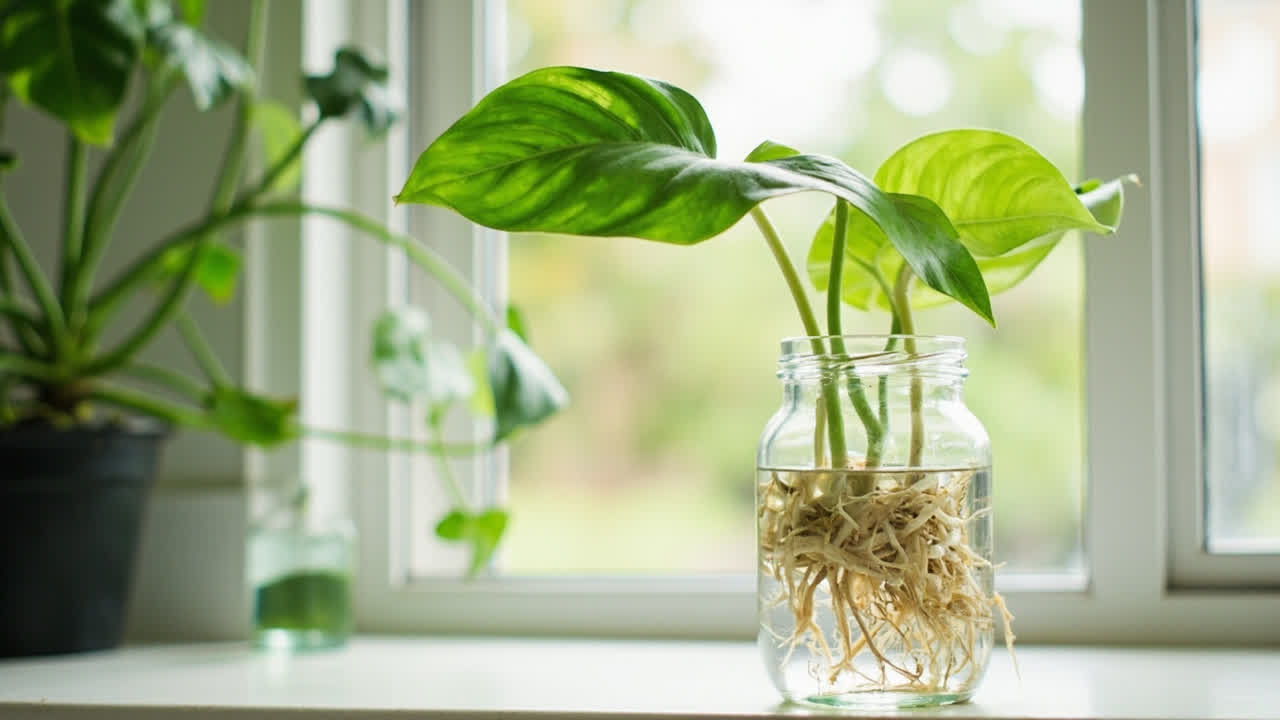
Newly propagated cuttings do not need fertilizer for the first 8 to 12 weeks, because they are still building a root system and cannot use nutrients efficiently. Wait until the cutting has pushed out at least two new leaves in its final pot before starting the normal schedule. For more on timing propagation against feeding cycles, see the philodendron propagation guide.
A Simple, Safe Year-Round Philodendron Fertilizer Schedule
For most indoor growers, the safest rhythm is also the simplest: half-strength balanced liquid fertilizer every 4 to 6 weeks from spring through early fall, applied to moist soil, with a complete pause in winter. Adjust the interval up to 8 weeks if the plant is in lower light, and down to 4 weeks only if it is in bright indirect light and visibly pushing out new leaves.
The honest trade-off is that the “perfect” schedule depends on light, pot size, and species, so a small amount of observation matters more than any product label. Watch the new growth, watch for salt build-up, and let the plant’s response guide the next feeding rather than the calendar. For related care details, the philodendron watering guide and the philodendron light requirements page cover the two factors that most influence whether fertilizer actually helps the plant.
Turn PDF Bank Statements Into Workable Spreadsheets
Your bank statement is a mess of numbers, but your books shouldn't be. Use our converter to get Excel, CSV, or QBO files — ready for QuickBooks.
Try It Free Now