Your Philodendron has been looking bad for weeks — limp leaves, yellowing, possibly some brown tips, maybe even some stems that have gone dark and soft. You want to save it. The good news is that Philodendrons are forgiving plants and most declining specimens can be recovered if the problem is identified correctly and acted on quickly enough. Here is how to diagnose and rescue a dying Philodendron.
Step 1 : Identify the Problem
Before doing anything, figure out what is killing the plant. A treatment applied for the wrong problem makes things worse.
Check the soil. Is it wet? Bone dry? Does it smell musty? Wet, musty soil with a foul smell points to overwatering and likely root rot. Bone dry soil with cracked, pulling-away edges points to chronic underwatering. The soil condition is the most important diagnostic clue.
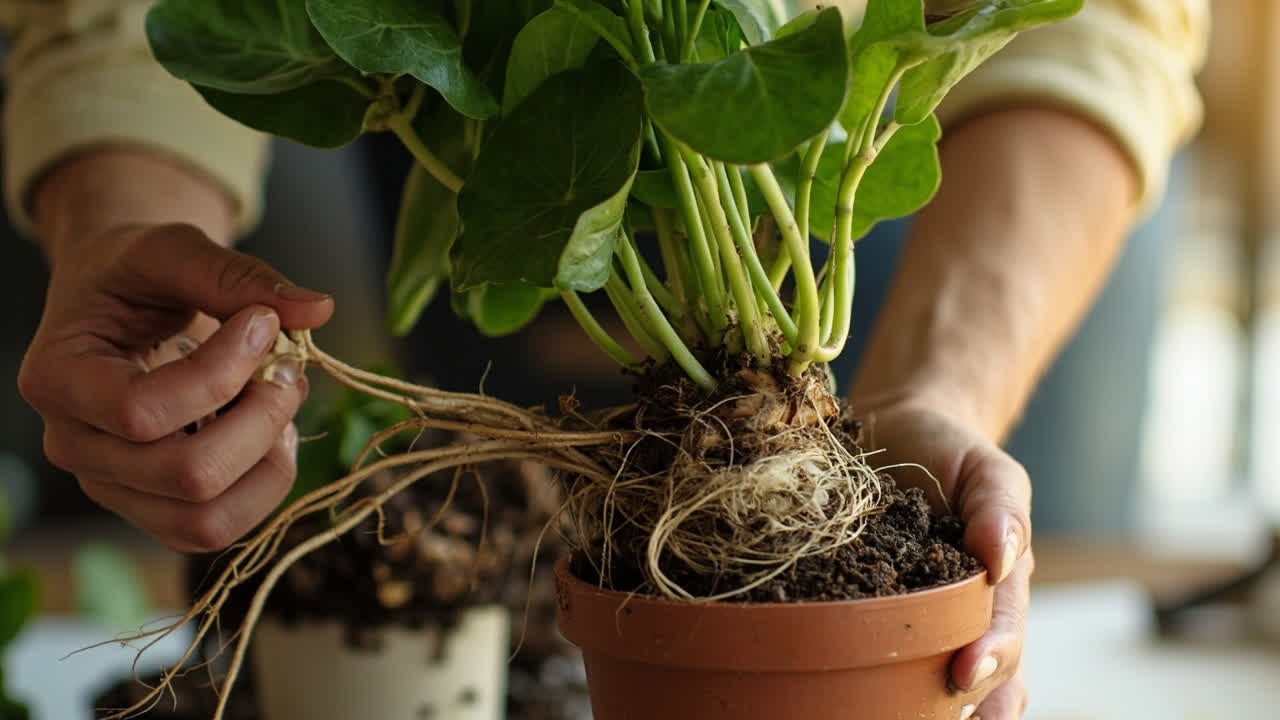
Check the roots. If the soil is wet and the plant is declining, remove it from the pot and examine the roots. Healthy Philodendron roots are firm, pale cream to tan, and slightly fleshy. Rotted roots are dark brown, mushy, easily break apart, and smell foul. If most of the roots are dark and mushy, root rot is the problem.
Check the leaves. Yellowing from the base with limp, soft leaves — overwatering or root rot. Yellowing between the veins with the veins staying green — possible nutrient deficiency or soil pH issue. Brown tips throughout — low humidity or over-fertilising. Widespread yellowing across the whole plant — severe stress from multiple causes or root rot.
Step 2 : Fix the Problem
If the roots are rotten:
- Remove the plant from the pot
- Wash all soil from the roots under running water
- With clean, sharp scissors, cut away every dark, mushy root — cut back to firm, pale tissue
- If more than two-thirds of the root system is gone, you will need to propagate the remaining healthy vine sections as cuttings rather than trying to save the root-bound original
- Repot in fresh, fast-draining mix — two parts potting mix, one part perlite, one part bark
- Do not water for at least one week after repotting; let the cut roots heal in dry soil
- Resume watering slowly — the plant will need less water than before until it regrows a functional root system
If the soil is bone dry:
- Give the plant a thorough soaking — water slowly and evenly until it flows from the drainage hole
- Let it drain fully
- Water again only when the top 3 to 5 cm of soil are dry
- The plant may look worse before it looks better — stressed roots need time to recover and the plant will use less water immediately after a severe drought
If the problem is low humidity:
- Move the plant away from AC vents
- Set up a pebble tray with water
- Group with other plants
- Brown tips already on the leaves will not recover, but new growth will emerge clean once the humidity is corrected
Step 3 : Give It Time
Recovery takes weeks, not days. After correcting the problem, give the plant at least three to four weeks to show signs of recovery. New growth at the nodes — even small new leaves — is the clearest sign that the plant has turned a corner. Do not fertilise a recovering plant; let it use its existing resources before adding anything that could stress it further.
When the Plant Cannot Be Saved
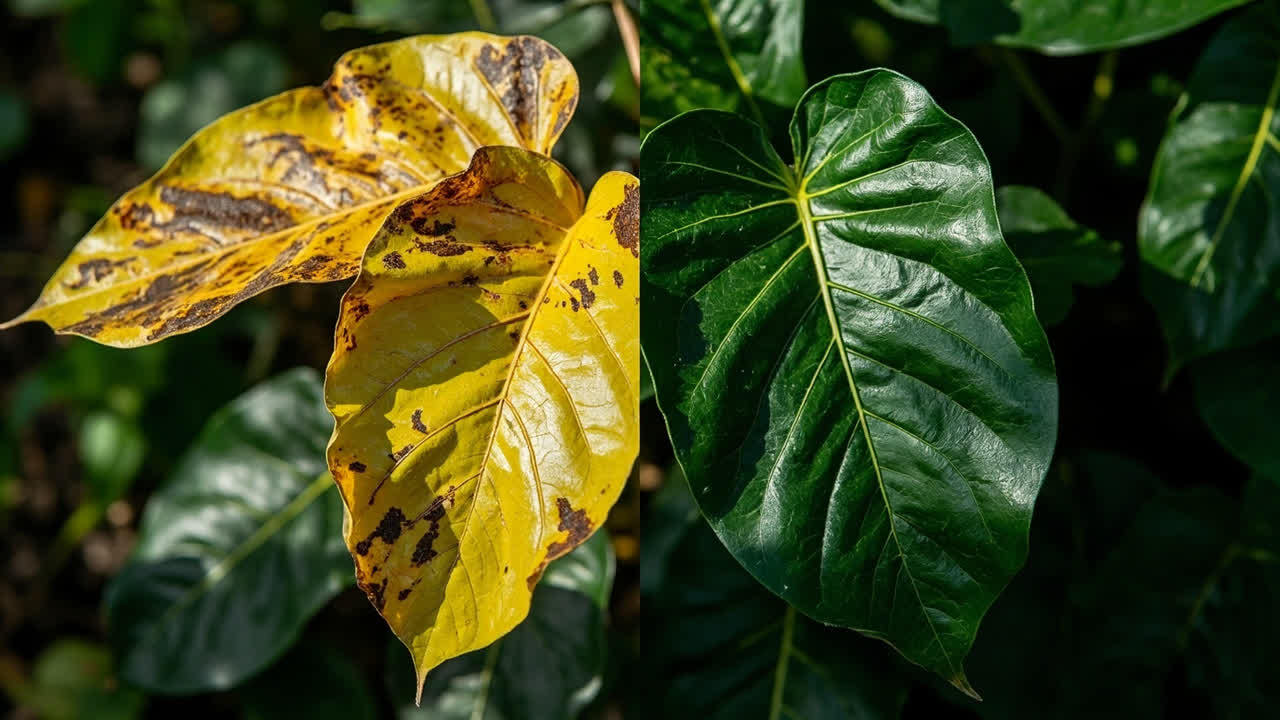
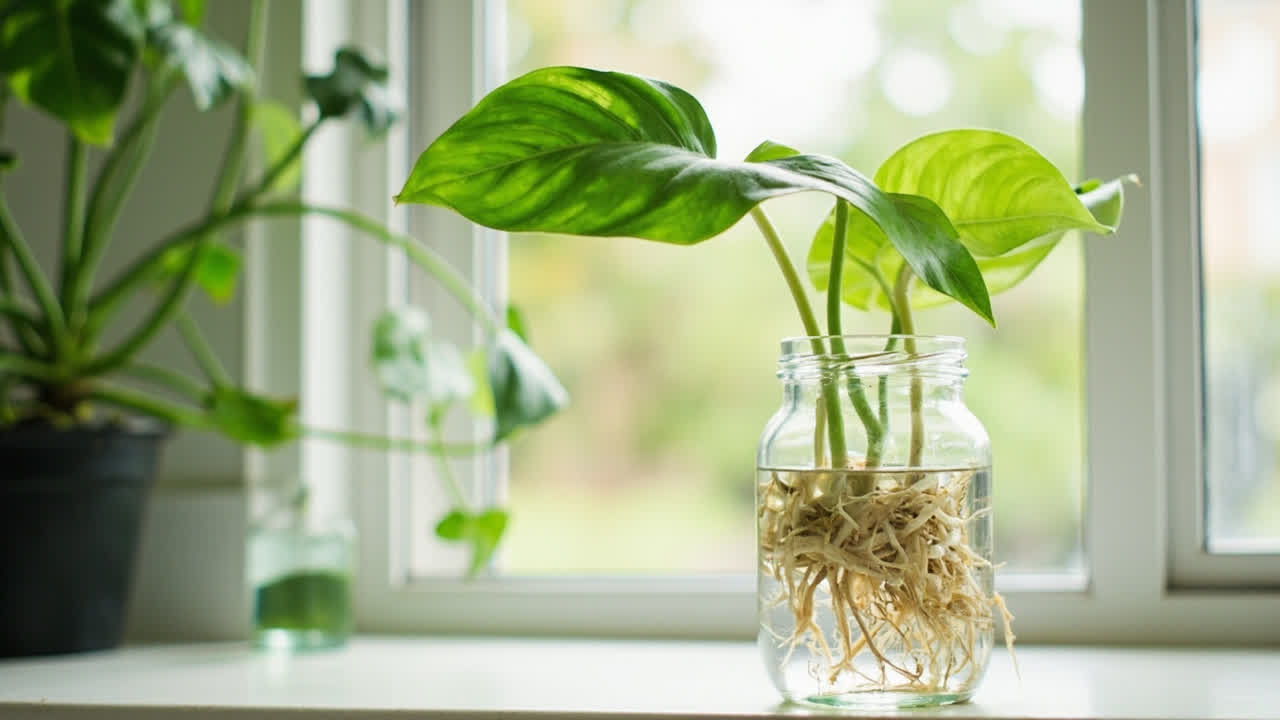
If the entire root system is gone — completely rotted away — the plant cannot be saved as a whole. At that point, take healthy vine cuttings from the remaining stems, root them in water or moist soil, and start new plants. This is not a failure — it is propagation, and it is how you recover from a plant that has died of root rot. You will typically get multiple new plants from a single dying specimen.
Cut healthy vines with at least two to three nodes each. Remove the lowest leaf to expose the node for rooting. Place in water or moist sphagnum moss. Roots appear within two to three weeks. Once the roots are 5 to 7 cm long, pot the new plants in the correct soil mix.
For general Philodendron care, see Philodendron Care guide. For propagation, see Philodendron Propagation guide.
Turn any PDF statement into a clean sheet
Skip the typos and the hours of copying. Our converter handles any bank statement format and outputs Excel, CSV, or QBO for QuickBooks. No file retention, free to try.
Convert your statement