Light is one of the most important factors in Philodendron health, and unlike watering or humidity, it is something you set once and then forget about. Get it right and your Philodendron grows faster, produces larger leaves, maintains its colour, and rarely develops the problems that plague plants in the wrong light.
The Range Philodendrons Tolerate
Philodendrons are among the more shade-tolerant tropical houseplants. They do not need direct sun — in fact, direct sun burns them. But “tolerating low light” and “thriving in low light” are very different. Most Philodendrons will survive in a dim corner, but they will not grow vigorously there, and over time the plant will become leggy and sparse as it reaches for whatever light it can find.
Bright indirect light is the sweet spot. This is the light that comes through an east-facing window, or that is filtered through a net or curtain near a north-facing window, or that fills a room two to three metres from a well-lit south-facing window. This is the light that produces compact, dense growth with large, healthy leaves.
Signs Your Philodendron Needs More Light
Longer internodes. The most reliable indicator. If the gaps between leaves on your vines are getting longer — the plant looks like it is stretching — it is reaching for more light. A healthy Philodendron in good light has compact nodes with leaves spaced closely together. Long, bare stems between leaves are a light deficit.
Smaller new leaves. New growth that emerges progressively smaller than previous leaves is a sign the plant is diverting less energy to leaf production, which happens in low light. New leaves should be as large as or larger than mature leaves on a healthy plant.
Variegation fading or disappearing. If you are growing a variegated Philodendron such as Brasil, Birkin, or Pink Princess, and the new leaves are emerging with less white or pink, the plant needs more light to sustain the variegated tissue. Move it closer to a window.
Slow or stopped growth. Philodendrons in good light grow continuously during the warm months. If your plant has not produced a new leaf in six to eight weeks during the growing season, light is a likely factor.
Signs Your Philodendron Is Getting Too Much Light
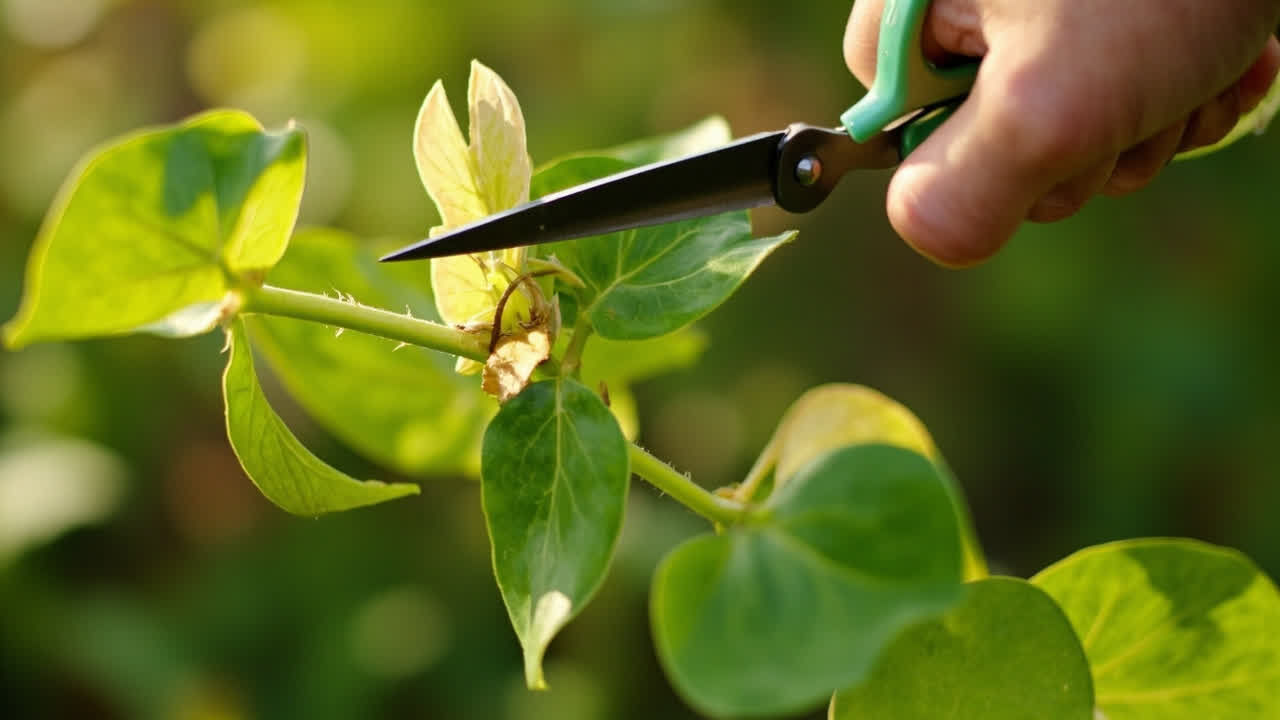
Yellow or pale patches on leaves. Direct sun or very bright light that exceeds what the plant wants causes phototoxicity — the leaf tissue burns and bleaches. These patches are usually pale yellow or light brown, distinct from the dark scorch of actual heat burn.
Brown, dry edges on the brightest leaves. If the leaves closest to the window are browning at the edges or have a papery texture, the plant is receiving more light than it can process. Move it further from the window or filter the light with a net curtain.
Faded leaf colour overall. Some Philodendrons in very intense light lose the depth of colour in their leaves, becoming washed out and pale. The fix is simple: move the plant back from the window.
Best Positions in a Singapore Home
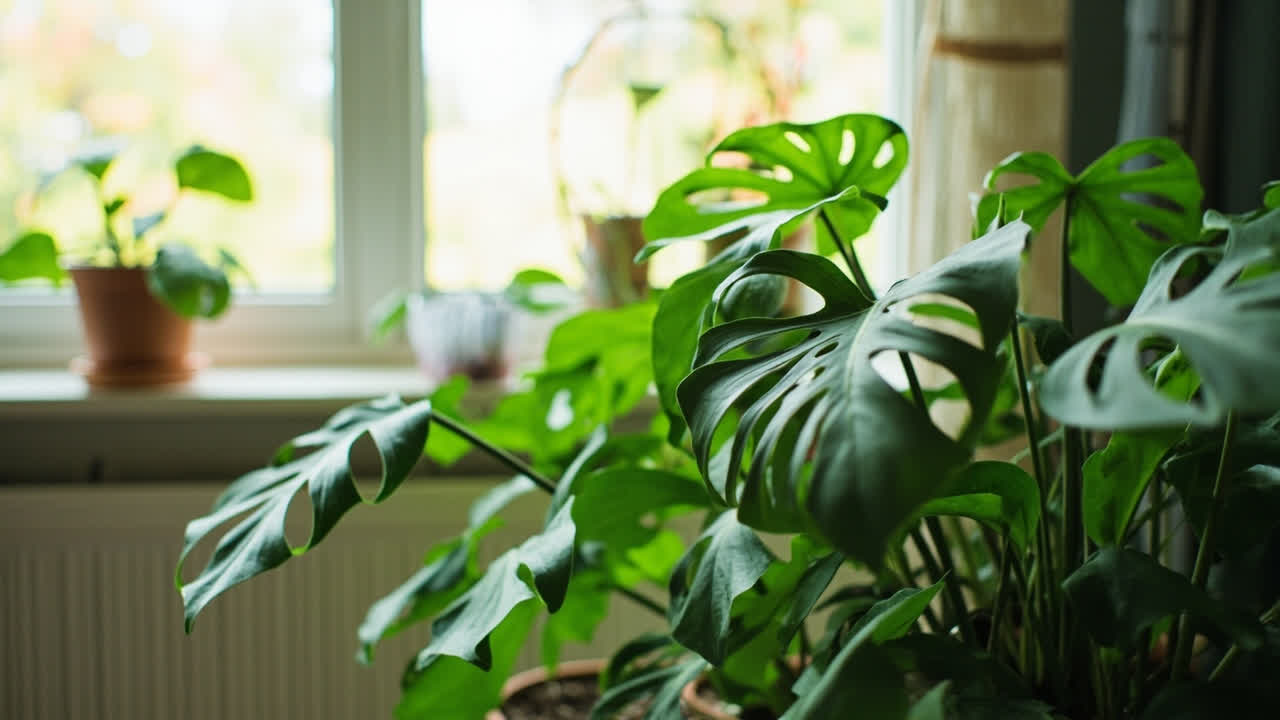
The best positions for Philodendrons in most Singapore homes:
- One to two metres from an east-facing window with no direct sun
- One to two metres from a north-facing window, closer if the window is large
- Behind a net curtain on a south or west-facing windowsill
- Any position in a room with good ambient light from multiple directions — not relying on a single window
Rooms with air conditioning and no natural light — interior rooms without windows — are not suitable for Philodendrons unless a grow light is installed.
Moss Pole Light
If you are growing a climbing Philodendron on a moss pole, the leaves at the top of the vine receive more light than the leaves at the base. This is normal and correct — the top of the plant should be your primary concern. If the upper leaves are healthy and large but the lower leaves are small or yellowing, that is often a natural pattern as the plant ages rather than a light problem. The lower leaves eventually yellow and drop as the vine climbs higher and away from the base of the plant.
For the full Philodendron care guide, see Philodendron Care.
Turn any PDF statement into a clean sheet
Skip the typos and the hours of copying. Our converter handles any bank statement format and outputs Excel, CSV, or QBO for QuickBooks. No file retention, free to try.